Amputación en Corea del Sur — obtén 3 clínicas con costos


Revisado médicamente por
Fahad Mawlood
¿Cuál es el precio de Amputación en Corea del Sur? Descubra ahora
La amputación en la República de Corea suele costar entre $6,500 y $12,000. Los factores que afectan el precio final incluyen la complejidad de la cirugía, el nivel del hospital y la necesidad de reconstrucción o microcirugía. Los costos generalmente incluyen el procedimiento quirúrgico, la anestesia y la estancia hospitalaria postoperatoria inicial en centros importantes como Seúl e Incheon.
- Complejidad quirúrgica: Las replantaciones que involucran microcirugía suelen costar más que las amputaciones de extremidades estándar debido a su duración.
- Procedimientos en dedos de manos o pies: Las cirugías menores de extremidades generalmente comienzan en el extremo inferior del rango.
- Necesidades reconstructivas: Los casos complejos que requieren una reparación extensa de tejidos a menudo aumentan la factura médica total.
- Nivel del centro: Los costos en prestigiosos hospitales universitarios acreditados por la JCI en Seúl pueden ser entre un 15 y un 20% más altos.
Perspectiva del experto de Bookimed: Elegir un centro digital de primer nivel como el Hospital Universitario Nacional de Seúl Bundang (SNUBH) proporciona un valor superior. Utilizan el sistema BESTcare para minimizar los errores médicos durante traumatismos ortopédicos complejos. Si bien los hospitales universitarios en Seúl pueden tener tarifas base más altas, sus altas tasas de éxito y la acreditación JCI garantizan la seguridad. Para aquellos que buscan amputaciones avanzadas relacionadas con la oncología, especialistas como Sung Wook Seo en el Samsung Medical Center ofrecen una experiencia de clase mundial.
Beneficios clave
¿Por qué eligen los pacientes la República de Corea para amputaciones?
- Clínicas acreditadas: Hospitales certificados por JCI ofrecen atención de alta calidad que cumple con estándares internacionales.
- Últimas tecnologías: Dispositivos protésicos como el Genium X3 de Ottobock y el RHEO KNEE XC de Össur ofrecen mejor movilidad y adaptabilidad para personas amputadas.
- Altas tasas de éxito: Los procedimientos de amputación en Corea del Sur tienen una eficacia del 95% en mejorar la movilidad y calidad de vida de los pacientes.
- Cirujanos expertos: Cirujanos ortopédicos líderes, certificados por la Asociación Ortopédica de Corea, han realizado más de 5,000 cirugías de amputación. Garantizan atención experta y precisión.
Acceda a soluciones avanzadas de amputación en clínicas de confianza de $6,500.
| Corea del Sur | España | Turquía | |
|---|---|---|---|
| Amputación | ≈ $6,500 | ≈ $6,500 | de $1,800 |
Sus beneficios y garantías con Bookimed
Precios directos
Bookimed no añade cargos adicionales a los precios de Amputación. Las tarifas proceden de las listas de precios oficiales de las clínicas. Pagará directamente en la clínica por su Amputación a su llegada al país.
Sólo clínicas y médicos verificados
Bookimed está comprometido con su seguridad. Solo trabajamos con las clínicas que mantienen altos estándares internacionales en Amputación y tienen las licencias necesarias para atender a pacientes internacionales en todo el mundo.
Asistencia 24/7 gratuita
Bookimed ofrece asistencia experta gratuita. Un coordinador médico personal le apoya antes, durante y después del tratamiento, resolviendo cualquier problema. Nunca estará solo en su viaje médico de Amputación.

Su coordinador médico personal de Bookimed
- Le apoya en cada etapa
- Ayuda a elegir la clínica y el médico adecuados
- Asegura un acceso rápido y conveniente a la información
Descubra las mejores clínicas de Amputación en Corea del Sur: 6 opciones verificadas y Precios
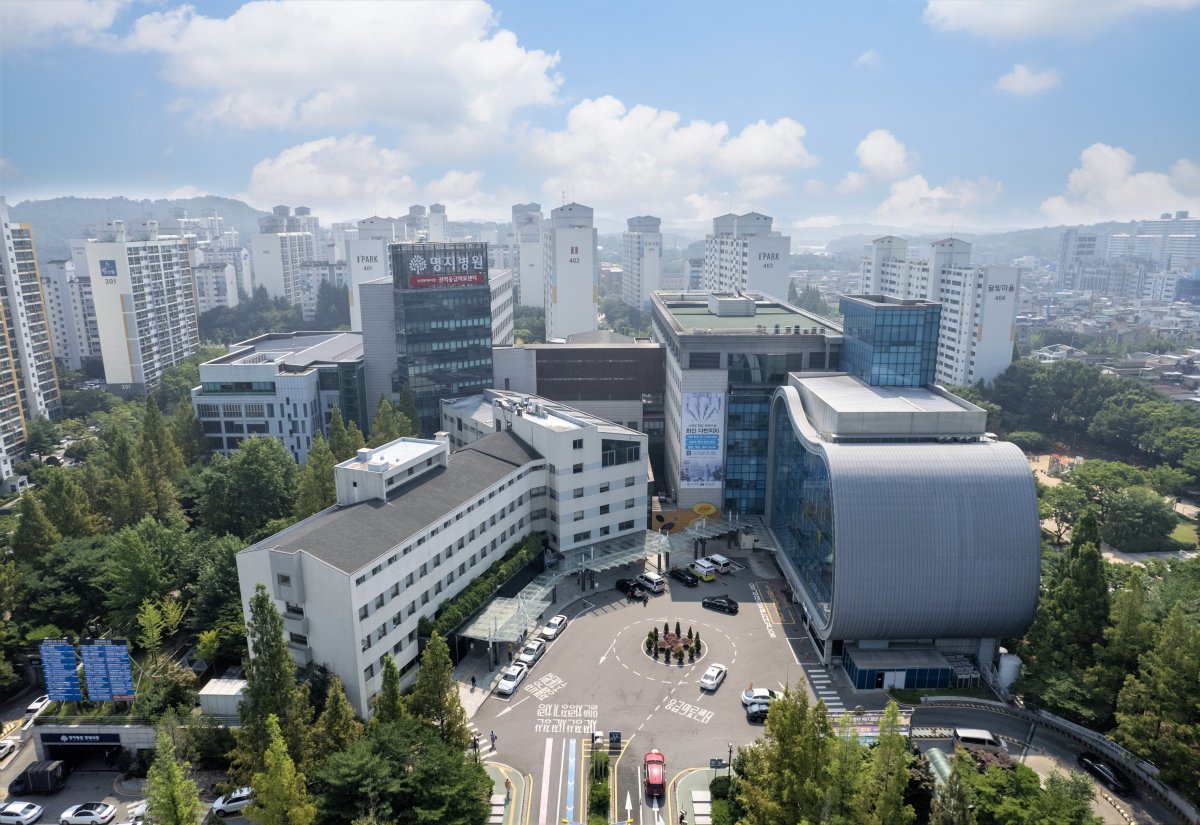





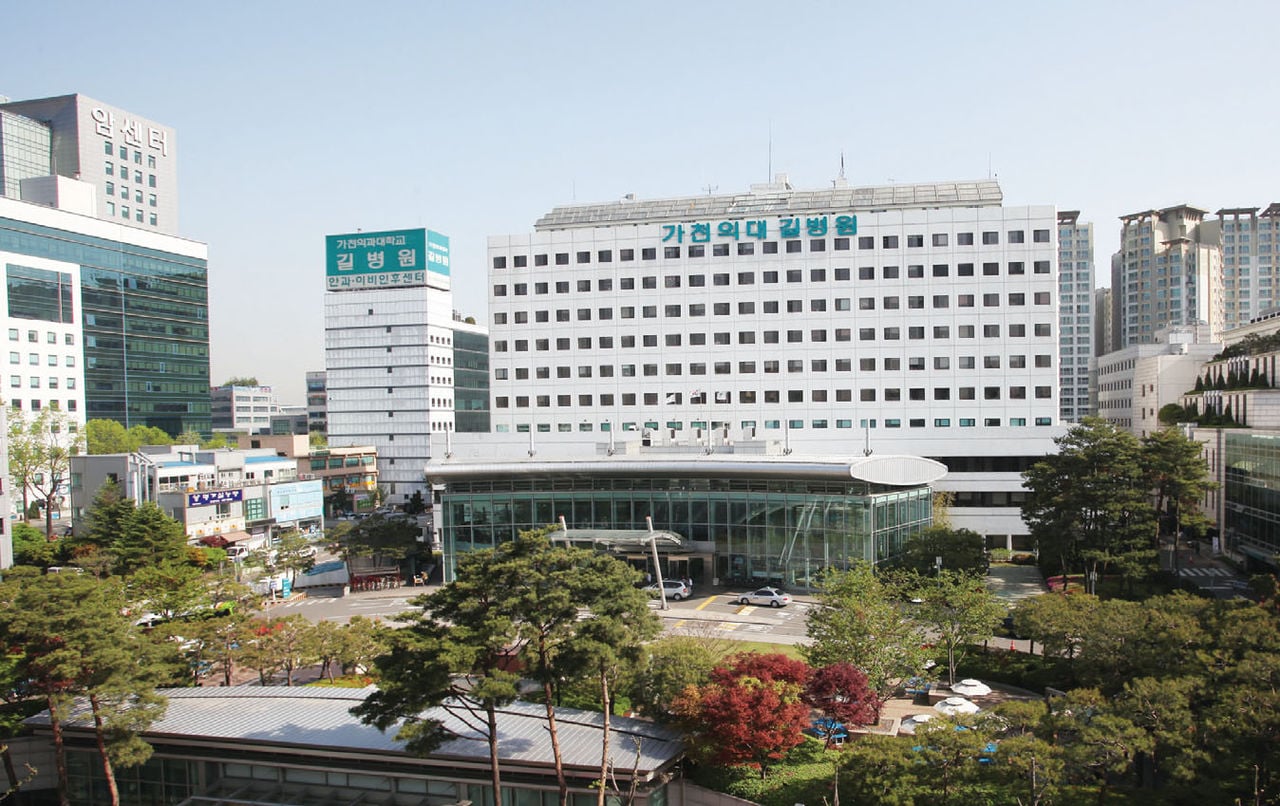







Descripción general de Amputación en Corea del Sur
- Reparación de hernia umbilical - de $1,400La operación corrige un bulto cerca del ombligo, lo que reduce la incomodidad y previene complicaciones peligrosas.
- Resección de estómago - de $15,000El procedimiento consiste en extirpar parte del estómago para tratar afecciones como el cáncer, lo que brinda resultados potencialmente curativos.
- Amputación - de $6,500El procedimiento consiste en extirpar una parte del cuerpo para salvar vidas, aliviar el dolor o abordar el progreso de la enfermedad.
- Cirugía de hernia inguinal - de $4,100El procedimiento trata un bulto en el área de la ingle empujándolo hacia atrás y fortaleciendo la pared abdominal.
- Reparación de hernia de hiato - de $5,500El procedimiento repara las protuberancias del tejido abdominal a través del diafragma, mejorando la digestión y reduciendo las molestias.
- Colecistectomía - de $5,400La operación extirpa la vesícula biliar para tratar cálculos biliares, inflamación o cáncer con menos cicatrices y una recuperación más rápida.
- Cirugía - de $7,000El procedimiento consiste en corregir defectos corporales o enfermedades mediante operaciones manuales, generalmente bajo anestesia.
- Aterectomía - de $6,500El procedimiento elimina la placa en las arterias, mejora el flujo sanguíneo y reduce el riesgo de enfermedades cardíacas con una cirugía mínimamente invasiva.
Día 1 - Llegada:
- Llegue al centro médico para la admisión.
- Reúnase con su médico de cabecera y cirujano.
- Someterse a exámenes médicos preoperatorios.
Día 2 - Preoperatorio:
- Consulte con un anestesiólogo.
- Discuta los detalles del procedimiento con su cirujano.
- Someterse a cualquier procedimiento adicional si es necesario.
Día 3 - Amputación:
- La cirugía suele durar de 2 a 4 horas.
- Se administra anestesia general.
- El cirujano realiza la amputación.
Día 4-7 - Postoperatorio:
- Recuperarse en la clínica bajo supervisión médica.
- Comience los ejercicios iniciales de fisioterapia.
- Consulte con un protésico si corresponde.
Semana 1-4 - Rehabilitación:
- Continúe con los ejercicios de fisioterapia.
- Ajuste y aprenda a usar una prótesis.
- Regresar gradualmente a las actividades diarias.
Semana 4-8 - Rehabilitación:
- Continuar con la fisioterapia.
- Comience a regresar al trabajo si es posible.
- Aumente gradualmente los niveles de actividad.
Semana 8 y posteriores - Resultados finales:
- Continúe adaptándose a la vida después de la amputación.
- Regreso a las actividades deportivas en su caso.
- Vea el resultado final de su rehabilitación.
Tenga en cuenta que el cronograma y el proceso de recuperación de cada paciente son únicos y pueden variar según una serie de factores, incluido el tipo de amputación, la salud general del individuo y la velocidad de su recuperación.
- Depósito de Bookimed: 200 $ o 200 €.
- Depósito de la clínica: Pague un porcentaje fijo por adelantado.
Obtenga una evaluación médica para Amputación en Corea del Sur: Elija su especialista entre los mejores en el campo
Ver todos los médicos
Sung Wook Seo
Cirujano ortopédico especializado en casos complejos en el Samsung Medical Center.
- Formado en técnicas quirúrgicas avanzadas
- Miembro de las principales sociedades ortopédicas
- Se centra en planes de tratamiento específicos para cada paciente
Historias en video de pacientes de Bookimed
Reseñas
Todas las reseñasCompartir contenido
 Olena Sikoza
Preguntas frecuentes sobre Amputación en Corea del Sur
¿Cuál es la incidencia anual de amputaciones y cuántas personas amputadas viven en la República de Corea?
La República de Corea tiene aproximadamente 175.315 personas amputadas según los datos del Ministerio de Salud y Bienestar de 2020. La incidencia anual supera los 10.000 casos derivados de accidentes y enfermedades. Esto refleja una tasa de incidencia de aproximadamente 38,3 amputaciones por cada 100.000 habitantes.
- Demografía de la población: Los hombres representan el 76,7% de la población amputada, con una edad media de 62,6 años.
- Causas principales: Los traumatismos representan el 72,3% de los casos, aunque las amputaciones relacionadas con enfermedades están aumentando actualmente.
- Prevalencia anatómica: Las amputaciones de miembros superiores comprenden el 71,6% de la población, principalmente por debajo de la muñeca.
- Datos de miembros inferiores: Los casos de miembros inferiores representan el 28,4% del total de amputados en la República de Corea.
Opinión de expertos de Bookimed: Aunque los traumatismos siguen siendo la causa principal histórica, las tendencias clínicas actuales en centros acreditados por la JCI, como el Hospital Severance, muestran un cambio. Los cirujanos tratan cada vez más casos vasculares y diabéticos en lugar de solo lesiones agudas. Los pacientes pueden ahorrar hasta un _price_percent_discount_% en comparación con los costos de EE. UU. para cirugías complejas de salvamento de extremidades en estos centros.
¿Cuáles son las principales causas de amputación en Corea?
El trauma accidental es la principal causa de amputación en Corea, representando más del 72% de los casos en miembros inferiores. Sin embargo, las condiciones crónicas como la diabetes y la enfermedad vascular periférica están aumentando rápidamente. Estas causas médicas contribuyen ahora a aproximadamente el 70-80% de todas las amputaciones de extremidades inferiores en todo el país.
- Lesiones traumáticas: Los accidentes industriales y de tráfico causan más del 90% de las amputaciones de miembros superiores.
- Complicaciones diabéticas: Las úlceras en los pies descuidadas y la sepsis son los principales impulsores de la pérdida de miembros inferiores.
- Enfermedades vasculares: Condiciones como la enfermedad de Buerger afectan desproporcionadamente a hombres coreanos jóvenes fumadores.
- Tendencias demográficas: Aproximadamente el 80% de los casos involucran a hombres, a menudo debido a roles industriales de alto riesgo.
Perspectiva de expertos de Bookimed: Los centros especializados de Corea, como el Hospital de la Universidad Nacional de Seúl, utilizan el sistema digital BESTcare para reducir los errores quirúrgicos. Los pacientes se benefician de una alta concentración de instalaciones acreditadas por la JCI en Seúl. Estos hospitales gestionan volúmenes masivos, con el Hospital Severance atendiendo a 1,6 millones de pacientes ambulatorios
¿Qué extremidad se amputa con mayor frecuencia?
Las extremidades inferiores son las que se amputan con mayor frecuencia, representando del 85% al 91% de los casos. Procedimientos específicos como la extirpación de dedos de los pies y las cirugías transtibiales por debajo de la rodilla dominan los registros clínicos. Las causas principales en la República de Corea incluyen enfermedades vasculares y complicaciones relacionadas con la diabetes en poblaciones de mayor edad.
- Tipo de extremidad dominante: Los procedimientos en las extremidades inferiores representan más del 80% de todas las amputaciones quirúrgicas.
- Frecuencia de amputaciones menores: La extirpación de dedos de los pies es la más común, totalizando del 33% al 39% de los casos.
- Líder en amputaciones mayores: Los procedimientos transtibiales (por debajo de la rodilla) representan más del 50% de las pérdidas mayores de extremidades.
- Factores de riesgo de género: Los hombres se someten a estos procedimientos con mayor frecuencia, representando aproximadamente del 69% al 75% de los pacientes.
Perspectiva del experto de Bookimed: La infraestructura médica de Corea del Sur, que cuenta con centros acreditados por la Joint Commission International (JCI) como el Hospital Severance, destaca en la salvación de extremidades. Si bien las amputaciones por debajo de la rodilla son frecuentes, la integración de sistemas digitales avanzados
¿Dónde pueden los pacientes recibir atención protésica y de rehabilitación de última generación?
Los pacientes reciben atención protésica y de rehabilitación de última generación en centros surcoreanos como el Hospital Severance y el Hospital de la Universidad Nacional de Seúl. Estas instalaciones integran prótesis mioeléctricas, extremidades biónicas y exoesqueletos ReWalk. Equipos especializados utilizan encajes de prueba impresos en 3D y entrenamiento de marcha en realidad virtual para acelerar la recuperación funcional.
- Tecnología avanzada: Las clínicas cuentan con el pie Össur Proprio, componentes Ottobock y encajes de fibra de carbono.
- Integración quirúrgica: Los cirujanos realizan transferencias nerviosas y osteointegración dentro de centros multidisciplinarios acreditados por la JCI.
- Protocolos de rehabilitación: Los programas intensivos incluyen terapia en piscina y entrenamiento de marcha asistido por robots especializados.
- Hitos de recuperación: Los pacientes suelen lograr caminar sin ayuda en un plazo de 6 meses para amputaciones debajo de la rodilla.
Perspectiva del experto de Bookimed: Los 5 grandes hospitales de Seúl, incluidos Severance y SNUH, ofrecen un ecosistema digitalizado donde la IA y los registros médicos electrónicos agilizan los ajustes protésicos. Si bien el seguro nacional cubre los dispositivos básicos, elegir opciones de pago privado en estos centros de primer nivel permite un acceso más rápido a comp
¿Qué tecnologías de rehabilitación avanzadas están disponibles?
La rehabilitación avanzada tras una amputación en la República de Corea utiliza prótesis controladas por microprocesador, sensores mioeléctricos y entrenadores de marcha robóticos para restaurar la movilidad. Los centros acreditados por la JCI en Seúl integran diagnósticos basados en IA y técnicas de osteointegración con marcas como Ottobock y Össur para mejorar los resultados funcionales y la comodidad.
- Dispositivos biónicos: Las rodillas con microprocesador como la C-Leg de Ottobock se adaptan en tiempo real a la velocidad de la marcha.
- Control mioeléctrico: Las prótesis de miembro superior utilizan el reconocimiento de patrones para traducir las señales musculares en movimiento.
- Asistencia robótica: Los trajes de marcha como Ekso Bionics y Lokomat facilitan el reentrenamiento intensivo de la marcha.
- Integración de implantes: Las prótesis osteointegradas proporcionan una fijación ósea directa, eliminando la incomodidad de los encajes tradicionales.
Perspectiva del experto de Bookimed: Aunque las extremidades con microprocesador de alta tecnología reciben la mayor atención, la infraestructura hospitalaria digital de Corea ofrece una ventaja específica. Centros como el Hospital Bundang de la Universidad Nacional de Seúl utilizan el sistema BESTcare para sincronizar los datos quirúrgicos con el progreso de la rehabilitación. Este enfoque
¿Qué riesgos psicológicos acompañan a la amputación en Corea?
La amputación en Corea del Sur conlleva un alto riesgo de depresión clínica, ansiedad y trastorno de estrés postraumático. Los pacientes a menudo enfrentan dismorfia corporal y dolor del miembro fantasma. Estos desafíos se ven intensificados con frecuencia por los estigmas culturales locales que rodean las discapacidades visibles y las vulnerabilidades laborales específicas dentro de la fuerza laboral.
- Riesgo de depresión: Estudios a nivel nacional muestran una incidencia significativamente mayor de depresión en comparación con los tratamientos de preservación de extremidades.
- Vulnerabilidad de género: Las mujeres en Corea enfrentan estadísticamente tasas más altas de trastornos depresivos post-amputación.
- Dolor crónico: Hasta el 95% de los pacientes experimentan dolor del miembro fantasma, lo que causa una angustia severa.
- Impacto en el empleo: Los trabajadores que dependen del esfuerzo físico enfrentan una tensión mental extrema debido a períodos prolongados de desempleo.
Perspectiva del experto de Bookimed: Si bien instalaciones de primer nivel como el Hospital de la Universidad Nacional de Seúl ofrecen sistemas digitales avanzados, el cronograma de recuperación mental a menudo abarca de 1 a 3 años. Los datos sugieren que la terapia informada sobre el trauma y la mentoría entre pares son más efectivas que la medicación sola para la a
¿Tienen las mujeres amputadas necesidades de apoyo médico únicas?
Las mujeres amputadas requieren un apoyo médico especializado que aborde riesgos fisiológicos distintos, fluctuaciones hormonales y diferencias biomecánicas. Las necesidades clave incluyen el control de la densidad ósea para prevenir la osteoporosis, la gestión de los ajustes de la prótesis relacionados con el embarazo y el acceso a diseños de dispositivos específicos de género que se adapten a marcos esqueléticos más estrechos y a las variaciones en la anchura de la pelvis que se encuentran comúnmente en las mujeres.
- Salud ósea: Las pacientes enfrentan mayores riesgos de osteoporosis, lo que requiere escaneos de densidad ósea DEXA proactivos.
- Ciclos hormonales: Las fluctuaciones de estrógeno causan hinchazón en el miembro residual, lo que requiere ajustes frecuentes en el encaje de la prótesis.
- Atención materna: El embarazo requiere alineaciones protésicas especializadas e incisiones de cesárea colocadas en una posición alta para mayor comodidad del encaje.
- Diseño biomecánico: Las prótesis estándar centradas en el hombre a menudo causan dolor de espalda debido a la alineación pélvica femenina más ancha.
Perspectiva del experto de Bookimed: Los datos de centros líderes en Corea del Sur, como el Hospital Severance y el Hospital de la Universidad Nacional de Seúl, muestran un cambio hacia la rehabilitación multidisciplinaria. Mientras que