Tratamiento de Pinzamiento anterior del tobillo en España — obtenga 3 coincidencias personalizadas de clínicas


Revisado médicamente por
Fahad Mawlood
Cómo funciona
¿Cuál es el precio del diagnóstico y los tratamientos de Pinzamiento anterior del tobillo en España? Descubra ahora
Descubra las mejores clínicas de tratamiento de Pinzamiento anterior del tobillo en España: 2 opciones verificadas y Precios


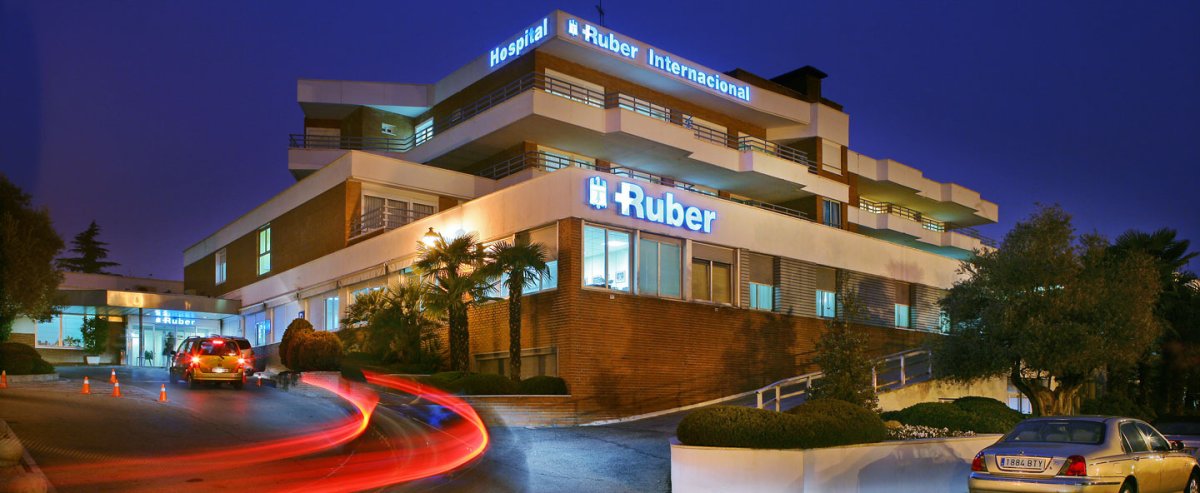


Obtenga una evaluación médica para Pinzamiento anterior del tobillo en España: consulte con doctores experimentados ahora
Ver todos los médicos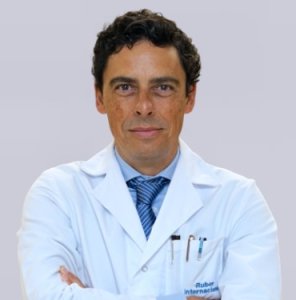
Pablo De La Cuadra
El Dr. Pablo de la Cuadra (Pablo Cuadra de la Virgili) es cirujano ortopédico y traumatólogo en Madrid. Está especializado en lesiones deportivas y cirugía de hombro en el Hospital Ruber Internacional, donde ejerce desde 1999. Cuenta con más de 25 años de experiencia. Dirige una unidad multidisciplinar y un equipo especializado en traumatología. Es un experto reconocido en trastornos complejos del hombro y utiliza técnicas artroscópicas y reconstructivas avanzadas para la inestabilidad y las
Compartir contenido
Historias en video de pacientes de Bookimed
 Olena Sikoza
Preguntas frecuentes sobre el tratamiento de Pinzamiento anterior del tobillo en España
¿Qué métodos de diagnóstico se utilizan en España para confirmar el pinzamiento anterior de tobillo?
Los especialistas españoles utilizan exámenes clínicos e imágenes para confirmar el pinzamiento anterior de tobillo. El diagnóstico comienza con la prueba de Molloy para reproducir el dolor mediante dorsiflexión forzada. Centros líderes como el Hospital Ruber Internacional utilizan resonancia magnética de 3 Teslas y radiografías con carga para identificar espolones óseos o atrapamiento de tejidos blandos.
- Evaluación clínica: Los especialistas realizan maniobras provocativas como la prueba de Molloy para evaluar el dolor.
- Radiografía digital: Las vistas con carga identifican osteofitos óseos en el cuello tibial o talar.
- Resonancia magnética avanzada: Los escáneres de 3 Teslas evalúan la hipertrofia sinovial y descartan lesiones cartilaginosas.
- Ecografía dinámica: El escaneo en tiempo real visualiza el pinzamiento de tejido durante el movimiento activo del tobillo.
- Infiltración diagnóstica: Las inyecciones de anestésico local confirman el pinzamiento si el dolor desaparece temporalmente.
Opinión del experto de Bookimed: Aunque las radiografías son el estándar, los centros acreditados por la JCI en Madrid, como el Hospital Ruber Internacional, a menudo priorizan la resonancia magnética de 3 Teslas para casos complejos. El Dr. Pablo de la Cuadra señala que la imagen de alta resolución es vital para los atletas de é
¿Cuándo es necesaria la cirugía y qué técnica se prefiere en España?
La cirugía es necesaria para el pinzamiento anterior de tobillo cuando el dolor crónico o la pérdida de movimiento persisten después de una terapia no invasiva. Los especialistas españoles indican la cirugía ante bloqueos mecánicos o rehabilitación fallida. La artroscopia de tobillo es la técnica preferida. Este enfoque mínimamente invasivo utiliza pequeñas incisiones para eliminar espolones óseos o tejido cicatricial.
- Requisito quirúrgico: La intervención sigue al fracaso de la fisioterapia, inyecciones o modificación de actividades.
- Técnica preferida: Los cirujanos priorizan la artroscopia de tobillo para evitar grandes incisiones abiertas.
- Objetivo principal: El procedimiento elimina espolones óseos o tejido inflamado que causa el pinzamiento articular.
- Beneficios clínicos: La cirugía por orificios reduce el dolor postoperatorio y asegura un retorno más rápido a la movilidad.
Perspectiva del experto de Bookimed: Las unidades ortopédicas españolas como el Hospital Ruber Internacional aprovechan una gran experiencia quirúrgica. El Dr. Pablo De La Cuadra cuenta con más de 25 años de experiencia en traumatología deportiva y artroscopia. Esta profundidad de experiencia es vital porque un desbridamiento exitoso requiere una identificación precisa de la fuente del pinzamiento. Los centros de alto volumen a menudo combinan la resonancia magn
¿Qué terapias conservadoras se ofrecen antes de una cirugía en España?
Las clínicas españolas priorizan las terapias conservadoras para el pinzamiento anterior de tobillo con el fin de reducir la inflamación y estabilizar la articulación. Los protocolos estándar incluyen fisioterapia especializada, modificación de actividades y manejo farmacológico. Estos métodos no quirúrgicos tienen como objetivo restaurar la movilidad. También cumplen con los requisitos de las instalaciones acreditadas por la JCI para ensayos de atención conservadora documentados.
- Fisioterapia: Se centra en la flexibilidad de la pantorrilla, la movilidad del tobillo y ejercicios de estabilización articular.
- Modificación de actividades: Incluye evitar la dorsiflexión repetida, saltos o posiciones de sentadilla profunda.
- Manejo del dolor: Utiliza medicamentos antiinflamatorios no esteroideos e inyecciones dirigidas de corticosteroides o ácido hialurónico.
- Soporte ortopédico: Utiliza aparatos ortopédicos personalizados, vendajes o calzado de apoyo para limitar la irritación.
Perspectiva del experto de Bookimed: Los indicadores de calidad en España a menudo se vinculan con altos volúmenes de consulta. El Hospital Ruber Internacional atendió más de 93,000 consultas en 2022. Este volumen sugiere que especialistas como el Dr. Pablo De La Cuadra manejan frecuentemente casos complejos sin cirugía inmediata. Busque clínicas con certificaciones IS
¿Cuál es el cronograma de recuperación típico después de un desbridamiento artroscópico?
La recuperación del pinzamiento anterior de tobillo después de un desbridamiento artroscópico toma de 4 a 6 semanas para las actividades diarias. La curación completa de la articulación generalmente requiere de 3 a 6 meses. Este procedimiento mínimamente invasivo permite el alta el mismo día. La fisioterapia formal generalmente comienza dentro de 1 a 2 semanas para restaurar la flexibilidad.
- Estancia hospitalaria: Los pacientes regresan a casa el mismo día como un procedimiento ambulatorio.
- Carga de peso inicial: A menudo se fomenta la carga de peso parcial dentro de los primeros 1 a 3 días.
- Retirada de puntos: Los cirujanos generalmente retiran los puntos no absorbibles alrededor de 7 a 10 días después de la cirugía.
- Regreso al deporte: Las actividades o deportes de alto impacto generalmente se reanudan entre los 3 y 6 meses.
Perspectiva del experto de Bookimed: Los centros españoles como el Hospital Ruber Internacional integran equipos de traumatología especializados con rehabilitación avanzada. El Dr. Pablo De La Cuadra aporta más de 25 años de experiencia a estos procedimientos. Elegir un centro con acreditación JCI garantiza que los protocolos postoperatorios cumplan con estrictos estándares internacionales de seguridad.
Consenso de los pacientes: Los pacientes señalan que caminar mejora rápidamente, pero en
¿Es España un destino reconocido para la medicina deportiva artroscópica de alta calidad?
España es un líder mundial en medicina deportiva artroscópica. Cuenta con protocolos quirúrgicos avanzados y atención atlética de élite. Muchos centros cuentan con la acreditación de la Joint Commission International (JCI). Los especialistas españoles reportan tasas de éxito del 85% al 90% en artroscopia ortopédica. Los pacientes acceden a tratamientos de nivel élite utilizados por atletas profesionales.
- Experiencia especializada: Cirujanos como el Dr. Pablo De La Cuadra se centran en la traumatología deportiva.
- Certificaciones clínicas: Los centros de primer nivel mantienen los estándares de la Joint Commission International (JCI) e ISO.
- Alto volumen: El Hospital Ruber Internacional realiza más de 6,000 cirugías al año.
- Imagenología avanzada: Los centros utilizan resonancia magnética de 3 Teslas para diagnósticos precisos de pinzamiento de tobillo.
Perspectiva del experto de Bookimed: Una ventaja importante en España es la alta especialización de los cirujanos dentro de hospitales a gran escala. En el Hospital Ruber Internacional, equipos separados se centran exclusivamente en la traumatología específica de las articulaciones en lugar de la ortopedia general. Esta concentración de experiencia es evidente en su volumen de 93,000 consultas anuales. Para un pinzamiento, esto significa que su cirujano probablemente realiza cientos de artro
¿Cubre el seguro médico internacional la artroscopia anterior de tobillo en España?
El seguro médico internacional suele cubrir la artroscopia anterior de tobillo en España cuando es médicamente necesaria. Las pólizas generalmente requieren documentación de tratamientos conservadores fallidos o imágenes diagnósticas claras. La cobertura depende de los beneficios mundiales. La mayoría de las aseguradoras excluyen las condiciones preexistentes a menos que estén específicamente incluidas en los planes premium.
- Necesidad médica: Las aseguradoras requieren prueba de dolor o inestabilidad.
- Autorización previa: La aprobación por escrito es obligatoria antes de programar la cirugía.
- Tipo de centro: La facturación directa es común en hospitales privados acreditados por la JCI.
- Restricciones de red: Utilice clínicas aprobadas como el Hospital Ruber Internacional.
Opinión de expertos de Bookimed: Los pacientes a menudo pasan por alto que los mejores especialistas ortopédicos de España, como el Dr. Pablo De La Cuadra, operan en centros privados de gran volumen como el Hospital Ruber Internacional. Este centro gestiona más de 6.000 cirugías al año. Elegir instituciones tan establecidas simplifica el proceso de reclamación al seguro porque sus departamentos de facturación tienen experiencia con estándares internacionales como la JCI. Proporcionan las facturas detalladas precisas y la codificación quirúrgica que las aseguradoras requ
¿Cuánto tiempo debe permanecer un paciente internacional en España después de una cirugía?
Los pacientes internacionales suelen permanecer en España de 14 a 21 días después de una cirugía ortopédica. Este plazo garantiza una cicatrización segura de la herida y permite la retirada de los puntos. Los cirujanos proporcionan un certificado de aptitud para volar tras evaluar la movilidad y la inflamación para evitar complicaciones durante el viaje aéreo.
- Complejidad del procedimiento: Las estancias de recuperación oscilan entre 14 días para una artroscopia y 21 días para reconstrucciones.
- Gestión de heridas: Los equipos especializados suelen retirar los puntos quirúrgicos alrededor del décimo día postoperatorio.
- Seguridad en el vuelo: Las estancias prolongadas reducen los riesgos de inflamación y coágulos sanguíneos durante los cambios de presión atmosférica.
- Atención especializada: El Hospital Ruber Internacional mantiene la acreditación JCI para protocolos de seguimiento quirúrgico de alto nivel.
Perspectiva de expertos de Bookimed: España atrae a muchos atletas para recibir atención ortopédica especializada gracias a centros privados como el Hospital Ruber Internacional. Estas instalaciones realizan más de 6.000 cirugías al año y ofrecen unidades de rehabilitación integradas. Elegir una clínica con fisioterapia in situ a menudo acorta el tiempo necesario antes de que un paciente pueda moverse de forma segura e independiente por