Ir a inicio
820К+ pacientes han recibido asistencia desde 2014
50 países
1,500 clínicas
6K+ reseñas
3K+ médicos calificados

¿Cuál es el precio del diagnóstico y los tratamientos de Pinzamiento anterior del tobillo en Corea del Sur? Descubra ahora

El precio se proporciona bajo petición

Sus beneficios y garantías con Bookimed

Precios directos

Bookimed no añade cargos extra a los precios de los tratamientos de Pinzamiento anterior del tobillo. Las tarifas proceden de las listas de precios oficiales de las clínicas. Pagará directamente en la clínica por su tratamiento a su llegada al país.

Sólo clínicas y médicos verificados

Bookimed está comprometido con su seguridad. Solo trabajamos con las clínicas que mantienen altos estándares internacionales en el tratamiento de Pinzamiento anterior del tobillo y cuentan con las licencias necesarias para atender a pacientes internacionales en todo el mundo.

Asistencia 24/7 gratuita

Bookimed ofrece asistencia experta gratuita. Un coordinador médico personal le apoya antes, durante y después de su tratamiento, resolviendo cualquier problema. Nunca estará solo en su viaje médico de tratamiento de Pinzamiento anterior del tobillo.

¿Por qué nosotros?

Su coordinador médico personal de Bookimed

  • Le apoya en cada etapa
  • Ayuda a elegir la clínica y el médico adecuados
  • Asegura un acceso rápido y conveniente a la información

Descubra las mejores clínicas de tratamiento de Pinzamiento anterior del tobillo en Corea del Sur: 1 opciones verificadas y Precios

El ranking de clínicas de Bookimed se basa en algoritmos de data science, ofreciendo una comparación confiable, transparente y objetiva. Tiene en cuenta la demanda de pacientes, las puntuaciones de reseñas (positivas y negativas), la frecuencia de actualización de opciones de tratamiento y precios, la rapidez de respuesta y las certificaciones de las clínicas.

Obtenga una evaluación médica para Pinzamiento anterior del tobillo en Corea del Sur: consulte con doctores experimentados ahora

Ver todos los médicos
verificado

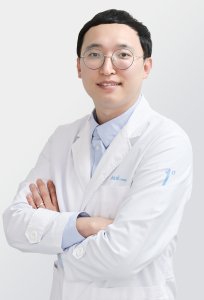
Jang Hyo Kim

36 años de experiencia

El Dr. Jang Hyo Kim es cirujano ortopédico centrado en la preservación articular y la reconstrucción compleja. Se especializa en artroscopia de hombro, rodilla, tobillo, codo y muñeca. Realiza reemplazos articulares de hombro, rodilla, tobillo, codo y cadera. En columna, realiza instrumentación y fusiones cervicales y lumbares. También efectúa discectomías, laminectomías, neuroplastias y vertebroplastias. Su práctica incluye el tratamiento de fracturas y la reparación de músculos y ligamentos.

Es profesor adjunto en la Universidad Kyung Hee. Se desempeña como director del Centro de Articulaciones en Very Good Hospital. Anteriormente fue jefe o director en los hospitales Yeonggwang General, Songjeong Sarang, Sewoori–Daejeon, Seoul Welfare y The Barun. Fue miembro asesor de la Junta de Compensación Laboral de Gwangju–Jeonnam. Es miembro de pleno derecho de la Korean Orthopaedic Association (KOA) y de las sociedades coreanas de Artroscopia, Rodilla, Medicina del Deporte, Cadera, Dolor y Obesidad. Cuenta con certificación en terapia TPI. Completó una beca Ilizarov en Kurgan, Rusia. También completó formación en artroscopia de hombro.

verificado

Woo Kyung Kwak

9 años de experiencia

El Dr. Woo Kyung Kwak es cirujano ortopédico. Está especializado en cirugía mínimamente invasiva del pie y el tobillo (MICA para hallux valgus). También trata lesiones deportivas y realiza artroplastia total de rodilla, así como artroscopia avanzada de hombro y rodilla.

Obtuvo el título de médico (MD) y un máster en ciencias (MS) en la Universidad Nacional de Chonnam. Completó una beca de subespecialización en el Hospital de la Universidad Nacional de Chonnam. Se desempeñó como jefe de Cirugía Ortopédica en el Hospital de las Fuerzas Armadas de Daejeon. Fue miembro sénior del Comité de Investigación Médica del Ministerio de Defensa Nacional.
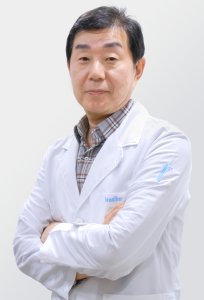
Es miembro de pleno derecho de las Sociedades Coreanas de Ortopedia, Artroscopia, Rodilla, Pie y Tobillo, Medicina del Deporte y Fracturas. Es miembro vitalicio de la Sociedad Coreana de Hombro y Codo. Es revisor de revistas de Springer Nature. Completó la formación avanzada de Arthrex, el curso AO Trauma, la certificación en terapia TPI y el Diploma FIFA en Medicina del Fútbol.

Compartir contenido

Historias en video de pacientes de Bookimed

Dayana
Combiné mis vacaciones en Antalya con un chequeo médico.
Procedimiento: Chequeo femenino
Igor
¡Fue genial! Traslados, alojamiento, tratamiento, todo incluido.
Procedimiento: Implante dental
Clínica: WestDent Clinic
Marina
Bookimed se encargó de todo. No tuve que preocuparme por nada.
Procedimiento: Chequeo femenino
Actualizado: 03/18/2026
Escrito por
Olena Sikoza
Olena Sikoza
Сopywriter en español
Copywriter médica certificada responsable del contenido en español de Bookimed. Más de 7 años de experiencia en redacción sobre salud y turismo médico, con formación académica en edición científica y desarrollo de contenidos.
Fahad Mawlood
Editor médico y Científico de datos
Médico general. Ganador de 4 premios científicos. Sirvió en Asia Occidental. Es el ex jefe del equipo médico que soporta a pacientes de habla árabe. Ahora es responsable del procesamiento de datos y la precisión del contenido médico.
Fahad Mawlood Linkedin
Esta página puede incluir información relacionada con diversas afecciones médicas, tratamientos y servicios de salud disponibles en diferentes países. Tenga en cuenta que el contenido se proporciona sólo con fines informativos y no debe interpretarse como asesoramiento médico o orientación. Por favor consulte con su médico o con un profesional médico calificado antes de comenzar o cambiar el tratamiento médico.

Preguntas frecuentes sobre el tratamiento de Pinzamiento anterior del tobillo en Corea del Sur

Estas preguntas frecuentes provienen de pacientes reales que buscan atención médica a través de Bookimed. Las respuestas son proporcionadas por coordinadores médicos experimentados y representantes autorizados de las clínicas.

What are the best hospitals in South Korea for anterior ankle impingement treatment?

Top hospitals in South Korea for anterior ankle impingement include Asan Medical Center, Gangnam Severance, and Leadheal Hospital. These centers specialize in minimally invasive ankle arthroscopy. Leading orthopedic surgeons often hold certifications from the Korean Foot and Ankle Society. This ensures expert management of mechanical joint blockages.

  • Asan Medical Center: Ranked highly for orthopedics with advanced arthroscopy for complex pathologies.
  • Leadheal Hospital: Treats 44,000 patients annually using tailored plans for sports injuries.
  • Gangnam Severance: Provides specialized foot care through the prestigious Yonsei University Health System.
  • Specialized expertise: Surgeons like Dr. Jang Hyo Kim specialize specifically in ankle arthroscopy.

Bookimed Expert Insight: Leadheal Hospital records over 44,000 annual patients despite having only 5 doctors. This high volume suggests experts like Dr. Woo Kyung Kwak, who holds a FIFA Diploma in Football Medicine, maintain exceptional procedural speed. Patients seeking faster recovery should target such specialized sports medicine hubs over general orthopedic clinics.

Patient Consensus: Patients emphasize finding a dedicated foot and ankle specialist to avoid misdiagnosis. Many note that anterior impingement is frequently mistaken for a simple sprain before seeing an expert.

Is surgery always necessary for anterior ankle impingement?

Surgery is not always necessary for anterior ankle impingement. Doctors usually reserve it as a last resort. Conservative treatments like physical therapy and activity modification often resolve symptoms. Surgery is only considered if chronic pain persists after months of non-surgical care.

  • Initial approach: Specialized clinics focus on rest, activity modification, and targeted physical therapy.
  • Injection therapy: Specialists like Dr. Jang Hyo Kim may use trigger point injections.
  • Diagnostic priority: Doctors identify the pain generator before suggesting any surgical intervention.
  • Surgical triggers: Operation is recommended for mechanical catching or failed conservative rehabilitation.

Bookimed Expert Insight: Leadheal Hospital serves over 44,000 patients annually with a high focus on functional recovery. Their specialists, such as those from the Korean Foot and Ankle Society, emphasize personalized load management. This high patient volume allows surgeons to distinguish between soft-tissue impingement and bony spurs accurately.

Patient Consensus: Patients note that improving strength and managing activity loads often prevents the need for an operation. Those who choose surgery emphasize identifying exactly where the pinching occurs to ensure the procedure is effective.

What does anterior ankle impingement surgery (arthroscopy) involve in Korea?

Anterior ankle impingement surgery in Korea involves a minimally invasive arthroscopic procedure to remove bone spurs or inflamed tissue. Surgeons use small 2.7 mm 4K scopes through 1–2 tiny incisions. This specialized approach relieves chronic pinching pain and restores the ankle joint range of motion.

  • Precision instruments: Surgeons use specialized shavers to resect bony osteophytes and inflamed soft tissues.
  • Surgical expertise: Specialists like Dr. Woo Kyung Kwak specialize in minimally invasive ankle procedures.
  • Immediate mobility: Patients often begin partial weight-bearing in a walking boot shortly after surgery.
  • Modern facilities: Leadheal Hospital in Seoul utilizes endoscopic technologies and treats over 44,000 patients annually.

Bookimed Expert Insight: Korean orthopedic centers demonstrate high efficiency by integrating rapid diagnostic imaging with surgical scheduling. Dr. Jang Hyo Kim at Leadheal Hospital holds an adjunct professorship and specialized training in arthroscopy. Patients benefit from surgeons who maintain memberships in the Korean Foot and Ankle Society. This specific credentialing ensures the surgeon focuses on complex joint mechanics rather than general orthopedics.

Patient Consensus: Patients note that while the procedure is minimally invasive, recovery requires patience to manage lingering swelling. Reaching the goal of full dorsiflexion without pinching often takes several months of dedicated physical therapy.

How long is recovery after ankle impingement surgery in Korea?

Ankle impingement recovery in Korea takes 3 to 4 months for full activity. Patients typically start weight-bearing within 2 weeks using arthroscopic techniques. Initial healing involves splints or boots. Korean orthopedic specialists prioritize early mobilization and intensive physiotherapy to restore range of motion quickly.

  • Initial mobility: Weight-bearing often begins 2 to 4 weeks after the procedure.
  • Suture removal: Surgeons usually remove stitches between day 7 and day 14.
  • Return to work: Desk-based professional tasks are manageable after 1 to 2 weeks.
  • High-impact sports: Patients generally resume running and jumping at 4 to 6 months.

Bookimed Expert Insight: Leadheal Hospital in Seoul handles over 44,000 patients annually. Specialists here, like Dr. Woo Kyung Kwak, hold advanced certifications such as the FIFA Diploma in Football Medicine. This volume and expertise suggest Korean clinics excel at sport-specific debridement. Patients seeking return-to-sport protocols benefit from surgeons specifically trained in athletic trauma and arthroscopy.

Patient Consensus: Patients note the ankle feels mechanically stable early on, but swelling persists during travel or standing. Many emphasize that while pain drops quickly, true flexibility takes months of dedicated physical therapy.

How is anterior ankle impingement diagnosed in Korea?

Anterior ankle impingement diagnosis in Korea prioritizes clinical examination followed by advanced imaging. Korean specialists use the Forced Dorsiflexion Test alongside weight-bearing X-rays to identify bony spurs. Magnetic resonance imaging is standardized to detect soft tissue entrapment, synovial thickening, and underlying cartilage damage.

  • Clinical evaluation: Specialists assess pain during squatting and the forced dorsiflexion orthopedic test.
  • Radiologic protocols: Weight-bearing X-rays identify tibial or talar osteophytes commonly found in athletes.
  • Advanced imaging: Magnetic resonance imaging reveals synovitis and ligamentous thickening like the anteroinferior tibiofibular ligament.
  • Diagnostic arthroscopy: Surgeons use minimally invasive scopes to visualize fibrous tissue when imaging is inconclusive.

Bookimed Expert Insight: Korean orthopedic facilities like Leadheal Hospital handle over 44,000 patients annually with a focus on sports-related joint preservation. Surgeons like Dr. Woo Kyung Kwak hold specialized FIFA Diplomas in Football Medicine. This expertise ensures that impingement is diagnosed through the lens of athletic biomechanics rather than treating it as a generic chronic sprain.

Patient Consensus: Patients note that Korean specialists move quickly from initial exams to magnetic resonance imaging if standard X-rays appear normal. Many emphasize asking for a foot and ankle specialist early to avoid being misdiagnosed with simple tendonitis.

What are the key symptoms of anterior ankle impingement?

Key symptoms of anterior ankle impingement include sharp pain at the front joint line. Patients experience mechanical blocking when lifting the foot toward the shin. This condition often stems from bone spurs or soft tissue pinching. It frequently limits activities like squatting or running uphill.

  • Anterior pain: Sharp discomfort occurs at the front or front-outside ankle joint line.
  • Mechanical blocking: Patients feel a pinching sensation when bringing the knee over the toes.
  • Reduced mobility: Stiffness limits the ability to bend the ankle fully upward toward the shin.
  • Activity-linked soreness: Symptoms worsen during deep squats, descending stairs, or high-impact athletic landings.
  • Joint tenderness: The front area of the ankle feels sensitive when applying direct pressure.

Bookimed Expert Insight: High-volume Korean centers like Leadheal Hospital manage over 44,000 patients annually. Our data shows specialists there often hold memberships in the Korean Foot and Ankle Society. Dr. Woo Kyung Kwak is a prime example of this focused expertise. These specialists typically use advanced arthroscopy to address impingement while preserving joint function.

Patient Consensus: Patients note the pain feels like a physical block rather than a simple ache. Many mention that rest helps temporarily, but the pinching returns immediately during sports or deep bending.

Pedir una consulta gratis

Seleccione la mejor manera de contactarle