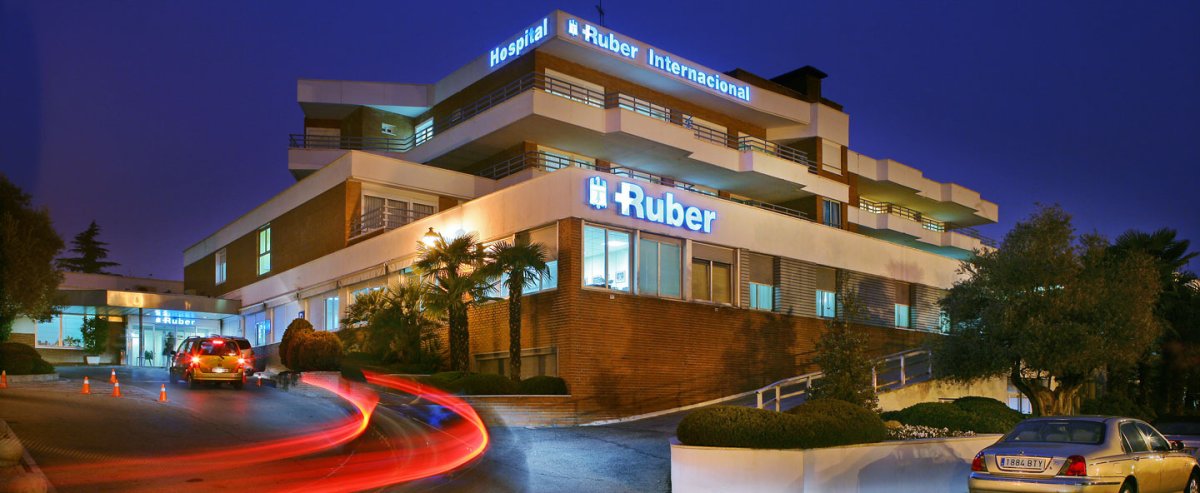
Centro Médico Teknon
España, Barcelona
Fermín Mearin Manrique
47 años de experiencia

acreditaciones : 



Clínica certificada por : 





Revisado médicamente por
Fahad Mawlood
De $120
Costos típicos del tratamiento de la cirrosis en España
Perspectiva de los expertos de Bookimed: Los pacientes con cirrosis avanzada se benefician de los equipos multidisciplinarios que se encuentran en los centros acreditados por la JCI en Barcelona. El Centro Médico Teknon es ideal para casos complejos, contando con médicos como el profesor Fermín Mearin Manrique, con 40 años de experiencia. Para aquellos que buscan terapias innovadoras, los centros españoles ofrecen protocolos de células madre que son más accesibles que en los EE. UU. Grandes instalaciones como el Hospital HM Nou Delfos atienden a 400,000 pacientes anualmente, lo que garantiza una alta competencia clínica.
| España | Turquía | México | |
|---|---|---|---|
| Tratamiento con células madre para cirrosis hepática | ≈ $9,000 | de $11,900 | de $3,600 |
| Trasplante de hígado | de $150,000 | de $45,000 | de $110,000 |
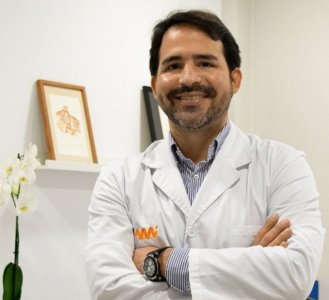
Especialista líder en el tratamiento de la hepatitis en el Centro Médico Teknon – el Prof. Mearin combina 47 años de experiencia en gastroenterología con investigación en la Clínica Mayo.
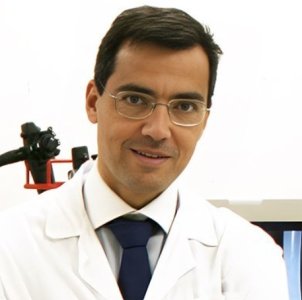
El Dr. José Miguel Esteban López-Jamar es gastroenterólogo. Desde 2007 dirige las Unidades de Endoscopia Digestiva y Enfermedades Digestivas del Hospital Ruber Internacional. Cuenta con más de 20 años de experiencia. Es pionero en España en ecoendoscopia (EUS). Su trabajo abarca la endoscopia diagnóstica e intervencionista. Emplea técnicas innovadoras y mínimamente invasivas para enfermedades gastrointestinales complejas.
Fue jefe de Endoscopia (2008–2012) y de Innovación Endoscópica (

Pionero en España en disección submucosa endoscópica – introdujo esta técnica en Andalucía en 2011. También fue el primero en el mundo en utilizar el stent AXIOS de 15 mm para el drenaje de líquido pancreático.
 Olena Sikoza
España es líder mundial en trasplantes de órganos. Ofrece un alto nivel de seguridad para pacientes extranjeros que requieren un trasplante de hígado. El país mantiene tasas de éxito del 85% al 90% en casos de cirrosis. Centros especializados en Madrid y Barcelona reportan tasas de supervivencia anuales que alcanzan el 99%. La estricta normativa nacional garantiza altos estándares éticos.
Opinión experta de Bookimed: Si bien muchos se centran en donantes fallecidos, los pacientes internacionales encuentran un acceso más rápido a través de programas de trasplante con donantes vivos en redes privadas como HM Hospitals. Estas instituciones atienden a más de 400 000 pacientes al año. Este volumen les permite o
Los hepatólogos y cirujanos de trasplante españoles reciben al menos 10-11 años de formación médica intensiva. Esta incluye seis años de estudios de medicina, seguidos de un programa de residencia competitivo de cuatro a cinco años, conocido como MIR. Los especialistas suelen completar becas de especialización en centros de alto volumen para dominar técnicas complejas de trasplante hepático.
Opinión experta de Bookimed: El sistema médico español es único porque sus cirujanos de élite suelen trabajar tanto en el prestigioso sector público como en el privado. Por ejemplo, el profesor Fermín Méarín Manrique, del Centro Médico Teknon, aporta a su práctica privada más de 40 años de experiencia y 400 publicaciones científicas. Si bien hospitales públicos como La Fe lideran en volume
España ofrece tratamientos avanzados no trasplantológicos para la cirrosis, centrados en el control de la hipertensión portal y la función hepática. Entre las intervenciones clave se incluyen las derivaciones portosistémicas intrahepáticas transhepáticas (TIPS) y la ligadura vascular endoscópica. Los centros de referencia ofrecen terapias farmacológicas como la terlipesina y la rifaximina. Algunas clínicas también ofrecen terapia regenerativa con células madre.
Opinión de expertos de Bookimed: Si bien muchos pacientes recurren a grandes cadenas públicas, centros privados como el Centro Médico Teknon y el Hospital HM Nou Delfos ofrecen un acceso mucho más rápido a especialistas como el profesor Fermín Méarín Manric. Estas clínicas atienden a más de 10 000 pacientes al añ
La recuperación tras el tratamiento de la cirrosis en España suele durar de 2 a 4 semanas. La mayoría de los pacientes permanecen hospitalizados entre 7 y 14 días. Se requieren entre 1 y 2 semanas adicionales para la recuperación local. Este tiempo permite realizar análisis de sangre de control y asegurar que el paciente esté en condiciones de viajar.
Opinión experta de Bookimed: Grandes centros en España, como Barcelona y Madrid, cuentan con una enorme capacidad y atienden a más de 400.000 pacientes al año en instalaciones médicas como el Hospital HM Nou Delfos. Los datos muestran que, para casos hepáticos complejos, elegir un centro acreditado por la JCI, como el Centro Médico Teknon, es fundamental. Estos centros disponen de infraestructura especializada para gestionar los tiempos de recuperación impredecibles típicos del
La elegibilidad para el tratamiento de la cirrosis en España depende de la estabilidad clínica y de las puntuaciones MELD o Child-Pugh. Muchas clínicas españolas exigen que los pacientes internacionales tengan una puntuación MELD inferior a 20. Además, deben presentar un informe de la consulta con un hepatólogo, los resultados de una resonancia magnética abdominal y un análisis bioquímico de sangre para confirmar su idoneidad para procedimientos como un trasplante de hígado o una terapia con células madre.
Opinión de expertos de Bookimed: España es líder mundial en hepatología, y centros como el Centro Médico Teknon atienden a 10.000 pacientes al año. Si bien muchos se centran en la cirugía, nuestros datos muestran que los especialistas más destacados suelen tener más de 25 años de experiencia en técnicas endoscópicas especial
Los procedimientos TIPS y las cirugías hepáticas laparoscópicas producen cicatrices mínimas. El procedimiento TIPS requiere solo una pequeña incisión en el cuello, que generalmente no necesita suturas. La cirugía laparoscópica implica de 3 a 5 pequeñas incisiones abdominales. Estas cicatrices suelen desvanecerse hasta convertirse en líneas apenas perceptibles en un plazo de 6 a 18 meses.
Según Bookimed, centros españoles como el Hospital HM Nou Delfos utilizan técnicas de imagen de alta precisión para mapear las vías vasculares antes del procedimiento TIPS. Esto permite a especialistas como el Dr. Sánchez Yage utilizar stents ultrafinos de 15 mm de diámetro. Estos diminutos instrumentos garantizan que la punción en el cuello quede como una marca puntual, que suele desaparecer por completo en pocas semanas.
Comentarios de los pacientes: Los pacientes señalan que la cicatriz en el cuello después de la cirugía TIPS