Cirrosis Tratamiento en Emiratos Árabes Unidos — Costos 2026


Revisado médicamente por
Fahad Mawlood
¿Cuál es el precio del diagnóstico y los tratamientos de Cirrosis en Emiratos Árabes Unidos? Descubra ahora
Cirrhosis treatment cost in United Arab Emirates runs from $150 to $250 for a specialist consultation, while advanced interventions like a liver transplant range from $140,000 to $220,000. Expenses depend on the disease stage, complications like ascites, and clinic accreditation. Patients typically save 20-40% compared to the US. Top cities for liver care include Dubai and Abu Dhabi.
Typical Cirrhosis Treatment Costs in United Arab Emirates
- Consultation with a hepatologist: $150 – $250
- Biochemical blood analysis: $100 – $150
- Abdominal MRI: $450 – $800
- Liver transplant: $140,000 – $220,000
- Stem cell treatment for liver cirrhosis: $14,000 – $28,000
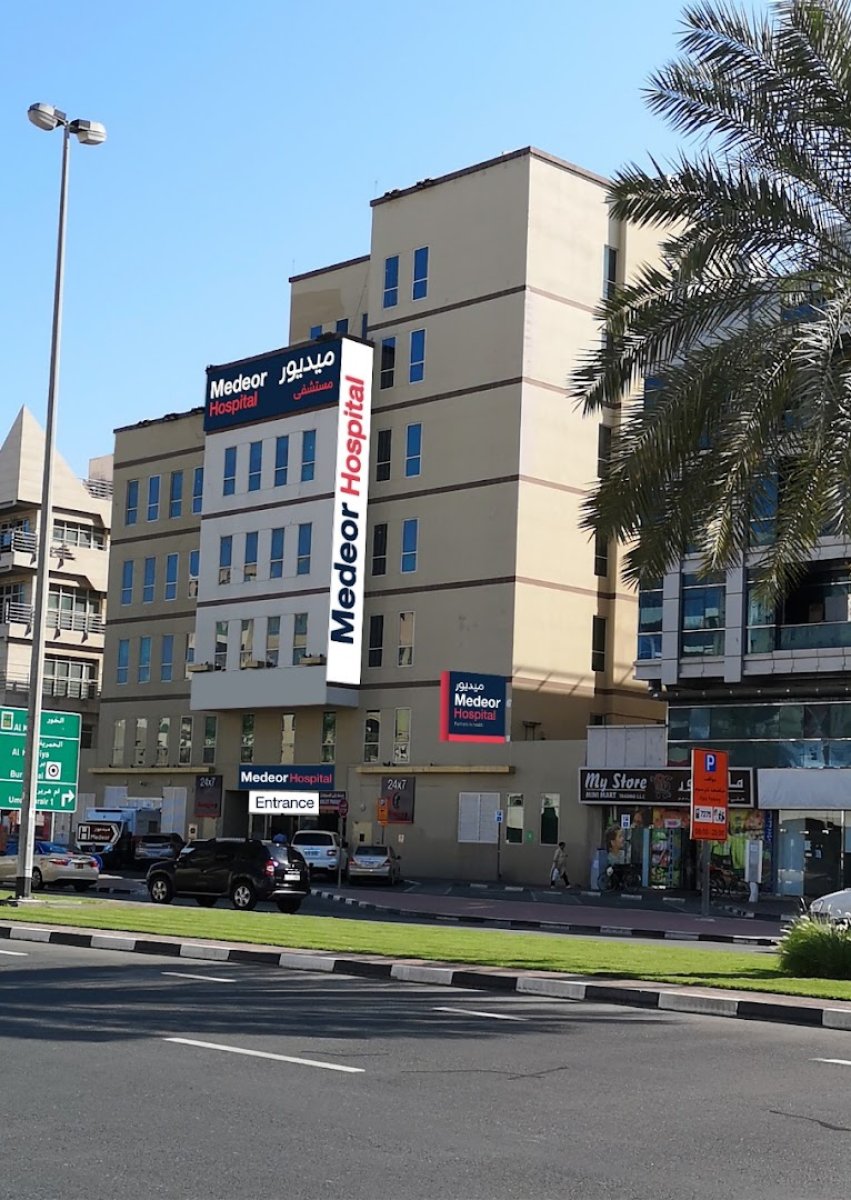
Bookimed Expert Insight: Patients with early-stage cirrhosis benefit from expert diagnostics like liver elastography. Dr. Katayoon Homayoon at Dubai London Hospital specializes in fibroscans for fatty liver assessment. For advanced cases, Medeor Hospital offers Joint Commission International (JCI) accredited care. They provide free airport transfers and visa support. Aster Hospitals in Dubai is ideal for multidisciplinary care with a massive physician network.
| Emiratos Árabes Unidos | España | Turquía | |
|---|---|---|---|
| Tratamiento con células madre para cirrosis hepática | ≈ $14,000 | ≈ $9,000 | ≈ $12,000 |
| Trasplante de hígado | ≈ $140,000 | de $150,000 | de $45,000 |
Sus beneficios y garantías con Bookimed
Precios directos
Bookimed no añade cargos extra a los precios de los tratamientos de Cirrosis. Las tarifas proceden de las listas de precios oficiales de las clínicas. Pagará directamente en la clínica por su tratamiento a su llegada al país.
Sólo clínicas y médicos verificados
Bookimed está comprometido con su seguridad. Solo trabajamos con las clínicas que mantienen altos estándares internacionales en el tratamiento de Cirrosis y cuentan con las licencias necesarias para atender a pacientes internacionales en todo el mundo.
Asistencia 24/7 gratuita
Bookimed ofrece asistencia experta gratuita. Un coordinador médico personal le apoya antes, durante y después de su tratamiento, resolviendo cualquier problema. Nunca estará solo en su viaje médico de tratamiento de Cirrosis.

Su coordinador médico personal de Bookimed
- Le apoya en cada etapa
- Ayuda a elegir la clínica y el médico adecuados
- Asegura un acceso rápido y conveniente a la información
Descubra las mejores clínicas de tratamiento de Cirrosis en Emiratos Árabes Unidos: 2 opciones verificadas y Precios




Hospitales Aster en Dubai (Aster Hospitals, DUBAI)
Obtenga una evaluación médica de tratamiento de Cirrosis en Emiratos Árabes Unidos: haga una consulta con 6 médicos experimentados ahora
Ver todos los médicos
Katayoon Homayoon
La Dra. Homayoon cuenta con más de 13 años de experiencia en medicina interna, centrándose en afecciones hepáticas avanzadas como la cirrosis. Ejerce en el Dubai London Hospital.
- Especialista en hepatología con 13 años de experiencia en gastroenterología
- Formada en la Universidad de Shiraz, sede de un centro de trasplantes de clase mundial
- Realiza pruebas diagnósticas de elastografía hepática (FibroScan)
- Maneja casos complejos, incluyendo cirrosis alcohólica y por hepatitis viral
Compartir contenido
Historias en video de pacientes de Bookimed
 Olena Sikoza
Preguntas frecuentes sobre el tratamiento de Cirrosis en Emiratos Árabes Unidos
¿Existe tratamiento para la cirrosis en los EAU?
La cirrosis hepática avanzada no puede revertirse médicamente una vez que se produce una cicatrización irreversible. Sin embargo, en los EAU se ofrecen procedimientos curativos definitivos, como el trasplante de hígado. Centros especializados en Dubái y Abu Dabi también ofrecen intervenciones modernas. Estos procedimientos detienen la progresión de la enfermedad y manejan eficazmente las complicaciones potencialmente mortales.
- Tratamiento definitivo: El trasplante de hígado es la única opción de tratamiento en caso de insuficiencia hepática terminal.
- Especialistas expertos: La Dra. Katayoun Homayoun del Dubai London Hospital cuenta con más de 10 años de experiencia.
- Procedimientos modernos: Los hospitales Aster en Dubái realizan procedimientos TIPS para el manejo seguro de la hipertensión portal.
- Terapias innovadoras: Algunas instituciones en los EAU ofrecen tratamientos con células madre para ralentizar potencialmente la progresión.
Opinión experta de Bookimed: Aunque muchos buscan tratamiento en Dubái, la infraestructura de trasplante de hígado en los EAU está muy centralizada. La Cleveland Clinic en Abu Dabi sigue siendo el principal centro de trasplantes multiorgánicos. Los pacientes a menudo encuentran listas de espera más cortas aquí en comparación con EE. UU. o el Reino Unido. Elegir una clínica con un hepatólogo dedicado, como e
¿Qué hospitales en los EAU se especializan en cirrosis hepática y trasplantes?
La Cleveland Clinic Abu Dhabi y el King's College Hospital Dubai son los principales centros autorizados para trasplantes de hígado en los EAU. Estas instituciones ofrecen un tratamiento integral para la cirrosis, incluyendo programas de donación de donantes vivos y fallecidos. Hepatólogos especializados gestionan la hipertensión portal y los trastornos metabólicos hepáticos mediante elastografía no invasiva.
- Cleveland Clinic: El primer programa integral de trasplante multiorgánico para pacientes adultos en los EAU.
- King's College: El único hospital en Dubái con licencia para proporcionar servicios de trasplante de hígado para niños y adultos.
- Burjeel Medical City: Un centro privado en Abu Dabi especializado en trasplantes de hígado de donantes vivos y fallecidos.
- Diagnóstico especializado: Las instituciones utilizan FibroScan y resonancia magnética abdominal para estadificar la cirrosis sin necesidad de biopsias.
Opinión de expertos de Bookimed: Aunque Abu Dabi y Dubái cuentan con una infraestructura de clase mundial para trasplantes, el volumen de pacientes sigue siendo un factor distintivo importante. Grandes redes como Aster Hospitals atienden a 20,000,000 de pacientes al año en 55 departamentos, proporcionando un amplio apoyo diagnóstico. Para cirugías complejas, expertos como el Dr. Kayvan Homayoun en el King's College Hospital Du
¿Qué métodos terapéuticos no quirúrgicos se utilizan para tratar la cirrosis?
Los tratamientos no quirúrgicos para la cirrosis tienen como objetivo detener la cicatrización del hígado y controlar las complicaciones potencialmente mortales. El tratamiento incluye medicamentos antivirales para la hepatitis, programas de abstinencia alcohólica y diuréticos para eliminar la acumulación de líquidos. Las clínicas especializadas en Dubái utilizan la tecnología Fibroscan y resonancia magnética para monitorear el estado del hígado y ajustar el tratamiento farmacológico.
- Supresión viral: Los medicamentos antivirales tratan la hepatitis B y C para reducir el daño hepático adicional.
- Control de líquidos: Los diuréticos, como la espironolactona, y las dietas bajas en sal controlan el edema y la ascitis abdominal.
- Hipertensión portal: Los betabloqueantes, como el propranolol, reducen la presión en las venas para prevenir hemorragias internas.
- Eliminación de toxinas: Los laxantes y antibióticos reducen los niveles de amoníaco para tratar la disfunción cerebral o la encefalopatía.
Opinión experta de Bookimed: Los pacientes en los Emiratos Árabes Unidos se benefician de redes de diagnóstico altamente integradas. La especialista Dra. Katayoun Homayoun en el Dubai London Hospital destaca el uso de Fibroscan para el monitoreo no invasivo. Esta tecnología permite a los médicos rastrear la rigidez hepática sin biopsias dolorosas. Los
¿Qué cambios en el estilo de vida recomiendan los hepatólogos de los EAU para pacientes con cirrosis?
Los hepatólogos de los EAU recomiendan cambios específicos en el estilo de vida para prevenir daños hepáticos y controlar complicaciones como la retención de líquidos. Los pacientes deben seguir una dieta rica en proteínas con 3 a 5 comidas pequeñas al día. La abstinencia total de alcohol es obligatoria. Los especialistas en centros como los hospitales Aster enfatizan la necesidad de limitar estrictamente la ingesta de sodio para controlar los edemas.
- Consumo de proteínas: Consuma pollo magro, pescado y lentejas para prevenir la pérdida de masa muscular.
- Frecuencia de las comidas: Coma cada 2 a 3 horas para evitar déficits de energía.
- Limitación de sodio: Limite la sal para controlar la ascitis y las acumulaciones internas de líquido.
- Snack nocturno: Consuma carbohidratos complejos antes de dormir para proteger la masa muscular durante la noche.
- Actividad física: Practique caminatas moderadas y ejercicios de fuerza para mantener la vitalidad.
Opinión de expertos de Bookimed: Los especialistas de los EAU, como la Dra. Katayoun Homayoun en el Dubai London Hospital, prestan especial atención a la salud metabólica junto con la cirrosis. Los datos muestran que las clínicas de la red Aster DM Healthcare, que atienden a 20 millones de pacientes al año, hacen hincapié en el cribado temprano. Se recomienda utilizar la t
¿Cuáles son las principales causas de cirrosis identificadas en las clínicas de los EAU?
Las principales causas de cirrosis en las clínicas de los EAU incluyen la enfermedad hepática esteatósica asociada a disfunción metabólica (MASLD) y la hepatitis viral crónica. Actualmente, la MASLD es la causa principal debido a los altos niveles de obesidad y diabetes. La hepatitis B y C siguen siendo factores importantes que contribuyen a la cicatrización hepática en la región.
- Factores metabólicos: La obesidad y la diabetes tipo 2 son los principales factores de la cicatrización hepática de origen metabólico.
- Hepatitis B: Este virus es un factor de riesgo significativo para el desarrollo de cáncer de hígado en los pacientes.
- Hepatitis C: Muchas infecciones se contrajeron hace décadas, antes de la implementación de protocolos de detección mejorados.
- Enfermedades relacionadas con el alcohol: El daño hepático relacionado con el alcohol se está convirtiendo en una causa creciente, aunque a menudo subestimada, de mortalidad.
Opinión de expertos de Bookimed: La experiencia clínica en centros de Dubái, como el Dubai London Hospital, se centra en una alta precisión diagnóstica utilizando tecnologías como la elastografía hepática. Gastroenterólogos como la Dra. Katayoun Homayoun utilizan estos escaneos no invasivos para detectar cicatrices en etapas tempranas. Esto permite intervenir antes de que los pacientes necesiten tratamientos más inva
¿Cómo se diagnostica y estadifica la cirrosis en los hospitales de los EAU?
En los hospitales de los EAU, la cirrosis se diagnostica y estadifica utilizando imágenes no invasivas, biomarcadores sanguíneos y sistemas de puntuación clínica. Especialistas en centros como el London Hospital en Dubái y los Hospitales Aster emplean FibroScan y elastografía hepática para medir el tejido cicatricial. Estos métodos a menudo reemplazan las biopsias invasivas para evaluar la progresión de la enfermedad.
- Imagenología diagnóstica: FibroScan y resonancia magnética detectan la rigidez hepática, nódulos e irregularidades en la superficie.
- Paneles de laboratorio: Los análisis de sangre evalúan enzimas, bilirrubina, albúmina y marcadores de coagulación (INR).
- Evaluación de fibrosis: Los índices FIB-4 y APRI estiman la probabilidad de cicatrización hepática significativa.
- Estadificación clínica: Los índices de Child-Pugh y MELD-Na categorizan la gravedad de la enfermedad y la urgencia del trasplante.
Opinión experta de Bookimed: Los datos muestran que los especialistas en los EAU, como la Dra. Katayoun Homayoun, se centran en la elastografía hepática para evitar biopsias invasivas. Esto es crítico en el sector privado de Dubái, donde la estadificación rápida de la enfermedad es una prioridad. Hospitales como Aster atienden a 20.000.000 de pacientes anualmente, lo que demuestra una alta capacidad para procedimientos diagnósticos e
¿Cuánto tiempo deben esperar los turistas médicos para una evaluación de cirrosis o preparación para un trasplante?
Los turistas médicos en los Emiratos Árabes Unidos generalmente necesitan de 10 a 21 días para una evaluación integral de la cirrosis hepática o la preparación para un trasplante. Este período incluye métodos de diagnóstico especializados como la resonancia magnética abdominal y la elastografía hepática. Los pacientes a menudo necesitan días adicionales para renovar la visa o para consultas de seguimiento inesperadas.
- Evaluación inicial: Los exámenes clínicos suelen tomar de 3 a 7 días para pacientes estables.
- Etapa avanzada: Procedimientos como FibroScan o EUS pueden extender la estancia hasta 14 días.
- Herramientas de diagnóstico: Las instituciones utilizan análisis bioquímicos de sangre y resonancia magnética para una evaluación precisa según la escala MELD.
- Acceso a expertos: Especialistas como la Dra. Katayoun Homayoon brindan consultas de hepatología para confirmar la elegibilidad para el trasplante.
Opinión de expertos de Bookimed: Los datos muestran que la evaluación de las capacidades antes del viaje es crucial, ya que los hospitales Aster en Dubái atienden a 20 000 000 de pacientes anualmente en su red. Los grandes volúmenes pueden afectar la velocidad de programación de biopsias complejas. La elección de centros con más de 2 900 médicos garantiza una revisión interdisciplinaria más rápida, necesaria para la lista de espera de