Brackets para adolescentes en España: clínicas verificadas y sus precios


Revisado médicamente por
Fahad Mawlood
¿Cuál es el precio de Brackets para adolescentes en España? Descubra ahora
El costo de los brackets para adolescentes en España suele oscilar entre $3,000 y $6,000. El precio depende del tipo de brackets (metálicos, cerámicos o alineadores transparentes), la experiencia del ortodoncista y la complejidad del caso. En Estados Unidos, el costo promedio es de $5,500 (según la AAO). Esto significa que los brackets para adolescentes en España cuestan aproximadamente un 45% menos que en EE. UU.
Las clínicas españolas suelen incluir la consulta inicial, radiografías dentales, un plan de tratamiento personalizado, colocación de brackets, ajustes regulares, visitas de seguimiento y atención en inglés las 24 horas. En EE. UU., el precio base puede no cubrir todas las radiografías, ajustes o retenedores, y muchos servicios se facturan por separado. Siempre confirmar exactamente qué está incluido con la clínica elegida.
| España | Estados Unidos | México | |
|---|---|---|---|
| Brackets para adolescentes | ≈ $3,000 | ≈ $4,200 | ≈ $1,600 |
Sus beneficios y garantías con Bookimed
Precios directos
Bookimed no añade cargos adicionales a los precios de Brackets para adolescentes. Las tarifas proceden de las listas de precios oficiales de las clínicas. Pagará directamente en la clínica por su Brackets para adolescentes a su llegada al país.
Sólo clínicas y médicos verificados
Bookimed está comprometido con su seguridad. Solo trabajamos con las clínicas que mantienen altos estándares internacionales en Brackets para adolescentes y tienen las licencias necesarias para atender a pacientes internacionales en todo el mundo.
Asistencia 24/7 gratuita
Bookimed ofrece asistencia experta gratuita. Un coordinador médico personal le apoya antes, durante y después del tratamiento, resolviendo cualquier problema. Nunca estará solo en su viaje médico de Brackets para adolescentes.

Su coordinador médico personal de Bookimed
- Le apoya en cada etapa
- Ayuda a elegir la clínica y el médico adecuados
- Asegura un acceso rápido y conveniente a la información
Descubra las mejores clínicas de Brackets para adolescentes en España: 2 opciones verificadas y Precios
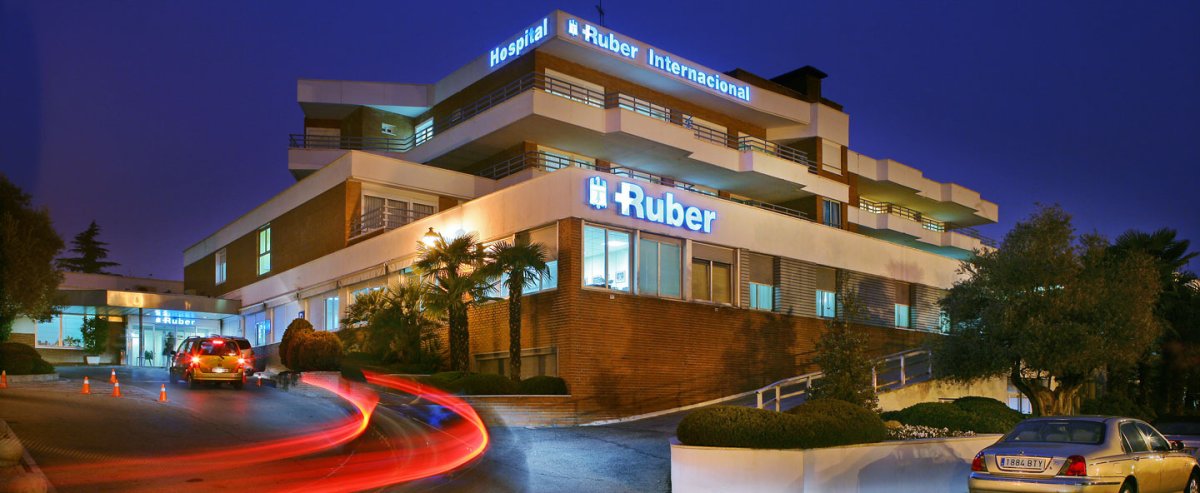


Clínicas Udemax
Descripción general de Brackets para adolescentes en España
- Brackets para adolescentes - de $3,000Este procedimiento endereza los dientes de los jóvenes, implica colocar brackets metálicos y alambres, y promueve la salud bucal.
Día 1 - Llegada
- Llegada a la clínica dental.
- Regístrese en la recepción y complete el papeleo necesario.
Día 2 - Preoperatorio
- Consulta con el ortodoncista.
- Realizar examen bucal y radiografías.
- Discuta el plan de tratamiento y las opciones de corsé.
- Tomar impresiones si es necesario.
Día 3 - Colocación de aparatos ortopédicos
- Aplicación de brackets por el ortodoncista.
- La duración del procedimiento suele ser de 1 a 2 horas.
- No se necesita anestesia, se puede sentir una ligera molestia.
Semana 1-4 - Postoperatorio
- Revisiones periódicas cada 3-4 semanas.
- Ajustes realizados a los frenos según sea necesario.
- Manténgase comprometido con la rutina de higiene bucal.
Semana 4 en adelante - Rehabilitación
- Retorno paulatino a los hábitos alimentarios normales.
- Continúe con las visitas periódicas de ortodoncia.
- Espere resultados completos después de 1 a 3 años, que varían según el individuo.
Tenga en cuenta que cada caso es individual y que el cronograma y los resultados exactos pueden variar.
- Depósito de Bookimed: 200 $ o 200 €.
- Depósito de la clínica: Pague un porcentaje fijo por adelantado.
Historias en video de pacientes de Bookimed
Reseñas
Todas las reseñasCompartir contenido
 Olena Sikoza
Preguntas frecuentes sobre Brackets para adolescentes en España
¿Cuál es la mejor edad para que un adolescente use brackets en España?
La mejor edad para que los adolescentes usen brackets en España es entre los 12 y los 15 años. Esta ventana coincide con la erupción de los dientes permanentes. Los ortodoncistas españoles aprovechan el estirón puberal final durante este período. Esto hace que el reposicionamiento de la mandíbula y la corrección de la mordida sean altamente eficientes y predecibles.
- Ventana óptima: La mayoría de los adolescentes comienzan el tratamiento una vez que aparecen todos los dientes adultos, generalmente a los 12 años.
- Flexibilidad de la mandíbula: El crecimiento activo antes de los 16 años permite un movimiento dental más rápido y efectivo.
- Evaluación temprana: Los especialistas sugieren una evaluación inicial a los 7 años para seguir el desarrollo de la mandíbula.
- Enfoque de dos fases: Algunos requieren un tratamiento interceptivo (Fase 1) entre los 6 y 10 años.
Perspectiva del experto de Bookimed: Aunque los brackets (Fase 2) generalmente comienzan a los 12 años, la expansión del paladar debe ocurrir antes. Este procedimiento es más exitoso antes de los 14 años en niñas y 16 años en niños. Centros como el Hospital Ruber Internacional en Madrid ven un alto éxito al programar estos hitos de crecimiento.
Consenso de los pacientes: Espere que las clínicas españolas fomenten la independencia del adolescente durante las cit
¿Están cubiertos los brackets por la Seguridad Social española?
La Seguridad Social española no cubre los brackets para adolescentes ni adultos. La cobertura nacional excluye la ortodoncia por considerarla un tratamiento estético. Aproximadamente el 95% de los servicios dentales en España son privados. La financiación pública solo se aplica a malformaciones congénitas graves, labio leporino o anomalías esqueléticas importantes que requieran cirugía.
- Exclusiones de cobertura: El enderezamiento dental estándar está estrictamente excluido de los planes de salud pública españoles.
- Servicios incluidos: Los centros públicos solo proporcionan exámenes de emergencia, extracciones y limpiezas pediátricas básicas.
- Precios privados: La ortodoncia para adolescentes suele costar entre $3,000 y $6,000 en España.
- Alternativas financieras: Las familias suelen utilizar seguros privados o planes de pago a plazos de 12 a 24 meses.
Opinión del experto de Bookimed: Aunque los brackets son privados, puede ahorrar en los trabajos de preparación. Utilice el sistema público para las extracciones necesarias relacionadas con el apiñamiento dental. Esto reduce la factura total en la clínica privada. Para casos complejos relacionados con la mandíbula, elija siempre centros acreditados por la JCI como el Hospital Ruber Internacional. Su gran volumen de pacientes garantiza experiencia en alineaciones ort
¿Cuánto tiempo necesitan los adolescentes usar brackets?
La mayoría de los adolescentes usan brackets de 18 a 24 meses. El tiempo total de tratamiento suele oscilar entre 1 y 3 años. Estos plazos dependen de la gravedad de la desalineación dental. Las mandíbulas en crecimiento de los adolescentes a menudo permiten que los dientes se muevan más rápido que en los adultos.
- Gravedad de la desalineación: El apiñamiento leve requiere de 12 a 18 meses. Los problemas de mordida graves pueden requerir de 24 a 30 meses.
- Remodelación biológica: El hueso de la mandíbula alrededor de las raíces dentales necesita tiempo para remodelarse de forma segura durante el movimiento.
- Cumplimiento del paciente: Romper los brackets o faltar a las citas añade meses al plazo inicial.
- Elección del aparato: Los brackets fijos funcionan las 24 horas del día, los 7 días de la semana. Evitan retrasos causados por olvidar los alineadores removibles.
Perspectiva del experto de Bookimed: España es un destino europeo de primer nivel con 84 clínicas especializadas. Hospitales de alto nivel como el Hospital Ruber Internacional cuentan con acreditación JCI. A menudo utilizan escaneo 3D avanzado. Esta precisión puede reducir la necesidad de ajustes manuales y acortar el tiempo total de uso. Elegir un centro con certificación ISO 9001 garantiza flujos de trabajo clínicos estandarizados y eficientes.
Consenso de los pa
¿Duelen los brackets?
Los brackets no causan dolor durante la instalación, pero los pacientes suelen sentir un leve dolor y presión de 4 a 6 horas después. Esta molestia alcanza su punto máximo dentro de los 2 a 3 días a medida que los dientes comienzan a moverse. La mayoría de los adolescentes se adaptan por completo dentro de una semana después de la colocación o los ajustes.
- Duración del dolor: El dolor suele durar aproximadamente 1 semana después de la colocación o el ajuste rutinario del alambre.
- Pico de molestia: El dolor de mandíbula y la sensibilidad al morder son más intensos en los días 2 y 3.
- Ventaja de la técnica: Los brackets autoligables utilizados en España a menudo requieren menos ajustes y reducen la molestia general.
- Alivio en casa: El paracetamol de venta libre, la cera de ortodoncia y los alimentos fríos controlan eficazmente la inflamación localizada de los ligamentos.
Opinión experta de Bookimed: Aunque los brackets tradicionales son comunes, elegir sistemas autoligables disponibles en los mejores centros españoles como el Hospital Ruber Internacional puede mejorar la experiencia. Estos sistemas utilizan clips especializados en lugar de bandas elásticas. Este diseño reduce la fricción en los dientes y a menudo conduce a menos visitas al consultorio. Es una opción inteligente para pacientes internacionales que buscan minimizar los viajes
¿Con qué frecuencia se realizan los chequeos?
Los adolescentes con aparatos de ortodoncia en España suelen requerir chequeos de ajuste cada 4 a 6 semanas. Estas visitas permiten a los especialistas apretar los alambres y controlar la alineación de los dientes. Las limpiezas dentales complementarias son necesarias cada 3 a 6 meses para prevenir la acumulación de sarro alrededor de los brackets.
- Frecuencia de ajuste: Programe visitas de ortodoncia cada 4 a 6 semanas para el ajuste de los alambres.
- Limpiezas dentales: Se requieren limpiezas profesionales cada 3 a 6 meses para la salud de las encías.
- Revisiones rutinarias: Los chequeos generales de salud dental en España se realizan una o dos veces al año.
- Visitas de emergencia: Contacte al ortodoncista inmediatamente si nota brackets sueltos o alambres que pinchan.
Perspectiva del experto de Bookimed: Aunque la atención privada es el estándar, España ofrece programas dentales regionales específicos para adolescentes. Clínicas como el Hospital Ruber Internacional en Madrid integran servicios pediátricos y para adultos. Esto asegura que los adolescentes pasen sin problemas de las revisiones infantiles a la atención de ortodoncia avanzada dentro de la misma instalación de alto nivel.
Consenso de los pacientes: Los pacientes enfatizan que mantener la constancia en el intervalo de 4 semanas evita retrasos en el trat
¿Puede un adolescente practicar deportes o tocar instrumentos con brackets?
Los adolescentes pueden practicar deportes y tocar instrumentos con brackets. Utilice protectores bucales de ortodoncia especializados para deportes de contacto para prevenir lesiones. Los músicos de instrumentos de viento utilizan cera de ortodoncia durante los períodos de ajuste inicial. Estas precauciones garantizan la seguridad mientras se mantiene el progreso hacia una sonrisa saludable.
- Protección deportiva: Use protectores bucales específicos para brackets en deportes como el fútbol o el baloncesto.
- Ajustes musicales: Use tiras de silicona o cera para proteger los labios de la presión de los brackets.
- Ajuste personalizado: Actualice los moldes del protector bucal después de las citas de ajuste para garantizar una alineación dental adecuada.
- Prevención de lesiones: Los protectores bucales de doble arco protegen tanto los labios superiores como los inferiores de laceraciones metálicas.
Opinión de expertos de Bookimed: España ocupa el tercer lugar a nivel mundial en solicitudes médicas en nuestra red. Centros líderes como el Hospital Ruber Internacional en Madrid cuentan con la acreditación JCI. Esto garantiza altos estándares de seguridad para los adolescentes activos. Observamos que los brackets metálicos a menudo superan a los alineadores en estudiantes ocupados. Permanecen fijos durante la práctica, asegurando un movimiento cons