Tratamiento de Enfermedad relacionada con IgG4 (RD IgG4) en Turquía — obtenga 3 coincidencias personalizadas de clínicas


Revisado médicamente por
Fahad Mawlood
Cómo funciona
¿Cuál es el precio del diagnóstico y los tratamientos de Enfermedad relacionada con IgG4 (RD IgG4) en Turquía? Descubra ahora
Descubra las mejores clínicas de tratamiento de Enfermedad relacionada con IgG4 (RD IgG4) en Turquía: 4 opciones verificadas y Precios



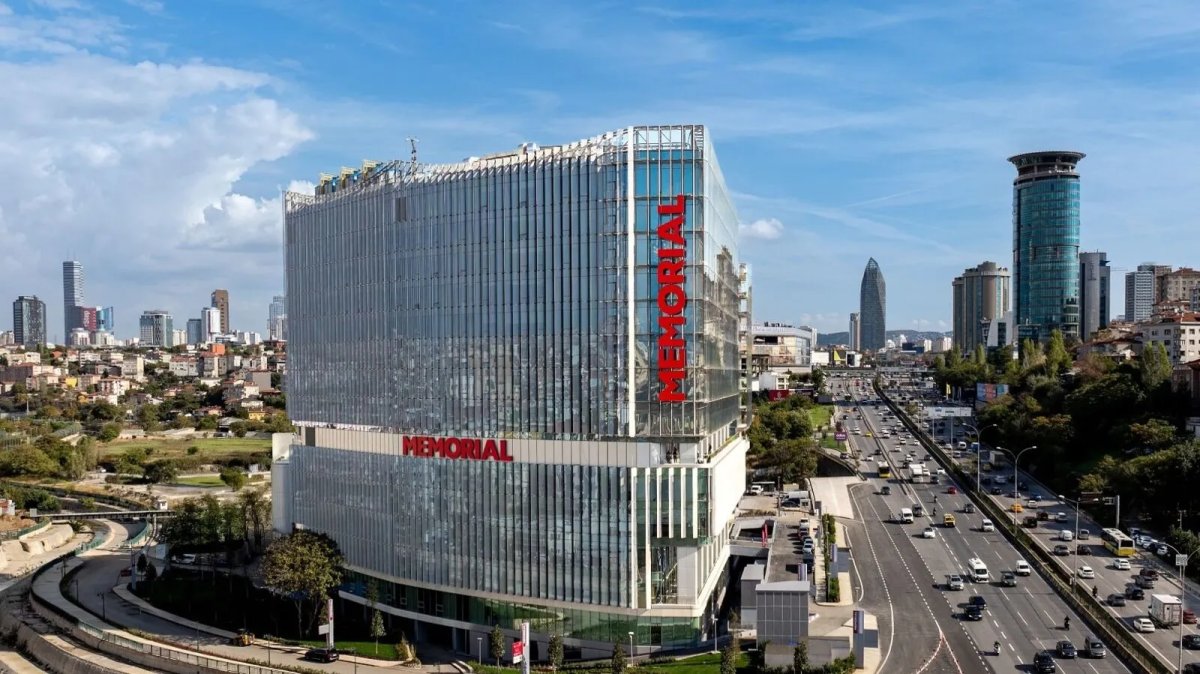
Memorial Göztepe Hospital




Obtenga una evaluación médica de tratamiento de Enfermedad relacionada con IgG4 (RD IgG4) en Turquía: haga una consulta con 9 médicos experimentados ahora
Ver todos los médicos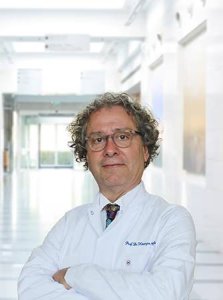
Huseyin Baloglu
El Prof. Hüseyin Baloğlu es especialista en patología en el Centro Médico Anadolu, en Gebze, Kocaeli, Turquía. Se centra en la patología molecular y quirúrgica, y en la biopsia y el diagnóstico de tumores.
Formación y acreditaciones: Médico (MD), Escuela de Medicina de GATA (1986). Especialidad en Patología, GATA (1992). Profesor asociado (Doçent), GATA (2004). Investigador visitante en el Albert Einstein College of Medicine (Nueva York) y la Universidad de Heidelberg.
Logros: a

Prof. Sezer Sağlam
Profesor de Oncología Médica con enfoque en Oncología Gastrointestinal – El Prof. Sağlam aporta experiencia especializada en casos de enfermedades relacionadas con IgG4 en el Hospital Gayrettepe Florence Nightingale.
- Más de _doctor_8336_ años de experiencia en oncología médica
- Formación de fellowship en la Universidad de Estambul, una institución médica líder
- Miembro de ESMO y ASCO, las principales sociedades oncológicas
- Especializado en oncología gastrointestinal desde 2005

Sefik Igdem
El Prof. Dr. Sefik Igdem se especializa en oncología radioterápica avanzada en el Hospital Gayrettepe Florence Nightingale.
- Con experiencia en el tratamiento de cánceres de cabeza y cuello
- Utiliza tecnologías avanzadas como Truebeam Stx
- Profesor en la Universidad T.R. Demiroğlu Bilim
- Especializado en tratamientos conformados para mayor precisión

Mustafa Serkan Alemdar
El Dr. Alemdar se especializa en enfermedades relacionadas con IgG4, con una amplia formación en oncología médica en el Hospital Universitario Akdeniz.
- Certificado en oncología médica desde 2018
- Más de _doctor_9570_ años de experiencia en medicina interna y oncología
- Formado en la Universidad Akdeniz, una institución médica líder en Turquía
- Trabaja en el complejo hospitalario Medical Park Antalya
Compartir contenido
Historias en video de pacientes de Bookimed
 Olena Sikoza
Preguntas frecuentes sobre el tratamiento de Enfermedad relacionada con IgG4 (RD IgG4) en Turquía
¿En qué consiste el tratamiento estándar para la enfermedad relacionada con IgG4 en Turquía?
El tratamiento estándar para la enfermedad relacionada con IgG4 en Turquía implica principalmente una terapia prolongada con corticosteroides para inducir la remisión. Los especialistas suelen prescribir prednisolona en dosis iniciales de 30-40 mg/día. Los centros de oncología y reumatología turcos utilizan rituximab para casos resistentes a los esteroides o recaídas frecuentes para mantener la función orgánica.
- Terapia de primera línea: Los corticosteroides como la prednisona se utilizan en aproximadamente el 92% de los casos turcos.
- Protocolo de dosificación: La inducción comienza a 0.6 mg/kg/día seguido de un programa de reducción gradual.
- Manejo de recaídas: El rituximab actúa como agente biológico cuando los esteroides fallan o causan intolerancia.
- Presentación clínica: Los pacientes turcos presentan con frecuencia fibrosis retroperitoneal que requiere imágenes y biopsias especializadas.
Opinión del experto de Bookimed: Los hospitales turcos acreditados por la JCI, como Memorial Şişli y Medical Park Antalya, a menudo manejan la enfermedad relacionada con IgG4 a través de unidades de oncología multidisciplinarias. Si bien los protocolos estándar se centran en los esteroides, estos centros ofrecen tomografías computarizadas de 512 cortes y resonancias magnéticas de 3 Tesla para un monitoreo preciso de recaídas. Esta capacidad diagnós
¿Qué centros y especialistas turcos manejan la enfermedad relacionada con IgG4?
Los centros turcos en Estambul y Ankara manejan la enfermedad relacionada con IgG4 utilizando equipos multidisciplinarios de reumatólogos y patólogos. Instalaciones como el Hospital Memorial Şişli y el Hospital Hisar brindan diagnósticos especializados, incluida la tinción de biopsias y la terapia sistémica. La experiencia clave incluye imágenes avanzadas y protocolos de tratamiento específicos.
- Diagnóstico especializado: El Prof. Hüseyin Baloglu en el Centro Médico Anadolu se especializa en patología y diagnóstico.
- Atención multidisciplinaria: El Hospital Memorial Şişli emplea a 189 médicos en 92 departamentos médicos especializados.
- Tecnología clínica: El Hospital Memorial Göztepe utiliza resonancia magnética de 3 Tesla con soporte de IA para una evaluación precisa de los órganos.
- Coordinación de expertos: El Hospital Hisar integra medicina interna y oncología para el manejo de trastornos sistémicos complejos.
Perspectiva del experto de Bookimed: Aunque muchos buscan centros oncológicos, el factor diferenciador clave para la IgG4-RD en Turquía es la experiencia en patología. El Prof. Hüseyin Baloglu tiene más de 600 publicaciones y formación especializada en instituciones globales. Su enfoque en patología quirúrgica y diagnóstico es vital, ya que esta enfermedad rara suele diagnosticarse erróneamente como cáncer.
Consen
¿Cuánto duran el tratamiento y el seguimiento de la enfermedad relacionada con IgG4?
La enfermedad relacionada con IgG4 requiere un manejo a largo plazo porque es una afección crónica y recurrente. La inducción inicial con esteroides suele durar de 2 a 4 semanas. Luego, los médicos reducen la medicación durante un período de 3 a 6 meses. Los pacientes a menudo se someten a un seguimiento de 1.5 a 6 años para detectar brotes.
- Fase de inducción: Los glucocorticoides normalizan los niveles de inflamación dentro de las 4 semanas posteriores al inicio de la terapia.
- Esquema de reducción: Los médicos reducen gradualmente las dosis de esteroides durante 6 meses para prevenir recaídas.
- Terapia de mantenimiento: Los biológicos como el Rituximab pueden administrarse cada 6 meses para casos crónicos.
- Ventana de vigilancia: El seguimiento clínico generalmente se extiende más allá de los 5 años si hay afectación multiorgánica.
Perspectiva del experto de Bookimed: Los centros de oncología y patología turcos, como el Centro Médico Anadolu, enfatizan el diagnóstico molecular preciso para distinguir la IgG4-RD de las neoplasias. Dado que aproximadamente el 40% de los pacientes recaen dentro de los 12 meses, los especialistas líderes suelen recomendar utilizar clínicas con comités multidisciplinarios de tumores para coordinar la inmunosupresión a largo plazo de forma segura.
Consenso de los pacientes: Los paciente
¿Es necesaria alguna vez la cirugía para pacientes con enfermedad relacionada con IgG4 en Turquía?
La cirugía se utiliza principalmente para el diagnóstico o para tratar complicaciones graves como la obstrucción de órganos en los hospitales turcos. Los cirujanos realizan biopsias para distinguir las lesiones de la enfermedad de los tumores malignos. La mayoría de los pacientes logran la remisión mediante el uso de corticosteroides o inmunosupresores sin requerir una intervención quirúrgica mayor para el manejo de la enfermedad.
- Biopsia diagnóstica: Patólogos como el Dr. Huseyin Baloglu proporcionan análisis de tejido esenciales para la confirmación.
- Alivio de la obstrucción: Los procedimientos resuelven bloqueos en los conductos biliares, los riñones o el páncreas.
- Manejo de la fibrosis: La resección aborda las cicatrices irreversibles que los medicamentos no pueden tratar con éxito por sí solos.
- Exclusión de malignidad: Los cirujanos intervienen cuando las imágenes no pueden descartar definitivamente el crecimiento de un tumor canceroso.
Perspectiva del experto de Bookimed: Los centros oncológicos turcos como Memorial Sisli y Hisar Intercontinental a menudo sirven como centros de diagnóstico porque la IgG4-RD imita al cáncer en las tomografías. Nuestros datos muestran que estas instalaciones utilizan resonancia magnética de 3 Tesla y PET/CT de alta resolución para minimizar cirugías innecesarias al mejorar la precisión diagnóstica a
¿Cómo monitorean y personalizan la atención los especialistas turcos para pacientes internacionales con IgG4-RD?
Los especialistas turcos monitorean la enfermedad relacionada con IgG4 (IgG4-RD) a través de niveles séricos de IgG4 en serie y marcadores inflamatorios. Los centros acreditados por la JCI en Estambul utilizan tomografías computarizadas de 512 cortes y resonancias magnéticas de 3 Tesla para imágenes de alta resolución. Los planes de atención se personalizan utilizando protocolos de esteroides adaptados y agentes biológicos basados en la afectación de órganos específicos.
- Imagenología diagnóstica: Los especialistas utilizan PET/CT o resonancia magnética apoyada por IA para rastrear la actividad sistémica de la enfermedad.
- Puntos de control del tratamiento: Los médicos utilizan la respuesta inicial a los esteroides para determinar si se reduce la dosis o se cambia a una terapia biológica.
- Equipos de expertos: Los reumatólogos y gastroenterólogos combinan su experiencia para gestionar manifestaciones multiorgánicas complejas.
- Protocolos internacionales: Los horarios clínicos se ajustan para adaptarse a los viajes globales y los tiempos de infusión locales.
Perspectiva del experto de Bookimed: Los datos de volumen de pacientes muestran que el Hisar Hospital Intercontinental atiende a 250.000 pacientes anualmente. Los centros grandes como este suelen ofrecer ventanas de diagnóstico más rápidas. La mayoría de los pacientes internacionales rec