Distrofia muscular en Turquía: las 6 mejores clínicas para su tratamiento


Revisado médicamente por
Fahad Mawlood
Cómo funciona
¿Cuál es el precio del diagnóstico y los tratamientos de Distrofia muscular en Turquía? Descubra ahora
Descubra las mejores clínicas de tratamiento de Distrofia muscular en Turquía: 6 opciones verificadas y Precios



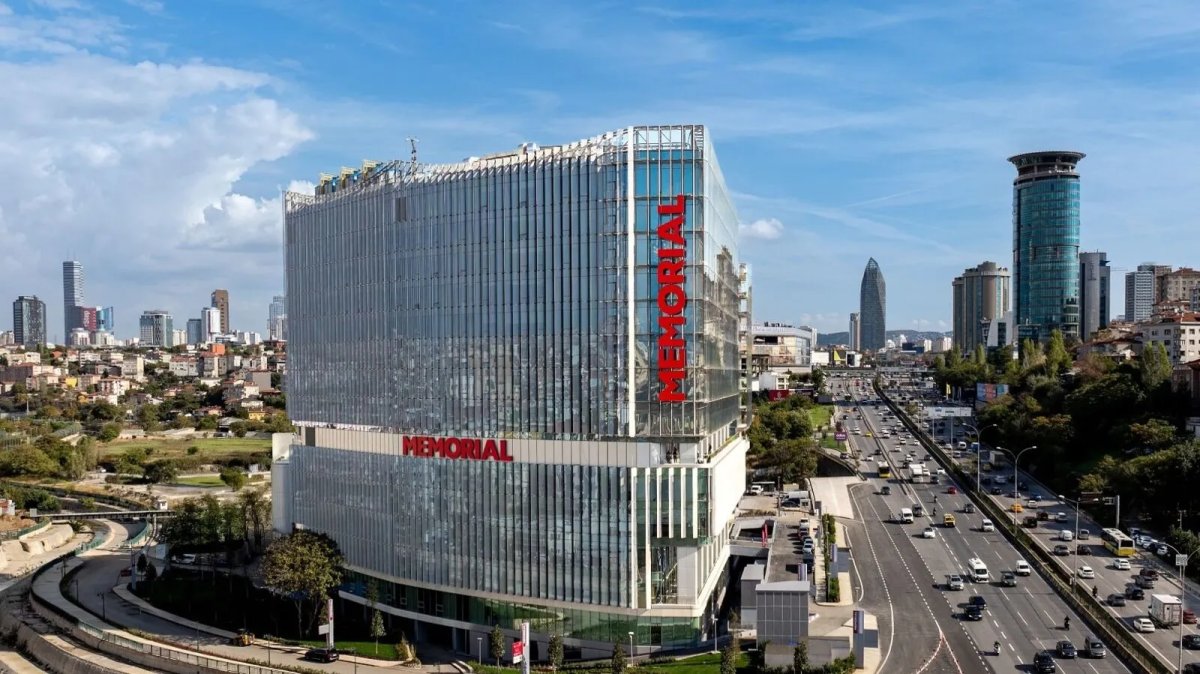
Memorial Göztepe Hospital

El Centro Médico de Rehabilitación y Terapia Física Fizyomer
Turkan Tunerir

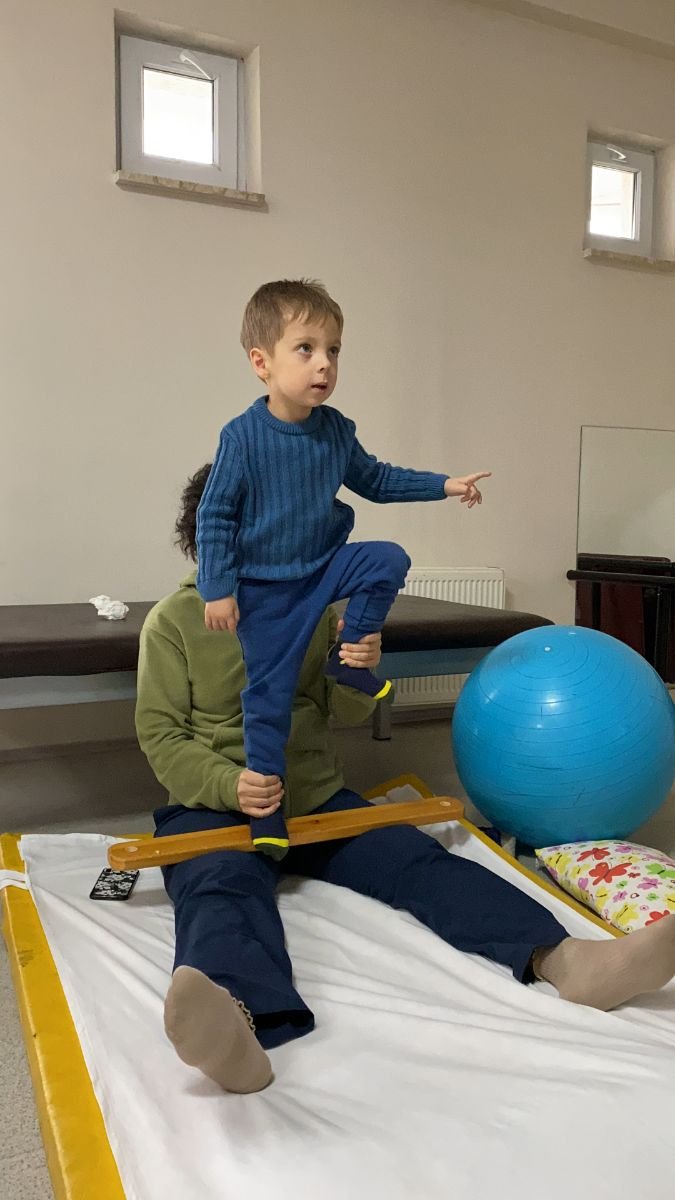
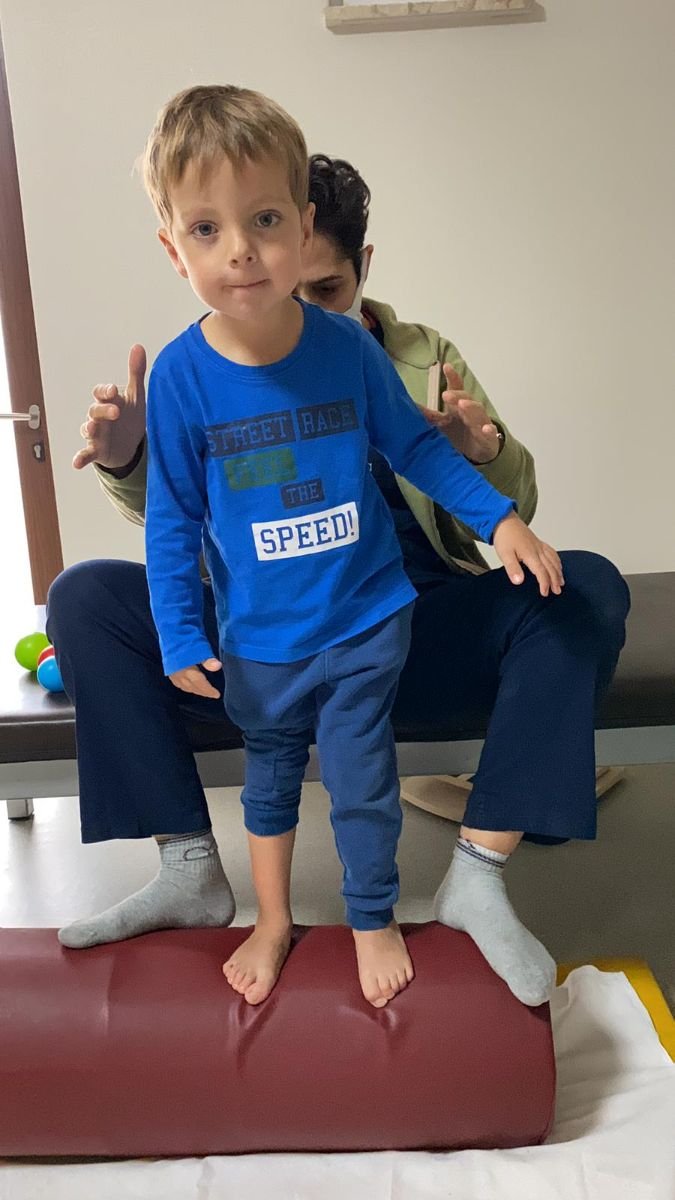
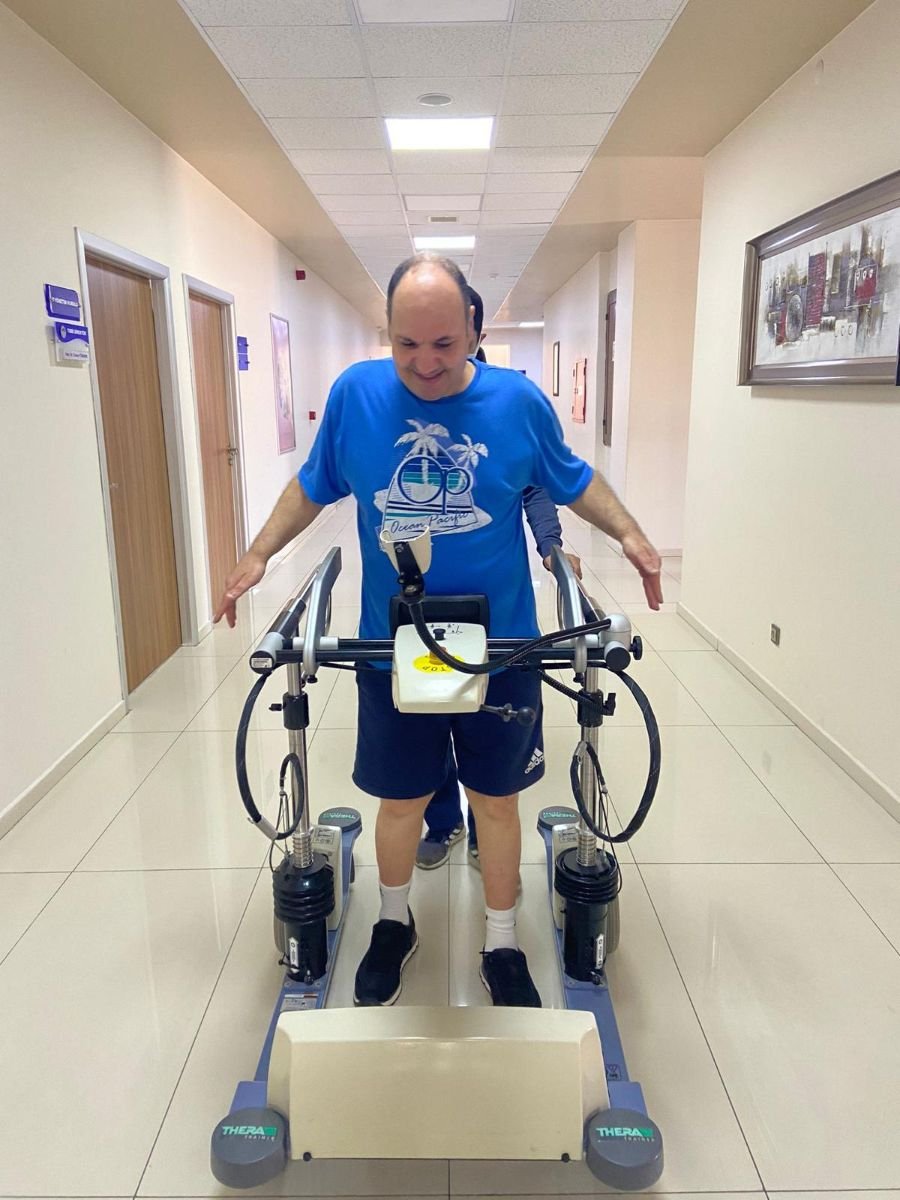
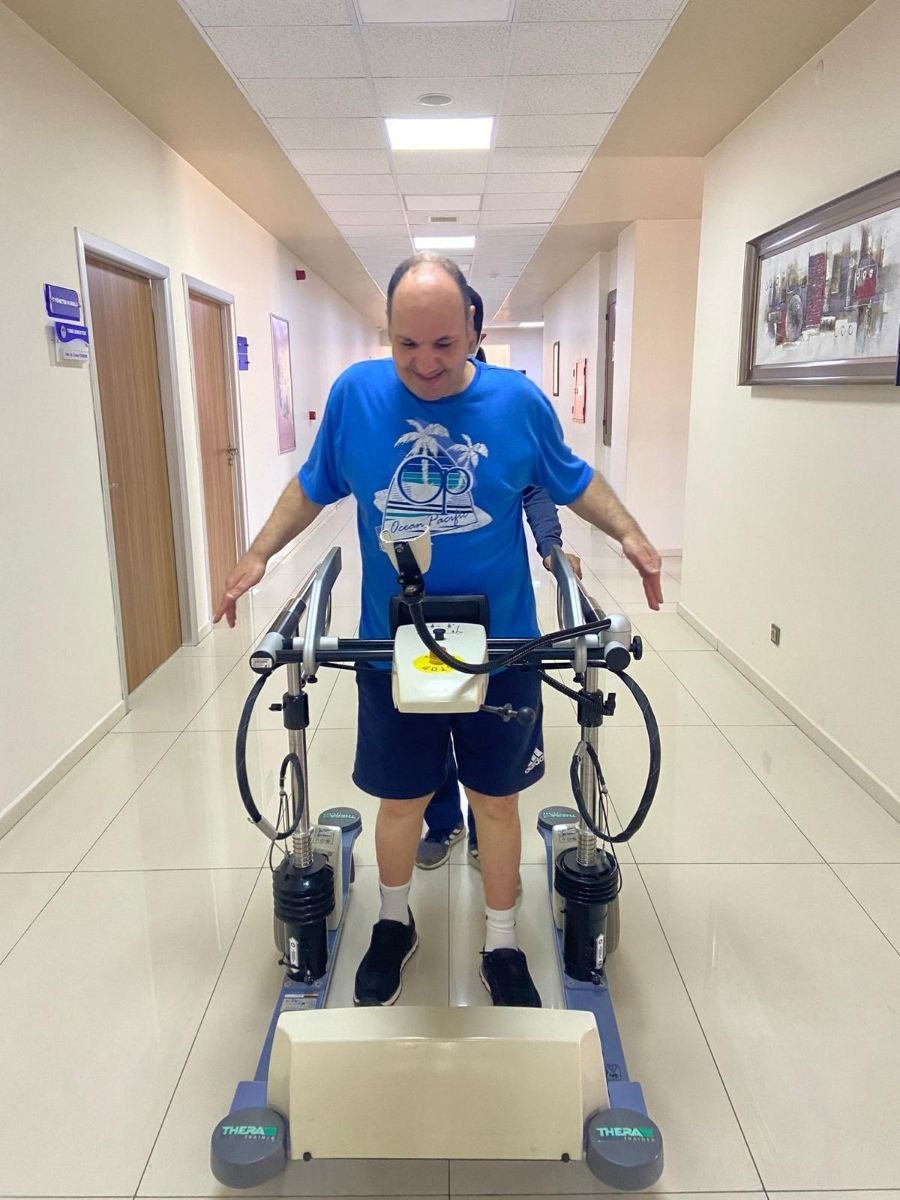


Nobel Medical, Physical Therapy & Rehabilitation Center

Obtenga una evaluación médica de tratamiento de Distrofia muscular en Turquía: haga una consulta con 12 médicos experimentados ahora
Ver todos los médicos
Betul Tavil
La Dra. Betül Tavil es profesora de hematología y oncología pediátricas, experta de clase mundial en trasplante de médula ósea para niños.
Por qué los pacientes confían en la Dra. Tavil:
- Médica con resultados sobresalientes — ha tratado con éxito a más de 500 niños con leucemia y ha realizado trasplantes de médula ósea a más de 100 niños.
- Especialista en los trastornos sanguín
Turkan Tunerir

Nuran Burcu Arkali
La Dra. Nuran Burcu Arkali es neuróloga en el Hospital Intercontinental Hisar de Estambul. Se especializa en electrofisiología y trastornos neurodegenerativos. La Dra. Arkali completó un programa de maestría en electrofisiología en la Universidad de Estambul. Ayudó a establecer la clínica de neurología y la unidad de cuidados intensivos en el Hospital de Formación de Diyarbakir.
- Experiencia en EEG, EMG y monitoreo de video-EEG para la epilepsia.
- Trata la enfermedad de Parki

Bestami Yalvac
El Dr. Bestami Yalvac es profesor asistente en la Universidad de Galata en Estambul. Trata a pacientes en el Hisar Hospital Intercontinental, acreditado por la JCI. El Dr. Yalvac se especializa en terapia de ozono para la fibromialgia y lesiones deportivas. Completó su residencia en el Hospital de Formación e Investigación Haydarpaşa Numune.
- Trata afecciones crónicas como osteoporosis, dolores reumáticos y espondilitis anquilosante.
- Proporciona rehabilitación para accidente
Reseñas
Todas las reseñasCompartir contenido
Historias en video de pacientes de Bookimed
 Olena Sikoza
Preguntas frecuentes sobre el tratamiento de Distrofia muscular en Turquía
¿Qué tipos de tratamientos para la distrofia muscular están disponibles en Turquía?
Los tratamientos para la distrofia muscular en Turquía incluyen terapia con células madre mesenquimales, rehabilitación física avanzada y programas de medicamentos especializados. Los centros acreditados por la JCI en Estambul ofrecen atención multidisciplinaria. Se centran en la reparación muscular y la mejora funcional. Las terapias con esteroides y los medicamentos huérfanos son accesibles a través de programas regulados para pacientes designados.
- Terapia celular: Las clínicas proporcionan trasplantes de células madre mesenquimales para atacar y reparar los tejidos musculares dañados.
- Profundidad de la rehabilitación: Los programas de fisioterapia intensiva utilizan tecnologías asistidas por robot para mantener la movilidad y la fuerza.
- Acceso a medicamentos: El TITCK permite el acceso temprano a medicamentos huérfanos especializados para la distrofia muscular de Duchenne.
- Experiencia genética: Los principales hospitales como Memorial Sisli ofrecen un mapeo genético integral para personalizar los planes de tratamiento.
Perspectiva del experto de Bookimed: Elegir una clínica con un alto volumen internacional es vital para las afecciones raras. Memorial Sisli atiende a pacientes de 167 países. Su alto volumen de casos en genética y neurocirugía garantiza que los médicos vean diversas variaciones de DM cada año. Esta experiencia conduce
¿Está disponible la terapia con células madre para la distrofia muscular en Turquía?
Clínicas turcas especializadas ofrecen terapia con células madre para la distrofia muscular utilizando células regenerativas adultas. Los centros en Estambul e Izmir se centran en mejorar la marcha y la fuerza muscular. Estos procedimientos son gestionados por especialistas en medicina regenerativa dentro de instalaciones acreditadas por la JCI para garantizar altos estándares de seguridad.
- Fuentes celulares: Los profesionales utilizan principalmente células madre adultas para reparar las fibras musculares dañadas.
- Resultados específicos: El tratamiento tiene como objetivo mejorar la fuerza de las extremidades y estabilizar la progresión de la enfermedad.
- Evaluación clínica: Los especialistas requieren archivos médicos detallados para determinar la idoneidad del paciente para la terapia.
- Instalaciones acreditadas: Los principales centros como Memorial Sisli cuentan con la acreditación de la Joint Commission International (JCI).
Perspectiva del experto de Bookimed: Aunque muchos buscan terapia con células madre, el verdadero valor en Turquía reside en combinarla con rehabilitación intensiva. Centros como Nobel Medical se especializan en fisioterapia utilizando aguas termales. Nuestros datos muestran que combinar inyecciones de células regenerativas con rehabilitación neurológica profesional a menudo conduce a ganancias funcionales más vi
¿Está disponible la terapia génica para la distrofia muscular de Duchenne (DMD) en Turquía?
La terapia génica aprobada para la distrofia muscular de Duchenne no es un tratamiento estándar en Turquía. Instalaciones como el Hospital Memorial Şişli ofrecen diagnósticos genéticos avanzados. Los pacientes a menudo cumplen con los criterios de elegibilidad a través de ensayos clínicos o vías de importación especializadas. Las clínicas especializadas se centran en la atención de apoyo y la fisioterapia.
- Diagnóstico genético: El Hospital Memorial Şişli cuenta con departamentos de genética dedicados para un análisis preciso de mutaciones.
- Enfoque en rehabilitación: El Nobel Center ofrece fisioterapia intensiva e hidroterapia en Pamukkale.
- Experiencia especializada: El profesor asociado Dr. Siar Dursun se especializa en neurología pediátrica y diagnóstico de DMD.
- Estándares del sistema: Los centros acreditados por la JCI como el Liv Hospital Ulus mantienen protocolos internacionales de seguridad y calidad.
Perspectiva del experto de Bookimed: Las clínicas turcas se centran fuertemente en la precisión diagnóstica antes de recomendar terapias avanzadas. Los datos muestran que hospitales como Memorial Şişli atienden a pacientes de 167 países. Este volumen les permite proporcionar pruebas genéticas rápidas. Estos resultados son esenciales para determinar la elegibilidad para programas internacionales de terapia génica.
Consen
¿Hay médicos o clínicas especializadas en enfermedades neuromusculares en Turquía?
Turquía alberga médicos y clínicas especializadas en enfermedades neuromusculares en centros acreditados por la JCI en Estambul y Ankara. Los pacientes acceden a equipos multidisciplinarios que incluyen neurólogos, genetistas y expertos en rehabilitación. Instalaciones como el Hospital Memorial Sisli y el Hospital Memorial Goztepe ofrecen herramientas de diagnóstico avanzadas y sistemas de rehabilitación robótica.
- Imagenología especializada: La resonancia magnética de 3 Teslas asistida por IA y las tomografías computarizadas de 512 cortes ayudan a identificar cambios musculares.
- Neurólogos expertos: Especialistas como el Dr. Siar Dursun ofrecen experiencia en neurología pediátrica y diagnóstico.
- Tecnología de rehabilitación: Los centros utilizan sistemas robóticos como Lokomat para ayudar a mejorar la movilidad del paciente.
- Acreditación médica: Los principales centros cuentan con certificaciones de la Joint Commission International (JCI) y normas ISO.
Perspectiva del experto de Bookimed: Si bien muchas clínicas privadas ofrecen neurología, los datos de los pacientes destacan que los hospitales afiliados a universidades se especializan más profundamente en trastornos musculares genéticos raros. El Nobel Medical, Physical Therapy & Rehabilitation Center atiende a 1,500 pacientes anualmente utilizando terapias únicas de agua termal y barr
¿Cuánto tiempo dura el proceso de tratamiento de la distrofia muscular en Turquía?
El tratamiento de la distrofia muscular en Turquía suele requerir una estancia en el país de 15 a 28 días para protocolos intensivos. Los ciclos de terapia avanzada suelen implicar de 1 a 2 días de seguimiento clínico. A continuación, se lleva a cabo una rehabilitación especializada y fisioterapia durante 16 a 26 días para maximizar los resultados.
- Administración clínica: Los pasos del procedimiento y el seguimiento suelen requerir de 1 a 2 días de hospitalización.
- Fase de rehabilitación: La fisioterapia a menudo dura de 16 a 26 días en centros especializados como Nobel.
- Planificación previa a la llegada: La revisión del caso y la preparación celular generalmente requieren de 5 a 10 días antes de la llegada.
- Ventana diagnóstica: Las evaluaciones iniciales y las pruebas genéticas pueden llevar varios días para finalizar los planes.
Perspectiva del experto de Bookimed: Aunque muchos creen que el tratamiento es un evento único, nuestros datos muestran un cambio hacia el manejo de síntomas a largo plazo. Los centros de alto volumen como Liv Hospital Ulus atienden a pacientes de 180 países que regresan para evaluaciones funcionales periódicas. Combinar la terapia intensiva con tratamientos de agua termal en centros especializados puede mejorar la experiencia del paciente durante la estancia de 3 semanas.
Consenso de los pacien