Tratamiento de Síndrome de la salida torácica en Turquía — obtenga 3 coincidencias personalizadas de clínicas


Revisado médicamente por
Fahad Mawlood
Cómo funciona
¿Cuál es el precio del diagnóstico y los tratamientos de Síndrome de la salida torácica en Turquía? Descubra ahora
El costo total del tratamiento del síndrome de salida torácica en Turquía varía según los procedimientos diagnósticos y terapéuticos específicos necesarios. Una resonancia magnética del cuello y una consulta con un cirujano torácico cuestan aproximadamente 850 €. Para una evaluación integral que incluye fisioterapia y examen de rehabilitación, examen de enfermedades del tórax, examen de ORL, tomografía computarizada de tórax con contraste, broncoscopia y EBUS, el costo es de alrededor de 6.700 €. El plan de tratamiento se finaliza después de una evaluación personalizada por parte del equipo médico.
Descubra las mejores clínicas de tratamiento de Síndrome de la salida torácica en Turquía: 15 opciones verificadas y Precios





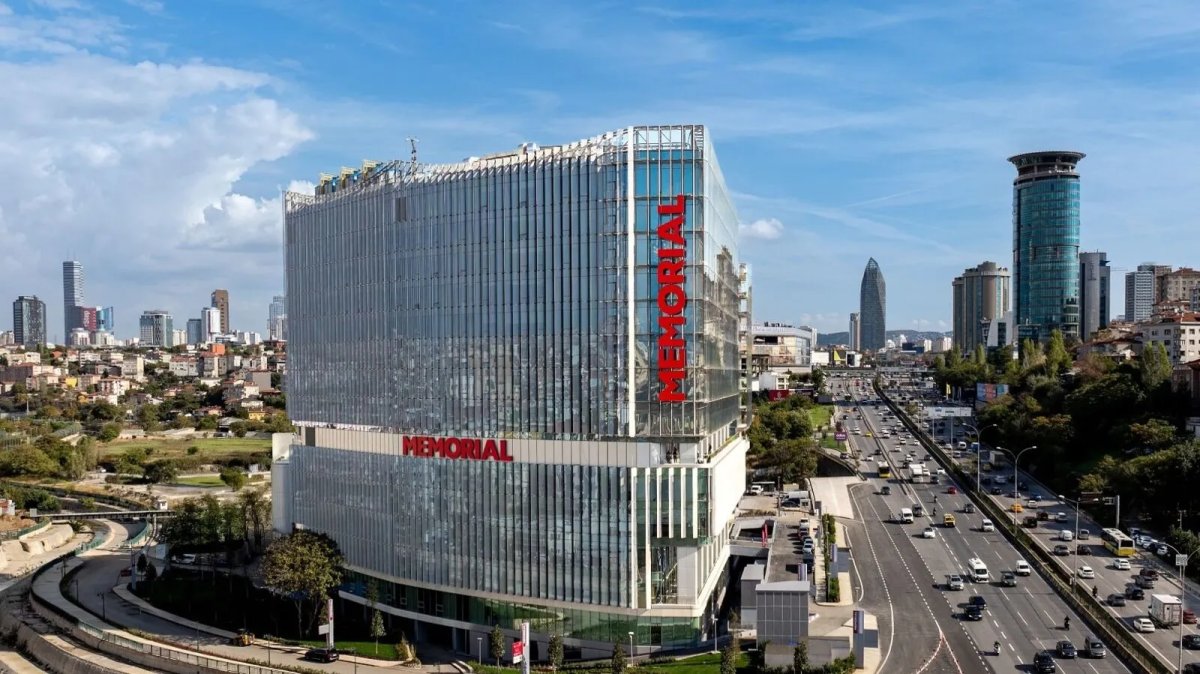
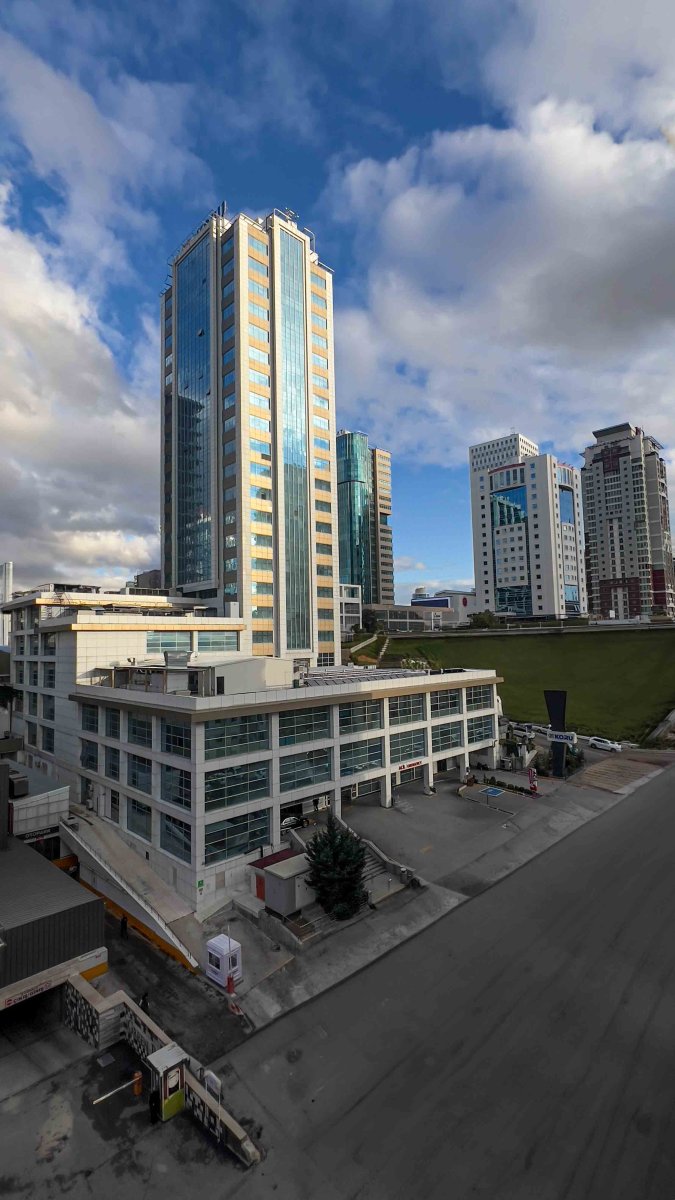
Memorial Göztepe Hospital




Memorial Ankara Hospital


Obtenga una evaluación médica de tratamiento de Síndrome de la salida torácica en Turquía: haga una consulta con 8 médicos experimentados ahora
Ver todos los médicos
Baris Topcular
El Dr. Baris Topcular se especializa en el síndrome de salida torácica en el Hospital Florence Nightingale, con una amplia formación en neurología.
- Graduado de la Facultad de Medicina Cerrahpaşa de la Universidad de Estambul
- Formado en la Clínica de Neurología de la Universidad de Basilea y en el centro de investigación PharmaZentrum
- Miembro de la Facultad de Medicina, Neurología, de la Universidad de Ciencias de Estambul
- Trabaja en las clínicas de neurología de los hospitales Florence Nightingale en Şişli y Kadıköy
- Experiencia en policlínicas de trastornos del movimiento y demencia
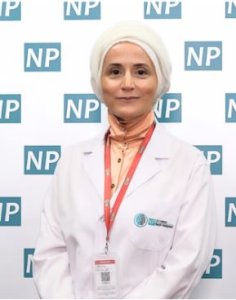
Burcu Polat
Con más de 25 años de experiencia clínica y académica, el médico es un especialista altamente cualificado en Ortopedia y Traumatología. Su experiencia clínica abarca la cirugía de mano, cirugía de pie y tobillo, artroplastia, oncología ortopédica y cirugía de trauma. El médico ha ocupado cargos importantes en varios hospitales de formación e investigación, incluido el de especialista fundador en la Clínica de Cirugía de Mano del Hospital de Formación e Investigación de Enfermedades Óseas de B

Yasef Özsarfati
El Prof. Dr. Yasef Özsarfati aporta más de _doctor_9610_ años de experiencia en neurología, especializándose en afecciones neurológicas complejas en el Hospital Florence Nightingale.
- Formado en demencia y neurología conductual en los Estados Unidos
- Profesor asociado con amplia experiencia académica y clínica
- Especializado en epilepsia, dolores de cabeza y manejo de la demencia
- Larga trayectoria de colaboración con los mejores hospitales de Estambul
Compartir contenido
Historias en video de pacientes de Bookimed
 Olena Sikoza
Preguntas frecuentes sobre el tratamiento de Síndrome de la salida torácica en Turquía
¿Es seguro recibir tratamiento en Turquía?
Turquía es un destino seguro para el tratamiento del síndrome de salida torácica. Instalaciones como Memorial Şişli y Medipol Mega tienen la acreditación de la Joint Commission International, lo que garantiza altos estándares clínicos. Los cirujanos altamente especializados utilizan imágenes avanzadas y sistemas robóticos para realizar descompresiones nerviosas y vasculares complejas con un éxito significativo.
- Acreditación hospitalaria: Las mejores clínicas cuentan con certificaciones de la Joint Commission International e ISO para la seguridad.
- Alto volumen de pacientes: El Medipol Mega University Hospital trata a más de 1.000.000 de pacientes cada año.
- Diagnósticos avanzados: Las instalaciones utilizan resonancia magnética de 3 Teslas asistida por IA y TC de 512 cortes para mayor precisión.
- Experiencia especializada: Los cirujanos del Memorial Ankara realizan procedimientos torácicos delicados sin grandes incisiones.
Perspectiva de expertos de Bookimed: Los indicadores de calidad para el síndrome de salida torácica a menudo se ocultan en los datos generales de rendimiento quirúrgico. Medical Park Antalya reporta la tasa de efectos secundarios más baja para trasplantes en Turquía. Esto sugiere una precisión quirúrgica de alto nivel y estándares de atención posoperatoria superiores que benefician a pacientes neurológicos y torácicos co
¿Cuáles son los tratamientos principales para el síndrome de salida torácica en Turquía?
Los tratamientos principales para el síndrome de salida torácica en Turquía incluyen fisioterapia conservadora, inyecciones selectivas de toxina botulínica y cirugías especializadas. Equipos multidisciplinarios en centros acreditados por la JCI utilizan imágenes avanzadas, como la TC de 512 cortes, para distinguir entre los subtipos neurogénicos, venosos y arteriales antes de decidir sobre una resección de la primera costilla o una descompresión muscular.
- Fisioterapia: Se centra en la corrección postural y el estiramiento muscular para los casos neurogénicos.
- Bloqueos intervencionistas: Los especialistas utilizan inyecciones de toxina botulínica guiadas por TC para relajar los músculos escalenos.
- Descompresión quirúrgica: Los cirujanos realizan una resección transaxilar de la primera costilla y escalenectomía para casos graves.
- Diagnóstico avanzado: Las clínicas utilizan resonancia magnética de 3 Teslas y PET/TC digital para la identificación precisa de subtipos.
Perspectiva del experto de Bookimed: Los datos de grandes centros como Estambul muestran que los hospitales universitarios atienden a más de 500,000 pacientes al año. Estos grandes centros a menudo brindan una mayor precisión diagnóstica para subtipos raros porque integran neurología, cirugía vascular y fisioterapia especializada en un solo lugar. Este enfoque combinado es vital, ya q
¿Qué hospitales en Turquía son conocidos por tratar el síndrome del desfiladero torácico (TOS)?
Los principales hospitales turcos para el síndrome del desfiladero torácico (TOS) incluyen el Hospital Memorial Sisli, el Hospital Universitario Medipol Mega y el Hospital Istanbul Florence Nightingale. Estos centros acreditados por la JCI utilizan equipos multidisciplinarios de cirujanos vasculares y torácicos. Aprovechan la tecnología avanzada de resonancia magnética de 3 Teslas y la tomografía computarizada de 512 cortes para un diagnóstico preciso.
- Departamentos especializados: Los hospitales integran departamentos de cirugía vascular, torácica y neurocirugía para casos complejos.
- Diagnóstico avanzado: Centros como Memorial Goztepe utilizan TC de 512 cortes para un mapeo vascular detallado.
- Cirujanos expertos: El Prof. Dr. Yasef Ozsarfati en Florence Nightingale se especializa en trastornos neuromusculares.
- Alto volumen: Medipol Mega atiende a más de 1,200 pacientes diariamente, asegurando una amplia experiencia clínica.
Perspectiva del experto de Bookimed: Aunque muchos buscan neurología general, los resultados más exitosos de TOS en Turquía ocurren en centros con unidades quirúrgicas vasculares y torácicas activas. Memorial Goztepe y Medipol Mega están equipados específicamente con tecnología de resonancia magnética de 3 Teslas asistida por IA. Este equipo es vital para identificar el TOS neurogénico, que la imagen estándar a menu
¿Qué pruebas diagnósticas se utilizan antes del tratamiento en Turquía?
Los protocolos de diagnóstico en Turquía para el síndrome del desfiladero torácico incluyen maniobras físicas, imágenes especializadas y estudios nerviosos. Los centros acreditados por la JCI utilizan resonancia magnética de 3 Teslas, tomografía computarizada (TC) multicorte y ecografía Doppler para identificar anomalías en las costillas o compresión vascular. Los cirujanos suelen requerir resultados combinados de múltiples pruebas antes de finalizar un plan de tratamiento quirúrgico.
- Examen físico: Los especialistas utilizan maniobras provocativas y posicionamiento del brazo para reproducir los síntomas.
- Imágenes avanzadas: Las clínicas utilizan angio-TC o angio-RM para visualizar la compresión durante el movimiento.
- Conducción nerviosa: Las evaluaciones de electromiografía (EMG) evalúan la función nerviosa y descartan otras afecciones.
- Examen estructural: Las radiografías de tórax y cuello identifican costillas cervicales o variaciones anatómicas óseas.
Perspectiva del experto de Bookimed: Aunque muchos pacientes esperan que un solo escaneo proporcione respuestas, los datos de las mejores clínicas de Estambul muestran que el éxito depende de las pruebas posicionales. Medipol Bahçelievler utiliza PET-TC para escaneos tumorales rápidos, pero para esta afección, la TC de 512 cortes en Memorial Göztepe proporciona el mapeo vascular de alt
¿Cuánto tiempo dura el periodo de recuperación tras una cirugía en Turquía?
La recuperación tras una cirugía en Turquía suele requerir una estancia de 7 a 14 días para seguimiento médico. La curación inicial y los controles de seguimiento suelen ocurrir dentro de la primera semana. La mayoría de los pacientes retoman actividades ligeras después de 14 días. La recuperación completa de una descompresión nerviosa a menudo abarca varios meses.
- Estancia hospitalaria: Los pacientes suelen pasar de 1 a 3 noches en el hospital tras una cirugía mayor.
- Recuperación inicial: Las primeras 3 semanas implican una fatiga manejable y sensibilidad en el sitio de la incisión.
- Restricciones de actividad: Los cirujanos suelen restringir el levantamiento de peso y los movimientos por encima de la cabeza durante varias semanas.
- Seguridad en el vuelo: Permanecer 7 días en Turquía minimiza los riesgos de trombosis venosa profunda para los viajes aéreos.
Perspectiva del experto de Bookimed: Aunque muchos esperan una solución rápida, centros de alto volumen como el Hospital Universitario Medipol Mega informan que tratan a 1,000,000 de pacientes al año. Este volumen sugiere que las clínicas turcas son altamente eficientes en la gestión de la fase postoperatoria inmediata. Sin embargo, la recuperación real depende de la fisioterapia. Comience el trabajo de rehabilitación dentro de las 2 semanas posteriores al regreso a casa para maximizar