Síndrome de la salida torácica Tratamiento en Austria — Costos 2026


Revisado médicamente por
Fahad Mawlood
¿Cuál es el precio del diagnóstico y los tratamientos de Síndrome de la salida torácica en Austria? Descubra ahora
Sus beneficios y garantías con Bookimed
Precios directos
Bookimed no añade cargos extra a los precios de los tratamientos de Síndrome de la salida torácica. Las tarifas proceden de las listas de precios oficiales de las clínicas. Pagará directamente en la clínica por su tratamiento a su llegada al país.
Sólo clínicas y médicos verificados
Bookimed está comprometido con su seguridad. Solo trabajamos con las clínicas que mantienen altos estándares internacionales en el tratamiento de Síndrome de la salida torácica y cuentan con las licencias necesarias para atender a pacientes internacionales en todo el mundo.
Asistencia 24/7 gratuita
Bookimed ofrece asistencia experta gratuita. Un coordinador médico personal le apoya antes, durante y después de su tratamiento, resolviendo cualquier problema. Nunca estará solo en su viaje médico de tratamiento de Síndrome de la salida torácica.

Su coordinador médico personal de Bookimed
- Le apoya en cada etapa
- Ayuda a elegir la clínica y el médico adecuados
- Asegura un acceso rápido y conveniente a la información
Descubra las mejores clínicas de tratamiento de Síndrome de la salida torácica en Austria: 1 opciones verificadas y Precios

Compartir contenido
Historias en video de pacientes de Bookimed
 Olena Sikoza
Preguntas frecuentes sobre el tratamiento de Síndrome de la salida torácica en Austria
¿Qué especialistas médicos son los más idóneos para diagnosticar y tratar el síndrome del desfiladero torácico (SDT) en los centros austriacos?
En Austria, los principales especialistas en el síndrome del opérculo torácico son cirujanos vasculares, cirujanos torácicos y neurólogos. Estos expertos, que trabajan en equipos multidisciplinarios, tratan la compresión de nervios, venas y arterias. Los centros académicos de Viena, Graz e Innsbruck proporcionan el personal multidisciplinario necesario para un diagnóstico preciso y la descompresión quirúrgica.
- Cirujanos vasculares: especialistas líderes en el diagnóstico de todas las variantes y en la realización de descompresiones quirúrgicas vasculares.
- Cirujanos torácicos: Especialistas en anatomía del tórax que realizan la resección de la primera costilla para crear el espacio necesario.
- Los neurólogos desempeñan un papel importante en la realización de estudios neurofisiológicos para confirmar el grado de compresión del plexo braquial.
- Médicos rehabilitadores: especialistas que proporcionan fisioterapia específica, que es el principal método de tratamiento conservador.
- Radiólogos intervencionistas: especialistas que realizan estudios de imagen dinámicos y bloqueos nerviosos diagnósticos para planificar procedimientos quirúrgicos.
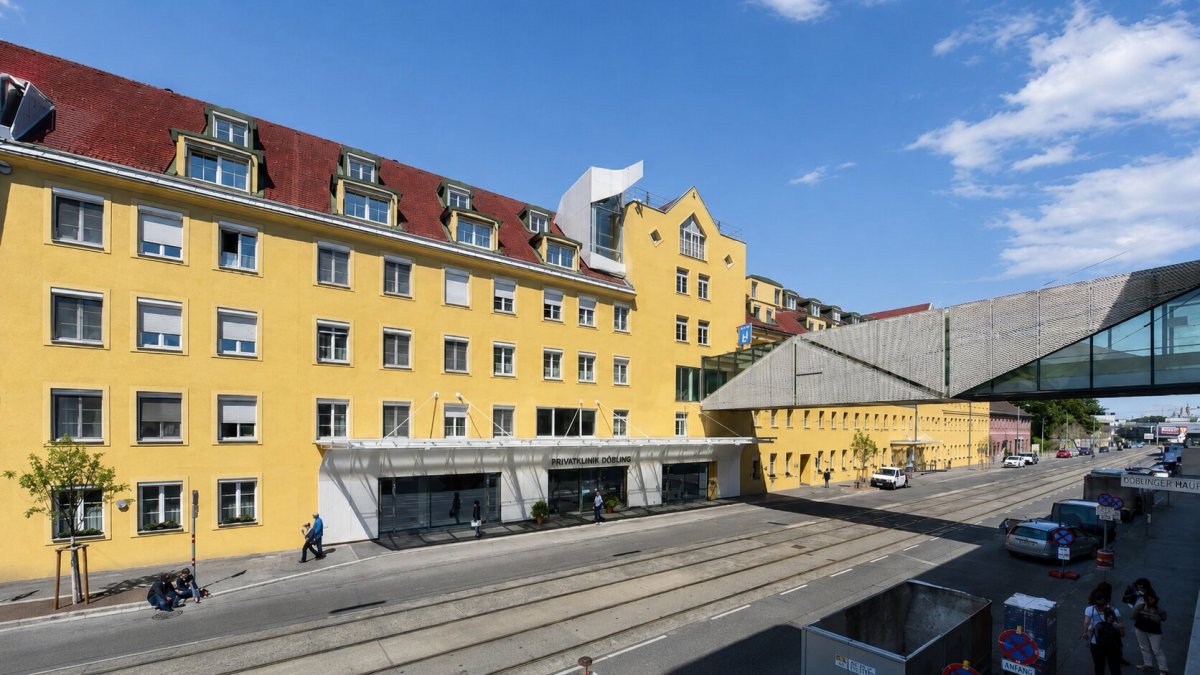
Opinión de expertos de Bookimed: Si bien los hospitales universitarios ofrecen amplios recursos, las instituciones privadas como el Hospital Privado Döbling en Viena priorizan la se
¿Cómo confirman de forma fiable los especialistas austriacos el diagnóstico y determinan el tipo de síndrome de la aorta torácica superior?
Los especialistas austriacos confirman el diagnóstico del síndrome del desfiladero torácico (SDT) mediante protocolos interdisciplinarios en el seno de redes universitarias. Combinan pruebas de provocación física con estudios de imagen dinámica y neurofisiológicos. Antes de establecer el diagnóstico, deben descartar la radiculopatía cervical y el síndrome del túnel carpiano. Para confirmar la compresión neurogénica, utilizan bloqueos anestésicos específicos.
- Manipulación física: Los médicos utilizan las pruebas de Roos y Adson para reproducir síntomas relacionados con la posición del cuerpo.
- Imágenes dinámicas: La ecografía Doppler funcional registra los cambios en el flujo sanguíneo a medida que se eleva el brazo.
- Neurografía: La resonancia magnética de alta resolución permite visualizar la inflamación de los nervios y las bandas fibrosas estructurales.
- Bloqueo diagnóstico: Las inyecciones guiadas por ecografía en los músculos escalenos confirman el síndrome aórtico torácico superior neurogénico, proporcionando un alivio temporal de los síntomas.
Opinión experta de Bookimed: Los datos clínicos de Viena demuestran que instituciones médicas líderes como el Hospital Privado Döbling priorizan la seguridad, con tasas de complicaciones inferiores a lo habitual. Si bien muchas pruebas diagnósticas parecen estándar, los especialistas austriacos
¿Qué métodos de tratamiento conservador se utilizan en los programas austriacos como terapia de primera línea para el síndrome aórtico torácico superior neurogénico?
Los programas de tratamiento austriacos para el síndrome del desfiladero torácico neurogénico priorizan un protocolo de tratamiento conservador multimodal con una duración de 4 a 12 semanas. La primera línea terapéutica se centra en restaurar la biomecánica mediante fisioterapia especializada y movilización manual de las costillas. Los médicos combinan la corrección postural con apoyo farmacológico para descomprimir el plexo braquial antes de considerar la intervención quirúrgica.
- Restauración biomecánica: la terapia manual tiene como objetivo la descompresión de la primera costilla y la articulación cervicotorácica.
- Relajación muscular específica: Los estiramientos específicos se dirigen a los músculos escalenos y pectorales menores hiperactivos.
- Corrección postural: Los protocolos de fortalecimiento muscular estabilizan la escápula y los músculos flexores profundos del cuello.
- Bloqueos intervencionistas: Las inyecciones de ropivacaína o Botox en la región interescalénica bajo control visual pueden aliviar el dolor neurálgico intenso.
Opinión experta de Bookimed: Los datos de los principales centros vieneses, como el Hospital Privado Döbling, demuestran que dan gran importancia al tratamiento interdisciplinario. Aunque atienden a más de 16 000 pacientes al año, los casos de nTOS (síndrome de la aorta torácica superior) se rigen por una e
¿Se utilizan en Austria las inyecciones no quirúrgicas guiadas por ecografía para la descompresión del estrecho torácico?
En Austria, los especialistas utilizan inyecciones no quirúrgicas guiadas por ecografía para tratar el síndrome del desfiladero torácico neurogénico. Estos procedimientos alivian la presión sobre los nervios del plexo braquial. Instituciones médicas austriacas, como el Hospital Privado Döbling en Viena, emplean técnicas de imagen avanzadas para garantizar la precisión en la colocación de la aguja. Este enfoque evita riesgos quirúrgicos graves al tiempo que permite tratar atrapamientos musculares específicos.
- Tipos de procedimientos: Los médicos utilizan la toxina botulínica para relajar los músculos escalenos anteriores o medios que se encuentran en espasmo.
- Hidrodisección nerviosa: Los técnicos inyectan solución salina o dextrosa para separar los nervios del tejido cicatricial circundante.
- Bloqueo diagnóstico: Las inyecciones de anestesia local ayudan a confirmar si una obstrucción en el conducto torácico es la causa del dolor del paciente.
- Tecnología de navegación: La ecografía de alta resolución proporciona visualización en tiempo real, lo que ayuda a evitar daños a las estructuras vasculares cercanas.
Opinión de expertos de Bookimed: Viena alberga centros médicos con certificación ISO, como el Hospital Privado Döbling, que atiende a más de 16 000 pacientes al año. Si bien las inyecciones se utilizan ampliamente, las clínicas austriaca
¿En qué casos se recomienda la intervención quirúrgica en lugar del tratamiento conservador a largo plazo?
Se recomienda la intervención quirúrgica en los casos en que los tratamientos conservadores resultan ineficaces tras 6 a 12 semanas. Entre los factores desencadenantes clínicos se incluyen el deterioro neurológico progresivo o las complicaciones vasculares. Las clínicas austriacas, como el Hospital Privado Döbling, priorizan las intervenciones en casos de inestabilidad estructural. La cirugía oportuna previene el daño nervioso irreversible y la discapacidad funcional.
- Trastornos neurológicos: La cirugía es necesaria si la debilidad motora o la pérdida sensorial empeoran.
- Factores vasculares que provocan el desarrollo del síndrome aórtico torácico superior: la hinchazón o la frialdad de la mano requieren un tratamiento intensivo del síndrome vascular aórtico torácico superior.
- Deterioro funcional: la intervención se produce cuando, a pesar de la terapia, resulta imposible realizar las actividades cotidianas.
- Bloqueo diagnóstico: El alivio temporal del dolor que se logra con el bloqueo de los músculos escalenos mejora la eficacia de la intervención quirúrgica.
Opinión de los expertos de Bookimed: Nuestros datos de clínicas acreditadas por la JCI, como el Hospital Privado Döbling, demuestran que priorizan la experiencia basada en el volumen de procedimientos realizados. Este hospital atiende a 16 000 pacientes internacionales anualmente, man