Tratamiento quirúrgico de las lesiones del plexo braquial (La parálisis de Dejerine-Klumpke) en Turquía: las 6 mejores clínicas y sus precios


Revisado médicamente por
Fahad Mawlood
Cómo funciona
¿Cuál es el precio de Tratamiento quirúrgico de las lesiones del plexo braquial (La parálisis de Dejerine-Klumpke) en Turquía? Descubra ahora
De $19,600. Los precios varían según la clínica, la experiencia del cirujano en reconstrucción nerviosa, la complejidad de la lesión nerviosa y si se requieren técnicas microquirúrgicas o injertos nerviosos. UU.
Los hospitales turcos suelen incluir en el paquete la evaluación preoperatoria, anestesia general, el procedimiento quirúrgico (con o sin injertos nerviosos), la estancia hospitalaria (a menudo de 2 a 5 días), medicamentos y visitas de seguimiento postoperatorio. En EE. UU., el precio indicado suele cubrir solo los honorarios del cirujano, mientras que la anestesia, los cargos hospitalarios y la rehabilitación se facturan por separado. Siempre confirmar con la clínica qué está incluido, especialmente en lo referente a fisioterapia y apoyo postquirúrgico.
| España | Turquía | México | |
|---|---|---|---|
| Tratamiento quirúrgico de las lesiones del plexo braquial (La parálisis de Dejerine-Klumpke) | de $28,100 | de $19,600 | ≈ $9,500 |
Descubra las mejores clínicas de Tratamiento quirúrgico de las lesiones del plexo braquial (La parálisis de Dejerine-Klumpke) en Turquía: 6 opciones verificadas y Precios






El Centro Médico de Rehabilitación y Terapia Física Fizyomer


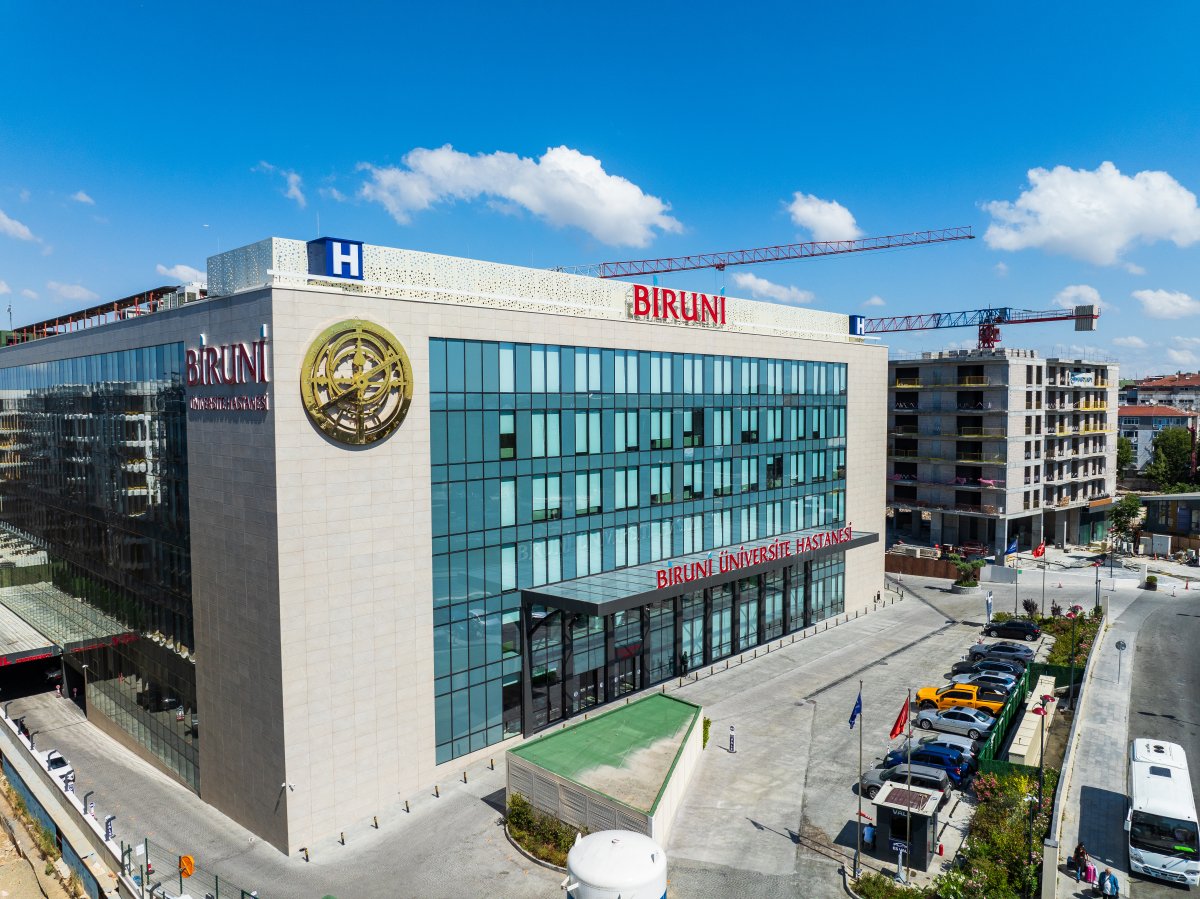


Descripción general de Tratamiento quirúrgico de las lesiones del plexo braquial (La parálisis de Dejerine-Klumpke) en Turquía
- Neurorrafia - de $3,000El procedimiento vuelve a conectar los nervios cortados para restaurar la función del cuerpo mediante una técnica microquirúrgica y promueve una curación rápida.
- Tratamiento quirúrgico de las lesiones del plexo braquial (La parálisis de Dejerine-Klumpke) - de $19,600Esta operación restaura la función del brazo en pacientes con parálisis de Klumpke, reparando los nervios dañados a través de técnicas quirúrgicas precisas.
Día 1 - Llegada
- Llegue al centro médico para los procedimientos previos a la operación.
- Consulte con un traumatólogo ortopedista.
- Regístrese en su cámara individual para descansar.
Día 2 - Preoperatorio
- Sométete a las pruebas médicas necesarias, como MRI y EMG.
- Discuta el plan quirúrgico con su cirujano.
- Reúnase con un anestesiólogo para analizar las opciones de anestesia.
- Comience a ayunar a la medianoche si es necesario.
Día 3 - Cirugía
- Someterse a la cirugía de parálisis de Klumpke, que dura alrededor de 3 horas.
- Recuperación en la unidad de cuidados postanestésicos.
- Regrese a su cámara individual para la recuperación inicial.
Día 4 a Día 7 - Postoperatorio
- Permanezca en la clínica para monitoreo y manejo del dolor.
- Comience la fisioterapia tan pronto como pueda.
- Reciba un plan de atención domiciliaria y citas de seguimiento.
Semana 1 a Semana 6 - Rehabilitación
- Continuar con la fisioterapia en casa.
- Vuelva al trabajo no extenuante después de 2 semanas.
- Regrese gradualmente a los deportes y otras actividades después de 4 semanas.
Semana 6 en adelante
- Continúe con la fisioterapia según lo recomendado por su terapeuta.
- Espere ver el resultado final después de 3 a 6 meses.
Tenga en cuenta que el cronograma de recuperación de cada paciente puede variar según las circunstancias individuales y los detalles específicos de la cirugía.
- Depósito de Bookimed: 200 $ o 200 €.
- Depósito de la clínica: Pague un porcentaje fijo por adelantado.
Obtenga una evaluación médica de Tratamiento quirúrgico de las lesiones del plexo braquial (La parálisis de Dejerine-Klumpke) en Turquía: haga una consulta con 9 médicos experimentados ahora
Ver todos los médicos
Hasan Ozgur Ozdemir
El Prof. Dr. Hasan Ozgur Ozdemir se especializa en neurocirugía, con un enfoque en cirugías complejas de columna y cerebro en el complejo hospitalario Medical Park Antalya.
- Más de _doctor_9311_años_ de experiencia en neurocirugía
- Experto en cirugías endoscópicas de cerebro y columna
- Primer lugar en el examen de competencia de la Sociedad Turca de Neurocirugía
- Miembro de la Sociedad Turca de Neurocirugía

Ramazan Sari
Profesor asociado de neurocirugía con _doctor_8454_ años de experiencia, el Dr. Sari se especializa en afecciones nerviosas complejas en el Hospital Istanbul Florence Nightingale.
- Formado en el Hospital de Formación e Investigación S.B. Göztepe
- Participó en el proceso de acreditación de la EANS durante su especialización
- Contribuyó al establecimiento del departamento de neurocirugía en la Universidad Medipol
- Dominio avanzado del inglés para pacientes internacionales

Salih Murat Imer
El Prof. Imer, con más de _doctor_6832_ años de experiencia en neurocirugía, se especializa en afecciones nerviosas complejas en el Hospital Istanbul Florence Nightingale.
- Neurocirujano certificado con amplia formación en neurocirugía funcional
- Formación avanzada en Francia y Finlandia en procedimientos relacionados con los nervios
- Ha publicado 68 artículos y 9 capítulos de libros sobre temas neuroquirúrgicos
- Fundador del Departamento de Neurocirugía en el Hospital de la Universidad Okan
Historias en video de pacientes de Bookimed
Reseñas
Todas las reseñas




Compartir contenido
 Olena Sikoza
Preguntas frecuentes sobre Tratamiento quirúrgico de las lesiones del plexo braquial (La parálisis de Dejerine-Klumpke) en Turquía
¿Es seguro someterse a una cirugía nerviosa para la parálisis de Klumpke en Turquía?
La cirugía nerviosa para la parálisis de Klumpke en Turquía es segura en instalaciones acreditadas por la JCI que utilizan neuromonitoreo intraoperatorio avanzado para proteger la función nerviosa. Se mantienen altos estándares de seguridad gracias a neurocirujanos y especialistas ortopédicos certificados con décadas de experiencia en injertos y transferencias nerviosas microquirúrgicas.
- Instalaciones acreditadas: Centros de primer nivel como Memorial Bahçelievler cuentan con certificaciones de calidad JCI e ISO.
- Cirujanos expertos: El Prof. Dr. Ilhan Elmaci aporta más de 39 años de experiencia en microcirugía.
- Tecnología especializada: Las clínicas utilizan quirófanos digitales para injertos nerviosos y descompresiones precisas.
- Éxito establecido: Los procedimientos del plexo braquial en Turquía muestran tasas de mejora funcional superiores al 80 %.
Opinión del experto de Bookimed: Aunque muchos eligen Estambul por su volumen, el Hospital Privado Medicabil en Bursa reporta una tasa de éxito ortopédico del 99,9 %. Los pacientes que buscan cirugía de nervios periféricos deben priorizar clínicas como Liv Hospital Ulus, que brindan un manejo personalizado por etapas, incluyendo diagnósticos detallados de resonancia magnética y EMG antes de la cirugía.
Consenso de los pacientes: Los pacientes enfatizan que es esencia
¿Qué técnicas quirúrgicas se utilizan en Turquía para la parálisis de Klumpke?
Las técnicas quirúrgicas para la parálisis de Klumpke en Turquía se centran en restaurar la función de la mano y los dedos mediante microcirugía avanzada. Los centros acreditados por la JCI utilizan injertos nerviosos, transferencias nerviosas como las técnicas de Oberlin o intercostales, y transferencias musculares funcionales libres (FFMT) para tratar las lesiones del plexo braquial inferior dentro de modernas instalaciones neurológicas.
- Injerto nervioso: Los cirujanos utilizan autoinjertos del nervio sural para cerrar brechas en el tejido nervioso dañado.
- Transferencias de neurotización: Se redirigen nervios sanos para restaurar las señales motoras a los músculos paralizados de la mano.
- Transferencia muscular libre: Los músculos del muslo mejoran la fuerza de agarre cuando los músculos locales se han atrofiado permanentemente.
- Coaptación extremo a extremo: La reparación microquirúrgica directa conecta los extremos nerviosos seccionados para facilitar las vías de regeneración natural.
Perspectiva del experto de Bookimed: Los especialistas turcos enfatizan que la fisioterapia postoperatoria representa el 50% del éxito total. Cirujanos líderes como el Prof. Dr. İlhan Elmacı en el Hospital Florence Nightingale de Estambul integran la neuromonitorización intraoperatoria para garantizar la protección nerviosa. Este enfoque integral a menud
¿Cuándo se recomienda la cirugía para la parálisis de Klumpke?
La cirugía para la parálisis de Klumpke se recomienda cuando los pacientes no muestran una mejora funcional significativa después de 3 a 6 meses de fisioterapia. Se requiere una intervención inmediata para lesiones estructurales graves, como avulsiones o rupturas nerviosas confirmadas mediante resonancia magnética o pruebas de EMG, para prevenir la atrofia muscular permanente.
- Ventana de recuperación: La mayoría de los expertos recomiendan la cirugía antes de los 12 a 18 meses para evitar la denervación irreversible.
- Disparadores de diagnóstico: Falta de función muscular antigravedad o recuperación del bíceps entre los 3 y 9 meses.
- Indicadores graves: La presencia del síndrome de Horner o síntomas de brazo flácido justifican una exploración quirúrgica temprana.
- Daño estructural: Las avulsiones confirmadas de las raíces nerviosas de la médula espinal requieren una reparación microquirúrgica inmediata.
Perspectiva del experto de Bookimed: Los datos de los principales centros turcos como Memorial Şişli y Liv Hospital Ulus muestran un cambio hacia las transferencias nerviosas en lugar de los injertos tradicionales. Cirujanos como el Prof. Erkan Kaptanoglu enfatizan que las transferencias generalmente proporcionan una reinervación más rápida. Esto es crucial ya que las placas motoras terminales en la mano se degradan rápidamente sin una seña
¿Cuál es el cronograma de recuperación después de la cirugía de la parálisis de Klumpke?
La recuperación después de la cirugía de la parálisis de Klumpke es un proceso gradual en el que los nervios se regeneran a una velocidad aproximada de 2,5 cm por mes. Los pacientes suelen notar los primeros espasmos musculares entre los tres y seis meses, mientras que los resultados funcionales completos y el fortalecimiento de los músculos de la mano a menudo requieren dos años de rehabilitación constante.
- Fase de protección: El brazo permanece en un yeso o vendaje durante 3 semanas después de la cirugía.
- Movimientos iniciales: La reinervación muscular significativa y los primeros movimientos activos suelen aparecer hacia el sexto mes.
- Ganancias funcionales: Los flexores digitales y la fuerza de agarre suelen mostrar una mejora medible hacia el mes 15.
- Resultados a largo plazo: La recuperación final de los músculos intrínsecos de la mano puede tardar 24 meses o más.
Perspectiva del experto de Bookimed: Los centros de alto volumen como Liv Hospital o Memorial Şişli priorizan la neuroplasticidad temprana involucrando a equipos de rehabilitación durante la primera semana. Los datos indican que, si bien los injertos nerviosos tardan de 6 a 8 meses en lograr el retorno motor, las transferencias nerviosas a menudo muestran resultados hacia el cuarto mes. Elegir a un cirujano como el Prof. Erkan Kaptanoğlu, especializado en neurocirugía pedi
¿Cuál es la tasa de éxito de la cirugía de la parálisis de Klumpke en Turquía?
La cirugía de la parálisis de Klumpke en Turquía logra una tasa de eficacia del 80% al 90% para la mejora de la función motora. El éxito depende en gran medida del momento de la cirugía, ya que los procedimientos realizados dentro de los 3 a 6 meses posteriores a la lesión ofrecen el mejor pronóstico para la recuperación muscular y la regeneración nerviosa funcional.
- Tasa de éxito: Las clínicas líderes reportan hasta un 90% de eficacia en reconstrucciones nerviosas complejas en etapas tardías.
- Momento óptimo: Los procedimientos realizados dentro de los 6 meses superan significativamente a los retrasados más allá de 1 año.
- Técnicas avanzadas: Las transferencias nerviosas generalmente muestran tasas de éxito más altas en comparación con los métodos de injerto tradicionales.
- Impacto de la rehabilitación: Los centros especializados logran una tasa de éxito del 98% en ganancias funcionales utilizando fisioterapia intensiva.
Perspectiva del experto de Bookimed: El éxito en Turquía está impulsado por un volumen masivo de casos neuroquirúrgicos, con clínicas como Liv Hospital Ulus atendiendo a más de 331,000 pacientes anualmente. Esta alta frecuencia permite a los cirujanos perfeccionar las técnicas microquirúrgicas para lesiones raras del plexo braquial como la de Klumpke. Observamos una tendencia donde la combinación de cirugía con rehabilita
¿Cuáles son los mejores hospitales para la cirugía de la parálisis de Klumpke en Turquía?
Turquía ofrece clínicas avanzadas como Memorial Sisli y Liv Hospital Ulus para la cirugía de la parálisis de Klumpke, utilizando injertos nerviosos y transferencias musculares. Las unidades especializadas en cirugía de mano en Estambul y Antalya integran neuromonitoreo intraoperatorio para maximizar la recuperación nerviosa en casos complejos de plexo braquial.
- Experiencia quirúrgica: El Prof. Mehmet Alp en Memorial Sisli ofrece 34 años de experiencia en microcirugía.
- Diagnóstico avanzado: Acibadem International utiliza resonancia magnética 3T y PET-CT para un mapeo preciso del daño nervioso.
- Especialización pediátrica: Medical Park Antalya proporciona neurocirugía pediátrica dedicada para condiciones nerviosas complejas.
- Rehabilitación integrada: Fizyomer Terapia en Eskisehir ofrece programas intensivos de terapia robótica postoperatoria de 21 días.
Perspectiva del experto de Bookimed: Aunque la marca de los hospitales es fuerte en Estambul, la experiencia quirúrgica es el principal diferenciador. El Prof. Erkan Kaptanoglu en la Clínica Estexper se especializa en terapia con células madre autólogas para la regeneración nerviosa. Este enfoque avanzado puede complementar significativamente la neurorrafia tradicional para mejorar los resultados funcionales en casos de parálisis severa.
Consenso de los pacientes: Mu
¿Quiénes son los cirujanos líderes para la cirugía de la parálisis de Klumpke en Turquía?
Los cirujanos líderes para la cirugía de la parálisis de Klumpke en Turquía incluyen al Prof. Dr. Ilhan Elmaci en el Hospital Istanbul Florence Nightingale y al Prof. Dr. Erkan Kaptanoglu en la Clínica Estexper. Estos especialistas utilizan micro-neurocirugía avanzada y neuromonitoreo intraoperatorio en instalaciones acreditadas por la Joint Commission International (JCI) para restaurar la función del plexo braquial inferior.
- Prof. Ilhan Elmaci: Realiza micro-neurocirugía en el Hospital Istanbul Florence Nightingale utilizando protocolos estándar de Johns Hopkins.
- Prof. Erkan Kaptanoglu: Especializado en regeneración de nervios periféricos y lesiones complejas de la médula espinal en la Clínica Estexper.
- Dr. Ramazan Uyar: Se enfoca en afecciones nerviosas pediátricas y estimulación vagal genética en Medical Park Antalya.
- Prof. Mehmet Alp: Realiza reparaciones nerviosas de etapa tardía y transferencias musculares complejas en el Hospital Memorial Şişli.
Perspectiva de expertos de Bookimed: Aunque muchos buscan cirujanos de renombre en Estambul, el Liv Hospital Ulus destaca por su enfoque diagnóstico integrado. Combinan fisioterapia intensiva con estudios avanzados de resonancia magnética y EMG antes de confirmar la cirugía. Esta estadificación a menudo evita procedimientos innecesarios para pacientes que podrían recuperarse solo mediante