Endometriosis Tratamiento en Estados Unidos — Costos 2026


Revisado médicamente por
Fahad Mawlood
¿Cuál es el precio del diagnóstico y los tratamientos de Endometriosis en Estados Unidos? Descubra ahora
El costo del tratamiento de la endometriosis en los Estados Unidos de América generalmente comienza con estudios de diagnóstico por imagen o una consulta con un ginecólogo, con un costo de $250 a $450. La intervención quirúrgica primaria, como la cirugía laparoscópica para la endometriosis, suele oscilar entre $14,000 y $24,000. Los gastos totales dependen de la cobertura del seguro médico, la etapa de la enfermedad y las tarifas hospitalarias. Los principales centros médicos para este tratamiento incluyen Maryland y Princeton.
Costos típicos del tratamiento de la endometriosis en los Estados Unidos de América
- Consulta con un ginecólogo: $250 – $450
- Histeroscopia: $1,800 – $4,000
- Análisis de sangre extendido: de $250
- Cirugía laparoscópica para la endometriosis: $14,000 – $24,000
- Operación de Wertheim-Meigs: $40,000 – $65,000
- Conización cervical: $6,500 – $11,000
Perspectiva de expertos de Bookimed: Los pacientes que buscan experiencia de alto nivel deben considerar hospitales académicos multidisciplinarios. El Hospital Johns Hopkins atiende a pacientes de 49 estados, lo que lo hace ideal para casos complejos. El Hospital Princeton en Plainsboro está clasificado entre el 5% de los mejores hospitales de EE. UU. Estas instituciones docentes ofrecen las últimas técnicas quirúrgicas para la endometriosis avanzada. Elegir un centro con equipos especializados en oncología o ginecología garantiza una atención coordinada y multidisciplinaria.
| Estados Unidos | España | Turquía | |
|---|---|---|---|
| La operación Wertheim-Meigs | ≈ $40,000 | de $28,000 | de $8,000 |
| Conización del cuello uterino | ≈ $6,500 | ≈ $1,500 | de $900 |
| Cirugía laparoscópica para la endometriosis | ≈ $14,000 | de $13,400 | de $6,900 |
Sus beneficios y garantías con Bookimed
Precios directos
Bookimed no añade cargos extra a los precios de los tratamientos de Endometriosis. Las tarifas proceden de las listas de precios oficiales de las clínicas. Pagará directamente en la clínica por su tratamiento a su llegada al país.
Sólo clínicas y médicos verificados
Bookimed está comprometido con su seguridad. Solo trabajamos con las clínicas que mantienen altos estándares internacionales en el tratamiento de Endometriosis y cuentan con las licencias necesarias para atender a pacientes internacionales en todo el mundo.
Asistencia 24/7 gratuita
Bookimed ofrece asistencia experta gratuita. Un coordinador médico personal le apoya antes, durante y después de su tratamiento, resolviendo cualquier problema. Nunca estará solo en su viaje médico de tratamiento de Endometriosis.

Su coordinador médico personal de Bookimed
- Le apoya en cada etapa
- Ayuda a elegir la clínica y el médico adecuados
- Asegura un acceso rápido y conveniente a la información
Descubra las mejores clínicas de tratamiento de Endometriosis en Estados Unidos: 4 opciones verificadas y Precios
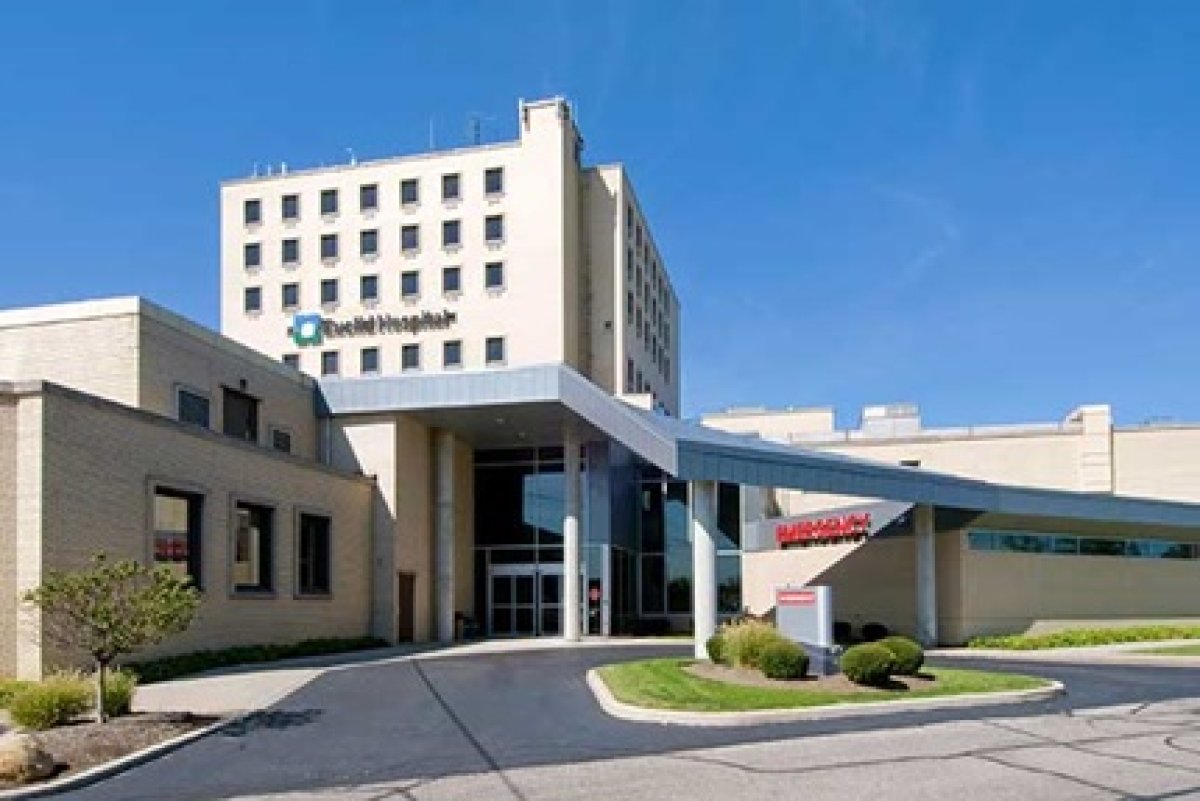





Princeton Hospital at Plainsboro

Johns Hopkins Hospital
Brooklyn Abortion Clinic
Obtenga una evaluación médica para Endometriosis en Estados Unidos: consulte con doctores experimentados ahora
Ver todos los médicos
Dmitriy Bronfman
Compartir contenido
Historias en video de pacientes de Bookimed
 Olena Sikoza
Preguntas frecuentes sobre el tratamiento de Endometriosis en Estados Unidos
¿Cómo se diagnostica definitivamente la endometriosis en los EE. UU.?
El diagnóstico definitivo de endometriosis en los EE. UU. requiere una cirugía laparoscópica con biopsia. Los cirujanos insertan una cámara a través de pequeñas incisiones para visualizar las lesiones. Este es el único método estándar de oro. Los resultados de imágenes como las resonancias magnéticas a menudo parecen normales incluso en casos avanzados.
- Visualización quirúrgica: Los cirujanos identifican físicamente el tejido similar al endometrial durante una laparoscopia mínimamente invasiva.
- Análisis histopatológico: Los patólogos examinan muestras de tejido bajo un microscopio para confirmar el diagnóstico.
- Limitaciones diagnósticas: Las ecografías y las resonancias magnéticas a menudo pasan por alto lesiones superficiales o crecimientos en etapas tempranas.
- Sospecha clínica: Los médicos pueden sugerir un diagnóstico basado en los síntomas antes de la cirugía.
Perspectiva de expertos de Bookimed: La precisión depende en gran medida del tipo de centro y del volumen clínico. Los principales centros académicos como el Hospital Johns Hopkins atienden a pacientes de 49 estados anualmente. Estas instituciones proporcionan laboratorios de patología especializados que son esenciales para confirmar la endometriosis microscópica. Elegir hospitales académicos de alto volumen a menudo conduce a una estadificación más precisa durante el procedim
¿Qué método quirúrgico se prefiere para tratar la endometriosis: la escisión o la ablación?
La escisión laparoscópica es el estándar de oro para tratar la endometriosis en los Estados Unidos. Este método implica cortar las lesiones y sus raíces. Ofrece tasas de recurrencia más bajas y una mayor precisión diagnóstica que la ablación. Los especialistas en instituciones como el Johns Hopkins Hospital priorizan la escisión para la enfermedad infiltrante profunda.
- Profundidad de eliminación: La escisión elimina las lesiones completas y las raíces subyacentes para evitar que vuelvan a crecer.
- Precisión diagnóstica: Los cirujanos recolectan muestras de tejido durante la escisión para una confirmación definitiva mediante biopsia de laboratorio.
- Riesgo de recurrencia: La escisión se asocia con una menor recurrencia a largo plazo en comparación con la ablación superficial.
- Acceso a especialistas: Los principales hospitales de EE. UU. con acreditación del Council of Teaching Hospital (COTH) brindan escisión especializada.
Perspectiva del experto de Bookimed: Los pacientes a menudo se enfrentan a la elección entre ginecólogos generales y centros altamente especializados como el Johns Hopkins Hospital. Si bien las clínicas generales son más accesibles, los centros especializados en Maryland o Nueva Jersey se centran en la escisión para tratar la enfermedad profunda. Elegir un centro con credenciales académicas como la membresía COTH garant
¿Cuál es el tiempo típico de recuperación después de una cirugía mínimamente invasiva para la endometriosis?
La recuperación de una cirugía de endometriosis mínimamente invasiva suele oscilar entre 2 y 4 semanas. La mayoría de las pacientes reanudan sus actividades diarias ligeras en un plazo de 7 días. La cicatrización interna completa de los tejidos suele requerir de 6 a 12 semanas. Centros estadounidenses especializados como el Johns Hopkins Hospital facilitan estos procedimientos laparoscópicos para pacientes de todo el país.
- Actividad inicial: Las pacientes a menudo comienzan a caminar el mismo día de su procedimiento.
- Regreso al trabajo: Los profesionales que trabajan en oficinas suelen regresar al trabajo en un plazo de 5 a 10 días.
- Restricciones físicas: Evite levantar más de 10 libras (aprox. 4,5 kg) durante al menos 2 semanas.
- Resolución de síntomas: El dolor de hombro causado por el gas quirúrgico generalmente desaparece en un plazo de 2 a 4 días.
Perspectiva de expertos de Bookimed: Enfóquese en clínicas con un alto prestigio académico como el Princeton Hospital en Plainsboro. Estas instituciones se encuentran entre el 5% de los mejores hospitales de EE. UU. A menudo integran equipos multidisciplinarios que incluyen ginecólogos y especialistas. Este enfoque es vital cuando la endometriosis afecta ubicaciones como la vejiga o el intestino. Nuestros datos muestran que estos equipos integrados ayudan a manejar los casos complejos de m
¿Qué síntomas suelen llevar a una derivación para el tratamiento de la endometriosis?
Las derivaciones para el tratamiento de la endometriosis en los Estados Unidos suelen seguir a dolores menstruales debilitantes. Los médicos derivan a las pacientes cuando los síntomas resisten a los medicamentos de venta libre o a la terapia hormonal. Los desencadenantes clave incluyen dolor pélvico crónico que dura más de 3 meses y dolor profundo durante las relaciones sexuales. Las dificultades para concebir también motivan una evaluación especializada.
- Dismenorrea severa: Calambres que comienzan antes de la menstruación y duran más de 72 horas.
- Dolor pélvico crónico: Molestias persistentes en la parte baja del abdomen que ocurren fuera del periodo menstrual.
- Dispareunia profunda: Dolor intenso durante o después del sexo que afecta la intimidad.
- Disfunción excretora: Dolor al defecar o al orinar que empeora durante el periodo.
- Fallo del tratamiento: Síntomas que persisten después de 3 a 6 meses de tratamiento inicial.
Perspectiva del experto de Bookimed: Las pacientes en instituciones de primer nivel como el Johns Hopkins Hospital a menudo evitan las clínicas generales. Estos centros académicos atienden a pacientes de 49 estados para casos complejos de endometriosis. Nuestros datos sugieren buscar centros dentro del Council of Teaching Hospital and Health Systems. Estas instalaciones priorizan la cirugía lap
¿Cuáles son los tratamientos médicos más comunes antes de una cirugía?
Los tratamientos médicos primarios antes de una cirugía de endometriosis se centran en la supresión hormonal y el aclaramiento preoperatorio sistemático. Los protocolos estándar incluyen agonistas de la GnRH, progestágenos y una estadificación diagnóstica integral. Estos pasos garantizan la seguridad del paciente bajo anestesia y localizan las lesiones para una escisión laparoscópica precisa en centros multidisciplinarios de EE. UU.
- Supresión hormonal: Los agonistas o antagonistas de la GnRH reducen el tamaño de las lesiones y la inflamación pélvica.
- Estadificación diagnóstica: Los análisis de sangre extendidos y los perfiles hormonales confirman la preparación para la cirugía.
- Protocolos de imagen: El mapeo por ultrasonido o resonancia magnética identifica las ubicaciones de la endometriosis infiltrante profunda (EIP).
- Consultas clínicas: Las evaluaciones ginecológicas y multidisciplinarias coordinan la atención en centros médicos académicos.
Perspectiva del experto de Bookimed: Los pacientes que visitan instituciones estadounidenses de primer nivel, como el Johns Hopkins Hospital, a menudo se someten a una estrategia de preparación escalonada. Aunque muchos esperan una cirugía inmediata, los datos internos reflejan una fuerte tendencia hacia 3 a 6 meses de supresión médica previa. Esto reduce el campo quirúrgico al disminuir la inflam
¿Qué es la cirugía asistida por robot en el tratamiento de la endometriosis?
La cirugía asistida por robot para la endometriosis es un procedimiento mínimamente invasivo y preciso. Los cirujanos utilizan un sistema robótico para extirpar el tejido endometrial a través de pequeñas incisiones. Esta tecnología proporciona una vista 3D ampliada de la zona pélvica. Permite una disección meticulosa de las lesiones en zonas de alto riesgo.
- Mayor precisión: Los instrumentos articulados ofrecen un mayor rango de movimiento que las manos humanas.
- Visualización superior: Las cámaras 3D de alta definición ayudan a identificar lesiones endometriales pequeñas o atípicas.
- Recuperación más rápida: Los pacientes suelen regresar a casa entre 1 y 2 días después de la cirugía.
- Preservación de tejidos: Las vistas de alta resolución ayudan a los cirujanos a proteger los nervios pélvicos y los órganos reproductores delicados.
Perspectiva del experto de Bookimed: Instituciones estadounidenses de primer nivel como el Johns Hopkins Hospital atraen a pacientes de 49 estados para casos complejos. Los datos sugieren que el 5 % de los hospitales líderes, como el Princeton Hospital en Plainsboro, utilizan a menudo estos sistemas avanzados. Elegir centros académicos multidisciplinarios garantiza el acceso a cirujanos que realizan un gran volumen de escisiones robóticas anualmente.
Consenso de los pacientes: Los paciente
¿El tratamiento quirúrgico mejora las probabilidades de fertilidad en mujeres con endometriosis?
El tratamiento quirúrgico mejora las probabilidades de fertilidad al restaurar la anatomía y reducir la inflamación. La escisión laparoscópica puede duplicar las tasas de embarazo espontáneo para la enfermedad en estadio 1 o 2. Las tasas de concepción natural para el estadio 3 o 4 pueden alcanzar el 50% después de eliminar el tejido cicatricial. El éxito alcanza su punto máximo dentro de los 6 meses posteriores a la cirugía.
- Tasas de éxito: La cirugía puede duplicar las probabilidades de embarazo natural para pacientes con endometriosis leve.
- Estadios avanzados: La eliminación de quistes grandes y adherencias aumenta significativamente las posibilidades de concepción natural.
- Reserva ovárica: La cirugía para quistes de más de 4 cm puede reducir su reserva de óvulos.
- Resultados de la FIV: La cirugía de rutina antes de la FIV generalmente no mejora las tasas de nacidos vivos.
Perspectiva del experto de Bookimed: Si bien los hospitales generales como el Princeton Hospital en Plainsboro o el Johns Hopkins Hospital ofrecen atención para la endometriosis, las pacientes deben priorizar los centros que enfatizan la escisión laparoscópica sobre la ablación. Los datos muestran que la escisión apunta específicamente a las lesiones profundas de manera más efectiva. Esto preserva el tejido sano mejor que la ablación térmica. Si su reserva de óvulos