Endometriosis en México: las 8 mejores clínicas para su tratamiento


Revisado médicamente por
Fahad Mawlood
Cómo funciona
¿Cuál es el precio del diagnóstico y los tratamientos de Endometriosis en México? Descubra ahora
El costo del tratamiento de endometriosis en México varía según el procedimiento. La cirugía laparoscópica oscila entre 5.650 € y 6.460 €, incluyendo atención preoperatoria, quirúrgica y postoperatoria. Un tratamiento integral de FIV/ICSI cuesta alrededor de 8.620 €, cubriendo medicamentos, extracción de óvulos, procesos de laboratorio de FIV y transferencia de embriones. La terapia con células madre, con 100 millones de células, tiene un precio entre 6.060 € y 6.720 €, incluyendo tratamiento y alojamiento. La hospitalización y las tarifas médicas por aproximadamente 7.580 € están disponibles, excluyendo transporte y alojamiento, con una estancia mínima de 10 días.
| España | Turquía | México | |
|---|---|---|---|
| La operación Wertheim-Meigs | de $28,000 | de $8,000 | ≈ $14,000 |
| Conización del cuello uterino | ≈ $1,500 | de $900 | de $1,200 |
| Cirugía laparoscópica para la endometriosis | de $13,400 | de $6,400 | de $5,900 |
Descubra las mejores clínicas de tratamiento de Endometriosis en México: 8 opciones verificadas y Precios




Fertilidad Integral
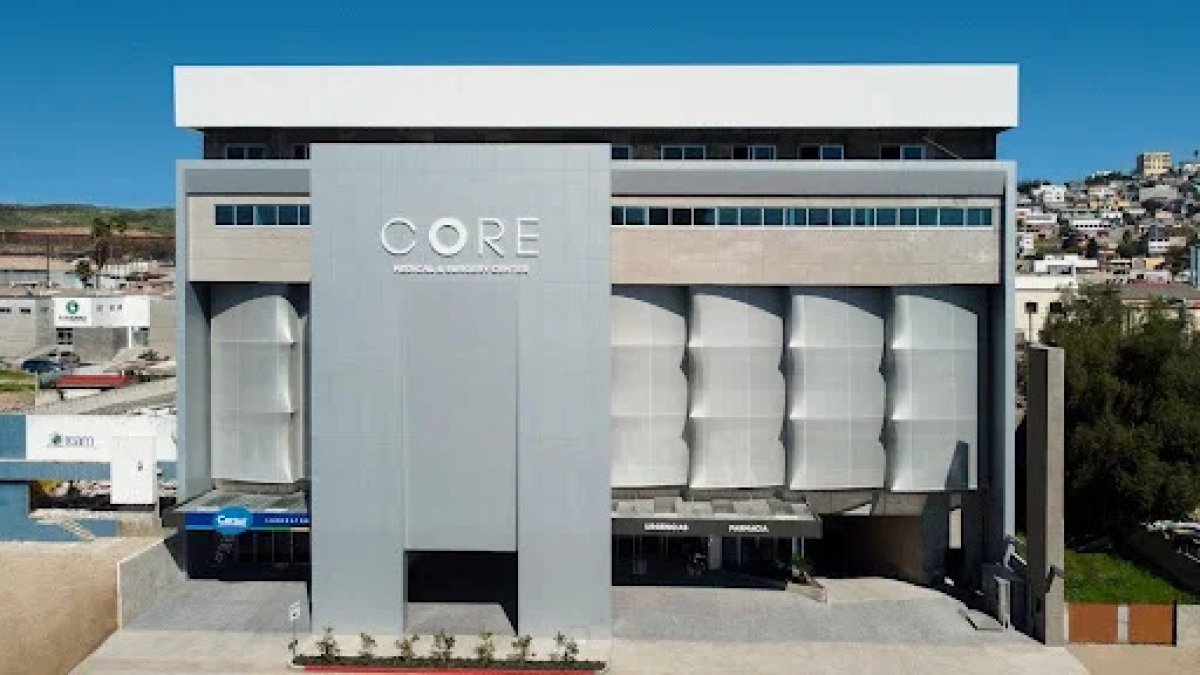
Advance Health Medical Center

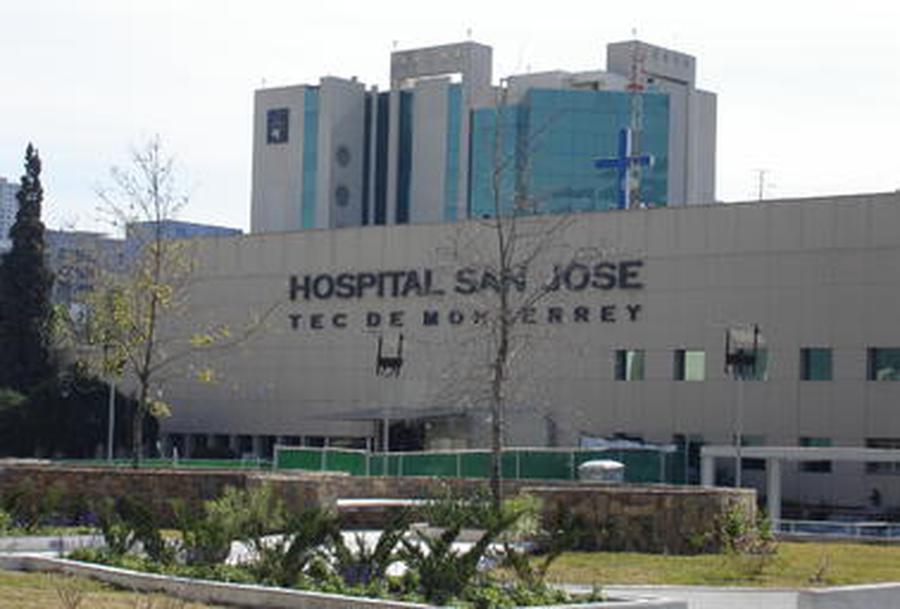
Hospital Zambrano Hellion


Ginecologo Playa del Carmen




Obtenga una evaluación médica de tratamiento de Endometriosis en México: haga una consulta con 11 médicos experimentados ahora
Ver todos los médicos
Enrique Pliego Esquivel
El Dr. Enrique Pliego Esquivel es un cirujano bariátrico y gastrointestinal en Cancún. Es uno de los pocos cirujanos en México con membresía en la ASMBS. El Dr. Pliego Esquivel está certificado por el Consejo Mexicano de Cirugía de la Obesidad. Se enfoca en la cirugía de pérdida de peso y el manejo de condiciones relacionadas con la obesidad.
- Miembro de la Sociedad Americana de Cirugía Metabólica y Bariátrica (ASMBS).
- Especializado en manga gástrica, bypass gástrico en Y de

Jose Rojas
El Dr. Jose Rojas ha realizado más de 1,100 tratamientos y se especializa en cirugía ginecológica con 43 años de experiencia.
- Fundador del Hospital de la Familia en Mexicali
- Certificado por el Consejo Mexicano de Ginecología y Obstetricia
- Especializado en tratamientos de fertilidad y cirugías ginecológicas complejas
- Habla inglés y español con fluidez
Compartir contenido
Historias en video de pacientes de Bookimed
 Olena Sikoza
Preguntas frecuentes sobre el tratamiento de Endometriosis en México
¿Qué técnicas quirúrgicas se utilizan para la endometriosis en México?
Los cirujanos en México utilizan principalmente la escisión laparoscópica y la cirugía asistida por robot para tratar la endometriosis preservando la fertilidad. Estas técnicas mínimamente invasivas implican pequeñas incisiones para eliminar el tejido enfermo. Centros como el Hospital de la Familia y la Clínica DR. IRERI ASTEINZA ofrecen cirugía ginecológica especializada cerca de la frontera entre EE. UU. y México.
- Escisión laparoscópica: Los cirujanos eliminan las lesiones visibles a través de pequeñas incisiones abdominales para reducir los riesgos de recurrencia.
- Laparoscopia asistida por robot: El sistema Da Vinci proporciona visualización 3D para casos complejos de infiltración profunda.
- Ablación laparoscópica: El calor o los láseres destruyen los implantes superficiales, técnica comúnmente utilizada para casos de endometriosis en etapa temprana.
- Cistectomía: Los especialistas eliminan los endometriomas ováricos preservando cuidadosamente el tejido y la función ovárica sana.
Perspectiva del experto de Bookimed: Aunque muchas instalaciones ofrecen ginecología general, centros especializados como el Advanced Fertility Center Cancun se centran intensamente en la medicina reproductiva. Los datos muestran que estos centros atienden a más de 1,100 pacientes internacionales al año. Elegir una clínica con un alto volumen de pacientes y ac
¿Qué técnicas quirúrgicas se utilizan para el tratamiento de la endometriosis en México?
Los cirujanos en México utilizan principalmente la escisión laparoscópica para tratar la endometriosis. Esta técnica, considerada el estándar de oro, elimina la lesión completa, incluidas sus raíces. Centros especializados en Ciudad de México, Cancún y Mexicali también ofrecen cirugía asistida por robot utilizando el sistema da Vinci para una mayor precisión en casos complejos.
- Escisión laparoscópica: Los cirujanos eliminan las lesiones profundas para reducir la recurrencia en comparación con la ablación superficial.
- Cirugía asistida por robot: La plataforma da Vinci proporciona visualización 3D para tratar la endometriosis profunda infiltrante.
- Resección intestinal: Los especialistas realizan resecciones complejas cuando la endometriosis afecta la vejiga o los órganos pélvicos.
- Diagnóstico avanzado: Los mejores centros utilizan histeroscopia y perfiles hormonales para mapear la enfermedad antes de la cirugía.
Opinión del experto de Bookimed: Los datos de los pacientes muestran una clara preferencia por especialistas con amplia experiencia en cirugía ginecológica. Por ejemplo, la Dra. Ireri Asteinza en Ciudad de México atiende aproximadamente a 47,000 pacientes al año. Elegir centros de alta capacidad a menudo garantiza el acceso tanto a la histeroscopia diagnóstica como a la escisión laparoscópica avanzada en un mismo lugar.
¿Están acreditados los hospitales?
Los hospitales de endometriosis en México cuentan con prestigiosas acreditaciones nacionales e internacionales que garantizan altos estándares de seguridad. Las instalaciones mantienen frecuentemente la acreditación de la Joint Commission International (JCI) o la certificación del Consejo de Salubridad General (CSG). Estas credenciales confirman el cumplimiento de rigurosos protocolos globales para la atención quirúrgica y la seguridad del paciente.
- Acreditación JCI: El Hospital San José y la Clínica de la Dra. Ireri Asteinza cumplen con los estándares de oro globales.
- Certificación CSG: Este reconocimiento del Consejo de Salubridad General de México valida la calidad e higiene hospitalaria.
- Credenciales de los cirujanos: Especialistas como el Dr. José Rojas cuentan con certificaciones del Consejo Mexicano de Ginecología.
- Volumen internacional: Las clínicas líderes atienden a más de 47,000 pacientes al año provenientes de EE. UU. y Europa.
Perspectiva del experto de Bookimed: Los datos de acreditación muestran una clara división entre las instalaciones tipo boutique y los centros de alto volumen. Mientras que el Hospital de la Familia ofrece un entorno privado de 32 habitaciones con honores del CSG, los centros más grandes acreditados por la JCI en la Ciudad de México manejan volúmenes masivos de pacientes. Elegir una instalación con es
¿Están los hospitales y clínicas mexicanos acreditados bajo un estándar internacional?
Determinados hospitales mexicanos mantienen una acreditación internacional a través de la Joint Commission International (JCI) y el Consejo de Salubridad General (CSG). Estas instalaciones cumplen con protocolos de seguridad idénticos a los de los Estados Unidos. Los centros líderes en el tratamiento de la endometriosis utilizan técnicas laparoscópicas y se someten a una certificación rigurosa cada 5 años.
- Acreditación JCI: Reconoce las mejores prácticas globales para la seguridad del paciente y la calidad clínica.
- Certificación CSG: Estándar nacional obligatorio modelado explícitamente según los puntos de referencia de alto nivel de la JCI.
- Consejos especializados: Los cirujanos poseen certificaciones del Consejo Mexicano de Ginecología y Obstetricia.
- Estándares internacionales: Instalaciones como el Hospital San José Tecnológico de Monterrey mantienen entornos acreditados por la JCI.
Perspectiva del experto de Bookimed: El volumen de pacientes a menudo indica dónde la calidad y la infraestructura internacional se alinean perfectamente. La clínica de la DRA. IRERI ASTEINZA atiende a 47,000 pacientes anualmente y cuenta con certificaciones JCI e IASIOS. Este alto volumen, combinado con múltiples acreditaciones internacionales, sugiere un marco operativo sofisticado listo para casos ginecológicos complejos.
Consenso de los
¿Quiénes son los mejores especialistas en endometriosis en México?
Los mejores especialistas en endometriosis en México incluyen al Dr. Jose Rojas en Mexicali y al Dr. Eduardo Manuel Espadas Reyes en Cancún. Estos expertos se enfocan en la cirugía de escisión laparoscópica avanzada. Cuentan con certificaciones del Consejo Mexicano de Ginecología y Obstetricia para la atención reproductiva compleja.
- Dr. Jose Rojas: Radicado en Mexicali con más de 25 años de experiencia en cirugía ginecológica compleja.
- Dr. Eduardo Espadas Reyes: Especialista en Cancún enfocado en endometriosis y preservación de la fertilidad en centros especializados.
- Dr. Ireri Asteinza: Especialista líder en la Ciudad de México en un centro acreditado por la JCI para pacientes internacionales.
- Dr. Everardo Treviño Ortiz: Experto en Cancún especializado en medicina reproductiva y protocolos de estimulación avanzada.
Perspectiva del experto de Bookimed: Los datos muestran una alta concentración de volumen especializado en clínicas de Cancún y Ciudad de México. Ginecologo Playa del Carmen y la clínica de la DRA. IRERI ASTEINZA tratan entre 12,000 y 47,000 pacientes al año. Este alto flujo de pacientes sugiere que estas ubicaciones tienen una infraestructura más sólida para la atención internacional que las clínicas fronterizas más pequeñas.
Consenso de los pacientes: Los pacientes enfatizan la necesidad de verifica
¿Qué se incluye típicamente en un paquete completo de tratamiento de endometriosis?
Los paquetes completos de tratamiento de endometriosis en México incluyen histeroscopia diagnóstica, cirugía de escisión laparoscópica e imágenes preoperatorias especializadas. Estos planes a menudo incluyen anestesia general, estancias hospitalarias de varias noches en suites privadas e informes de patología postoperatorios completos. Muchos centros incorporan evaluaciones de fertilidad y atención de seguimiento virtual a largo plazo.
- Intervención quirúrgica: Incluye la escisión laparoscópica de endometriosis infiltrante profunda y una posible resección intestinal parcial.
- Paquete de diagnóstico: Cubre análisis de sangre extendidos, perfiles hormonales y ecografías pélvicas o resonancias magnéticas.
- Estancias en instalaciones: Proporciona de 1 a 3 noches en suites de recuperación clínica privada con atención de enfermería 24/7.
- Apoyo logístico: Incluye traslados al aeropuerto y de 7 a 14 días de alojamiento local para la recuperación cerca de las clínicas.
Perspectiva de expertos de Bookimed: Los centros de alto volumen de México, como la clínica en la Ciudad de México que trata a 47,000 pacientes al año, a menudo ofrecen tiempos de quirófano más largos que las instalaciones ambulatorias estándar de EE. UU. Esto permite que cirujanos como el Dr. José Rojas realicen una escisión meticulosa mientras garantizan que los pacientes permanezc
¿Qué se incluye normalmente en un paquete de tratamiento?
Los paquetes de tratamiento de endometriosis en México suelen incluir cirugía de escisión laparoscópica, honorarios de anestesia y de 1 a 2 noches en una habitación de hospital privada. Los paquetes estándar cubren consultas preoperatorias, medicamentos básicos y traslados al aeropuerto. Instalaciones como el Hospital de la Familia también brindan atención quirúrgica ginecológica especializada cerca de la frontera.
- Componentes quirúrgicos: Los paquetes cubren la cirugía laparoscópica, los honorarios del cirujano y de 4 a 6 horas de tiempo en quirófano.
- Servicios de diagnóstico: La inclusión de perfiles hormonales, análisis de sangre e histeroscopia es común para la estadificación.
- Estancia hospitalaria: La mayoría de los planes ofrecen de 1 a 2 noches en una suite médica privada y boutique.
- Apoyo a la recuperación: Muchos centros incluyen de 7 a 10 días de alojamiento local con coordinadores de habla inglesa.
Perspectiva del experto de Bookimed: Aunque muchos piensan que todos los ginecólogos tratan la endometriosis, las tasas de éxito más altas provienen de especialistas con más de 20 años de experiencia. Por ejemplo, el Dr. Jose Rojas del Hospital de la Familia cuenta con certificaciones del Consejo Mexicano de Ginecología y Obstetricia. Nuestros datos muestran que las clínicas mexicanas de primer nivel atienden a más de 12,000 pacien
¿Cuáles son los tiempos de recuperación recomendados después de una cirugía de endometriosis en México?
La recuperación después de una cirugía de endometriosis en México generalmente requiere de 2 a 3 semanas para actividades ligeras. La recuperación física completa suele tomar de 4 a 6 semanas. Los pacientes internacionales deben permanecer en México de 5 a 7 días. Esto permite un monitoreo postoperatorio esencial antes de volar a casa.
- Estancia hospitalaria: La mayoría de los procedimientos laparoscópicos requieren solo una estancia hospitalaria de 1 a 2 días.
- Autorización para viajar: Los pacientes generalmente reciben autorización para vuelos internacionales de 3 a 7 días después de la cirugía.
- Movilidad inicial: Los cirujanos a menudo fomentan caminar desde el día 1 para reducir el dolor causado por los gases.
- Restricciones de actividad: Evite levantar más de 10 libras (aprox. 4.5 kg) durante al menos 4 a 6 semanas.
Perspectiva del experto de Bookimed: Los mejores centros ginecológicos de México, como el Hospital de la Familia, están situados a minutos de la frontera con EE. UU. Esta proximidad permite a los pacientes recuperarse en una habitación privada y regresar a casa por transporte terrestre. Esto evita los cambios de presión al volar durante la ventana de curación inicial de 7 días.
Consenso de los pacientes: Los pacientes señalan que caminar inmediatamente después de la cirugía ayuda a eliminar los gas
¿Cuánto tiempo debo planear quedarme en México?
Planee quedarse en México de 10 a 14 días para el tratamiento de la endometriosis. Este plazo permite realizar las consultas preoperatorias y la cirugía laparoscópica. Asegura al menos 7 días de recuperación postoperatoria antes de volar. Las pacientes con endometriosis infiltrante profunda a menudo requieren de 2 a 3 noches de hospitalización.
- Momento de llegada: Llegue 1 o 2 días antes de la cirugía para manejar el desfase horario.
- Estancia hospitalaria: Espere de 1 a 3 noches dependiendo de la complejidad quirúrgica.
- Ventana de recuperación: Permanezca en México durante 7 días después de la cirugía para monitorear posibles complicaciones.
- Seguridad en el viaje: Evite volar hasta que los gases quirúrgicos y la hinchazón se hayan resuelto significativamente.
Perspectiva del experto de Bookimed: Centros de alto volumen como Advanced Fertility Center Cancun y Ginecologo Playa del Carmen tratan a más de 1,000 pacientes anualmente. Los datos sugieren que las pacientes que eligen clínicas de fertilidad especializadas a menudo reciben una atención más integrada para la endometriosis. Estas instalaciones frecuentemente combinan la histeroscopia diagnóstica con la escisión laparoscópica para obtener resultados integrales en un solo viaje.
Consenso de las pacientes: Las pacientes enfatizan que la hinchazón y la fatiga pu
¿Cuándo pueden comenzar los tratamientos de fertilidad si no se produce un embarazo después de una cirugía de endometriosis?
Los tratamientos de fertilidad suelen comenzar entre 6 y 12 meses después de la cirugía de endometriosis si no se produce la concepción natural. Las pacientes mayores de 35 años o aquellas con endometriosis en estadio III o IV a menudo pasan a la reproducción asistida en un plazo de 3 a 6 meses. Las tasas de éxito elevadas son comunes entre los 7 y 25 meses posteriores a la operación.
- Ventana óptima: Los primeros 12 meses después de la cirugía ofrecen las mayores probabilidades de un embarazo exitoso.
- Factor de edad: Las pacientes mayores de 35 años generalmente comienzan las intervenciones de fertilidad después de 3 meses de intentos naturales.
- Casos graves: La endometriosis en estadio III y IV a menudo requiere FIV si el embarazo no se logra en un plazo de 6 meses.
- Periodo de recuperación: Los cirujanos suelen recomendar esperar de 2 a 3 ciclos menstruales para permitir la curación ovárica.
Perspectiva del experto de Bookimed: Aunque las pautas generales sugieren una espera de 6 meses, las clínicas mexicanas como el Advanced Fertility Center Cancun se centran en el control de la reserva ovárica. El Dr. Eduardo Manuel Espadas Reyes se especializa en protocolos DuoStim. Esta técnica puede ayudar a las pacientes con un bajo recuento de óvulos inmediatamente después de la fase inicial de curación postquirúrgica.
Consenso de