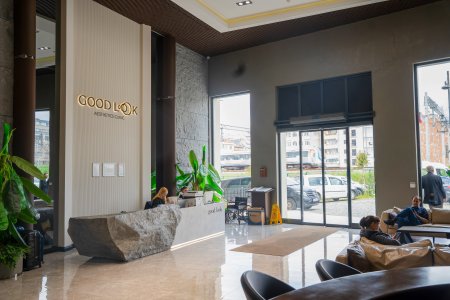
St. Luke's International Hospital is a multi-specialty medical center in Tokyo, Japan. Dr. Rudolf Bolling Teusler founded it in 1901. The facility operates from three primary buildings. The hospital practices evidence-based medicine while respecting each patient's values. It treats both adults and children, with pediatric surgery available for patients under 16.
Accreditations and Patient Volume
The hospital holds JCI (Joint Commission International) accreditation, first achieved in 2012. It also earned Magnet Recognition® for nursing quality in 2019.
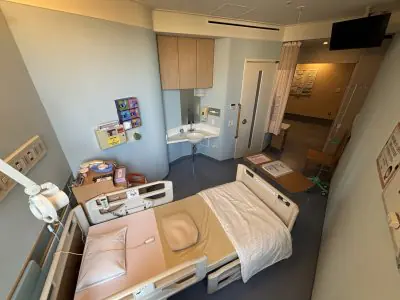
In 2020, the hospital recorded more than 534,000 outpatient visits and over 158,000 admissions. A discharge survey showed 97.6% of inpatients were satisfied with their care. The facility has 520 beds.
Specialized Cancer Care
The Breast Center coordinates breast cancer diagnosis and treatment. The team includes specialists in breast surgery, oncology, and diagnostic radiology. Patients receive systemic therapy with anti-cancer drugs and reconstructive plastic surgery when needed.
After surgery, the hospital provides follow-up care with regular check-ups and annual mammography. Patients with hereditary cancer risks can access clinical genetics support from board-certified physicians.
For lung cancer, respiratory medicine, thoracic surgery, and radiation oncology work together. Specialists use virtual bronchoscopy and lung dye methods to determine precise resection ranges. Treatment options include:
- Robot-assisted minimally invasive surgery
- Thoracoscopic surgery
- Lung function-preserving reduced surgery
- Outpatient chemotherapy and molecular-targeted therapy
The AYA Survivor Support Center serves patients ages 15–39. It addresses physical and psychological concerns from diagnosis through long-term recovery.
Neurosurgery and Cardiology
The Neurology & Neurosurgery Center treats brain tumors, vascular diseases, and spinal conditions. Neurosurgeons perform functional stereotactic brain surgery and neuroendovascular therapy. The hospital also offers specialized brain check-ups to detect early signs of disease. The Neurology department manages degenerative disorders such as Alzheimer's and Parkinson's disease.
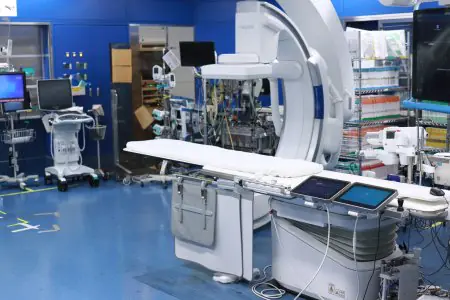
The Cardiovascular Center focuses on minimally invasive cardiac surgery (MICS) and catheter-based treatments. Surgeons perform robot-assisted valve surgery, including mitral and tricuspid valve repairs. Other cardiac procedures include:
- Coronary angiography
- Stent graft therapy
- Transluminal Arterial Angioplasty (PTA) and stenting
- Hybrid treatments combining catheter and surgical therapy
These procedures take place in specialized units designed for rapid recovery.
Advanced Diagnostic and Treatment Technology
The hospital uses the da Vinci Xi Surgical System for robotic prostatectomy and other minimally invasive procedures. This technology lets surgeons perform complex movements through small incisions.
Radiosurgery options include CyberKnife, Gamma Knife, and Tomotherapy for treating brain tumors without traditional surgery. For pulmonology diagnostics, the clinic uses EBUS-TBNA (ultrasound-guided needle biopsy) and cryobiopsy. The imaging department has PET-CT systems with various tracers, including Fluoroestradiol (FES) and Gallium 68.
International Patient Services
St. Luke's International Hospital supports patients traveling from abroad through dedicated liaison services. Medical staff consult in Japanese and English for clear communication during treatment planning.
The hospital offers online consultations with pediatric oncologists and onco-hematologists for remote case reviews. International patients can access English medical questionnaires before visiting the Breast Center.



 La clínica no acepta nuevas solicitudes
 Tiempo promedio de respuesta — 5 minutos