Tratamiento de El esófago de Barrett en Austria — obtenga 3 coincidencias personalizadas de clínicas


Revisado médicamente por
Fahad Mawlood
Cómo funciona
¿Cuál es el precio del diagnóstico y los tratamientos de El esófago de Barrett en Austria? Descubra ahora
Descubra las mejores clínicas de tratamiento de El esófago de Barrett en Austria: 2 opciones verificadas y Precios
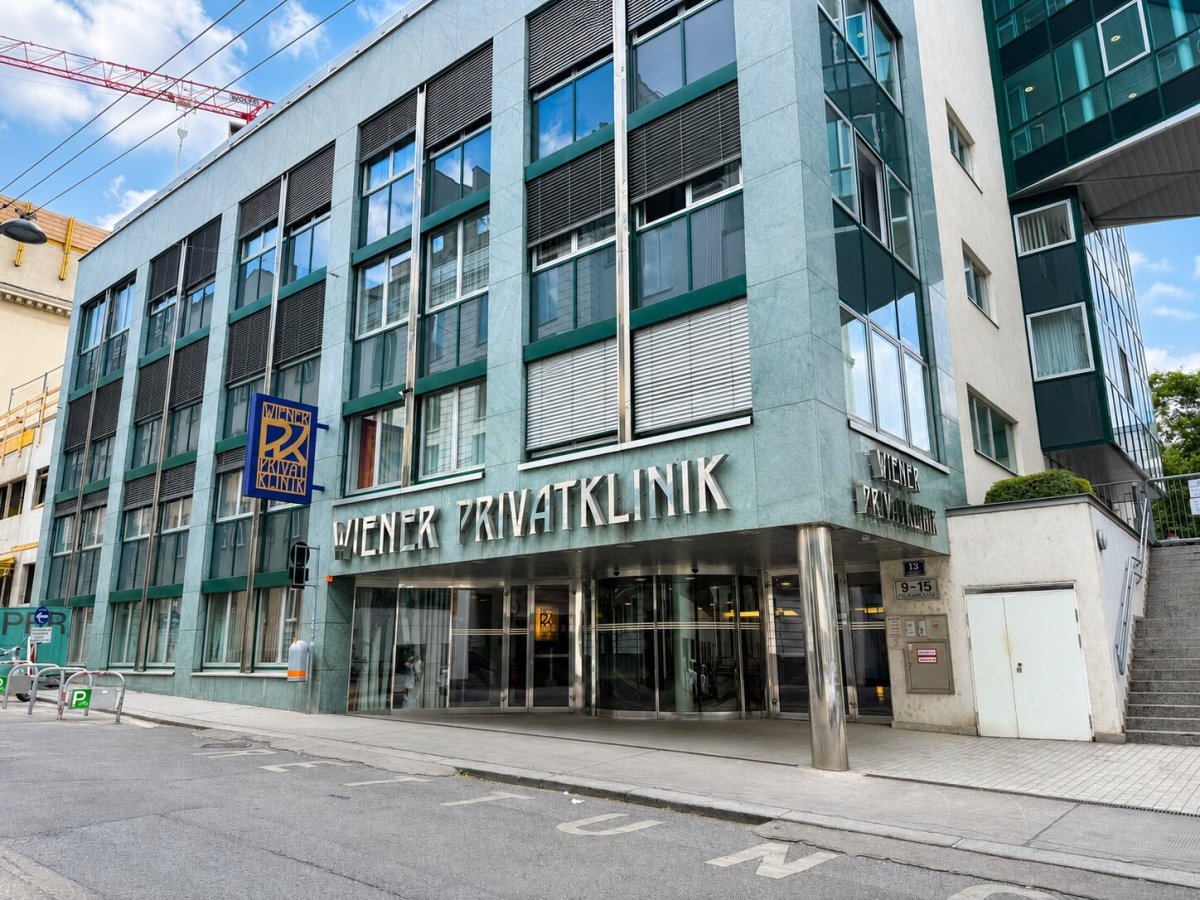



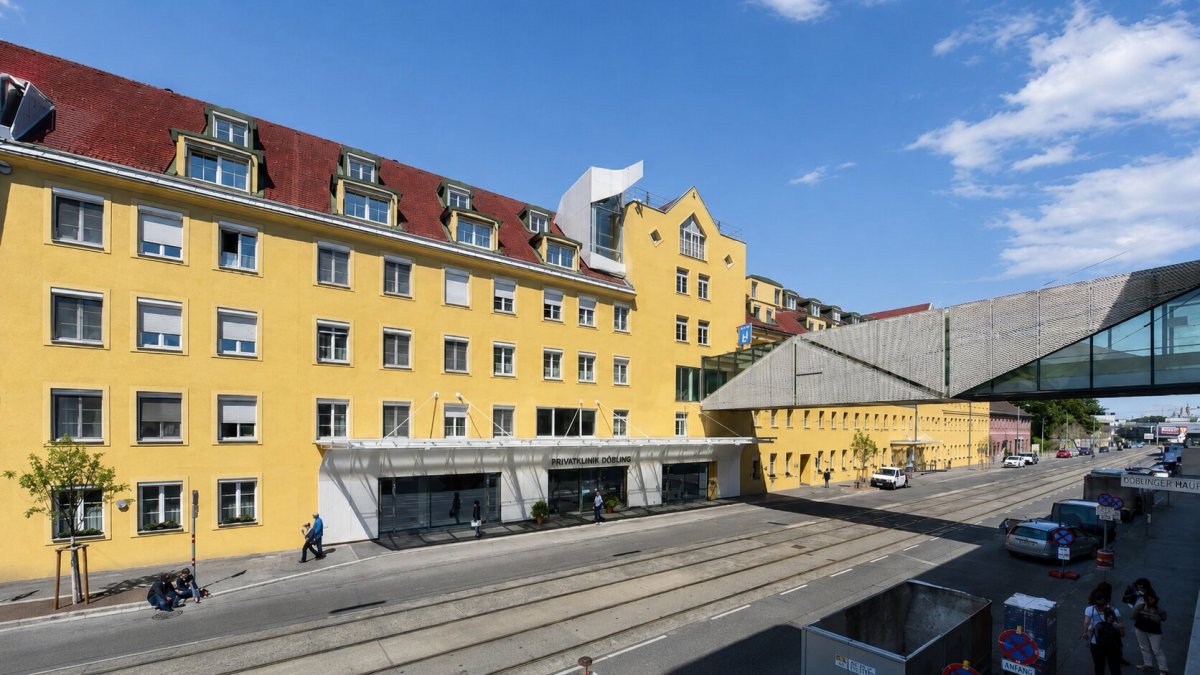
Döbling Private Clinic
Dr Arnulf Ferlitsch


Obtenga una evaluación médica para El esófago de Barrett en Austria: consulte con doctores experimentados ahora
Ver todos los médicos
Sebastian F Schoppmann
El Prof. Schoppmann se especializa en técnicas mínimamente invasivas y robóticas para la cirugía de cáncer de esófago y estómago, con un enfoque en la mejora de los resultados de los pacientes.
- Más de _doctor_3948_ años de experiencia en cirugía visceral y oncológica
- Jefe de la Unidad de Cirugía del Tracto Gastrointestinal Superior en la Universidad Médica de Viena
- Pionero en la integración de la investigación molecular con la práctica quirúrgica
- Miembro activo de sociedades internacionales de oncología y cirugía
Dr Arnulf Ferlitsch
Especialista líder en gastroenterología con múltiples premios de investigación – El Dr. Ferlitsch dirige el Departamento de Medicina Interna I en el Hospital Privado Döbling.
- Especializado en gastroenterología y hepatología en el Hospital General de Viena
- Estableció y dirigió el laboratorio de hemodinámica hepática
- Galardonado con el Premio Skoda de la Sociedad Austriaca de Medicina Interna
- Formado en la UCLA y la Universidad de Pensilvania
Compartir contenido
Historias en video de pacientes de Bookimed
 Olena Sikoza
Preguntas frecuentes sobre el tratamiento de El esófago de Barrett en Austria
¿Cómo determinan las clínicas austriacas si mi esófago de Barrett requiere tratamiento activo?
En las clínicas austriacas, la necesidad de tratamiento activo se determina mediante la evaluación de la displasia tisular durante la endoscopia digestiva alta. Instituciones como la Wiener Privatklinik siguen las directrices de la Sociedad Europea de Endoscopia Gastrointestinal. La intervención se realiza únicamente en casos de lesiones precancerosas. En ausencia de displasia, se realiza un seguimiento y supresión ácida para garantizar la seguridad del paciente.
- Clasificación de tejidos: Los patólogos clasifican las muestras desde no displásicas hasta displásicas de alto grado.
- Revisión por pares: Los especialistas suelen requerir dos exámenes patológicos independientes antes de iniciar el tratamiento.
- Criterios de ablación: Se recomienda la ablación por radiofrecuencia tras dos confirmaciones de displasia de bajo grado.
- Tratamiento de las lesiones: Cuando se detectan nódulos elevados, los médicos realizan una resección endoscópica de la membrana mucosa.
Opinión experta de Bookimed: Los pacientes deben saber que los especialistas austriacos, como el profesor Sebastian F. Schoppmann, se centran en los mecanismos moleculares del desarrollo tumoral. Este enfoque académico en centros como la Wiener Privatklinik suele conducir a una estadificación más precisa de la enfermedad. Si los resultados de la biopsia no muestran displasia, se debe con
¿Cuál es mi riesgo real de desarrollar cáncer de esófago?
El riesgo de desarrollar cáncer de esófago sigue siendo bajo para la mayoría de las personas. El riesgo promedio a lo largo de la vida es de aproximadamente un 0,5 %. Si bien el esófago de Barrett aumenta significativamente este riesgo inicial, la tasa de progresión anual se mantiene entre el 0,2 % y el 0,5 %. Factores personales como la edad, el sexo y el estilo de vida determinan el perfil de riesgo específico de cada persona.
- Diagnóstico de Barrett: El riesgo anual de progresión a adenocarcinoma es de aproximadamente entre el 0,2% y el 0,5%.
- Sexo biológico: Los hombres corren tres veces más riesgo que las mujeres.
- Factor edad: más del 85% de los casos se producen en pacientes de 55 años o más.
- Antecedentes: El reflujo ácido crónico y la obesidad son las principales causas de cambios en el esófago.
Opinión experta de Bookimed: La gestión de riesgos en Austria se basa en un alto grado de especialización. Clínicas como el Hospital Privado Döbling registran tasas de complicaciones inferiores a la media. Esto probablemente se deba a la elevada carga de trabajo de sus especialistas. El profesor Sebastian F. Schoppmann, del Hospital Privado Wiener, integra las pruebas moleculares en la cirugía. Este enfoque permite seleccionar tratamientos específicamente adaptados a los casos de displasia de alto riesgo.
Opinión de los pacient
¿Qué tratamientos mínimamente invasivos están disponibles en Austria?
Austria ofrece tratamientos modernos y mínimamente invasivos para el esófago de Barrett, principalmente mediante resección endoscópica de la mucosa y ablación por radiofrecuencia. Centros especializados, como la Wiener Privatklinik y el Hospital Privado Döbling, utilizan gastroscopia avanzada para extirpar el tejido anormal a través de la boca. Estos procedimientos no requieren incisiones externas y garantizan una rápida recuperación.
- Resección endoscópica: Los cirujanos extirpan las lesiones visibles utilizando instrumentos especiales durante una gastroscopia estándar.
- Métodos de ablación: La energía de radiofrecuencia destruye el revestimiento dañado del esófago, promoviendo el crecimiento de células sanas.
- Cirujanos experimentados: El profesor Sebastian F. Schoppmann está especializado en operaciones complejas del tracto gastrointestinal superior.
- Seguridad hospitalaria: El Hospital Privado Döbling registra tasas de complicaciones significativamente inferiores a la media mundial.
Opinión de expertos de Bookimed: Si bien muchas clínicas ofrecen endoscopia general, los pacientes que buscan tratamiento para la enfermedad de Barrett deberían considerar la vinculación con instituciones de investigación. En la Wiener Privatklinik, más de 400 médicos son profesores de la Universidad Médica de Viena. Esta conexión directa con la investigación
¿Es necesaria una cirugía mayor para tratar el esófago de Barrett?
Las intervenciones quirúrgicas mayores rara vez son necesarias para tratar el esófago de Barrett. La mayoría de los pacientes controlan la enfermedad con inhibidores de la bomba de protones y seguimiento regular. Los procedimientos endoscópicos mínimamente invasivos, como la ablación por radiofrecuencia, tratan las células precancerosas. Los cirujanos realizan la esofagectomía solo en casos de complicaciones avanzadas o cáncer de esófago invasivo.
- Ablación endoscópica: Los médicos utilizan calor o frío para destruir las capas anormales de tejido en el esófago.
- Resección de la mucosa: Los especialistas extirpan las capas más gruesas de tejido directamente a través del endoscopio, sin realizar incisiones.
- Cirugía antirreflujo: Se puede realizar una fundoplicatura de Nissen laparoscópica para detener el reflujo ácido severo.
- Seguimiento regular: El seguimiento endoscópico periódico permite detectar cambios celulares antes de que requieran una intervención importante.
Opinión de expertos de Bookimed: La experiencia técnica en Viena se concentra en centros como la Wiener Privatklinik y el Hospital Privado Döbling. Por ejemplo, el Dr. Sebastian F. Schoppmann dirige departamentos especializados en cirugía del tracto gastrointestinal superior y es experto en técnicas robóticas. Elegir un centro donde el jefe del departamento quirúrgico sea profes
¿Qué debo esperar durante un procedimiento de ablación por radiofrecuencia (ARF)?
La ablación por radiofrecuencia del esófago de Barrett es un procedimiento ambulatorio mínimamente invasivo que dura entre 30 y 90 minutos. Los pacientes reciben sedación y anestesia local para su comodidad. El procedimiento utiliza calor para eliminar el tejido precanceroso del revestimiento esofágico, lo que previene el desarrollo de cáncer de esófago.
- Pasos del procedimiento: Los cirujanos utilizan la endoscopia para guiar el flujo de energía hacia el esófago.
- Estancia hospitalaria: La mayoría de los pacientes reciben el alta hospitalaria a los 60 minutos de comenzar la monitorización de las constantes vitales.
- Dieta posterior al tratamiento: para la recuperación, es necesario comenzar con alimentos líquidos o blandos y no ácidos.
- Ciclo de tratamiento: A menudo se requieren varias sesiones de ablación para lograr la eliminación completa.
Opinión experta de Bookimed: Viena alberga centros especializados como la Wiener Privatklinik y el Hospital Privado Döbling. Estas instituciones brindan acceso a profesores de la Universidad de Viena, como el Dr. Sebastian F. Schoppmann. Elegir hospitales afiliados a instituciones académicas garantiza el acceso a médicos dedicados a la investigación oncológica traslacional. El Hospital Privado Döbling mantiene una tasa de complicaciones inferior a la estándar, de acuerdo con los protocolos de seguridad
¿Necesitaré seguimiento médico continuo después de una ablación exitosa?
Tras una ablación por radiofrecuencia exitosa del esófago de Barrett, los pacientes requieren un seguimiento estructurado. Las endoscopias y biopsias periódicas confirman la eliminación de las células anormales. El tratamiento continuo del reflujo ácido subyacente previene la recurrencia del tejido. El seguimiento periódico se realizará según sus hallazgos clínicos.
- Monitorización endoscópica: Los exámenes endoscópicos de control periódicos nos permiten evaluar el estado de la mucosa esofágica para detectar recaídas.
- Tratamiento del reflujo: El uso continuado de medicamentos que suprimen la acidez previene el daño a los tejidos nuevos.
- Calendario de seguimiento: Los exámenes de seguimiento se realizan con mayor frecuencia durante los dos primeros años.
- Protocolo de biopsia: Los cirujanos toman muestras de tejido para confirmar la eliminación completa de la metaplasia intestinal.
Opinión experta de Bookimed: En Austria, los resultados de alta calidad dependen en gran medida de la doble especialización del cirujano en oncología y cirugía visceral. El Dr. Sebastian F. Schoppmann, de la Wiener Privatklinik, dirige el departamento especializado en cirugía del tracto gastrointestinal superior. Este enfoque integral garantiza que la ablación sea más que un simple procedimiento técnico. Forma parte de una estrategia de prevención del cáncer a lar
¿Dónde puedo recibir tratamiento para el esófago de Barrett en Austria?
En Austria, las clínicas de Viena, acreditadas por la ISO y la JCI, ofrecen tratamientos avanzados para el esófago de Barrett. Centros líderes como la Wiener Privatklinik y el Hospital Privado Döbling se especializan en ablación por radiofrecuencia y resección endoscópica de la mucosa. Estos tratamientos permiten la eliminación eficaz del tejido precanceroso y la prevención de la progresión del cáncer de esófago.
- Especialización: El profesor Sebastian F. Schoppmann es un especialista destacado en el campo de la cirugía antirreflujo y esofágica.
- Diagnóstico avanzado: La cromoendoscopia digital permite una monitorización precisa de la displasia tisular en centros médicos terciarios especializados.
- Terapia mínimamente invasiva: La ablación por radiofrecuencia mediante el sistema Barrx permite la eliminación endoscópica de células sospechosas.
- Tratamiento integral: Los equipos interdisciplinarios de los principales hospitales vieneses coordinan la atención gastroenterológica y oncológica.
Opinión de expertos de Bookimed: El volumen de pacientes es un indicador de calidad fundamental en los centros de gastroenterología austriacos. El Hospital Privado Döbling atiende anualmente a 16 000 pacientes, tanto internacionales como locales. Este elevado volumen se correlaciona con la baja tasa de complicaciones que registra la clínica. Al elegir un esp