El esófago de Barrett Tratamiento en Alemania — Costos 2026


Revisado médicamente por
Fahad Mawlood
¿Cuál es el precio del diagnóstico y los tratamientos de El esófago de Barrett en Alemania? Descubra ahora
Sus beneficios y garantías con Bookimed
Precios directos
Bookimed no añade cargos extra a los precios de los tratamientos de El esófago de Barrett. Las tarifas proceden de las listas de precios oficiales de las clínicas. Pagará directamente en la clínica por su tratamiento a su llegada al país.
Sólo clínicas y médicos verificados
Bookimed está comprometido con su seguridad. Solo trabajamos con las clínicas que mantienen altos estándares internacionales en el tratamiento de El esófago de Barrett y cuentan con las licencias necesarias para atender a pacientes internacionales en todo el mundo.
Asistencia 24/7 gratuita
Bookimed ofrece asistencia experta gratuita. Un coordinador médico personal le apoya antes, durante y después de su tratamiento, resolviendo cualquier problema. Nunca estará solo en su viaje médico de tratamiento de El esófago de Barrett.

Su coordinador médico personal de Bookimed
- Le apoya en cada etapa
- Ayuda a elegir la clínica y el médico adecuados
- Asegura un acceso rápido y conveniente a la información
Descubra las mejores clínicas de tratamiento de El esófago de Barrett en Alemania: 4 opciones verificadas y Precios





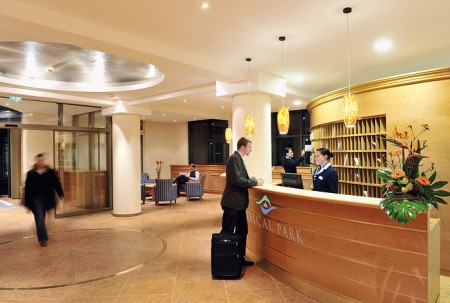
Medical Park AG
Obtenga una evaluación médica para El esófago de Barrett en Alemania: consulte con doctores experimentados ahora
Ver todos los médicos
Viktor Alexander Krol
El Dr. Viktor Alexander Krol dirige el Departamento de Gastroenterología en el St. Martinus-Krankenhaus de Düsseldorf, especializándose en tratamientos avanzados para el esófago de Barrett.
- Jefe de Gastroenterología y Medicina Interna con amplia experiencia
- Director de un centro certificado para el tratamiento de la obesidad
- Utiliza las últimas tecnologías endoscópicas y de diagnóstico
- Proporciona un tratamiento integral para enfermedades gastrointestinales

Peter Schenker
Especializado en cirugía oncológica gastrointestinal, el profesor Schenker dirige un departamento reconocido por sus técnicas mínimamente invasivas en el Hospital Académico de Solingen.
- Nombrado consultor senior en cirugía pancreática y trasplantes desde 2008
- Cirujano jefe del primer centro certificado de cáncer colorrectal en Alemania
- Introdujo métodos quirúrgicos modernos y mejoró la recuperación postoperatoria
- Investigador y conferenciante activo en oncología y cirugía mínimamente invasiva

Siegbert Rossol
Un experto de primer nivel con más de _doctor_505_ años de experiencia centrado exclusivamente en la gastroenterología, el Dr. Rossol aporta una habilidad excepcional en tratamientos endoscópicos avanzados para el esófago de Barrett.
- Especializado en técnicas de resección endoscópica (EMR/ESD) para eliminar tejido precanceroso
- Es miembro del European Board of Gastroenterology, una prestigiosa acreditación europea
- Miembro de las principales sociedades hepáticas, lo que demuestra una profunda experiencia en salud digestiva
- Formado en el King's College de Londres y posee un máster en Gestión Sanitaria
- Ha publicado investigaciones en revistas médicas nacionales e internacionales
Compartir contenido
Historias en video de pacientes de Bookimed
 Olena Sikoza
Preguntas frecuentes sobre el tratamiento de El esófago de Barrett en Alemania
¿Cómo confirman las clínicas alemanas un diagnóstico de esófago de Barrett?
Las clínicas alemanas confirman el esófago de Barrett mediante endoscopia superior de alta definición combinada con un análisis histopatológico exhaustivo. Los especialistas siguen directrices estrictas que requieren evidencia visual y metaplasia intestinal verificada por laboratorio. Este proceso de doble verificación garantiza una estadificación diagnóstica precisa dentro de las instalaciones acreditadas por la JCI y los departamentos de gastroenterología especializados en toda Alemania.
- Clasificación visual: Los médicos aplican los criterios de Praga C y M para medir el revestimiento alterado.
- Imágenes avanzadas: La videoendoscopia de alta resolución y los filtros digitales mejoran los patrones celulares y vasculares anormales.
- Protocolo de biopsia: Los cirujanos realizan biopsias de cuatro cuadrantes cada 1-2 centímetros a lo largo del segmento esofágico sospechoso.
- Revisión patológica: Un patólogo de referencia debe realizar una segunda lectura de las muestras si se sospechan mutaciones celulares precancerosas.
Perspectiva de expertos de Bookimed: La precisión diagnóstica alemana se debe a la alta especialización de los médicos más que al simple equipo. El Dr. Siegbert Rossol en la Clínica Nordwest y el Dr. Thomas Brunk en Berlín poseen amplias certificaciones en endoscopia intervencionista. Nuestros datos muestran que los principa
¿Qué tratamientos avanzados y mínimamente invasivos están disponibles en Alemania para el esófago de Barrett?
Las clínicas alemanas ofrecen tratamientos avanzados mínimamente invasivos para el esófago de Barrett, incluyendo la resección mucosa endoscópica y la ablación por radiofrecuencia. Estos procedimientos de preservación de órganos destruyen las células precancerosas sin necesidad de cirugía mayor. Los especialistas en centros como la Clínica Nordwest utilizan imágenes de alta definición para guiar estas intervenciones precisas.
- Resección mucosa endoscópica: Los cirujanos extirpan el tejido anormal elevado a través de un endoscopio especializado.
- Ablación por radiofrecuencia: La energía térmica destruye las capas mucosas enfermas planas utilizando dispositivos de balón o catéter.
- Crioterapia: El nitrógeno líquido congela los segmentos persistentes cuando los tratamientos basados en calor no son adecuados.
- Plasma de argón híbrido: Combina la inyección de agua con la ablación térmica para proteger las capas profundas del tejido.
- Disección submucosa: Los especialistas eliminan lesiones más grandes en una sola pieza para una patología más precisa.
Perspectiva del experto de Bookimed: El panorama del tratamiento del esófago de Barrett en Alemania se define por una especialización extrema. El Dr. Siegbert Rossol en la Clínica Nordwest tiene más de 30 años de experiencia en endoscopia intervencionista. Esta profundidad d
¿Bajo qué circunstancias se recomienda la esofagectomía en Alemania?
La esofagectomía en Alemania se recomienda cuando el cáncer de esófago penetra la capa mucosa o cuando la displasia de alto grado no puede ser manejada endoscópicamente. Siguiendo las guías S3, los cirujanos realizan esta resección mayor para neoplasias avanzadas, acalasia en etapa terminal o lesiones corrosivas graves que dejan el esófago no funcional.
- Criterios oncológicos: La cirugía es el estándar para tumores en estadio cT1b a T2 sin metástasis a distancia.
- Casos premalignos: Recomendado para esófago de Barrett con displasia de alto grado que resiste el tratamiento endoscópico.
- Condiciones benignas: Indicado para acalasia en etapa terminal o tumores benignos grandes que superan los 8 centímetros.
- Enfoque quirúrgico: Los centros alemanes priorizan técnicas asistidas por robot o mínimamente invasivas para reducir los riesgos pulmonares.
Perspectiva del experto de Bookimed: Clínicas alemanas como Nordwest y Nordrhein-Westfalen enfatizan la especialización de alto volumen, tratando a menudo a más de 45,000 pacientes hospitalizados anualmente. Nuestros datos muestran que cirujanos viscerales destacados como el Dr. Peter Schenker integran tecnología robótica específicamente para casos oncológicos complejos con el fin de preservar el tejido sano circundante. Este alto volumen quirúrgico en centros oncológicos certificados es un indicador
¿Qué estrategias farmacológicas guían el manejo del esófago de Barrett en Alemania?
Las estrategias farmacológicas en Alemania priorizan la supresión ácida intensiva mediante inhibidores de la bomba de protones (IBP) para prevenir la progresión del tejido. Los protocolos estándar utilizan pantoprazol o esomeprazol para controlar la inflamación. Los especialistas alinean los tratamientos con las directrices S2k y los estándares de la Sociedad Europea de Endoscopia Gastrointestinal para garantizar la seguridad a largo plazo.
- Farmacología primaria: La terapia diaria con IBP sigue siendo el estándar universal para la curación de la mucosa.
- Protocolo de dosificación: Los casos graves requieren dosis dobles durante al menos 8 semanas.
- Enfoque de quimioprevención: La aspirina solo se prescribe si los pacientes tienen riesgos cardiovasculares independientes.
- Manejo refractario: Los bloqueadores de ácido competitivos con potasio sirven como alternativas para los casos resistentes a los IBP.
Perspectiva del experto de Bookimed: Los centros de gastroenterología alemanes demuestran un alto nivel de especialización, con clínicas como la Clínica Nordwest realizando más de 60.000 procedimientos al año. Los datos muestran que especialistas experimentados, como el Dr. Siegbert Rossol con más de 30 años de experiencia, a menudo derivan a los pacientes a endoscopia intervencionista si la medicación por sí sola no evita los cambios celula
¿Qué modificaciones dietéticas y de estilo de vida a largo plazo se recomiendan para los pacientes después del tratamiento?
La recuperación a largo plazo después del tratamiento del esófago de Barrett en Alemania se centra en un control estricto del reflujo y disciplina dietética. Los pacientes deben mantener la supresión de ácido para prevenir la recurrencia. Los cambios en el estilo de vida incluyen el control del peso, específicamente la reducción de la grasa abdominal. Elevar la cabecera de la cama también mejora la protección esofágica durante el sueño.
- Horarios de las comidas: Deje de comer al menos 3 horas antes de acostarse o ir a dormir.
- Desencadenantes dietéticos: Evite el café, el chocolate, la menta, las bebidas carbonatadas y los alimentos fritos ricos en grasas.
- Control de peso: Apunte a una pérdida de peso del 5% al 10% para reducir la presión intraabdominal.
- Actividad física: Realice 150 minutos de ejercicio aeróbico moderado semanalmente, como caminar o andar en bicicleta.
Perspectiva de expertos de Bookimed: Nuestros datos de 82 clínicas alemanas revelan que los mejores gastroenterólogos, como el Dr. Siegbert Rossol, enfatizan la vigilancia clínica sobre el monitoreo basado en síntomas. Centros especializados como la Clínica Nordwest o el Complejo Clínico de Renania del Norte-Westfalia atienden a más de 100.000 pacientes al año. Aconsejan que sentirse mejor no reemplaza la necesidad de endoscopias de seguimiento regulares para garantizar qu
¿Qué hospitales en Alemania tienen las calificaciones más altas en neurocirugía?
Alemania alberga algunos de los departamentos de neurocirugía más prestigiosos del mundo, liderados por la Charité – Universitätsmedizin Berlin y el Hospital Universitario de Heidelberg. Estos centros destacan en el tratamiento de tumores cerebrales complejos y enfermedades cerebrovasculares. Para maximizar la eficacia de sus procedimientos, utilizan tecnologías de vanguardia como la resonancia magnética intraoperatoria y la neuronavegación asistida por computadora.
- Charité Berlín: Realiza más de 5000 cirugías al año. La clínica está dirigida por el reconocido neurocirujano Dr. Peter Vaikoczy.
- Centro Médico Solingen: El Dr. Ralf Buhl ha realizado más de 4.000 cirugías, incluidas cirugías de columna mínimamente invasivas.
- Clínica Asklepios Nord: equipada con el único sistema de resonancia magnética intraoperatoria bilateral de Alemania para garantizar precisión quirúrgica en tiempo real durante la extirpación del tumor.
- Clínica Nordwest: reconocida por la revista Newsweek como un hospital líder por su innovación en tecnología de ultrasonido 3D.
Opinión experta de Bookimed: Los datos muestran que elegir centros con un alto volumen quirúrgico suele llevar a recomendaciones de tratamiento más conservadoras. En el Centro Médico Solingen, que atiende a más de 60.000 pacientes al año, los cirujanos suelen sugerir fisioterapia en lugar de cirugía
¿Cuáles son las tasas de éxito de los procedimientos neuroquirúrgicos complejos en Alemania?
En Alemania, los procedimientos neuroquirúrgicos de alta complejidad demuestran una seguridad excepcional. Las tasas de éxito en las fusiones espinales alcanzan el 99 %. La tasa de supervivencia en las resecciones de tumores cerebrales primarios es del 97 %. La independencia funcional es alta. Más del 82 % de los pacientes reciben el alta inmediatamente después del tratamiento. Los centros alemanes priorizan la preservación de la función neurológica mediante técnicas modernas de mapeo.
- Resección de tumores: los cirujanos logran una resección tumoral completa en el 87,2% de los casos de metástasis cerebrales.
- Éxito en el tratamiento de enfermedades vasculares: los hospitales alemanes informan de una tasa de supervivencia del 98,7% para aneurismas no rotos.
- Mejora del estado neurológico: casi el 43% de los pacientes experimentan una mejora de los parámetros funcionales después de resecciones complejas.
- Seguridad de las intervenciones quirúrgicas: En grandes centros quirúrgicos, las tasas de supervivencia de los pacientes después de la cirugía de columna son del 98-99%.
Opinión experta de Bookimed: Cirujanos experimentados como el Dr. Uwe Köhler, de la Clínica Asklepios Altona, realizan más de 2000 cirugías al año. Los datos muestran que estos especialistas mantienen tasas de éxito de hasta el 90 %, incluso en los tumores cerebrales más comp
¿Qué tecnologías avanzadas suelen estar disponibles en las clínicas neuroquirúrgicas alemanas?
Las clínicas neuroquirúrgicas alemanas incorporan regularmente instrumentos digitales de alta precisión y visualización en tiempo real a la práctica quirúrgica. Entre las tecnologías clave se encuentra la neuronavegación computarizada para cirugías de cerebro y médula espinal. Instituciones como la Clínica Asklepios Nord utilizan la resonancia magnética intraoperatoria para verificar la extirpación de tumores en tiempo real. Estos sistemas proporcionan a los cirujanos navegación GPS 3D.
- Neuronavegación: proporciona visualización 3D y seguimiento de instrumentos en tiempo real para lograr precisión quirúrgica hasta el nivel submilimétrico.
- Imágenes intraoperatorias: sistemas como iMRI y O-arm CT permiten la confirmación inmediata de una resección exitosa.
- Neuromonitorización: Monitorea las funciones motoras y sensoriales durante la cirugía para proteger el sistema nervioso.
- Diagnóstico de fluorescencia: se utiliza el colorante 5-ALA para resaltar los bordes del tumor para una eliminación más completa.
- Asistencia robótica: Sistemas como el Da Vinci mejoran la precisión en procedimientos complejos y mínimamente invasivos.
Opinión experta de Bookimed: Grandes centros como la Charité – Universitätsmedizin de Berlín realizan más de 4000 procedimientos neuroquirúrgicos al año, lo que crea un entorno rico en datos para p
¿Qué formación especializada reciben los neurocirujanos en ejercicio en Alemania?
En Alemania, los neurocirujanos deben completar una residencia especializada de seis años tras graduarse de la facultad de medicina. Este programa estructurado incluye cuidados intensivos, práctica clínica y una revista quirúrgica obligatoria. Posteriormente, los candidatos aprueban un examen estatal para obtener el título de residente (Facharzt für Neurochirurgie).
- Residencia clínica: requiere de 48 a 72 meses de práctica neuroquirúrgica especializada.
- Cuidados intensivos: incluye una pasantía obligatoria de 6 meses en una unidad de cuidados intensivos neuroquirúrgicos.
- Revista quirúrgica: los cirujanos documentan cientos de cirugías, incluidas craneotomías y cirugías de columna.
- Examen de licencia: Los solicitantes deben aprobar un examen médico oral y práctico administrado por el estado.
Opinión experta de Bookimed: La formación neuroquirúrgica alemana se centra en una amplia experiencia quirúrgica. Por ejemplo, el Dr. Ralf Buhl, del Centro Médico Solingen, ha realizado más de 4000 cirugías. El Dr. Jürgen Kiwit, del Hospital Meoklinik, cuenta con más de 25 años de experiencia. Este riguroso sistema garantiza que los especialistas de los principales centros aborden casos complejos con una precisión demostrada.
Comentarios de los pacientes: Los pacientes se sienten seguros al saber que sus médicos han recibido año
¿Qué requisitos de idioma y de licencia se exigen a los cirujanos extranjeros que deseen formarse u observar procedimientos neuroquirúrgicos en Alemania?
Los neurocirujanos extranjeros deben cumplir estrictos requisitos de idioma y licencia para realizar formación o prácticas en Alemania. La formación requiere una licencia médica válida o un permiso temporal. Los internos deben obtener la autorización de un hospital específico. Ambas opciones requieren un alto nivel de alemán para participar en debates clínicos y realizar procedimientos quirúrgicos complejos con seguridad.
- Conocimientos de idiomas: Para la formación clínica se requiere un nivel general de alemán B2 y un nivel de lenguaje médico C1 (Fachsprachprüfung).
- Licencia clínica: Los cirujanos necesitan un permiso para la práctica permanente (Approbation) o un permiso profesional (Berufserlaubnis) para prácticas supervisadas temporales.
- Estado de observación: La hospitalización permite la observación de procedimientos quirúrgicos sin responsabilidad médica ni licencia formal.
- Evaluación de la cualificación: Los graduados médicos no pertenecientes a la UE a menudo tienen que pasar por un proceso de validación del diploma en un plazo de 3 a 6 meses.
Opinión experta de Bookimed: Las clínicas alemanas con un alto volumen de pacientes, como Nordwest Clinic o Asklepios Nord, suelen priorizar a los candidatos que ya han pasado una evaluación preliminar de la documentación. Nuestros datos muestran que profesores como el Dr. Uwe Köhler y el D