Tratamiento de El esófago de Barrett en Israel — obtenga 3 coincidencias personalizadas de clínicas


Revisado médicamente por
Fahad Mawlood
Cómo funciona
¿Cuál es el precio del diagnóstico y los tratamientos de El esófago de Barrett en Israel? Descubra ahora
Descubra las mejores clínicas de tratamiento de El esófago de Barrett en Israel: 2 opciones verificadas y Precios







Obtenga una evaluación médica de tratamiento de El esófago de Barrett en Israel: haga una consulta con 9 médicos experimentados ahora
Ver todos los médicos
Nadir Arber
Como jefe del Centro de Prevención del Cáncer en el Centro Médico Sourasky, el Prof. Arber se especializa en detener los cánceres gastrointestinales antes de que comiencen.
- Más de 44 años de experiencia enfocada en tumores del tracto gastrointestinal
- Ha publicado más de 300 artículos científicos sobre investigación del cáncer gastrointestinal
- Miembro de grupos líderes como la Asociación Americana para la Investigación del Cáncer
- Realizó una beca en la Universidad de Tel Aviv y trabajó en investigación en los EE. UU.
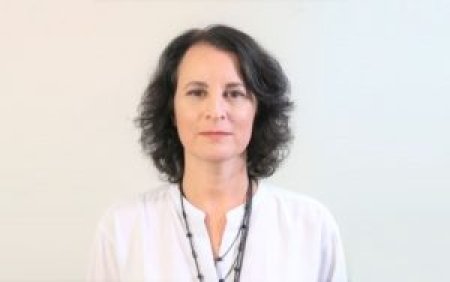
Einat Shacham Shmueli
La Dra. Einat Shacham‑Shmueli es oncóloga médica sénior en la Clínica Gastrointestinal del Centro Oncológico del Centro Médico Sheba. Trata cánceres de colon, estómago y páncreas. También maneja la enfermedad metastásica. Emplea diagnósticos de precisión y biomarcadores, terapias sistémicas y radioterapia. La atención se brinda dentro de un equipo multidisciplinario.
Ha publicado más de 25 artículos revisados por pares sobre oncología gastrointestinal, biología tumoral y nuevos tratami

Oren Shebolet
Jefe de la Unidad de Hígado en el Centro Médico Sourasky y uno de los principales especialistas en hígado de Israel con más de 61 años de experiencia.
- Experto en el tratamiento de todas las patologías hepáticas, incluidos casos complejos
- Formado y especializado en gastroenterología en la Universidad Hebrea
- Autor de más de 60 publicaciones científicas sobre enfermedades hepáticas
- Miembro de las principales asociaciones estadounidenses y europeas de hígado

Erwin Santo
El Dr. Erwin Santo es cofundador de la Sociedad Europea de Endoscopia Gastrointestinal. Dirige el Departamento de Gastroenterología en el Centro Médico Sourasky (Ichilov).
- Más de 37 años al frente del Departamento de Gastroenterología
- Pionero en el uso de ultrasonido intervencionista en Israel
- Experto en endoscopia diagnóstica y terapéutica
- Especializado en enfermedades del páncreas, así como del estómago y el hígado
- Miembro de la Asociación Americana de Gastroenterología
Compartir contenido
Historias en video de pacientes de Bookimed
 Olena Sikoza
Preguntas frecuentes sobre el tratamiento de El esófago de Barrett en Israel
¿Qué opciones de tratamiento mínimamente invasivo para el esófago de Barrett están disponibles en Israel?
Los centros médicos israelíes tratan el esófago de Barrett mediante terapias de ablación y resección endoscópica para eliminar las células precancerosas. Procedimientos como la ablación por radiofrecuencia (RFA) y la resección mucosa endoscópica (RME) se realizan de forma ambulatoria. Estas técnicas mínimamente invasivas previenen con éxito la progresión al adenocarcinoma esofágico sin necesidad de cirugía mayor.
- Ablación por radiofrecuencia: Los gastroenterólogos utilizan energía térmica para destruir el tejido anormal del revestimiento esofágico.
- Resección mucosa: Los especialistas eliminan físicamente los nódulos o las lesiones cancerosas en etapa temprana mediante endoscopios.
- Terapia combinada: Las clínicas a menudo combinan la resección con la ablación para tratar las áreas planas restantes.
- Procedimientos antirreflujo: La funduplicatura sin incisión fortalece la válvula esofágica para prevenir la recurrencia de la afección.
Perspectiva del experto de Bookimed: El Centro Médico Sourasky atiende un volumen masivo de 1.800.000 pacientes al año. Esta escala permite que especialistas como el profesor Rafael Bruck mantengan una profunda experiencia en enfermedades esofágicas. Los pacientes deben priorizar los centros con departamentos gastrointestinales de alto volumen. Estas instalaciones suelen reportar mejores resultados en procedim
¿Se puede curar la ERGE / reflujo ácido subyacente en Israel?
La enfermedad por reflujo gastroesofágico (ERGE) se trata eficazmente en Israel mediante intervenciones endoscópicas y quirúrgicas avanzadas. Los centros especializados se centran en reparar el esfínter esofágico inferior para restaurar su función. Procedimientos como la funduplicatura laparoscópica y el sistema magnético LINX ofrecen soluciones a largo plazo para el reflujo ácido crónico.
- Técnicas endoscópicas: Procedimientos sin incisión como TIF y MUSE reconstruyen las válvulas utilizando guía ultrasónica especializada.
- Excelencia quirúrgica: La funduplicatura mínimamente invasiva y los implantes LINX estabilizan la barrera muscular del esfínter esofágico.
- Diagnóstico experto: Los centros acreditados por la JCI utilizan monitoreo de pH y manometría para confirmar a los candidatos para la reparación.
- Manejo de Barrett: Los tratamientos dirigidos previenen la progresión celular mientras reducen la necesidad de medicación de por vida.
Perspectiva del experto de Bookimed: Los departamentos de gastroenterología israelíes en centros como el Sourasky Medical Center y el Hadassah Medical Center brindan una experiencia excepcional con profesores que cuentan con más de 30 años de experiencia. El Prof. Zamir Halperin en Sourasky se especializa específicamente en algoritmos de diagnóstico de ERGE. Este alto nivel de especialización garantiza que los tr
¿Qué clínicas en Israel son altamente recomendadas para el tratamiento del esófago de Barrett?
El Sourasky Medical Center (Ichilov), el Hadassah Medical Center y el Sheba Medical Center son altamente recomendados para el tratamiento del esófago de Barrett en Israel. Estas instituciones acreditadas por la JCI utilizan resección mucosa endoscópica avanzada y ablación por radiofrecuencia. Los pacientes acceden a equipos multidisciplinarios especializados en la prevención temprana del cáncer y gastroenterología compleja.
- Departamentos especializados: Sheba alberga el Instituto de Gastroenterología más grande de Israel para endoscopia terapéutica.
- Diagnóstico avanzado: Las clínicas utilizan gastroscopia de alta definición e imágenes de banda estrecha para detectar mutaciones.
- Especialistas expertos: El Prof. Nadir Arber en Sourasky tiene más de 30 años de experiencia.
- Atención integral: Los centros combinan gastroenterología y oncología para manejar la displasia de manera efectiva.
Perspectiva del experto de Bookimed: El Sourasky Medical Center es una opción destacada porque su Centro Integrado de Prevención del Cáncer está dirigido por el Prof. Nadir Arber, quien cuenta con más de 300 publicaciones científicas. Aunque Hadassah también ofrece atención de primer nivel, Sourasky maneja un volumen masivo con 34,000 operaciones anuales. Esta alta frecuencia a menudo conduce a habilidades técnicas más refinadas en procedimientos endoscópic
¿Quiénes son los principales especialistas que realizan intervenciones de esófago de Barrett en Israel?
Los principales especialistas en esófago de Barrett en Israel incluyen al Prof. Dr. Nadir Arber, al Prof. Rafael Bruck y al Prof. Zamir Halperin en el Centro Médico Sourasky. Estos expertos utilizan terapias endoscópicas avanzadas como la ablación por radiofrecuencia y la resección mucosa. Su enfoque multidisciplinario garantiza un diagnóstico preciso y un manejo eficaz de las afecciones precancerosas.
- Profundidad de la experiencia: El Prof. Dr. Nadir Arber dirige el Centro Integrado de Prevención del Cáncer en Sourasky.
- Experiencia clínica: El Prof. Rafael Bruck es gastroenterólogo jefe con más de 40 años de experiencia.
- Diagnóstico avanzado: El Prof. Zamir Halperin se especializa en endoscopia avanzada para enfermedades gastrointestinales superiores.
- Clasificaciones académicas: Los médicos de las clínicas Hadassah y Sourasky a menudo aparecen en las listas de mejores especialistas de Forbes.
Perspectiva del experto de Bookimed: Los centros de gastroenterología israelíes demuestran una alta concentración de liderazgo senior. Solo en el Centro Médico Sourasky, 2,200 médicos apoyan más de 34,000 operaciones anuales. Esto permite a los pacientes acceder a especialistas que equilibran la práctica clínica con la investigación científica. Por ejemplo, el Dr. Erwin Santo fue el primero en utilizar ultrasonido intervencionista en Israel. Elegi
¿Cuánto tiempo debo planificar quedarme en Israel para un tratamiento mínimamente invasivo del esófago de Barrett?
Los pacientes deben planificar una estancia en Israel de 5 a 7 días para un tratamiento mínimamente invasivo del esófago de Barrett. Procedimientos como la ablación por radiofrecuencia son ambulatorios. Sin embargo, un margen de 1 semana permite la preparación diagnóstica inicial, el procedimiento y el seguimiento postoperatorio antes de volar a casa.
- Duración del procedimiento: Las sesiones endoscópicas suelen durar de 30 a 60 minutos bajo sedación.
- Estancia hospitalaria: La mayoría de los pacientes son dados de alta de 1 a 3 horas después de la intervención.
- Periodo de recuperación: La vigilancia crítica de dolor torácico o problemas de deglución dura de 3 a 4 días.
- Momento del seguimiento: Se realiza una consulta final de 5 a 7 días después del procedimiento para autorizar el viaje.
Opinión de expertos de Bookimed: Aunque los pacientes a menudo se centran en el día del procedimiento, la experiencia de especialistas como el Dr. Rafael Bruck en el Centro Médico Sourasky sugiere que la fase de preparación es igual de vital. Los centros israelíes realizan más de 34.000 cirugías al año. Este alto volumen significa que las clínicas han perfeccionado la logística para pacientes internacionales. Debe verificar si su caso requiere una sola sesión o una serie escalonada. Esta distinción cambia significativamente su planificación de viaje a lar
¿Por qué Israel es uno de los principales destinos para la neurocirugía?
Israel es un centro líder en neurocirugía gracias a su combinación de avances médicos de alta tecnología y una experiencia quirúrgica de primer nivel. Instalaciones avanzadas como el Centro Médico Sheba utilizan sistemas de navegación basados en IA y resonancia magnética intraoperatoria en tiempo real. Centros especializados reportan una tasa de éxito del 98% en procedimientos complejos, como la craneotomía con el paciente despierto y el tratamiento de trastornos del movimiento.
- Tecnología avanzada: Las clínicas utilizan ultrasonido enfocado guiado por resonancia magnética (MRgFUS) y sistemas robóticos para realizar incisiones.
- Experiencia quirúrgica: Cirujanos como el Dr. Zvi Ram lideran asociaciones internacionales con más de 25 años de experiencia.
- Acceso rápido: Los pacientes internacionales generalmente pueden programar cirugías complejas de cerebro o columna en un plazo de 2 a 4 semanas.
- Atención médica acreditada: Grandes centros como Sourasky (Ichilov) y Assuta están acreditados por la JCI, lo que confirma su seguridad.
Opinión experta de Bookimed: Los datos muestran una clara diferencia entre las opciones de tratamiento públicas y privadas en Israel. Centros privados, como el Centro Médico Assuta, realizan más de 92.000 cirugías al año y permiten a los pacientes elegir a un cirujano líder específico. Esto supone una ventaja signi
¿Qué tipos de enfermedades neuroquirúrgicas se tratan en Israel?
Los neurocirujanos israelíes tratan una amplia gama de afecciones, desde tumores cerebrales y de médula espinal hasta trastornos funcionales complejos. Los centros especializados utilizan tecnologías de vanguardia, como el bisturí de rayos gamma, la estimulación cerebral profunda y la resonancia magnética intraoperatoria, para un diagnóstico altamente preciso de la epilepsia, la enfermedad de Parkinson y las patologías cerebrovasculares.
- Enfermedades oncológicas: tratamiento de gliomas, meningiomas y tumores hipofisarios mediante resección de la base del cráneo.
- Trastornos funcionales: tratamiento de la enfermedad de Parkinson y del temblor esencial mediante estimulación cerebral profunda.
- Patologías de columna: corrección de escoliosis, hernias discales y tumores espinales mediante sistemas robóticos.
- Tratamiento de las enfermedades cerebrovasculares: tratamiento quirúrgico de aneurismas cerebrales y malformaciones arteriovenosas mediante intervenciones endovasculares.
- Neurocirugía pediátrica: atención especializada en hidrocefalia y anomalías congénitas en centros pediátricos especializados.
Opinión experta de Bookimed: Los hospitales israelíes suelen combinar diversas especialidades para abordar casos complejos. En el Centro Médico Sourasky, neurocirujanos como el Dr. Zvi Lidar combinan neurocirugía y ortopedi
¿Qué hospitales en Israel son más conocidos por sus departamentos de neurocirugía?
Israel alberga centros neuroquirúrgicos de renombre mundial, como el Centro Médico Sourasky, el Centro Médico Sheba y el Centro Médico Hadassah. Estas instituciones son líderes mundiales en el tratamiento de tumores cerebrales complejos, enfermedades de la columna vertebral y trastornos del movimiento. Utilizan tecnologías de vanguardia como el bisturí de rayos gamma, sistemas robóticos y resonancia magnética intraoperatoria.
- Suraski (Ichilov): realiza más de 2.500 operaciones neuroquirúrgicas al año en Tel Aviv con una tasa de éxito del 98%.
- Centro Médico Sheba: clasificado entre los diez mejores hospitales del mundo, trata a 1,9 millones de pacientes al año.
- Centro Médico Hadassah: Nominado al Premio Nobel de la Paz. Líder en neurocirugía pediátrica y terapia génica.
- Centro Médico Assuta: el centro médico privado más grande de Israel. Especializado en cirugías mínimamente invasivas de columna y cerebro.
- Hospital Infantil Schneider: un centro líder en neurocirugía pediátrica que trata a 275.000 niños al año.
Opinión experta de Bookimed: Nuestros datos muestran que, si bien la mayoría de los pacientes buscan tratamiento en Tel Aviv, el Centro Médico Rambam en Haifa ofrece una atención única para neurotraumatismos. Cuenta con una unidad especializada en cuidados neurocríticos que atiende a aproximadamente un milló
¿Quiénes son los principales neurocirujanos en Israel?
Entre los neurocirujanos israelíes más destacados se encuentran los profesores Zvi Ram, Shlomi Constantini e Itzhak Fried, del Centro Médico Sourasky. Estos especialistas ocupan puestos de liderazgo en la Asociación Europea de Sociedades de Neurocirugía (EANS) y la Sociedad Mundial de Neurocirugía Estereotáctica y Funcional (WSSFN). Utilizan técnicas avanzadas de mapeo intraoperatorio y sistemas robóticos.
- Profesor Zvi Ram: experto en cirugía mínimamente invasiva de tumores cerebrales y terapia genética para el cáncer.
- Profesor Shlomi Constantini: Se especializa en procedimientos neuroendoscópicos pediátricos complejos y microcirugía para tumores cerebrales.
- Profesor Itzhak Fried: una autoridad en cirugía de epilepsia, mapeo cerebral funcional y estimulación cerebral profunda.
- Dr. Eli Ashkenazi: Cirujano ortopédico líder en el Hospital Assuta, especializado en el innovador sistema TOPS.
Opinión de los expertos de Bookimed: Los datos de Sourasky y Sheba indican una fuerte correlación entre un alto volumen quirúrgico y la seguridad del paciente. Por ejemplo, Sourasky realiza más de 34.000 cirugías oncológicas al año con una tasa de éxito del 90 %. Los pacientes que requieren la extirpación de un tumor complejo deberían priorizar centros como estos, donde los cirujanos realizan cientos de procedimientos especializados al año.
¿Cuáles son los requisitos para los pacientes internacionales entrantes que buscan atención neuroquirúrgica?
Los pacientes extranjeros que requieran tratamiento neuroquirúrgico en Israel deben presentar documentación médica completa, incluyendo resultados recientes de resonancia magnética o tomografía computarizada, traducidos al inglés. La hospitalización requiere un examen clínico por especialistas para confirmar la idoneidad del tratamiento. Los hospitales suelen exigir el pago completo por adelantado o un depósito considerable antes de confirmar las fechas de la cirugía o emitir la visa.
- Historiales médicos: proporcionar informes detallados y resultados de imágenes traducidos al inglés dentro de las 48 horas para su revisión clínica.
- Comprobante financiero: Proporcione comprobante de fondos por un monto aproximado de _precio_desde_ a _precio_hasta_ para el tratamiento.
- Asistencia para visas: Clínicas como Sourasky Medical Center (Ichilov) emiten cartas oficiales para obtener una visa médica B-2.
- Fase de consulta: La evaluación inicial a menudo se realiza a través de una consulta en línea con cirujanos como el Dr. Strauss Ido.
Opinión experta de Bookimed: Los datos muestran que las principales instituciones médicas israelíes, como el Centro Médico Sheba y el Centro Médico Hadassah, atienden a un gran número de pacientes, superando el millón al año. Esta alta demanda implica que las clínicas priorizan los casos complejos o poco frecuentes sobr