Ir a inicio
820К+ pacientes han recibido asistencia desde 2014
50 países
1,500 clínicas
6K+ reseñas
3K+ médicos calificados

¿Cuál es el precio del diagnóstico y los tratamientos de Tumor testicular benigno en Austria? Descubra ahora

El precio se proporciona bajo petición

Sus beneficios y garantías con Bookimed

Precios directos

Bookimed no añade cargos extra a los precios de los tratamientos de Tumor testicular benigno. Las tarifas proceden de las listas de precios oficiales de las clínicas. Pagará directamente en la clínica por su tratamiento a su llegada al país.

Sólo clínicas y médicos verificados

Bookimed está comprometido con su seguridad. Solo trabajamos con las clínicas que mantienen altos estándares internacionales en el tratamiento de Tumor testicular benigno y cuentan con las licencias necesarias para atender a pacientes internacionales en todo el mundo.

Asistencia 24/7 gratuita

Bookimed ofrece asistencia experta gratuita. Un coordinador médico personal le apoya antes, durante y después de su tratamiento, resolviendo cualquier problema. Nunca estará solo en su viaje médico de tratamiento de Tumor testicular benigno.

¿Por qué nosotros?

Su coordinador médico personal de Bookimed

  • Le apoya en cada etapa
  • Ayuda a elegir la clínica y el médico adecuados
  • Asegura un acceso rápido y conveniente a la información

Descubra las mejores clínicas de tratamiento de Tumor testicular benigno en Austria: 1 opciones verificadas y Precios

El ranking de clínicas de Bookimed se basa en algoritmos de data science, ofreciendo una comparación confiable, transparente y objetiva. Tiene en cuenta la demanda de pacientes, las puntuaciones de reseñas (positivas y negativas), la frecuencia de actualización de opciones de tratamiento y precios, la rapidez de respuesta y las certificaciones de las clínicas.

Obtenga una evaluación médica para Tumor testicular benigno en Austria: consulte con doctores experimentados ahora

Ver todos los médicos
verificado

Georg Shatzl

33 años de experiencia

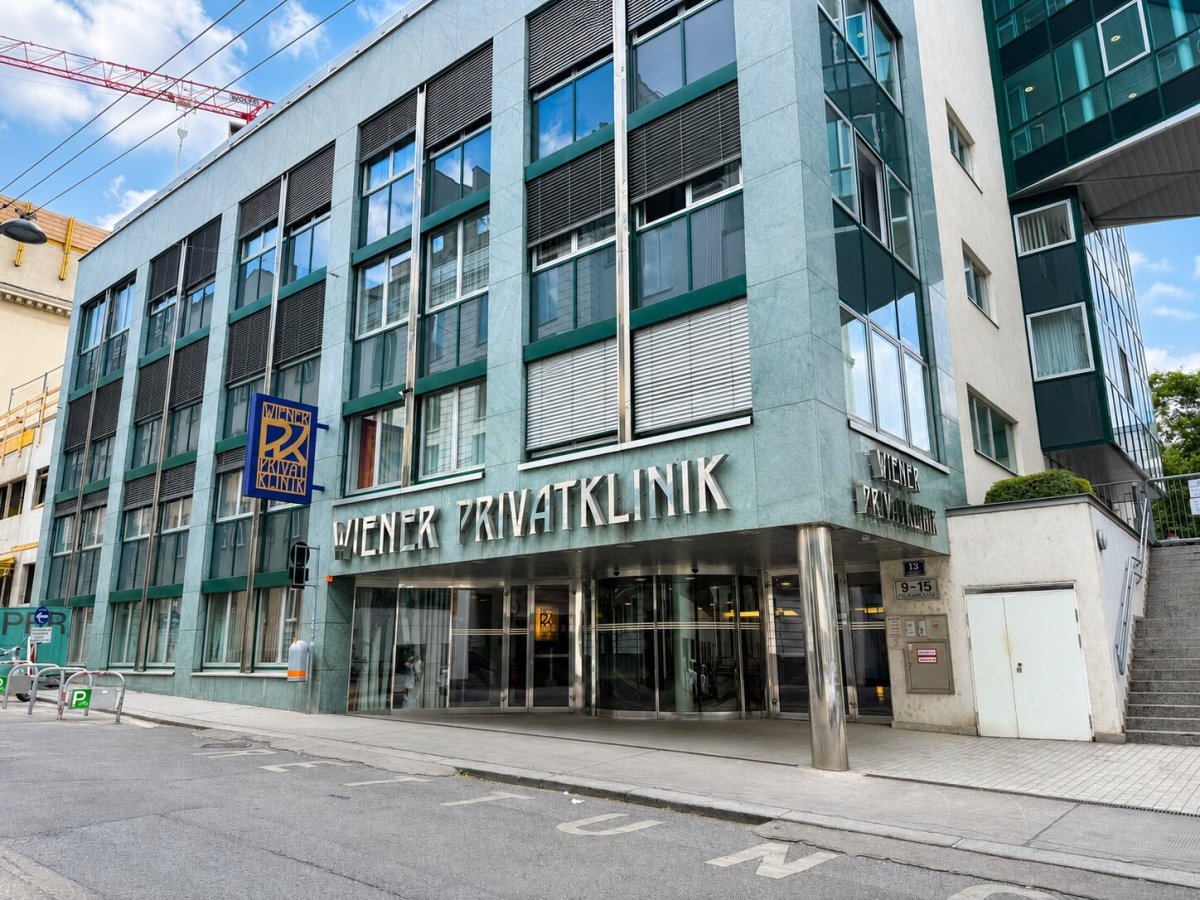
Con más de tres décadas de experiencia, el Prof. Univ. Dr. Georg Schatzl es un destacado experto en oncología urológica y urología reconstructiva en la Wiener Privatklinik.

  • Especializarse en tratamientos de tumores testiculares benignos
  • Ser profesor asociado en la Universidad de Medicina de Viena
  • Publicar extensamente sobre la terapia del cáncer urológico
  • Realizar cirugías laparoscópicas y reconstructivas complejas

Compartir contenido

Historias en video de pacientes de Bookimed

Dayana
Combiné mis vacaciones en Antalya con un chequeo médico.
Procedimiento: Chequeo femenino
Igor
¡Fue genial! Traslados, alojamiento, tratamiento, todo incluido.
Procedimiento: Implante dental
Clínica: WestDent Clinic
Marina
Bookimed se encargó de todo. No tuve que preocuparme por nada.
Procedimiento: Chequeo femenino
Actualizado: 05/27/2022
Escrito por
Olena Sikoza
Olena Sikoza
Сopywriter en español
Copywriter médica certificada responsable del contenido en español de Bookimed. Más de 7 años de experiencia en redacción sobre salud y turismo médico, con formación académica en edición científica y desarrollo de contenidos.
Fahad Mawlood
Editor médico y Científico de datos
Médico general. Ganador de 4 premios científicos. Sirvió en Asia Occidental. Es el ex jefe del equipo médico que soporta a pacientes de habla árabe. Ahora es responsable del procesamiento de datos y la precisión del contenido médico.
Fahad Mawlood Linkedin
Esta página puede incluir información relacionada con diversas afecciones médicas, tratamientos y servicios de salud disponibles en diferentes países. Tenga en cuenta que el contenido se proporciona sólo con fines informativos y no debe interpretarse como asesoramiento médico o orientación. Por favor consulte con su médico o con un profesional médico calificado antes de comenzar o cambiar el tratamiento médico.

Preguntas frecuentes sobre el tratamiento de Tumor testicular benigno en Austria

Estas preguntas frecuentes provienen de pacientes reales que buscan atención médica a través de Bookimed. Las respuestas son proporcionadas por coordinadores médicos experimentados y representantes autorizados de las clínicas.

Can a benign testicular tumor be removed without losing the entire testicle?

Urologists can remove benign testicular tumors without losing the testicle through partial orchiectomy. This organ-sparing approach is viable for small masses under 2 centimeters with normal tumor markers. Surgeons use intraoperative frozen section examinations to confirm the tumor is benign while the patient is asleep.

  • Tumor size: Mass must be small, typically under 20 millimeters in diameter.
  • Surgical approach: Inguinal incision prevents the accidental spread of potentially malignant cells.
  • Diagnostic confirmation: Rapid intraoperative pathology decides if healthy tissue can be safely replaced.
  • Hormonal preservation: Sparing tissue helps maintain natural testosterone levels and reproductive health.

Bookimed Expert Insight: Choosing a specialist who holds dual qualifications in urologic oncology and andrology is vital. At Wiener Privatklinik, Dr. Georg Shatzl combines these fields to treat complex tumors while preserving male health. This dual expertise ensures the surgical plan prioritizes both cancer safety and long-term hormone production.

Patient Consensus: Patients emphasize that seeking a second opinion from a high-volume specialist is crucial. They note that while some doctors favor full removal to minimize risk, experienced urologists can often identify cases suitable for sparing the organ.

How do Austrian surgeons confirm the tumor is benign during the operation?

Austrian surgeons confirm if a testicular tumor is benign using intraoperative frozen section biopsy. Pathologists analyze tissue samples within 20 minutes while the patient remains anesthetized. This real-time diagnosis allows specialists to perform testis-sparing surgery. It avoids unnecessary removal of the entire organ.

  • Cryosectioning process: Pathologists snap-freeze tissue at -20°C to harden it for micro-thin slicing.
  • Microscopic analysis: Specialists examine cell architecture to distinguish benign tissue from invasive malignancies.
  • Surgical adjustment: Surgeons preserve the testicle if the frozen section confirms a benign mass.
  • Definitive validation: Mandatory paraffin-embedded histopathology provides final confirmation within 48 hours after surgery.

Bookimed Expert Insight: Data from Wiener Privatklinik shows that top-tier Austrian specialists often hold professorships at the Medical University of Vienna. These academic ties ensure surgeons like Dr. Georg Shatzl utilize the most recent urologic oncology protocols. For patients, this means access to experts who specialize in complex reconstructive techniques. This high level of expertise is critical when a frozen section is borderline. It allows for immediate, high-stakes decisions that prioritize both cancer clearance and fertility preservation.

Patient Consensus: Patients emphasize that surgeons cannot determine if a tumor is benign by sight alone. They note that asking about a hospital's frozen section protocol and contingency plans is vital before surgery.

Will chemotherapy or radiation therapy ever be needed for a benign testicular tumor?

Chemo and radiation are not used for truly benign testicular tumors. These masses do not spread to other organs. Local surgical removal is typically the final curative step. Systemic therapies are reserved for malignant cases confirmed by microscopic pathology after tumor extraction.

  • Surgical removal: Testis-sparing surgery or radical orchiectomy removes the entire mass.
  • Pathology verification: Final diagnosis requires studying the tumor tissue under a microscope.
  • Observation protocol: Small, non-palpable masses under 10mm may require only regular ultrasounds.
  • Hormonal preservation: Sparing surgery maintains natural testosterone production and preserves patient fertility.

Bookimed Expert Insight: Clinical experience at centers like Wiener Privatklinik shows that urologic oncologists often treat testicular masses as malignant until surgery. Experts like Dr. Georg Shatzl, who has 30+ years of experience, emphasize that while benign tumors are rare, surgery is necessary because imaging cannot 100% rule out cancer. This proactive approach ensures that if a hidden malignancy exists, it is removed before it can spread.

Patient Consensus: Patients note that the wait for pathology results after surgery is the most stressful period. Most feel relieved when a benign result means they can avoid systemic treatments like chemotherapy.

Which Austrian hospitals or specialists routinely perform testis-sparing surgery for benign tumors?

Leading Austrian centers for testis-sparing surgery include Wiener Privatklinik and Medical University Innsbruck. These institutions specialize in organ-sparing resection for benign lesions under 20 mm. Specialists like Dr. Georg Schatzl utilize intraoperative frozen section examinations to preserve healthy tissue and maintain hormonal function.

  • Specialized surgeons: Dr. Georg Schatzl at Wiener Privatklinik has over 30 years of experience.
  • Academic expertise: Medical University Innsbruck publishes extensive safety data on organ-sparing urologic techniques.
  • Core technology: Surgeons use intraoperative ultrasound and frozen section pathohistology for real-time diagnosis.
  • Clinical criteria: Procedures prioritize patients with negative tumor markers and small testicular masses.

Bookimed Expert Insight: Wiener Privatklinik functions as an elite surgical hub where over 400 physicians, including many university professors, provide personalized care. Our data shows this private setting allows for faster access to specialists like Dr. Georg Schatzl, who is a Fellow of the European Board of Urology. This is critical because successful organ preservation depends heavily on the individual surgeon's specific volume of complex urologic oncology cases.

Patient Consensus: Patients emphasize that this is a niche procedure and recommend confirming on-site pathology availability before booking. Many suggest seeking a second opinion if a general urologist only offers radical removal without considering a sparing approach.

Is organ-sparing surgery for a benign testicular tumor covered by Austrian public health insurance?

Austrian public health insurance covers organ-sparing surgery for testicular tumors when performed in public or contracted hospitals. Coverage applies because surgeons treat the mass as potentially malignant until pathology confirms it is benign. Diagnostic medical necessity ensures the insurance carrier pays for the intervention.

  • Hospital admission: Public hospitals bill insurance carriers directly for the entire surgical stay.
  • Intraoperative diagnostics: Insurance covers frozen section examinations used to confirm benign tissue during surgery.
  • Mandatory co-payments: Patients pay a statutory daily hospital fee of approximately $10 to $30.
  • Private surgeons: Choosing non-contracted doctors requires upfront payment with only 80% reimbursement rates.

Bookimed Expert Insight: Clinical data shows that Austria maintains a highly specialized urology landscape despite having fewer clinics than Turkey. Experts like Dr. Georg Shatzl at Wiener Privatklinik specialize in reconstructive urology and male reproductive surgery. Patients seeking organ preservation should prioritize centers where surgeons hold academic positions at the Medical University of Vienna. These specialists often have more experience with complex sparing techniques than general community surgeons.

Patient Consensus: Patients emphasize that the primary challenge is finding a surgeon willing to perform organ-sparing techniques rather than a radical removal. They recommend explicitly discussing fertility and hormone preservation early to strengthen the medical justification for a conservative approach.

Will residual hormone production or fertility be impaired after removal of a benign tumor?

Hormone production and fertility typically remain stable after removing a benign testicular tumor. Surgeons prioritising organ-sparing techniques allow the healthy tissue to maintain function. If one testis is removed, the remaining healthy testicle usually compensates for testosterone and sperm production.

  • Surgical technique: Organ-sparing surgery (partial orchiectomy) helps preserve natural hormone and sperm levels.
  • Compensatory mechanism: A single healthy testicle typically produces sufficient testosterone for normal vitality.
  • Fertility preservation: Semen parameters may temporarily dip due to post-operative inflammation or scarring.
  • Pre-existing conditions: History of varicocele or undescended testis may limit the compensatory response.

Bookimed Expert Insight: Austria maintains high urological standards, with clinicians like Dr. Georg Shatzl at Wiener Privatklinik offering over 30 years of expertise. Analysis shows that choosing university-affiliated professors helps ensure access to advanced reconstructive urology. These specialists focus on preserving blood supply, which is critical for long-term glandular function.

Patient Consensus: Patients often find that one healthy testicle is enough to keep testosterone levels within normal ranges. Many experts suggest sperm banking before surgery to ensure peace of mind regarding future family planning.

Pedir una consulta gratis

Seleccione la mejor manera de contactarle