Hospital Hisar Intercontinental
Turquía, Estambul
Cenk Acar
20 años de experiencia

Clínica certificada por : 



Revisado médicamente por
Fahad Mawlood
El costo del tratamiento de un tumor testicular benigno en Turquía varía según los procedimientos y servicios específicos requeridos. La orquiectomía y la fijación testicular pueden costar desde 2.080 € hasta 8.500 €. El plan de tratamiento y los costos asociados se determinan después de examinar minuciosamente la condición y las necesidades de cada paciente.





El Dr. Bugra Cetin es un pionero en urología, especializado en tratamientos innovadores para tumores testiculares benignos en el Hospital Altinbas University Bahçelievler Medicalpark.

El profesor asociado Basri Cakiroglu se especializa en urología con enfoque en endourología y urooncología en el Hospital Hisar Intercontinental.
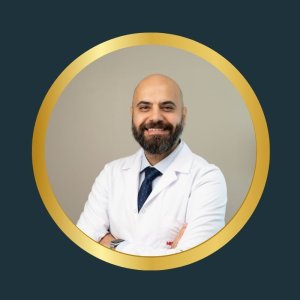
El Prof. Asoc. Dr. Cenk Acar ha realizado más de 1.100 tratamientos urológicos, especializándose en técnicas robóticas y laparoscópicas.
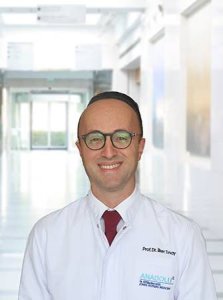
El Dr. Ilker Tinay se especializa en oncología urológica con un enfoque en cirugía mínimamente invasiva y reconstrucción de vejiga en el Anadolu Medical Center.
 Olena Sikoza
Los cirujanos en Turquía pueden salvar el testículo mediante cirugía conservadora de testículo (TSS) si el tumor es pequeño y benigno. Esta orquiectomía parcial preserva el tejido sano para la producción hormonal y la fertilidad. El éxito depende de que los marcadores tumorales sean normales y de que los resultados de la biopsia por congelación intraoperatoria sean negativos en centros de urología especializados.
Perspectiva de expertos de Bookimed: Mientras que muchos hospitales generales recurren por defecto a la extirpación completa, los urólogos turcos con certificación del European Board of Urology (FEBU), como el Dr. Fatih Kurtuluş, utilizan frecuentemente la congelación intraoperatoria. Esto permite un diagnóstico en tiempo real. Si el laboratorio confirma la benignidad durante el procedimiento, los cirujanos a m
La cirugía de preservación testicular es la técnica preferida para las masas testiculares benignas en Turquía. Este procedimiento extirpa el tumor preservando el tejido sano y las hormonas. La mayoría de los cirujanos recomiendan esto para masas pequeñas de menos de 25 mm. Mantiene la fertilidad y la producción natural de testosterona.
Perspectiva de expertos de Bookimed: El Anadolu Medical Center destaca en uro-oncología compleja debido a su afiliación con el Johns Hopkins Hospital. Si bien muchas clínicas se centran en la urología general, este centro integra certificaciones de oncología intervencionista con estándares ISO. Esta combinación garantiza que las decisiones de preservación de tejido estén respaldadas por imágenes de alta precisión y protocolos académicos que a menudo faltan en clínicas más pequeñas.
Consenso de pacientes: Los pacien
Los médicos turcos utilizan ecografía Doppler de alta resolución y paneles de marcadores tumorales (AFP, β-hCG, LDH) para evaluar las masas testiculares. Aunque las imágenes no invasivas sugieren si un tumor es benigno, la confirmación definitiva a menudo requiere patología. Muchos centros utilizan el análisis de sección congelada intraoperatoria para decidir si es posible una cirugía de preservación de órganos.
Perspectiva de expertos de Bookimed: Los centros de uro-oncología turcos como Anadolu Medical Center o Memorial Şişli priorizan las técnicas de preservación de órganos. Nuestros datos muestran que estas clínicas a menudo utilizan secciones congeladas intraoperatorias durante la cirugía. Esto permite a los cirujanos extirpar solo el tumor mientras salvan el testículo sano. Este enfoque es común entre los cirujanos certificados
Una prótesis testicular es una opción electiva y no es obligatoria tras la extirpación de un tumor benigno. Los pacientes pueden optar por recibir un implante durante la orquiectomía inicial o en un procedimiento posterior. Esta decisión individual depende de la comodidad personal, las preferencias cosméticas y el alcance quirúrgico.
Opinión de los expertos de Bookimed: El Anadolu Medical Center y el Memorial Şişli mantienen la acreditación JCI, lo que garantiza protocolos protésicos de alto nivel. Aunque los centros más grandes atienden a más de 250.000 pacientes al año, las consultas sobre prótesis deben realizarse con antelación. Algunas clínicas están especializadas en cirugía asistida por robot para tumores benignos, lo que podría preservar más tejido natural. Confirme siempre si su cirugía
El tratamiento de tumores testiculares benignos en Turquía requiere generalmente una estancia de 7 a 14 días. Este periodo cubre las pruebas diagnósticas preoperatorias y el procedimiento quirúrgico. Los pacientes suelen permanecer para el seguimiento postoperatorio con el fin de asegurar una cicatrización adecuada antes de volar. Los centros acreditados por la JCI en Estambul gestionan estos plazos de forma eficiente.
Perspectiva de expertos de Bookimed: Aunque las cirugías menores a menudo requieren una estancia mínima, los hospitales de Estambul, como el Anadolu Medical Center o el Hisar Hospital Intercontinental, utilizan sus grandes volúmenes de pacientes para optimizar el diagnóstico. Elegir clínicas afiliadas a grandes instituciones globales, como Johns Hopkins, garantiza que los escáneres de seguimiento estén estandarizados para que su urólogo local pueda revisarlos fácilment