Tumor testicular benigno en Corea del Sur: las 5 mejores clínicas para su tratamiento


Revisado médicamente por
Fahad Mawlood
¿Cuál es el precio del diagnóstico y los tratamientos de Tumor testicular benigno en Corea del Sur? Descubra ahora
Sus beneficios y garantías con Bookimed
Precios directos
Bookimed no añade cargos extra a los precios de los tratamientos de Tumor testicular benigno. Las tarifas proceden de las listas de precios oficiales de las clínicas. Pagará directamente en la clínica por su tratamiento a su llegada al país.
Sólo clínicas y médicos verificados
Bookimed está comprometido con su seguridad. Solo trabajamos con las clínicas que mantienen altos estándares internacionales en el tratamiento de Tumor testicular benigno y cuentan con las licencias necesarias para atender a pacientes internacionales en todo el mundo.
Asistencia 24/7 gratuita
Bookimed ofrece asistencia experta gratuita. Un coordinador médico personal le apoya antes, durante y después de su tratamiento, resolviendo cualquier problema. Nunca estará solo en su viaje médico de tratamiento de Tumor testicular benigno.

Su coordinador médico personal de Bookimed
- Le apoya en cada etapa
- Ayuda a elegir la clínica y el médico adecuados
- Asegura un acceso rápido y conveniente a la información
Descubra las mejores clínicas de tratamiento de Tumor testicular benigno en Corea del Sur: 5 opciones verificadas y Precios












Obtenga una evaluación médica para Tumor testicular benigno en Corea del Sur: consulte con doctores experimentados ahora
Ver todos los médicos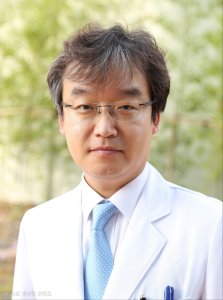
Sohn Dong-wan
El Dr. Son Dong-wan está especializado en oncología urológica, incontinencia urinaria y disfunción sexual. Realiza cirugía prostática con láser. Ofrece tratamiento robótico y laparoscópico para cáncer de próstata, vejiga, uréter y riñón. También trata la obstrucción de la unión pieloureteral.
Su práctica mínimamente invasiva incluye nefrectomía y prostatectomía laparoscópicas. Realiza resección transuretral de tumor vesical y resección transuretral de próstata por cistoscopia. Ofrece u
Compartir contenido
Historias en video de pacientes de Bookimed
 Olena Sikoza
Preguntas frecuentes sobre el tratamiento de Tumor testicular benigno en Corea del Sur
¿Existen opciones de tratamiento mínimamente invasivas en Corea del Sur para tumores testiculares benignos que conserven el testículo?
Los hospitales de Corea del Sur ofrecen cirugía conservadora de testículo (TSS, por sus siglas en inglés) para tumores benignos de menos de 2 centímetros. Urólogos especializados en centros acreditados por la JCI realizan estos procedimientos de preservación de órganos. El enfoque conserva la producción de testosterona y la fertilidad. Los cirujanos utilizan el análisis intraoperatorio por congelación para confirmar el tipo de tumor antes de proceder con la preservación del tejido.
- Técnica quirúrgica: La TSS extirpa solo la masa mientras salva el tejido funcional sano.
- Confirmación diagnóstica: Las biopsias intraoperatorias rápidas aseguran que los tumores sean benignos durante la operación.
- Precisión clínica: Equipos multidisciplinarios en centros como el Hospital Severance coordinan la atención urológica compleja.
- Integración digital: Hospitales como el SNUBH utilizan sistemas digitales para planificar intervenciones microquirúrgicas precisas.
Opinión del experto de Bookimed: Los datos muestran que los hospitales de alto nivel de Seúl, como el SNUH y el SNUBH, tratan a más de 1 500 000 pacientes al año. Este alto volumen permite a los cirujanos especializarse intensamente. Los urólogos destacados a menudo tienen experiencia en instituciones estadounidenses o alemanas. Observamos una tendencia donde estos especialistas priorizan las té
¿Cómo se distingue definitivamente un tumor benigno de uno maligno antes de cualquier cirugía testicular en Corea del Sur?
Los urólogos surcoreanos distinguen los tumores testiculares benignos de los malignos utilizando ecografía Doppler de alta resolución y marcadores tumorales séricos. Si bien las imágenes identifican rasgos benignos como la apariencia de "piel de cebolla", un diagnóstico definitivo requiere patología quirúrgica. La exploración inguinal con análisis de sección congelada permite realizar cirugías conservadoras del testículo en casos sospechosos.
- Estándar de oro en imágenes: La ecografía Doppler de alta frecuencia identifica quistes llenos de líquido y patrones de flujo sanguíneo interno.
- Marcadores tumorales séricos: Los especialistas analizan AFP, hCG y LDH para detectar actividad maligna de células germinales.
- Estratificación del riesgo clínico: La edad es fundamental, ya que el 75% de los casos prepúberes en Corea son benignos.
- Patología quirúrgica: Una sección congelada rápida durante la cirugía confirma el diagnóstico antes de la extirpación definitiva del tumor.
Perspectiva de expertos de Bookimed: Los principales centros coreanos, como el Hospital Severance y el SNUH, utilizan departamentos de urología altamente especializados con más de 2.000 médicos. Los datos muestran que estos centros priorizan la cirugía conservadora del testículo cuando los marcadores son normales. Los grandes volúmenes de pacientes, como 1,6 millones de pacie
¿Qué métricas de éxito y seguridad se informan para la cirugía de preservación testicular en Corea del Sur?
Las clínicas surcoreanas informan un alto éxito en la cirugía de preservación testicular con un 80-90% de conservación de testosterona y un 100% de supervivencia en casos benignos. Centros líderes como el Hospital de la Universidad Nacional de Seúl utilizan patología intraoperatoria por congelación. Esto garantiza la seguridad oncológica y la preservación de la fertilidad para masas testiculares pequeñas y periféricas.
- Preservación funcional: La producción natural de testosterona se mantiene en el 80-90% de los pacientes.
- Seguridad oncológica: Los centros especializados informan cero recurrencia para lesiones benignas confirmadas o teratomas.
- Tasas de complicaciones: Los principales hospitales registran riesgos mínimos con casi ningún caso de atrofia testicular.
- Resultados de fertilidad: Los pacientes frecuentemente mantienen la capacidad reproductiva natural y una concepción postoperatoria exitosa.
Perspectiva del experto de Bookimed: Las señales de calidad en Corea del Sur están ligadas al volumen del hospital. El Hospital de la Universidad Nacional de Seúl trata a 10.700 pacientes diariamente. Este volumen masivo permite a los patólogos y cirujanos dominar complejas secciones congeladas intraoperatorias. Estas biopsias rápidas son el principal mecanismo de seguridad para evitar la extirpación innecesaria de órganos.
Co
¿Quiénes son los especialistas cualificados y dónde se encuentran?
Los especialistas en urología cualificados en Corea del Sur se encuentran principalmente en los principales hospitales universitarios de Seúl e Incheon. Estos expertos tratan los tumores testiculares benignos utilizando diagnósticos avanzados y cirugías que preservan la fertilidad. Los urólogos certificados en centros acreditados por la JCI brindan atención integral, incluida la ecografía escrotal y la evaluación hormonal.
- Credenciales de los expertos: Especialistas como el Dr. Lee Chun Yong poseen doctorados de la Universidad de Hanyang.
- Centros clínicos: El Hospital Severance y el Hospital de la Universidad Nacional de Seúl actúan como centros líderes en Seúl.
- Estándares de calidad: Las instalaciones mantienen la acreditación JCI y figurar en las clasificaciones de los Mejores Hospitales del Mundo de Newsweek.
- Acceso en Incheon: El Hospital Na-Eun brinda atención urológica especializada fuera del centro de la ciudad de Seúl.
Perspectiva del experto de Bookimed: Los hospitales universitarios surcoreanos priorizan grandes volúmenes de pacientes para mantener altos niveles de experiencia. El Hospital de la Universidad Nacional de Seúl por sí solo atiende a más de 10,000 pacientes diariamente. Esta escala garantiza que los urólogos vean casos benignos raros con frecuencia, lo que mejora la precisión del diagnóstico para los procedimientos
¿En qué circunstancias se consideraría un implante de testículo protésico para el tratamiento de tumores benignos?
Un implante de testículo protésico se considera para el tratamiento de tumores benignos después de una orquiectomía quirúrgica. Aunque los tumores benignos no son cancerosos, los crecimientos grandes a menudo requieren la extirpación completa del testículo. El implante restaura la simetría escrotal y mejora la imagen corporal de los pacientes que experimentan molestias psicosociales después de la cirugía.
- Extirpación quirúrgica: Necesaria cuando los crecimientos benignos como los fibromas comprometen el tejido sano circundante.
- Restauración cosmética: Restaura la apariencia simétrica y proporciona la sensación física de estar completo.
- Beneficio psicológico: Ayuda a mantener la autoestima al abordar las preocupaciones de imagen corporal después de perder un testículo.
- Momento del procedimiento: Los cirujanos a menudo pueden colocar el implante de silicona durante la extirpación inicial del tumor.
Perspectiva del experto de Bookimed: Aunque los hospitales digitales de primer nivel de Corea del Sur, como el Hospital de la Universidad Nacional de Seúl, atienden a más de 10,000 pacientes al día, muchos urólogos solo discuten los implantes si el paciente inicia la conversación. Los pacientes deben solicitar explícitamente una consulta electiva con especialistas como el Dr. Lee Chun Yong antes de su orquiectomía. Esto asegura que el cirujano
¿Qué tipo de seguimiento e imagenología se recomienda después de una cirugía de preservación testicular en Corea del Sur?
Los protocolos surcoreanos para tumores testiculares benignos priorizan la vigilancia basada en ecografías para preservar la fertilidad y controlar la salud de los tejidos. El seguimiento suele realizarse cada 3 a 6 meses durante el primer año. Después de 12 meses, los pacientes estables generalmente pasan a exámenes anuales con exploraciones físicas e imágenes escrotales.
- Estándar de oro en imagenología: La ecografía escrotal monitorea el tejido restante en busca de recurrencia o cicatrización sin radiación.
- Frecuencia de vigilancia: Las visitas ocurren inicialmente cada 3–6 meses, luego pasan a chequeos anuales.
- Marcadores tumorales: Los médicos monitorean los niveles de AFP y hCG para confirmar la ausencia de malignidad.
- Monitoreo pediátrico: Los niños se someten a evaluaciones adicionales para el crecimiento normal y el progreso del desarrollo hormonal.
Perspectiva del experto de Bookimed: Los centros líderes como el Hospital de la Universidad Nacional de Seúl (SNUH) y el Hospital Severance utilizan sistemas de datos electrónicos avanzados para rastrear las métricas de recuperación a largo plazo. Aunque algunos centros tratan a más de 1,500,000 pacientes al año, los departamentos de urología mantienen una alta seguridad mediante el seguimiento digital. Esta tecnología garantiza que, incluso en casos benignos, nunca se pierdan hitos