Oclusión de la arteria central de la retina en Austria: clínica verificada para su tratamiento


Revisado médicamente por
Fahad Mawlood
¿Cuál es el precio del diagnóstico y los tratamientos de Oclusión de la arteria central de la retina en Austria? Descubra ahora
Sus beneficios y garantías con Bookimed
Precios directos
Bookimed no añade cargos extra a los precios de los tratamientos de Oclusión de la arteria central de la retina. Las tarifas proceden de las listas de precios oficiales de las clínicas. Pagará directamente en la clínica por su tratamiento a su llegada al país.
Sólo clínicas y médicos verificados
Bookimed está comprometido con su seguridad. Solo trabajamos con las clínicas que mantienen altos estándares internacionales en el tratamiento de Oclusión de la arteria central de la retina y cuentan con las licencias necesarias para atender a pacientes internacionales en todo el mundo.
Asistencia 24/7 gratuita
Bookimed ofrece asistencia experta gratuita. Un coordinador médico personal le apoya antes, durante y después de su tratamiento, resolviendo cualquier problema. Nunca estará solo en su viaje médico de tratamiento de Oclusión de la arteria central de la retina.

Su coordinador médico personal de Bookimed
- Le apoya en cada etapa
- Ayuda a elegir la clínica y el médico adecuados
- Asegura un acceso rápido y conveniente a la información
Descubra las mejores clínicas de tratamiento de Oclusión de la arteria central de la retina en Austria: 1 opciones verificadas y Precios




Compartir contenido
Historias en video de pacientes de Bookimed
 Olena Sikoza
Preguntas frecuentes sobre el tratamiento de Oclusión de la arteria central de la retina en Austria
¿Se considera la oclusión de la arteria central de la retina una emergencia en Austria?
La oclusión de la arteria central de la retina (OACR) es una emergencia médica en Austria. Se clasifica oficialmente como un accidente cerebrovascular retiniano. Los hospitales austriacos se rigen por las estrictas directrices clínicas S2e para la atención de urgencias. Los pacientes deben recibir tratamiento en un plazo de 4,5 horas para preservar la visión.
- Protocolo de atención de emergencia: Los pacientes son derivados inmediatamente a unidades especializadas en accidentes cerebrovasculares.
- Trombólisis: Los médicos utilizan alteplasa intravenosa para disolver rápidamente las obstrucciones arteriales.
- Evaluación sistémica: Los médicos realizan una evaluación urgente para detectar arteritis de células gigantes y accidente cerebrovascular.
- Servicios principales: AKH Wien ofrece atención oftalmológica de urgencia especializada las 24 horas en Viena.
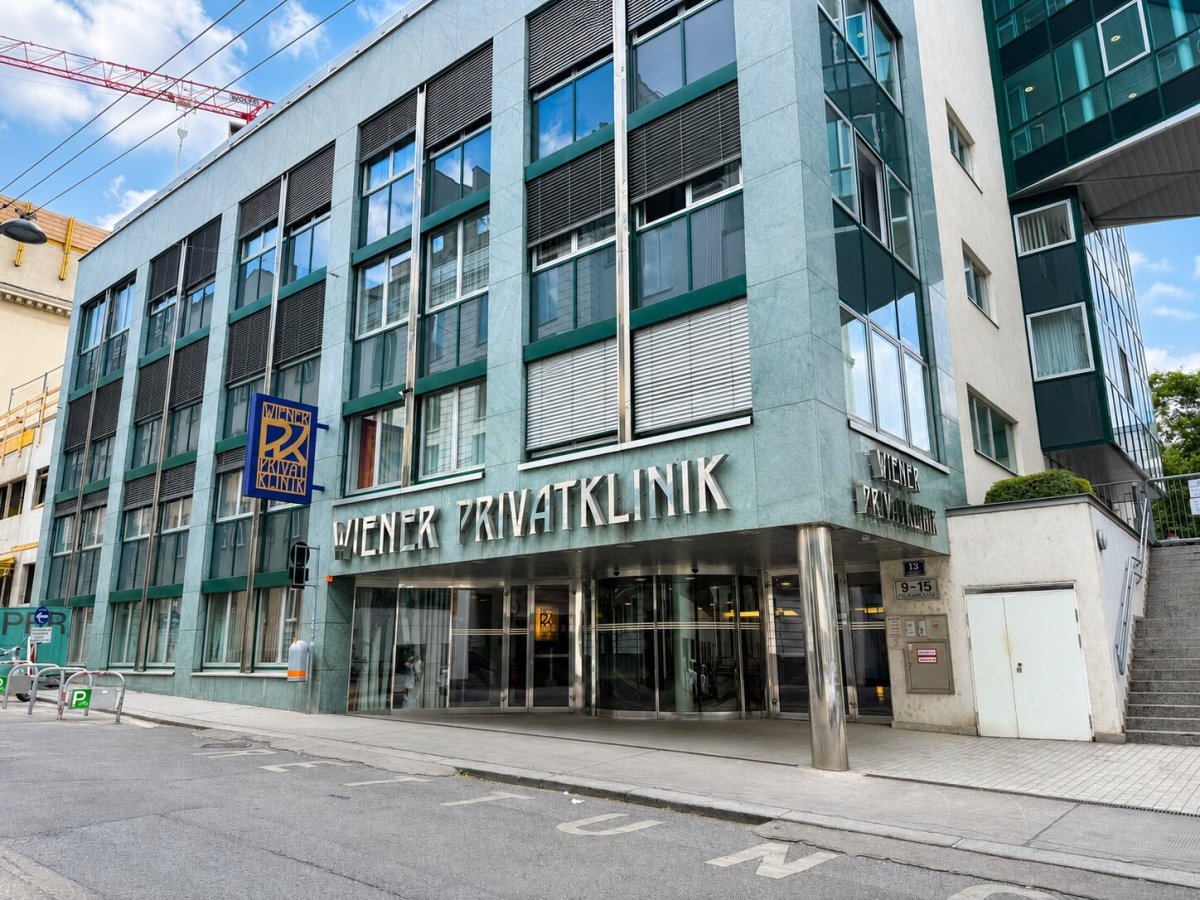
Opinión de expertos de Bookimed: Si bien los hospitales universitarios públicos brindan atención de urgencias durante las primeras 4,5 horas, las instituciones privadas como la Wiener Privatklinik ofrecen un seguimiento esencial. Muchos de sus 400 médicos también son profesores de la Universidad Médica de Viena. Esta relación garantiza una transición fluida para los pacientes desde la atención de urgencias hasta la rehabilitación vascular de alto nivel.
¿Cuál es el período óptimo para el tratamiento de la oclusión de la arteria central de la retina (OACR)?
El momento óptimo para tratar la oclusión de la arteria central de la retina es entre 0 y 4,5 horas después del inicio de la pérdida de visión. Durante este periodo crítico, la trombolisis intravenosa es la primera línea de defensa para disolver los fragmentos del coágulo. El tejido retiniano sufre daños irreversibles en un plazo de 90 a 240 minutos. La intervención de emergencia inmediata es fundamental para preservar la visión.
- Ventana de trombolisis: La terapia con tPA intravenoso produce los mejores resultados dentro de las 4,5 horas posteriores al inicio de la enfermedad.
- Estabilidad tisular: La isquemia retiniana completa suele provocar daños irreversibles en un plazo de 2 a 4 horas.
- Ventana de tiempo ampliada: Las intervenciones especializadas pueden tener un beneficio limitado dentro de las 6 horas posteriores a la oclusión.
- Oxigenoterapia: Lo ideal es que la oxigenoterapia hiperbárica se inicie entre 8 y 12 horas después del inicio de los síntomas.
Opinión experta de Bookimed: Los datos de pacientes muestran que el sector privado austriaco, como la Clínica Privada de Viena, depende de profesores universitarios. Estos especialistas suelen tratar casos vasculares complejos en Viena. Si bien las clínicas ofrecen diagnósticos con certificación ISO, el tiempo de respuesta de cuatro horas sigue siendo crucial. Acudir a clínicas con apo
¿Qué protocolos de tratamiento avanzados están disponibles en Austria?
Austria emplea protocolos de vanguardia, que incluyen la oxigenoterapia hiperbárica y la trombolisis intraarterial de emergencia para la oclusión de la arteria central de la retina. Equipos especializados en Viena y Graz integran la atención oftalmológica con la evaluación del ictus. Estos protocolos cumplen con las normas de seguridad europeas y los certificados de calidad OEQMED para intervenciones vasculares de emergencia.
- Coordinación de intervenciones oftalmológicas para el ictus: Los centros combinan la evaluación rápida de la visión con la detección neurológica del ictus.
- Oxigenación hiperbárica: La oxigenoterapia se ofrece en centros especializados para preservar la función retiniana.
- Diagnóstico moderno: Las clínicas utilizan técnicas de imagen de alta resolución para detectar obstrucciones vasculares y cardíacas.
- Especialización de tercer nivel: Los hospitales universitarios ofrecen tratamientos microquirúrgicos e intraarteriales complejos.
Opinión experta de Bookimed: El Hospital Privado de Viena (Wiener Privatklinik) colabora con más de 400 médicos, entre ellos numerosos profesores de la Universidad Médica de Viena. Esta conexión con la comunidad académica garantiza a los pacientes acceso a diagnósticos vasculares de alta calidad, alineados con la investigación científica. En casos que requieren intervención inmediata, como la
¿Dónde puedo encontrar terapia de oxígeno hiperbárico para la oclusión de la arteria central de la retina (OACR) en Austria?
El Hospital Universitario de Graz ofrece el único servicio de oxigenoterapia hiperbárica (OHB) de emergencia las 24 horas en Austria para la oclusión de la arteria central de la retina (OACR). Tras un accidente cerebrovascular ocular, la retina muere rápidamente debido a la hipoxia. Para un tratamiento eficaz, la terapia debe iniciarse en un plazo de 6 a 12 horas. El hospital utiliza cámaras hiperbáricas clínicas para tratar episodios isquémicos graves.
- Institución principal: El Hospital Universitario LKH de Graz cuenta con un departamento especializado en cirugía torácica e hiperbárica.
- Protocolo de tratamiento: Según las guías clínicas, se requiere una presión de 2,0 a 2,8 ATA para la difusión de oxígeno en la retina.
- Duración: Normalmente, los pacientes se someten a entre 5 y 8 sesiones de oxigenoterapia durante 5 a 8 días consecutivos.
- Opciones adicionales: Los centros ambulatorios de Viena y Baden ofrecen atención de seguimiento una vez que el estado del paciente se ha estabilizado en la fase aguda.
Opinión de expertos de Bookimed: Los datos clínicos demuestran que los centros especializados en Austria, como la Wiener Privatklinik, prestan especial atención a los aspectos cardíacos y diagnósticos de la salud vascular. Esto es crucial, ya que la oclusión de la arteria central de la retina suele indicar una enfermedad sistémica. Los pa
¿Cuál es la probabilidad típica de recuperación de la visión después de una oclusión de la arteria central de la retina?
La recuperación de la visión tras la oclusión de la arteria central de la retina suele ser lenta. Menos del 20 % de los pacientes recuperan la agudeza visual funcional de forma natural. Los resultados dependen del momento del tratamiento. La mayoría de los pacientes que no reciben una intervención temprana experimentan una pérdida de visión irreversible. Ciertas características anatómicas pueden mejorar los resultados.
- Recuperación natural: Aproximadamente el 17,7% de los pacientes experimentan una mejoría espontánea.
- Momento de la trombólisis: Los fármacos trombolíticos aumentan la tasa de recuperación hasta en un 50 % en 4 o 5 horas.
- Oxigenoterapia: La oxigenoterapia hiperbárica temprana muestra una mejoría de la visión en el 50-60% de los casos.
- Arteria cilioretiniana: Más del 80% de los pacientes con esta variante anatómica recuperan una visión de 20/50.
Opinión de expertos de Bookimed: Un diagnóstico preciso es fundamental en centros como la Clínica Privada de Viena. Su colaboración con profesores de la Universidad Médica de Viena garantiza una evaluación rápida. Esto es importante, ya que los tratamientos conservadores, como el masaje ocular, suelen ofrecer peores resultados. Las clínicas especializadas priorizan los diagnósticos modernos para detectar la reserva arterial o las obstrucciones parciales. La detección temprana de estos
¿Cubre el seguro médico austriaco el tratamiento de urgencia por oclusión de la arteria central de la retina para pacientes extranjeros?
El sistema de seguro médico austriaco cubre el tratamiento de urgencia para la oclusión de la arteria central de la retina (OACR) para los ciudadanos de la UE, el EEE y Suiza a través de la Tarjeta Sanitaria Europea. Los pacientes de países con acuerdos bilaterales también están cubiertos. Otros pacientes internacionales son responsables de sus propios gastos, pero reciben estabilización y tratamiento inmediatos, independientemente de su cobertura de seguro.
- Cobertura para países de la UE/EEE: Los titulares de la Tarjeta Sanitaria Europea solo pagan los copagos diarios estándar por las estancias hospitalarias.
- Acuerdos bilaterales: Los turistas procedentes de Turquía, Serbia y Montenegro utilizan formas especiales de seguro médico.
- Nacionales de terceros países: A los pacientes procedentes de Estados Unidos o Canadá se les suele facturar directamente.
- Prioridad en casos de emergencia: Los hospitales públicos priorizan la estabilización inmediata del paciente por encima de la verificación de la cobertura del seguro por pérdida de visión.
Opinión de expertos de Bookimed: Mientras que los hospitales públicos se centran en la atención de urgencias, las clínicas privadas como Wiener Privatklinik se especializan en diagnósticos de seguimiento. Esta clínica fue nombrada uno de los mejores hospitales del mundo en 2021 por la revista Newsweek. Los
¿Qué cuidados de seguimiento se requieren tras el tratamiento de la oclusión de la arteria central de la retina en Austria?
En Austria, el seguimiento incluye una monitorización en dos fases de la salud cardiovascular y la estabilidad retiniana. Los pacientes se someten a pruebas de imagen vascular y diagnóstico cardíaco durante dos semanas. Los exámenes oftalmológicos periódicos se prolongan durante cuatro meses. Estos protocolos previenen la recurrencia de accidentes cerebrovasculares y permiten monitorizar posibles complicaciones como el glaucoma neovascular o la isquemia retiniana.
- Estadificación de la enfermedad vascular: La ecografía Doppler permite evaluar la estenosis de la arteria carótida en un plazo de 14 días.
- Monitorización cardíaca: La monitorización Holter y la ecocardiografía pueden ayudar a identificar fuentes ocultas de embolia.
- Examen de retina: Los oftalmólogos revisan periódicamente si hay crecimiento anormal de vasos sanguíneos.
- Terapia sistémica: Los médicos prescriben un tratamiento prolongado con fármacos antitrombóticos y estatinas.
Opinión de expertos de Bookimed: La coordinación suele tener lugar en instituciones privadas especializadas de Viena, como la Wiener Privatklinik. Muchos médicos que trabajan allí son profesores de la Universidad Médica de Viena. Esta conexión académica garantiza a los pacientes el acceso a protocolos de prevención de accidentes cerebrovasculares de vanguardia. El uso de estos centros reduce la brecha entr