Oclusión de la arteria central de la retina Tratamiento en España — Costos 2026


Revisado médicamente por
Fahad Mawlood
¿Cuál es el precio del diagnóstico y los tratamientos de Oclusión de la arteria central de la retina en España? Descubra ahora
Sus beneficios y garantías con Bookimed
Precios directos
Bookimed no añade cargos extra a los precios de los tratamientos de Oclusión de la arteria central de la retina. Las tarifas proceden de las listas de precios oficiales de las clínicas. Pagará directamente en la clínica por su tratamiento a su llegada al país.
Sólo clínicas y médicos verificados
Bookimed está comprometido con su seguridad. Solo trabajamos con las clínicas que mantienen altos estándares internacionales en el tratamiento de Oclusión de la arteria central de la retina y cuentan con las licencias necesarias para atender a pacientes internacionales en todo el mundo.
Asistencia 24/7 gratuita
Bookimed ofrece asistencia experta gratuita. Un coordinador médico personal le apoya antes, durante y después de su tratamiento, resolviendo cualquier problema. Nunca estará solo en su viaje médico de tratamiento de Oclusión de la arteria central de la retina.

Su coordinador médico personal de Bookimed
- Le apoya en cada etapa
- Ayuda a elegir la clínica y el médico adecuados
- Asegura un acceso rápido y conveniente a la información
Descubra las mejores clínicas de tratamiento de Oclusión de la arteria central de la retina en España: 1 opciones verificadas y Precios
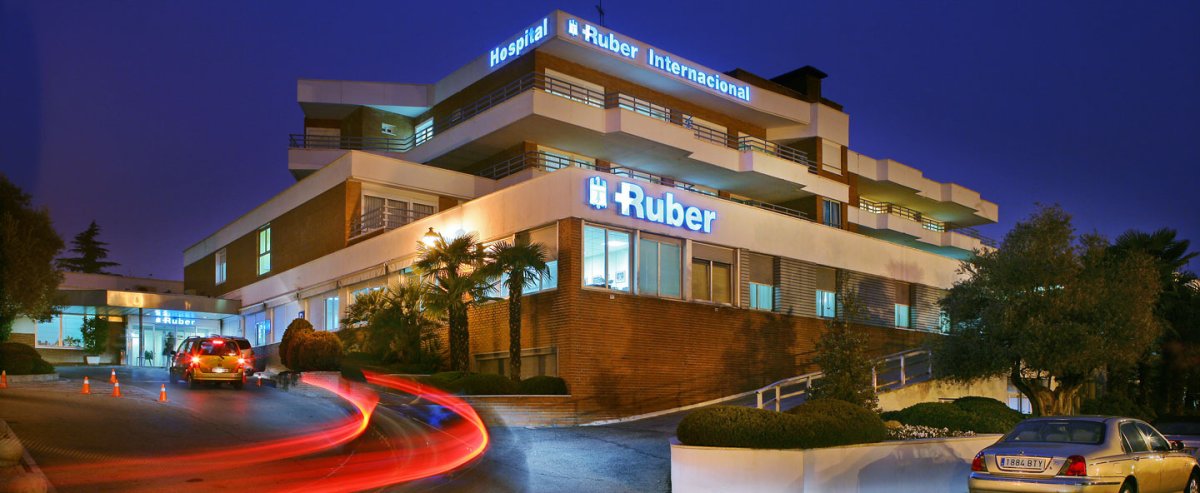


Obtenga una evaluación médica para Oclusión de la arteria central de la retina en España: consulte con doctores experimentados ahora
Ver todos los médicos
Dora Fernández Agrafojo
El médico es especialista en Otorrinolaringología y ejerce en el Hospital Quirónsalud Torrevieja. Con título de medicina y especialización obtenida en la Universidad Católica de Lovaina, el médico se centra en el diagnóstico y tratamiento de afecciones de oído, nariz y garganta, incluyendo síntomas auditivos, nasales y laríngeos. La práctica clínica abarca consultas de ORL para adultos, diagnóstico ambulatorio y evaluaciones médicas multidisciplinares en un entorno hospitalario privado.
Compartir contenido
Historias en video de pacientes de Bookimed
 Olena Sikoza
Preguntas frecuentes sobre el tratamiento de Oclusión de la arteria central de la retina en España
¿Con qué rapidez debo recibir tratamiento para la OACR en España?
El tratamiento de la OACR en España requiere una intervención de emergencia en un plazo de 4,5 a 6 horas. El tejido retiniano comienza a morir a los 120 minutos de una obstrucción. Los hospitales españoles activan códigos de ictus especializados para administrar trombólisis. La atención inmediata en un hospital de tercer nivel preserva la máxima visión posible.
- Protocolo de ictus: Los centros españoles tratan la OACR como una emergencia médica absoluta.
- Ventana de trombólisis: La medicación intravenosa es más eficaz dentro de las 4,5 horas posteriores al inicio.
- Procedimientos avanzados: Los centros especializados en ictus pueden extender los esfuerzos de tratamiento hasta 6 horas.
- Comunicación de emergencia: Los pacientes deben usar palabras clave como «código ictus» durante las llamadas al 112.
Opinión del experto de Bookimed: Aunque muchas clínicas locales ofrecen oftalmología, solo los hospitales de tercer nivel como el Hospital Ruber Internacional manejan emergencias neurológicas. Este centro gestiona más de 93.000 consultas anuales y proporciona diagnósticos avanzados las 24 horas. Es mejor elegir un hospital multidisciplinario acreditado por la JCI en lugar de una clínica oftalmológica privada para una OACR.
Consenso de los pacientes: Los pacientes enfatizan que tratar esto como una cita oftalmológica ruti
¿Qué tratamientos médicos estándar están disponibles para la OACR en España?
Los tratamientos médicos estándar para la OACR en España se centran en el manejo sistémico de emergencia y la reducción de la presión ocular. Los protocolos españoles tratan esta afección como un accidente cerebrovascular ocular. La atención inmediata incluye hipotensores oculares y paracentesis de cámara anterior. Los centros avanzados pueden utilizar oxígeno hiperbárico o trombólisis intravenosa dentro de las 4,5 horas.
- Reducción de la PIO: Los médicos utilizan acetazolamida intravenosa o masaje digital para reducir la presión ocular rápidamente.
- Paracentesis quirúrgica: Los oftalmólogos extraen líquido del ojo para desalojar la obstrucción arterial.
- Protocolo de ictus: Equipos multidisciplinarios realizan ecografías carotídeas y ecocardiogramas para encontrar fuentes de émbolos.
- Manejo de arteritis: Los pacientes con arteritis de células gigantes reciben terapia inmediata con metilprednisolona intravenosa en dosis altas.
Opinión de expertos de Bookimed: El sistema de salud español gestiona la OACR a través de un sistema coordinado de Código Ictus en lugar de la oftalmología aislada. Los centros de gran volumen como el Hospital Ruber Internacional en Madrid integran diagnósticos avanzados como la resonancia magnética de 3 Teslas. Esto garantiza que los riesgos vasculares se identifiquen de inmediato. Los pacientes deben priorizar los
¿Está disponible la oxigenoterapia hiperbárica (OHB) para la OACR en España?
La oxigenoterapia hiperbárica (OHB) está disponible en España para la oclusión de la arteria central de la retina (OACR) a través de hospitales terciarios especializados. El tejido retiniano requiere una oxigenación urgente en un plazo de 24 horas para prevenir la ceguera. Los principales centros de Madrid, Barcelona y Santander ofrecen cámaras hiperbáricas presurizadas a 2,0 a 2,8 atmósferas.
- Ventana de tratamiento: La terapia es más eficaz cuando se inicia dentro de las 9 a 12 horas posteriores a la pérdida de visión.
- Guías clínicas: El Comité Europeo de Medicina Hiperbárica sugiere la OHB como una intervención aguda estándar.
- Suministro de oxígeno: El oxígeno a alta presión evita los bloqueos arteriales al difundirse a través del suministro de sangre coroidea alternativo.
- Tipos de instalaciones: Las cámaras hiperbáricas multiplaza se encuentran generalmente en complejos médicos más grandes acreditados por la JCI, como Ruber Internacional.
Opinión del experto de Bookimed: España ocupa un lugar destacado en infraestructura médica con 83 clínicas especializadas. Nuestros datos sugieren buscar primero hospitales acreditados por la JCI como Ruber Internacional en Madrid. Estas instalaciones a menudo cuentan con más de 800 médicos y 40 departamentos para manejar emergencias isquémicas complejas rápidamente. Elegir un centro con un alto vol
¿Puedo acudir a cualquier hospital español local por un infarto ocular?
Puede y debe acudir inmediatamente a urgencias de cualquier hospital español local si sospecha que sufre un infarto ocular. La ley española exige que todos los hospitales públicos proporcionen estabilización de emergencia a todas las personas, independientemente de su residencia. La intervención rápida en un plazo de 4,5 horas es fundamental para minimizar la pérdida permanente de visión.
- Números de emergencia: Marque el 112 o el 061 para el transporte inmediato en ambulancia dentro de España.
- Prioridad de triaje: Indique que tiene una pérdida de visión repentina e indolora para activar los protocolos de ictus.
- Traslado hospitalario: Los hospitales locales estabilizan a los pacientes antes de coordinar los traslados a centros regionales especializados.
- Estándares de las instalaciones: Los grandes centros como el Hospital Ruber Internacional mantienen certificaciones de calidad JCI e ISO.
Opinión de expertos de Bookimed: La rapidez de llegada es más importante que las especializaciones iniciales de la clínica durante un infarto ocular. Aunque centros de primer nivel como el Hospital Ruber Internacional realizan más de 6.000 cirugías al año, incluso los hospitales comunitarios más pequeños de Madrid o Barcelona pueden iniciar el protocolo de tipo ictus necesario para preservar la visión. El objetivo es una evaluación sistémica rápida en l
¿Qué seguimiento se realiza después del tratamiento inicial de la OVCR en España?
El seguimiento en España se centra en la prevención de accidentes cerebrovasculares secundarios y complicaciones oculares. Los pacientes se someten a exámenes oculares cada 4 a 6 semanas durante 4 meses. Los especialistas controlan la presión y el crecimiento de nuevos vasos sanguíneos. Los equipos multidisciplinarios gestionan el riesgo sistémico mediante ecografías carotídeas y terapia antiplaquetaria.
- Detección de neovascularización: Los especialistas realizan exámenes con dilatación para rastrear el crecimiento anormal de los vasos.
- Control de la presión: Los médicos vigilan el glaucoma neovascular para prevenir el dolor ocular.
- Prevención de accidentes cerebrovasculares: Los equipos utilizan ecografía dúplex carotídea para detectar placas arteriales.
- Terapia médica: Los pacientes suelen recibir fármacos antiplaquetarios y estatinas para una protección a largo plazo.
Perspectiva del experto de Bookimed: España se clasifica como un destino principal para la atención compleja con 83 clínicas especializadas. Instalaciones como el Hospital Ruber Internacional en Madrid cuentan con la acreditación JCI. Esto garantiza el cumplimiento de los protocolos de seguridad globales durante la atención de seguimiento multidisciplinaria. Su alto volumen de 93.000 consultas anuales sugiere una profunda experiencia en el manejo de riesgos vasculares s
¿Siguen los hospitales españoles directrices uniformes para el tratamiento de la OACR?
Los hospitales españoles carecen actualmente de mandatos nacionales para un tratamiento uniforme de la oclusión de la arteria central de la retina (OACR). El manejo varía según la institución y la infraestructura regional. Sin embargo, la Sociedad Española de Retina y Vítreo (SERV) publicó recientemente directrices clínicas estandarizadas. Los centros pioneros modelan cada vez más la atención basándose en protocolos de emergencia para accidentes cerebrovasculares.
- Esfuerzos de estandarización: La sociedad SERV proporciona directrices de práctica clínica específicas.
- Integración del código ictus: Los mejores hospitales implementan protocolos de Código Ictus Retiniano para un triaje rápido.
- Sensibilidad al tiempo: Los centros buscan realizar una trombólisis intravenosa dentro de una ventana de 4,5 horas.
- Rango de tratamiento: La atención abarca desde masajes conservadores hasta terapias de reperfusión especializadas avanzadas.
Perspectiva del experto de Bookimed: Aunque España ocupa el segundo lugar en nuestras solicitudes globales, considere centros médicos como el Hospital Ruber Internacional como puntos de referencia de alto nivel. Este centro acreditado por la JCI atiende a 25.000 pacientes al año y emplea a 800 médicos. Los grandes centros terciarios de Madrid a menudo ofrecen equipos de neurooftalmología más integrados que las clíni