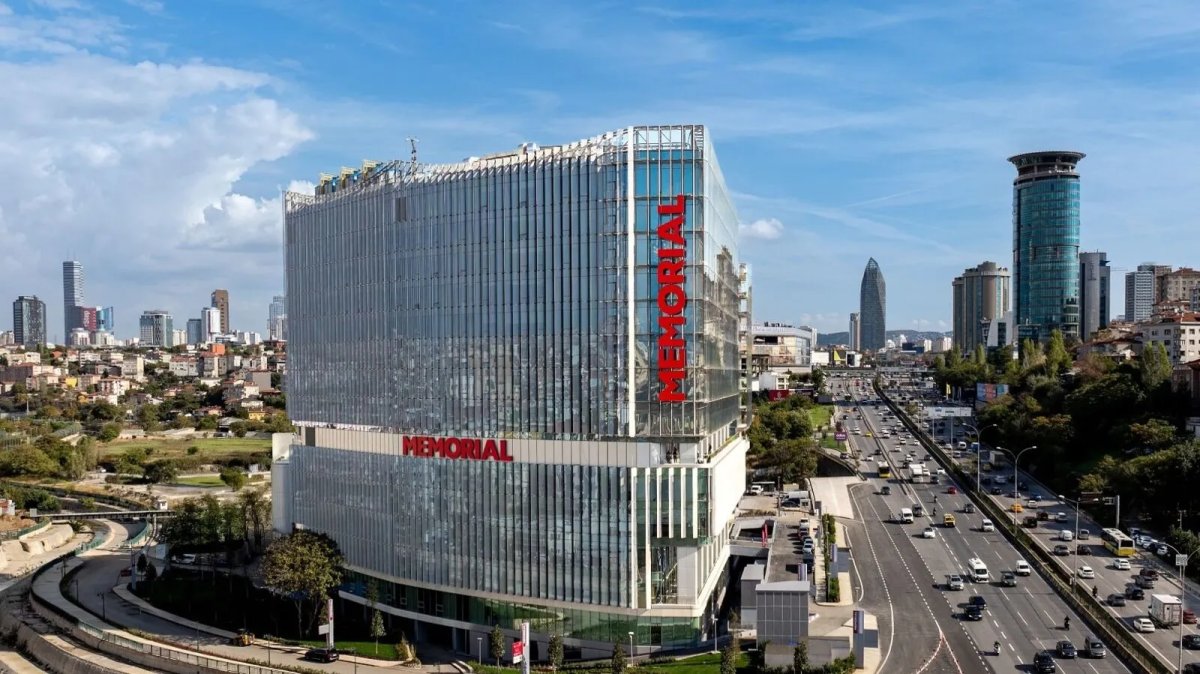
Memorial Göztepe Hospital
Turquía, Estambul


Revisado médicamente por
Fahad Mawlood

El Dr. Yasar Dag se especializa en afecciones oculares complejas, aportando una amplia experiencia de múltiples departamentos de oftalmología de alto volumen.


La Dra. Semra Coskun ha realizado más de 5.000 cirugías oculares en el Hospital Oftalmológico Dunyagoz de Antalya. Es especialista en cirugía ocular centrada en cataratas y enfermedades de la retina. La Dra. Coskun ofrece atención en inglés, serbio y albanés. Se formó en la prestigiosa Facultad de Medicina de Cerrahpaşa.

El Prof. Osman Sevki Arslan fue pionero en dos técnicas quirúrgicas originales para procedimientos de córnea y dirige la Clínica Oftalmológica del Hospital Istanbul Florence Nightingale.
 Olena Sikoza
La oclusión de la arteria central de la retina (OACR) es una emergencia médica en Turquía que requiere intervención dentro de las 8 a 12 horas. Los hospitales especializados en Estambul brindan acceso diagnóstico las 24 horas del día, los 7 días de la semana. Las instalaciones utilizan tomografías computarizadas (TC) de 512 cortes avanzadas para confirmar bloqueos vasculares de inmediato. El tratamiento rápido es esencial para preservar la visión.
Perspectiva de expertos de Bookimed: Los hospitales de Estambul como el Memorial Göztepe y el Medipol Acibadem District Hospital priorizan los casos vasculares de emergencia debido a sus requisitos de acreditación de la JCI. Estas instalaciones operan casi 40 departamentos especializados en un solo edificio. Esta estructura permite una consulta interdepartamenta
Los centros de oftalmología turcos proporcionan tratamientos de emergencia para la Oclusión de la Arteria Central de la Retina (OACR), incluyendo la terapia de oxígeno hiperbárico. Clínicas especializadas en Estambul ofrecen cirugía vitreorretiniana, fotocoagulación con láser y protocolos de retina médica. Las instalaciones acreditadas por la JCI gestionan estos casos utilizando equipos multidisciplinarios de emergencia vascular y técnicas avanzadas de imagen retiniana.
Opinión experta de Bookimed: La oclusión de la arteria retiniana se trata como una emergencia vascular en los principales hospitales de Estambul. El Dr. Osman Murat Uyar en el Liv Hospital Ulus se enfoca específicamente en enfermedades vasculares retinianas. Elegir una instalación con un departamento de oftalmología y un centro hiperbárico es crucial para la supervive
Centros turcos como el Liv Hospital Ulus se especializan en la oclusión de la arteria retiniana a través de departamentos vitreorretinianos dedicados. Estas instalaciones proporcionan intervenciones de emergencia como inyecciones intravítreas y fotocoagulación con láser. El diagnóstico se basa en imágenes avanzadas, incluyendo OCT de dominio espectral y angiografía con fluoresceína para restaurar el flujo sanguíneo de inmediato.
Opinión experta de Bookimed: Aunque muchos buscan clínicas famosas, el mejor resultado para la oclusión depende de equipos de imagen específicos como el OCTA. El Liv Hospital Ulus destaca porque sus especialistas, como el Dr. Osman Murat Uyar, incluyen específicamente la oclusión de la arteria retiniana como una experiencia principal. Esto es poco común y superior a las clínicas o
El tratamiento para la oclusión de la arteria central de la retina en Turquía conlleva riesgos manejables relacionados principalmente con intervenciones urgentes. Los riesgos procedimentales directos incluyen infección, sangrado o cambios en la presión intraocular. Los centros turcos especializados utilizan protocolos acreditados por la JCI para minimizar estas complicaciones mientras priorizan la perfusión retiniana urgente.
Opinión de experto de Bookimed: Aunque muchos buscan tecnologías específicas, el historial académico del cirujano es la señal de calidad más fuerte en Turquía. El Dr. Osman Sevki Arslan, por ejemplo, es examinador del European Board of Ophthalmology. Elegir un médico con experiencia en juntas internacionales garantiza que su tratamiento siga los protocolos de seguridad más actuales.
Consenso d
Los pacientes deben traer todas las imágenes oculares previas, incluyendo tomografías de coherencia óptica (OCT) y angiografías. Las notas clínicas con el momento exacto de la pérdida de visión son vitales para la evaluación de emergencia. Necesita un pasaporte válido, visa y cualquier medicamento actual para afecciones sistémicas como hipertensión o fibrilación auricular.
Opinión de experto de Bookimed: Aunque muchos se centran en las clínicas oftalmológicas, el gran volumen de departamentos cardiovasculares y neurológicos en centros como el Hospital Memorial Goztepe es una ventaja importante. La oclusión de la arteria central de la retina a menudo indica problemas vasculares subyacentes. Elegir un hospital multidisciplinario asegura derivaciones más rápidas para los exámenes obligatorios de detección de accidentes cerebrovasculares sin salir de las instalaciones.