Tratamiento dental en China — Costos 2026


Revisado médicamente por
Fahad Mawlood
¿Cuál es el precio de procedimientos de Tratamiento dental en China? Descubra ahora
El tratamiento dental en China suele costar entre $640 y $3,600. El gasto total depende del tipo de centro, como un hospital público o una clínica internacional privada, y de los materiales específicos utilizados para las restauraciones. Los pacientes suelen encontrar ahorros del 50-70% en comparación con los precios promedio en los EE. UU.
Costos típicos de tratamiento dental en China
- Radiografía periapical: de $15
- Implantes dentales All-on-4: de $4,300
- Brackets: Precio a consultar
- Carillas: Precio a consultar
- Implantes dentales All-on-6: de $5,100
- Blanqueamiento dental: de $200
- Extracción dental: de $50
- Tratamiento de conducto: Precio a consultar
- Invisalign: Precio a consultar
Los principales centros médicos incluyen Pekín, Shanghái, Shenzhen y Cantón. Si bien Pekín y Shanghái suelen tener costos operativos más altos, ciudades como Shenzhen o Xi'an generalmente ofrecen tarifas más competitivas. Recomendamos una consulta con un dentista para recibir un presupuesto preciso para sus necesidades clínicas.
| China | España | Estados Unidos | |
|---|---|---|---|
| Mini-implantes | ≈ $700 | de $1,700 | ≈ $1,500 |
| Lumineer | ≈ $450 | ≈ $700 | de $800 |
| Implantes dentales All-on-6 | de $5,100 | de $8,000 | de $22,000 |
| Implantes dentales All-on-4 | de $4,300 | de $6,300 | de $15,000 |
| Extracción dental | de $50 | de $95 | ≈ $200 |
Todas las enfermedades de Tratamiento dental
Sus beneficios y garantías con Bookimed
Precios directos
Bookimed no añade cargos extra a los precios de los tratamientos de Tratamiento dental. Las tarifas proceden de las listas de precios oficiales de las clínicas. Pagará directamente en la clínica por su tratamiento a su llegada al país.
Sólo clínicas y médicos verificados
Bookimed está comprometido con su seguridad. Solo trabajamos con las clínicas que mantienen altos estándares internacionales en el tratamiento de Tratamiento dental y tienen las licencias necesarias para atender a pacientes internacionales en todo el mundo.
Asistencia 24/7 gratuita
Bookimed ofrece asistencia experta gratuita. Un coordinador médico personal le apoya antes, durante y después del tratamiento, resolviendo cualquier problema. Nunca estará solo en su viaje médico de procedimientos de Tratamiento dental.

Su coordinador médico personal de Bookimed
- Le apoya en cada etapa
- Ayuda a elegir la clínica y el médico adecuados
- Asegura un acceso rápido y conveniente a la información
Descubra las mejores clínicas de Tratamiento dental en China: 19 opciones verificadas y Precios


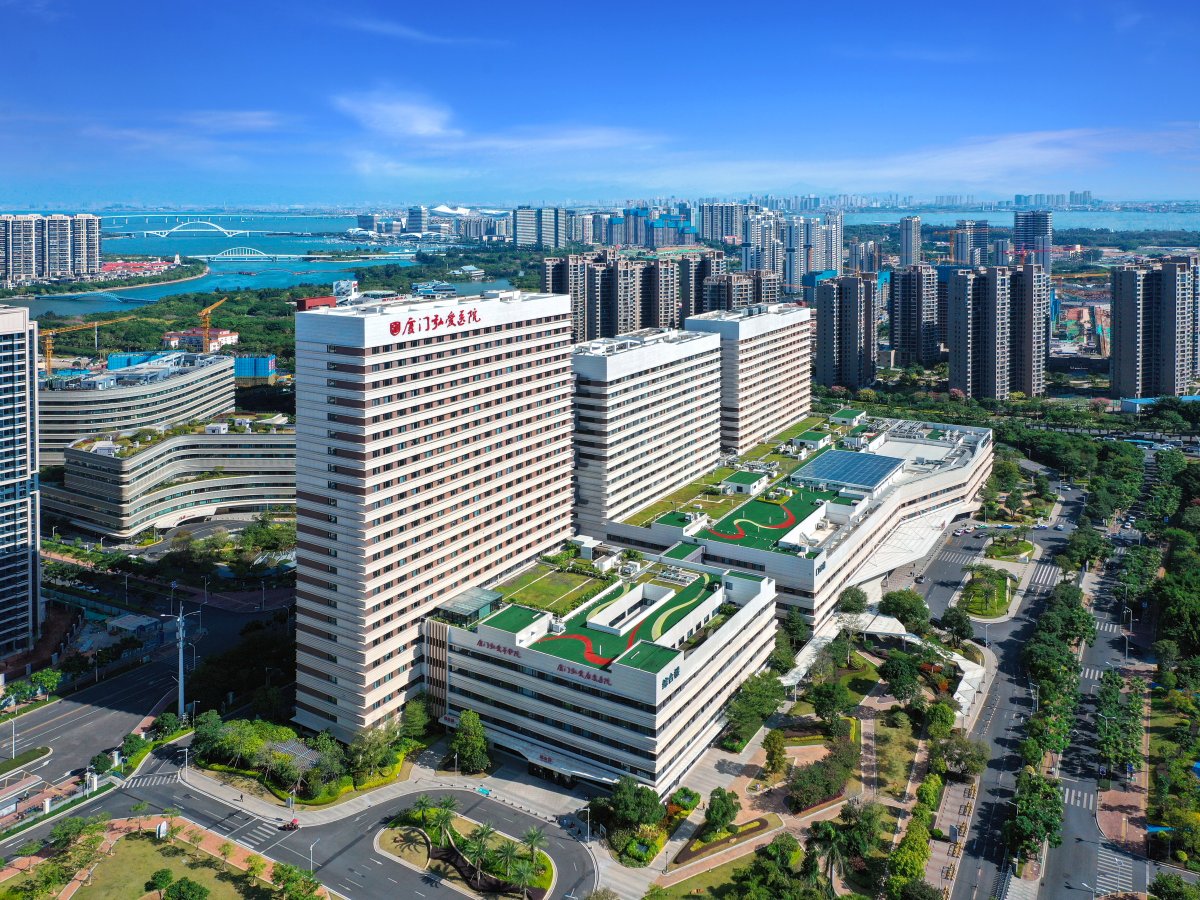
Hospital Xiamen Humanity

Fuda Cancer Hospital
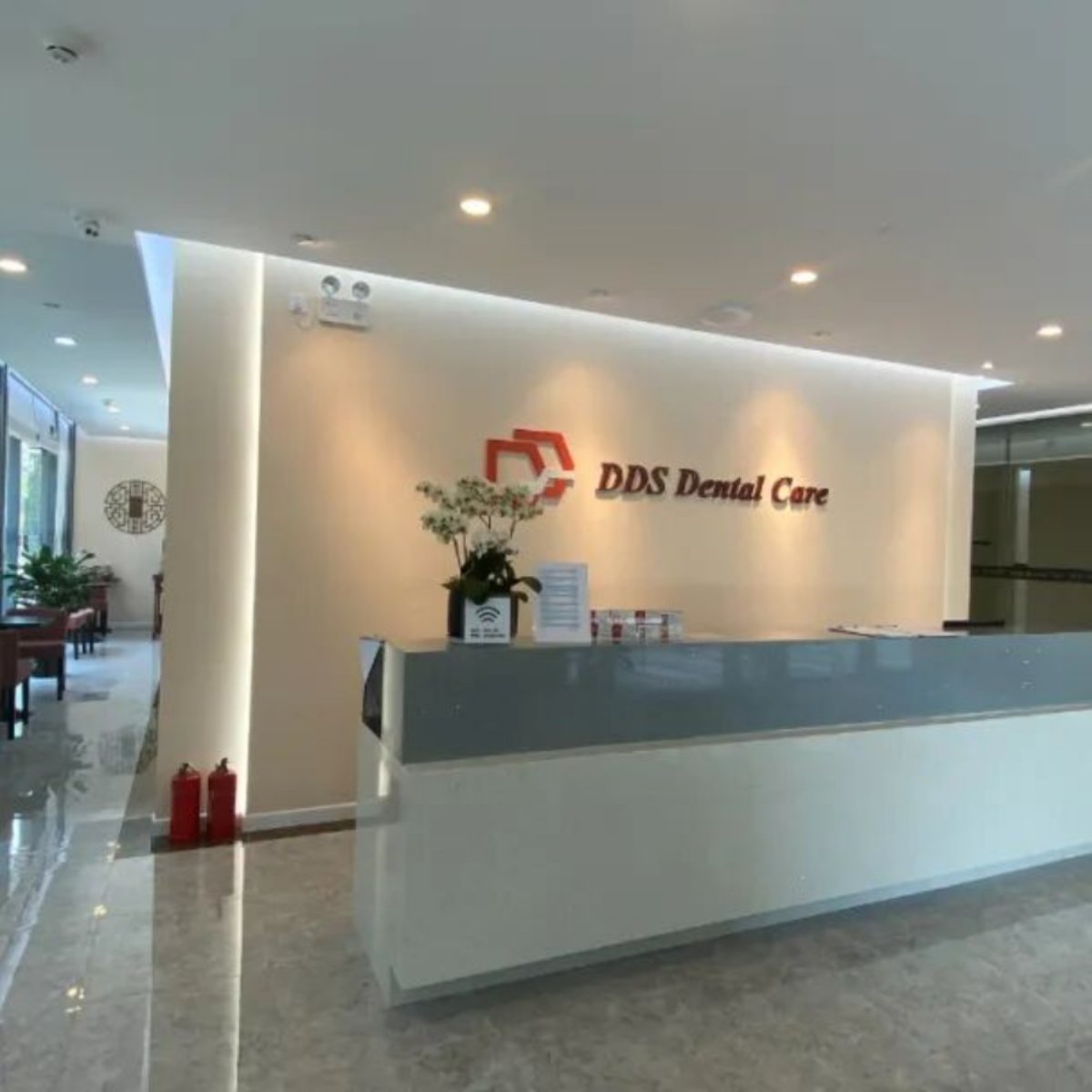
DDS Dental Care
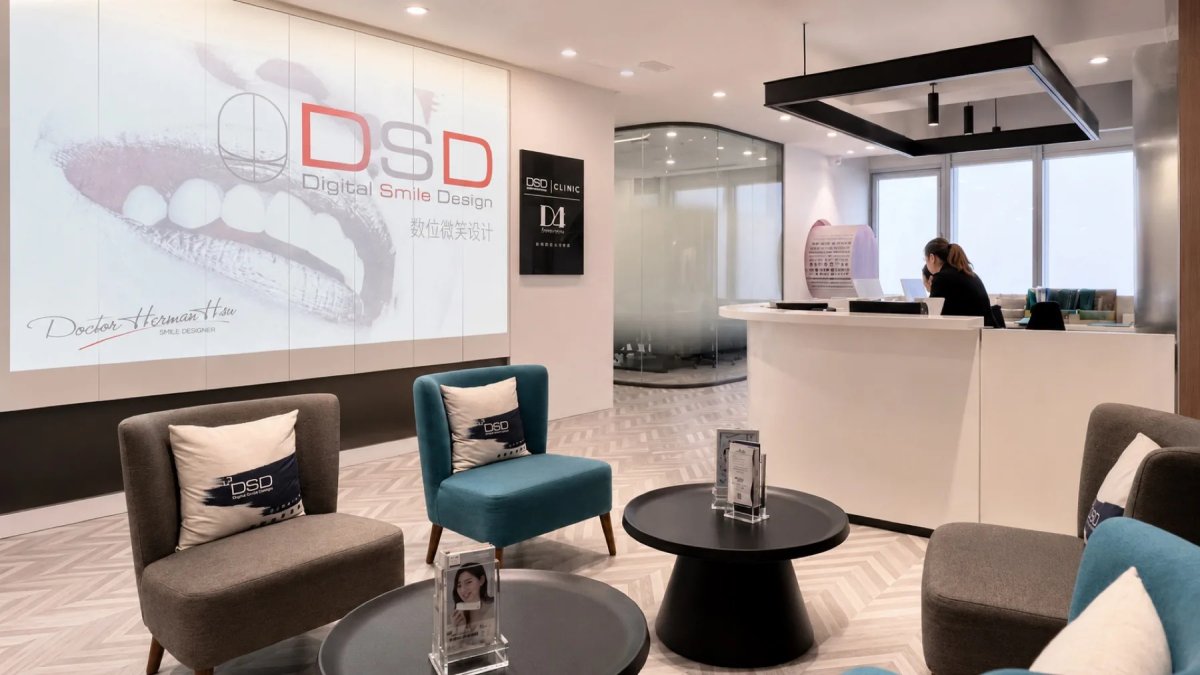
D4 Dental Clinic
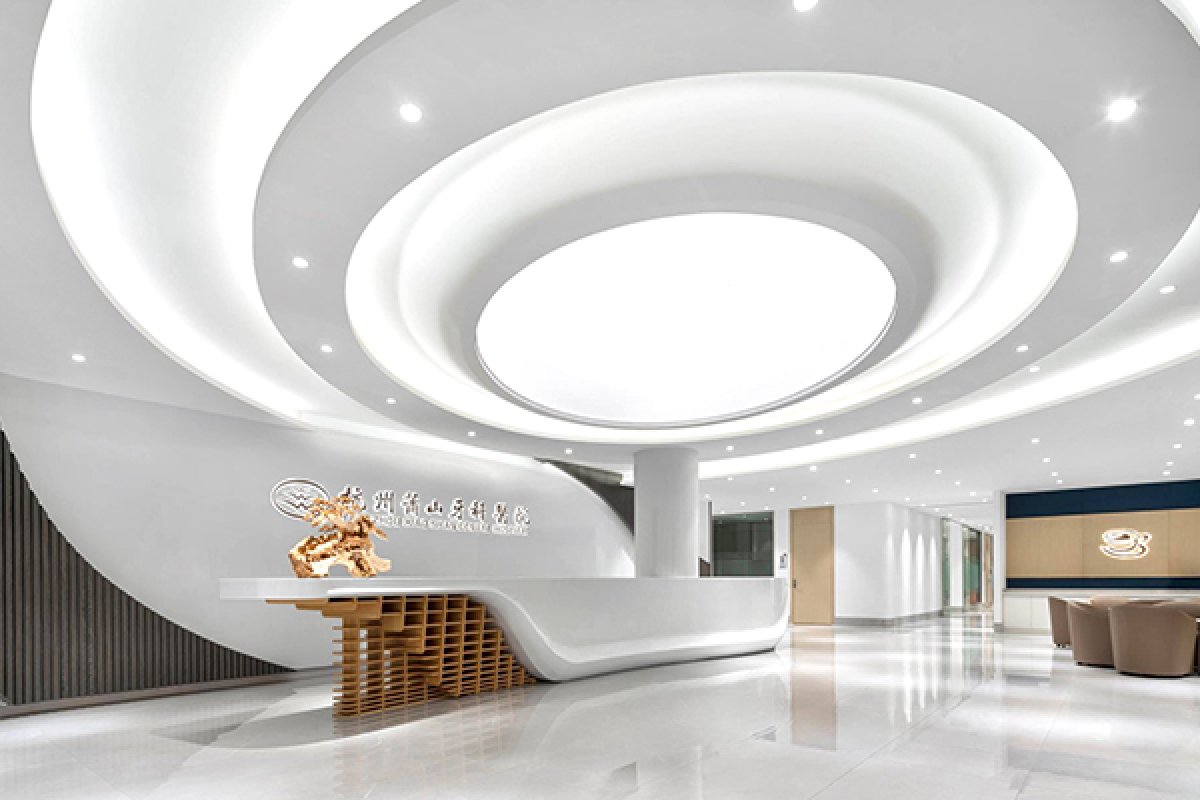
Xiaoshan Dental Hospital
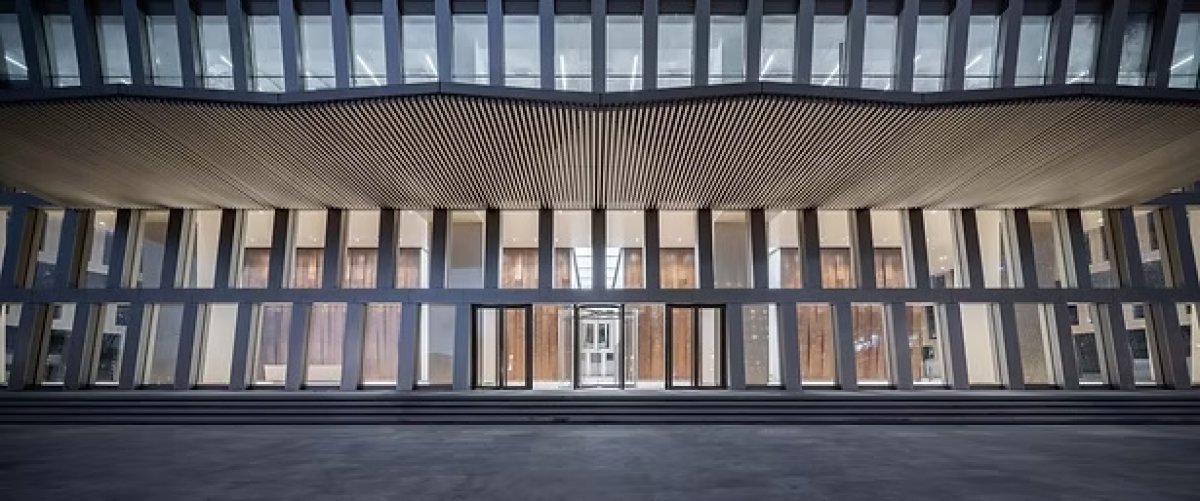
Aidencare Dental Clinic
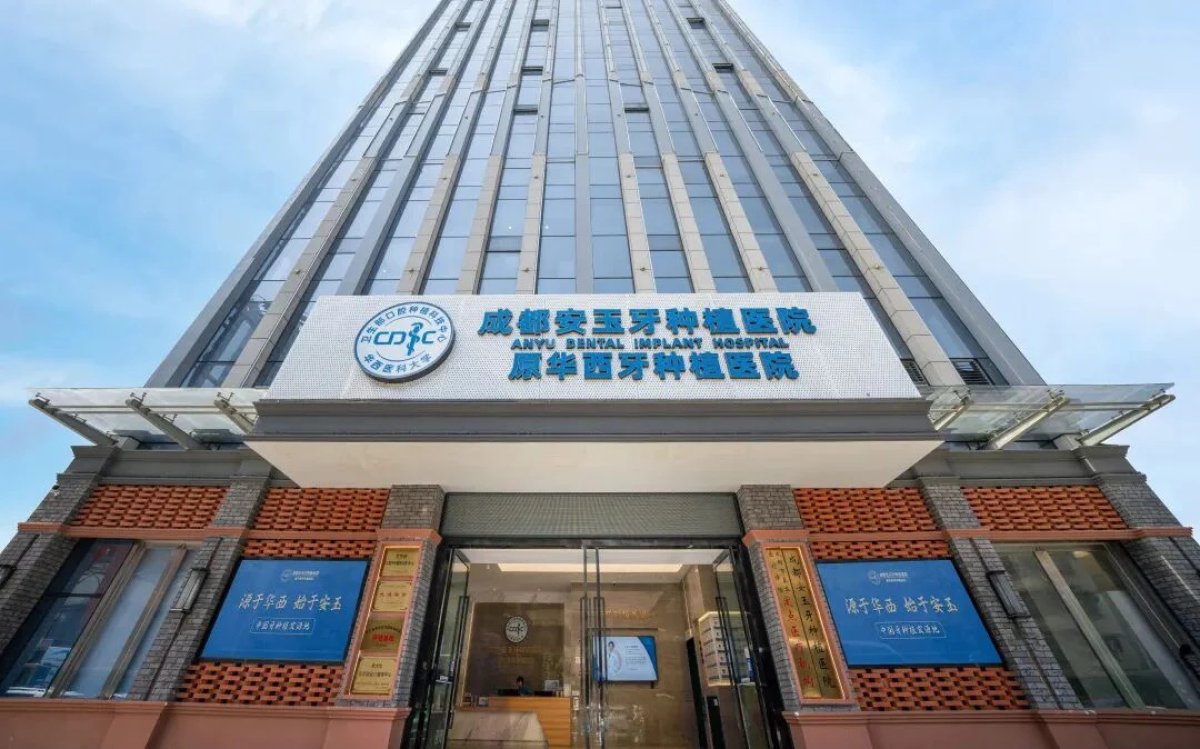
Anyu Dental Implant Hospital (Chengdu)
Los mejores centros médicos de Tratamiento dental en China
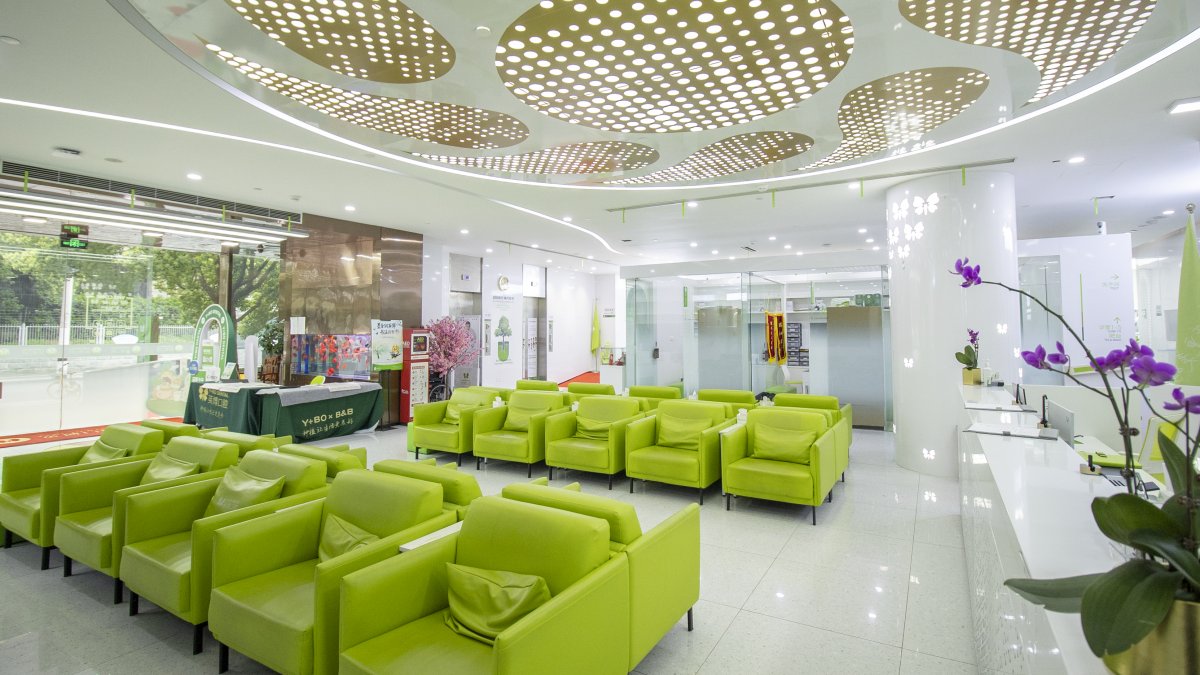
- Clínica dental Shanghai Y+bo, China
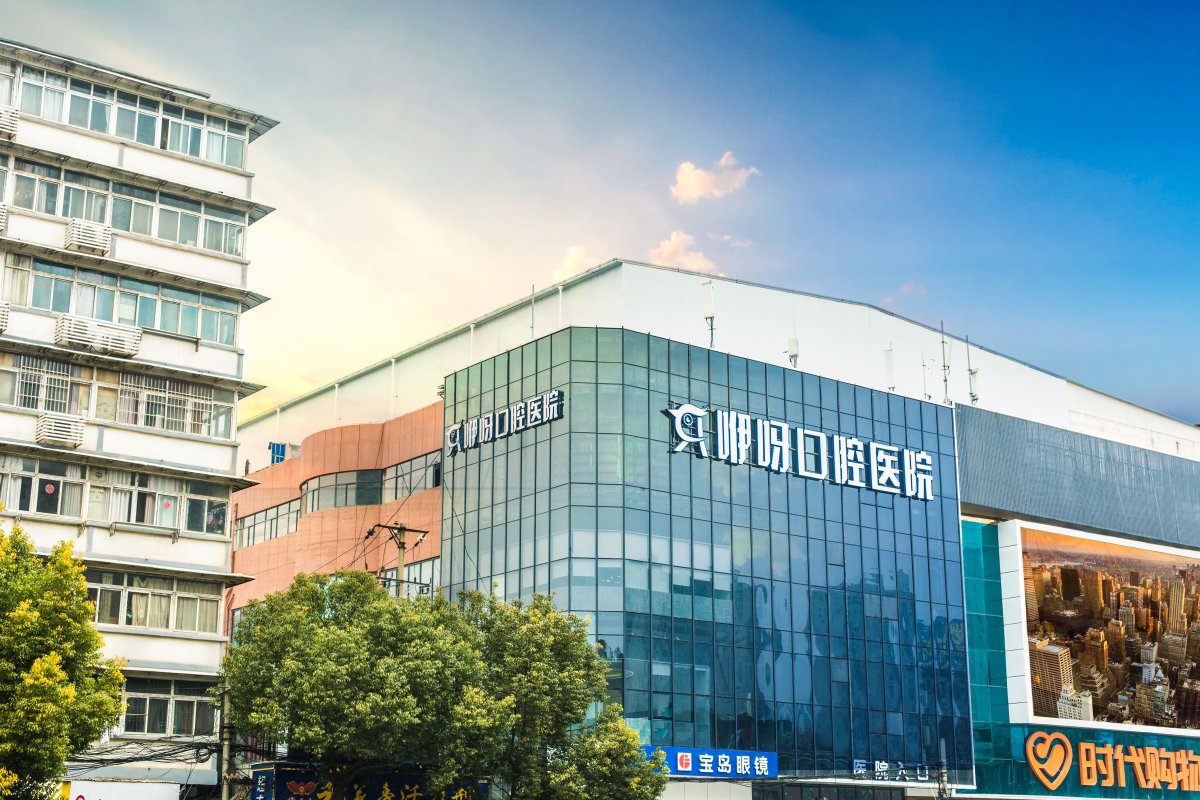
- Hospital dental Wuhan Yiya Simei, China
- Hospital Xiamen Humanity, China
- Fuda Cancer Hospital, China
- DDS Dental Care, China
- D4 Dental Clinic, China
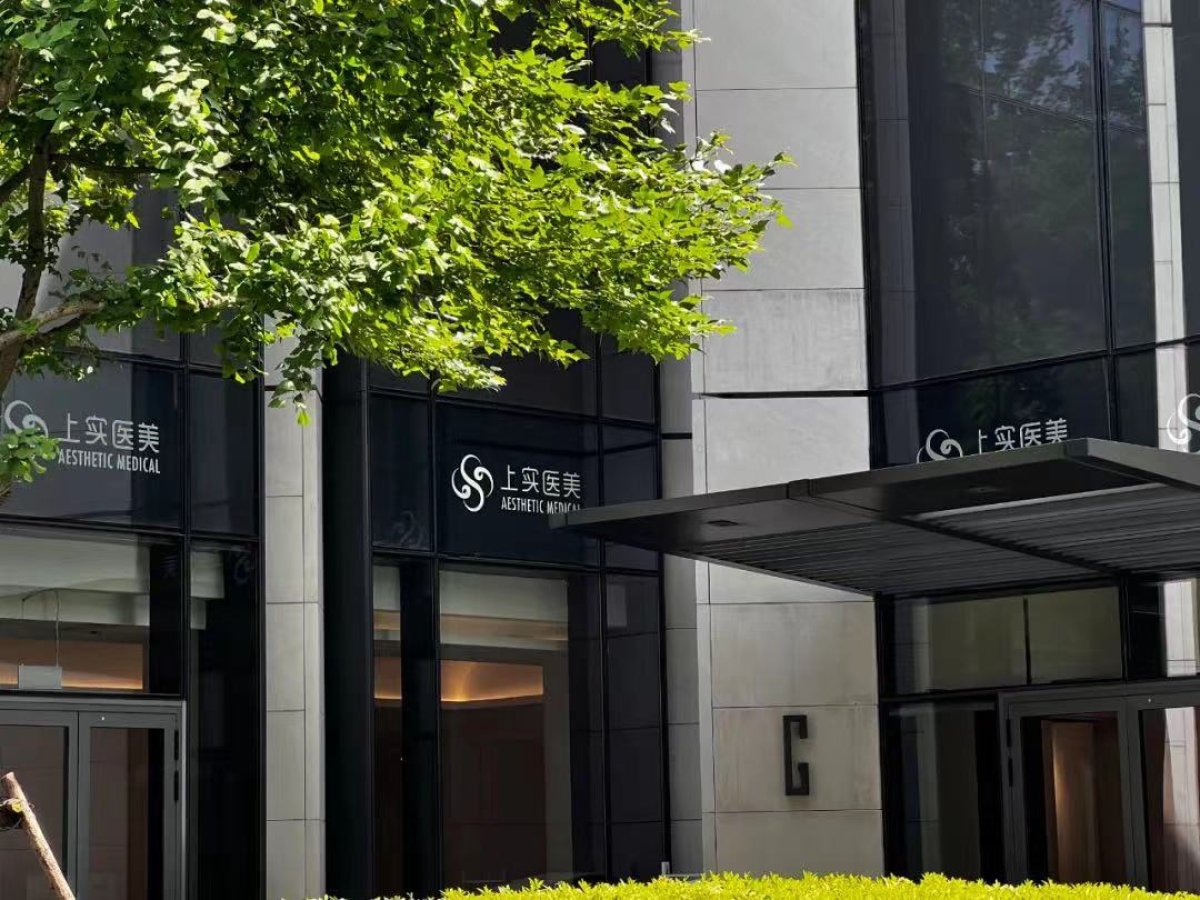
- Shanghai SIIC Medical Cosmetology Hospital, China
- Xiaoshan Dental Hospital, China
- Aidencare Dental Clinic, China
- Anyu Dental Implant Hospital (Chengdu), China
Obtenga una evaluación médica de Tratamiento dental en China: haga una consulta con 116 médicos experimentados ahora
Ver todos los médicos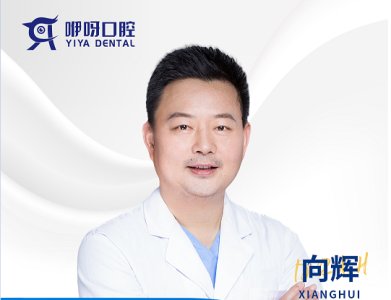
Xiang Hui
El Dr. Xiang Hui es médico jefe asociado con casi 30 años de experiencia clínica en odontología. Dirige el Comité de Cirugía de Implantes y el Centro de Implantología Compleja del grupo. Se desempeña como asesor técnico de Straumann (ITI) en Suiza. Es miembro de la Sociedad Provincial de Implantología de Hubei. Anteriormente fue jefe del Servicio de Estomatología en un hospital terciario.
Sus especialidades clínicas incluyen implantes inmediatos con carga el mismo día y implantes cigom
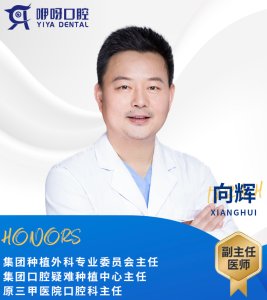
Hui Xiang
El Dr. Hui Xiang es cirujano implantólogo y asesor técnico de Straumann (ITI, Suiza). Dirige el Centro de Implantología Oral Compleja del Hospital Dental Wuhan Yiya Simei. Ejerce en la sede principal Bund de Shanghai Yingbo Dental. Preside el Comité de Cirugía de Implantes del Grupo Dental Yiya. Anteriormente dirigió el servicio de estomatología en hospitales terciarios.
Está especializado en reconstrucción oral avanzada. Realiza implantes inmediatos “Load-on-the-Day” que entregan dien
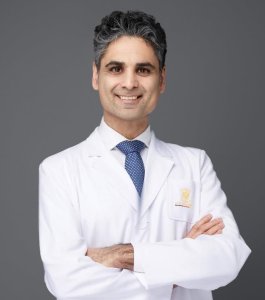
Schahram Schamsawary
El Dr. Dr. Schahram Schamsawary tiene doble titulación (MD y Dr. med. dent.). Se especializa en cirugía de cabeza y cuello y maxilofacial, cirugía oral y plástica estética, cirugía ortognática, implantología dental, cáncer de piel y reconstrucción facial postoncológica. Es fundador y director de la Clínica de Cirugía Oral, Maxilofacial y Plástica Estética en Meerbusch (desde 2013). Anteriormente fue consultor en la Fachklinik Hornheide, Münster.
Acreditaciones: Experto en implantes reg
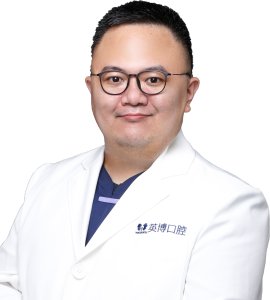
Liu De
El Dr. Liu De es Director de Implantes en Yibo Dental Group y odontólogo con licencia. Obtuvo el título de Doctor en Estomatología en la Escuela de Estomatología de West China, Universidad de Sichuan, el 20 de junio de 2014. Ejerce como odontólogo con licencia desde el 27 de agosto de 2015.
Se desempeñó como Profesor Asociado en la Universidad Médica de Guizhou. Es clínico certificado del Sistema de Implantes B&B (Italia). Completó el programa de formación SFA de Nobel Biocare.
Historias en video de pacientes de Bookimed
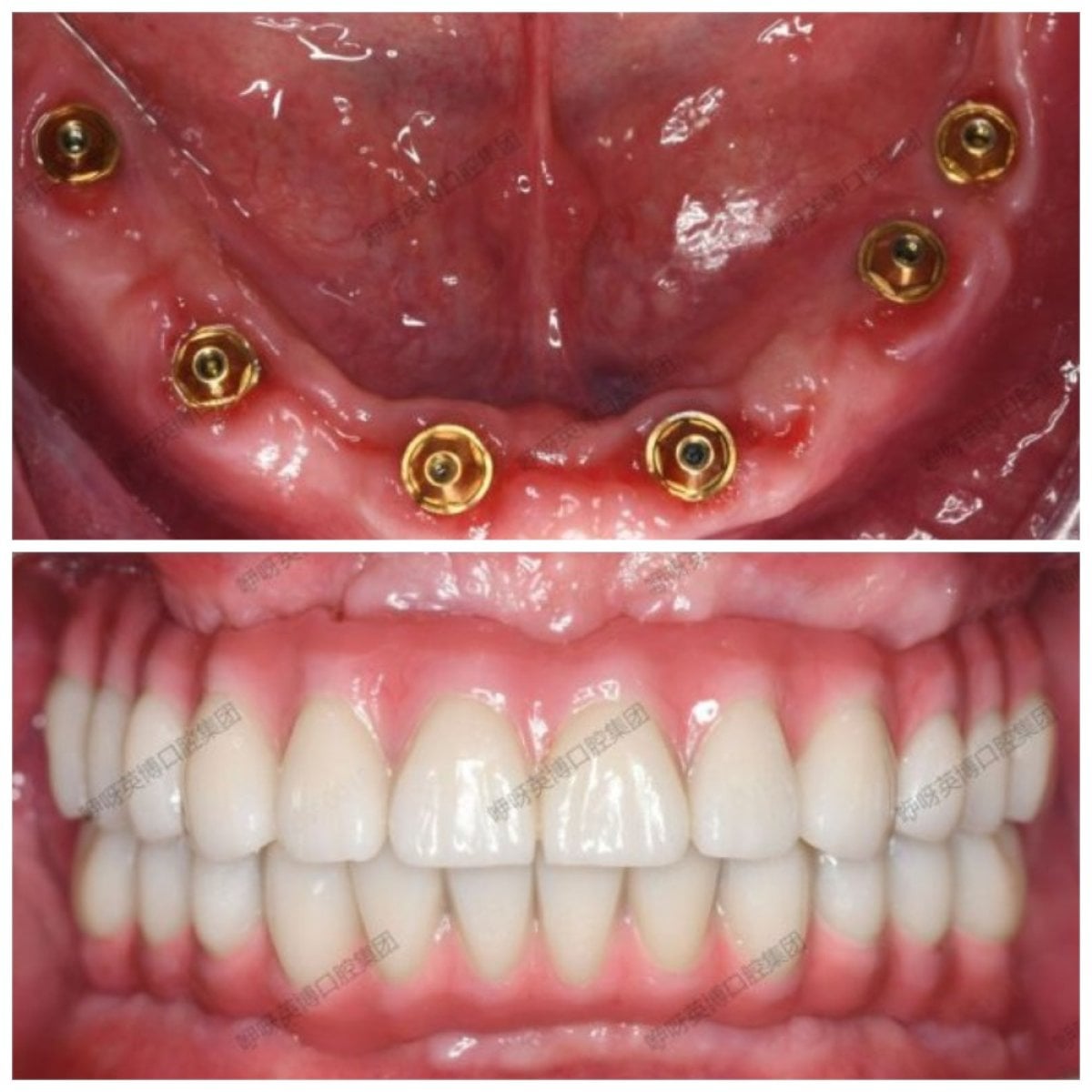
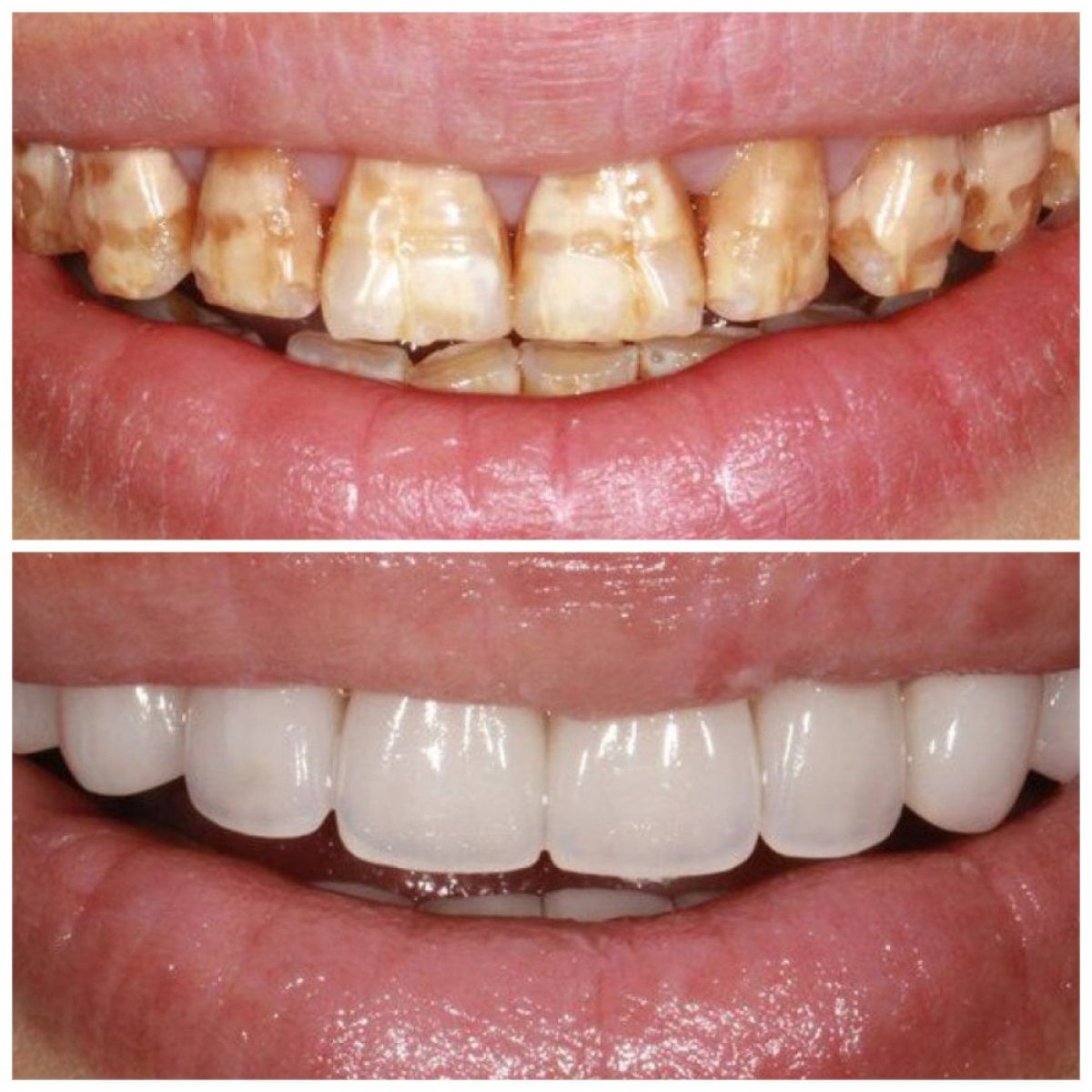
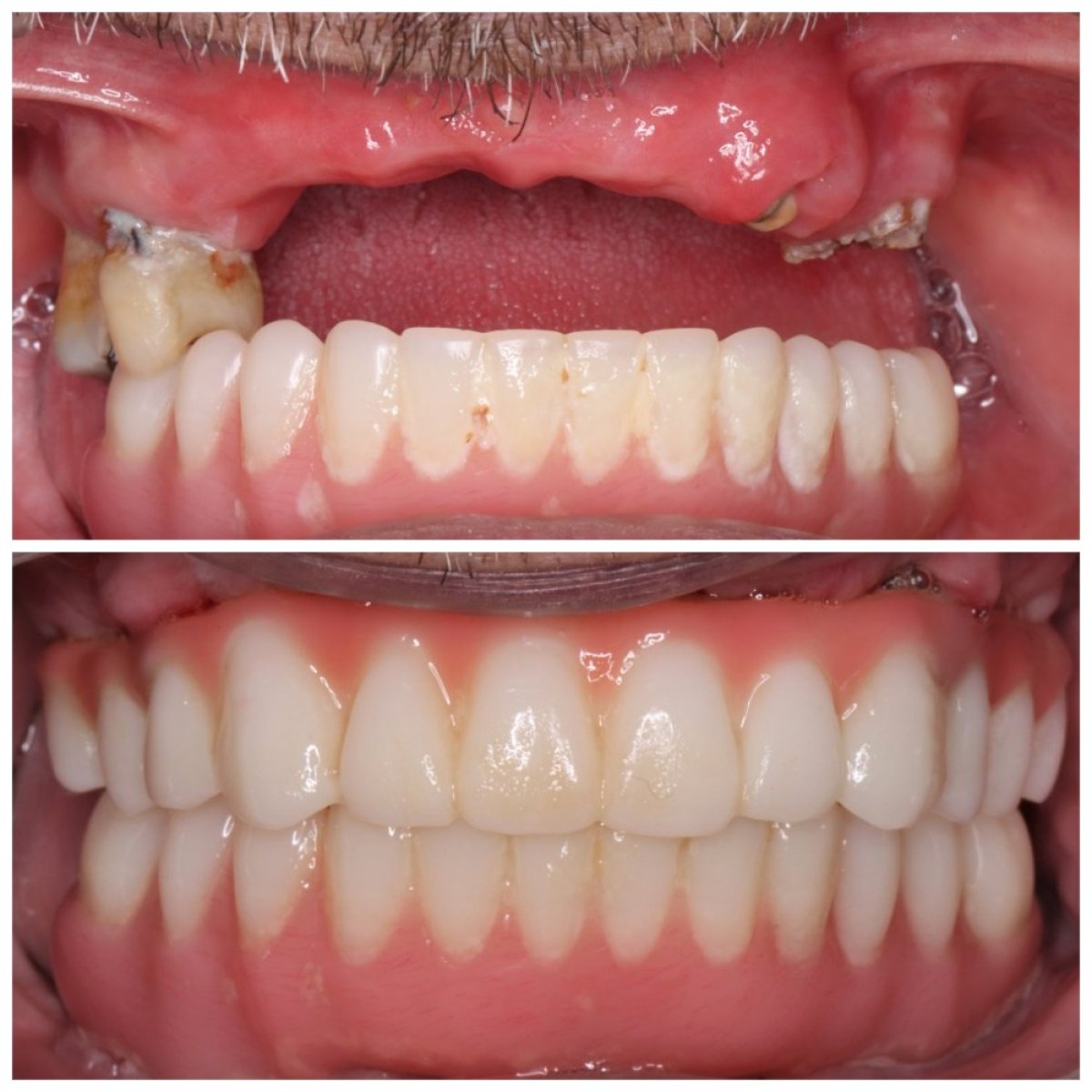
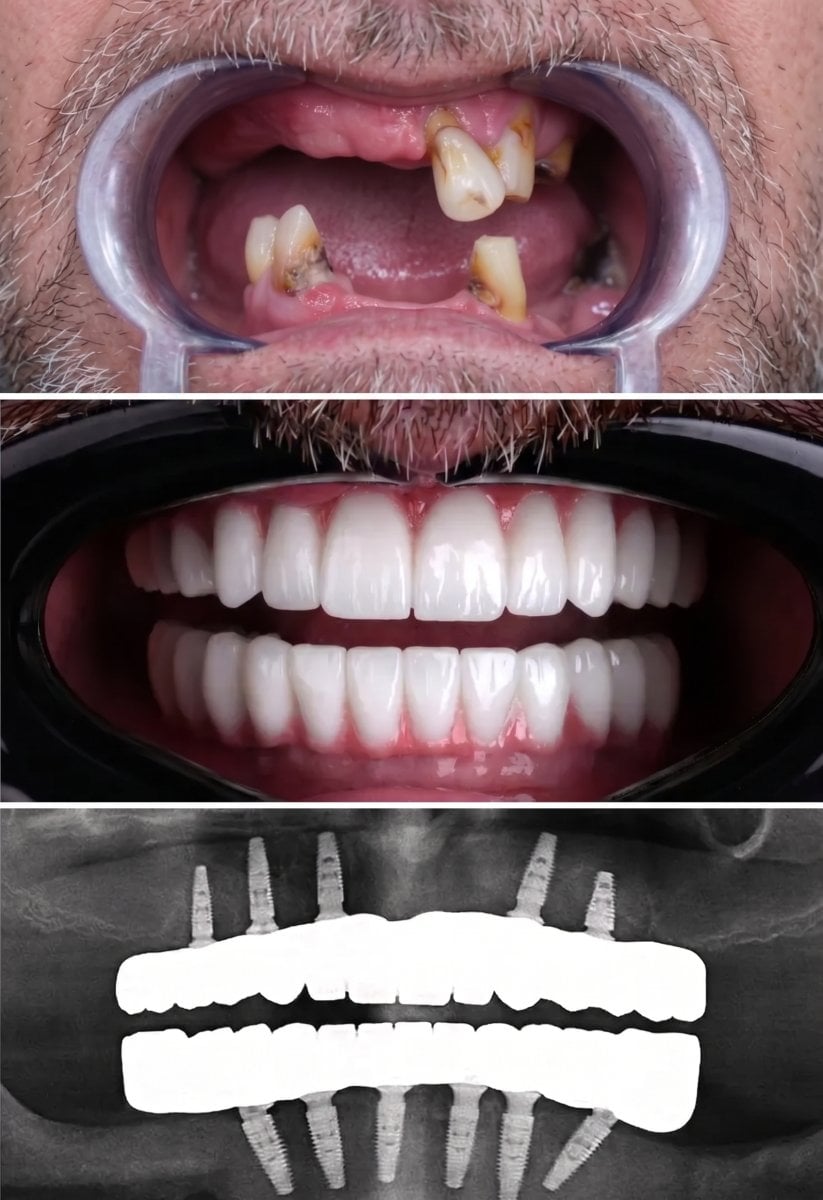
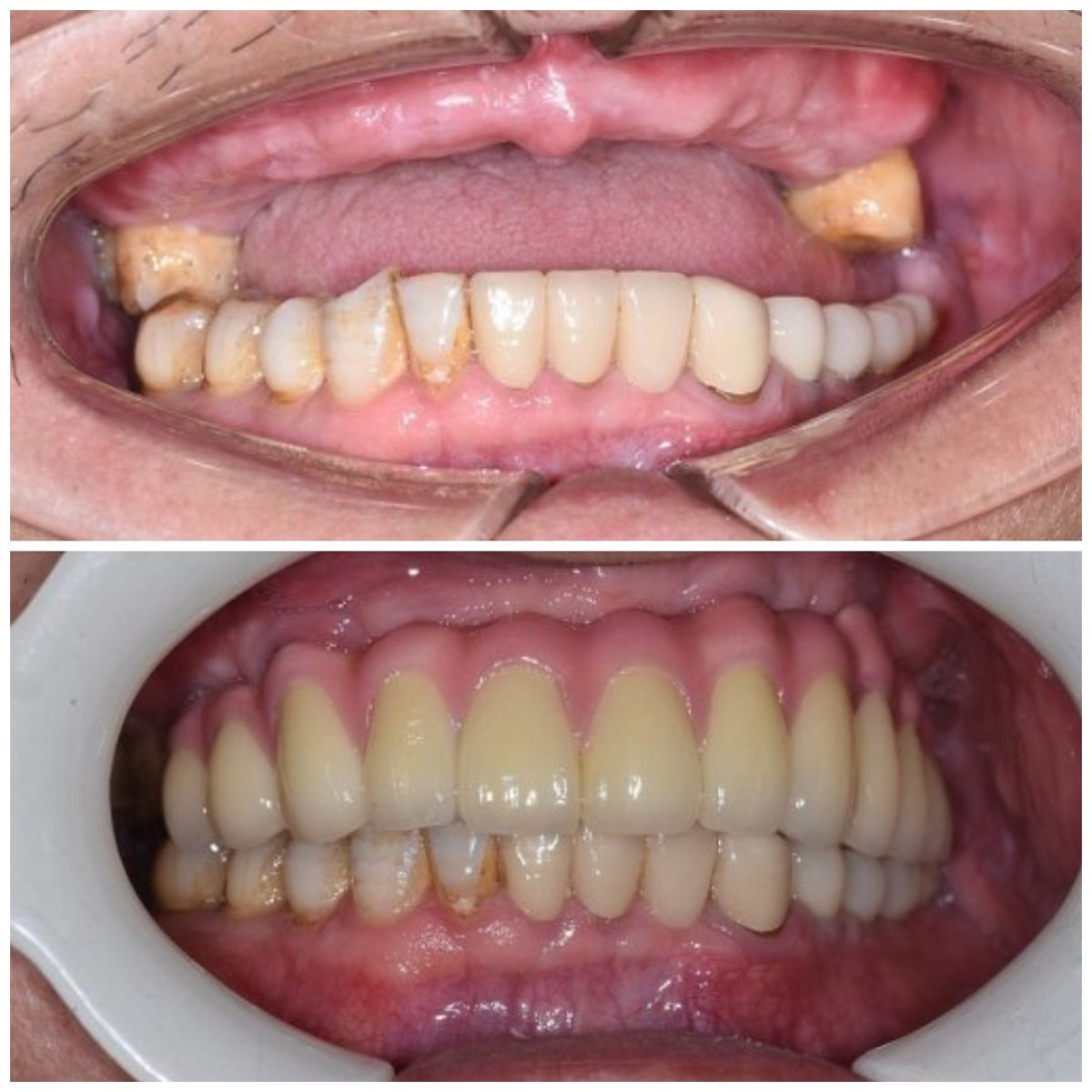
Tratamiento dental: Fotos de antes y después
Ver todos los Antes y Después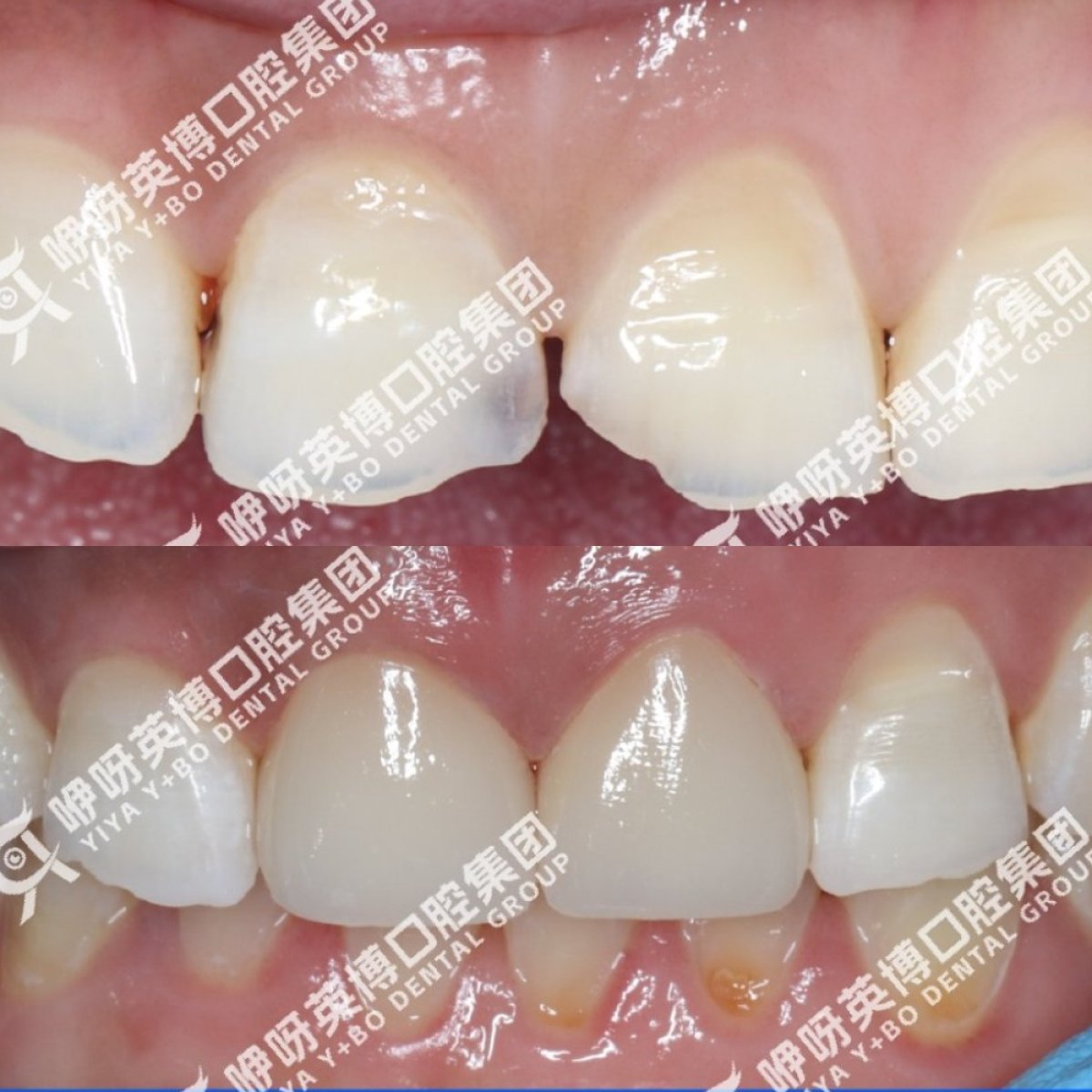
Artículos relacionados
Ver más
Turismo dental en Turquía: Tratamientos de clase mundial a precios accesibles
Escrito por Kateryna Zamkovska

“Se me cayeron los dientes el día después de la implantación. Pero Bookimed me ayudó a arreglarlo todo“
Escrito por Julia Beba

Las 7 mejores clínicas dentales coreanas en 2025
Escrito por Mariia Mytrofankina

Sonrisa más brillante por menos en 2025: Su guía de trabajos dentales en Turquía
Escrito por Kateryna Zamkovska

El coste de los implantes dentales en toda la boca: Qué esperar en 2025
Escrito por Mariia Mytrofankina
Compartir contenido
 Olena Sikoza
Preguntas frecuentes sobre Tratamiento dental en China
¿Es seguro someterse a procedimientos dentales en China?
En China, los procedimientos dentales seguros se realizan en clínicas acreditadas por la JCI y en hospitales especializados de las principales ciudades, como Pekín y Guangzhou. Estos centros cumplen con los protocolos internacionales de esterilización y utilizan imágenes digitales en 3D. Elegir clínicas de buena reputación ayuda a garantizar materiales de alta calidad y a evitar los riesgos asociados con laboratorios no regulados.
- Calidad hospitalaria: Los hospitales acreditados de tercer nivel, como el Hospital Humanitario de Xiamen, atienden a 1.000.000 de pacientes al año.
- Normas de seguridad: Los centros líderes están acreditados por la Joint Commission International (JCI) en materia de seguridad del paciente.
- Tecnología avanzada: Los principales centros médicos utilizan métodos de diagnóstico modernos, que incluyen radiografía digital e imágenes 3D.
- Experiencia de los médicos: Más de 460 médicos de diversos departamentos especializados trabajan en clínicas de categoría internacional, lo que garantiza el máximo nivel de calidad.
Opinión de expertos de Bookimed: El volumen de pacientes es un indicador importante de la fiabilidad del sistema sanitario chino. Hospitales como el Hospital Humanitario de Xiamen atienden a 1.000.000 de pacientes al año, lo que les permite acumular una amplia experiencia clínica. Los grandes centros suelen co
¿Hablará inglés el dentista?
En China, los dentistas que trabajan en clínicas internacionales o en grandes hospitales de las principales ciudades suelen hablar inglés. Instituciones como el Hospital Oncológico Fuda en Guangzhou atienden a pacientes de más de 100 países y a menudo ofrecen servicios de traducción. Las clínicas locales más pequeñas rara vez cuentan con especialistas que hablen inglés.
- Factor geográfico: El inglés es el idioma que se habla con mayor frecuencia en los centros médicos de Pekín, Shanghái y Guangzhou.
- Tipo de clínica: Clínicas privadas de alta gama especializadas en pacientes internacionales, que ofrecen servicios en dos idiomas.
- Herramientas de traducción: Los pacientes suelen utilizar WeChat o aplicaciones de traducción durante las consultas dentales.
- Capacidad de servicio: El Hospital Humanitario de Xiamen atiende a 1.000.000 de pacientes procedentes de Europa y Asia cada año.
Opinión de expertos de Bookimed: Los datos clínicos muestran una tendencia en la que los hospitales acreditados por la JCI, como el Hospital Oncológico Fuda, mantienen niveles más altos de dominio del inglés. Estas instituciones atienden a miles de pacientes internacionales cada año. Este volumen de trabajo les obliga a estandarizar la comunicación. Elegir un hospital acreditado suele eliminar la necesidad de intérpretes personales.
Comentarios de los
¿Es posible realizar procedimientos complejos como la colocación de implantes en una sola visita?
En China, los procedimientos dentales complejos, como los implantes, suelen requerir dos visitas. La colocación quirúrgica y las coronas provisionales se pueden realizar en una sola visita. Sin embargo, las coronas permanentes generalmente requieren una segunda visita entre tres y seis meses después de que el hueso se haya consolidado.
- Periodo de cicatrización: El hueso maxilar debe fusionarse con el poste de titanio antes de que se puedan colocar los dientes permanentes.
- Duración típica de la estancia: Prevea una estancia en China de 10 a 14 días para la cirugía inicial y el período de observación.
- Colocación inmediata: Algunas clínicas ofrecen coronas temporales con fines estéticos durante la primera visita.
- Segunda visita: Los pacientes regresan unos meses después para que se les tomen las impresiones finales y se les fabriquen coronas de porcelana duraderas.
Opinión de un experto de Bookimed: En grandes clínicas como las de Pekín, los centros médicos de alta gama suelen utilizar la programación digital para agilizar el proceso. Si bien el Hospital Humanitario de Xiamen atiende a 1.000.000 de pacientes al año como centro de atención terciaria, los departamentos dentales especializados de estas grandes instituciones priorizan la esterilización estricta. Un volumen de trabajo tan elevado suele requerir cirujanos con amplia experiencia en