Tratamiento de conducto en España: las 7 mejores clínicas y sus precios


Revisado médicamente por
Fahad Mawlood
Cómo funciona
¿Cuál es el precio de Tratamiento de conducto en España? Descubra ahora
De $340. El precio final depende del tipo de diente, la complejidad del caso y la ubicación de la clínica. En los EE. UU., procedimientos similares cuestan alrededor de $1,400 en promedio. Los pacientes ahorran alrededor de un 76% en comparación con los EE. UU. La mayoría de las clínicas dentales españolas incluyen la consulta inicial, la anestesia local y las radiografías de diagnóstico en este precio.
- Tratamiento de pulpitis: $140 a $320 para tratar la pulpa dental inflamada.
- Extracción de cuerpo extraño: $180 a $380 utilizando un microscopio dental.
- Extracción de quiste dental: $280 a $750 para eliminar infecciones en la raíz.
- Variaciones por ciudad: Los principales centros incluyen Barcelona, Madrid y Málaga para atención dental de alta gama.
Perspectiva del experto de Bookimed: España ofrece atención dental de élite en instituciones prestigiosas como el Centro Médico Teknon en Barcelona. Esta clínica está acreditada por la Joint Commission International (JCI). Atiende a atletas y celebridades de alto perfil, garantizando estándares clínicos de primer nivel. Si bien las clínicas locales ofrecen tarifas más bajas, elegir un hospital multidisciplinario brinda acceso a imágenes avanzadas. Esto es vital para retratamientos complejos o infecciones persistentes.
| España | Estados Unidos | México | |
|---|---|---|---|
| Tratamiento de conducto | de $340 | ≈ $900 | de $180 |
| Tratamiento de la pulpitis | ≈ $140 | ≈ $700 | de $180 |
| Extracción del cuerpo extraño en los conductos radiculares mediante un microscopio | ≈ $180 | ≈ $1,200 | de $280 |
| Eliminación de quistes dentales | ≈ $280 | ≈ $900 | de $240 |
Descubra las mejores clínicas de Tratamiento de conducto en España: 7 opciones verificadas y Precios





Clínica Dental Raíces
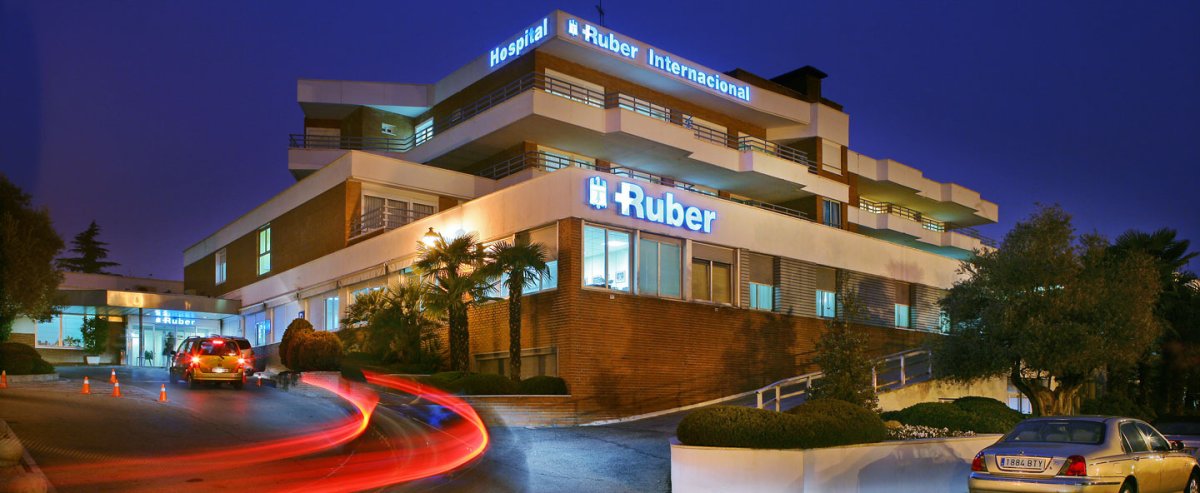


Hospital Sant Joan de Déu Barcelona


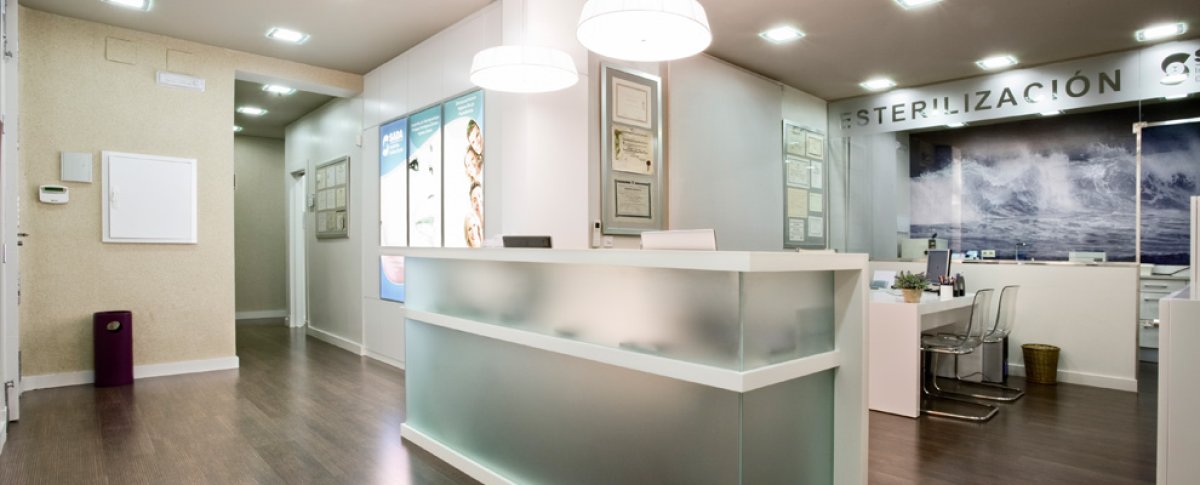

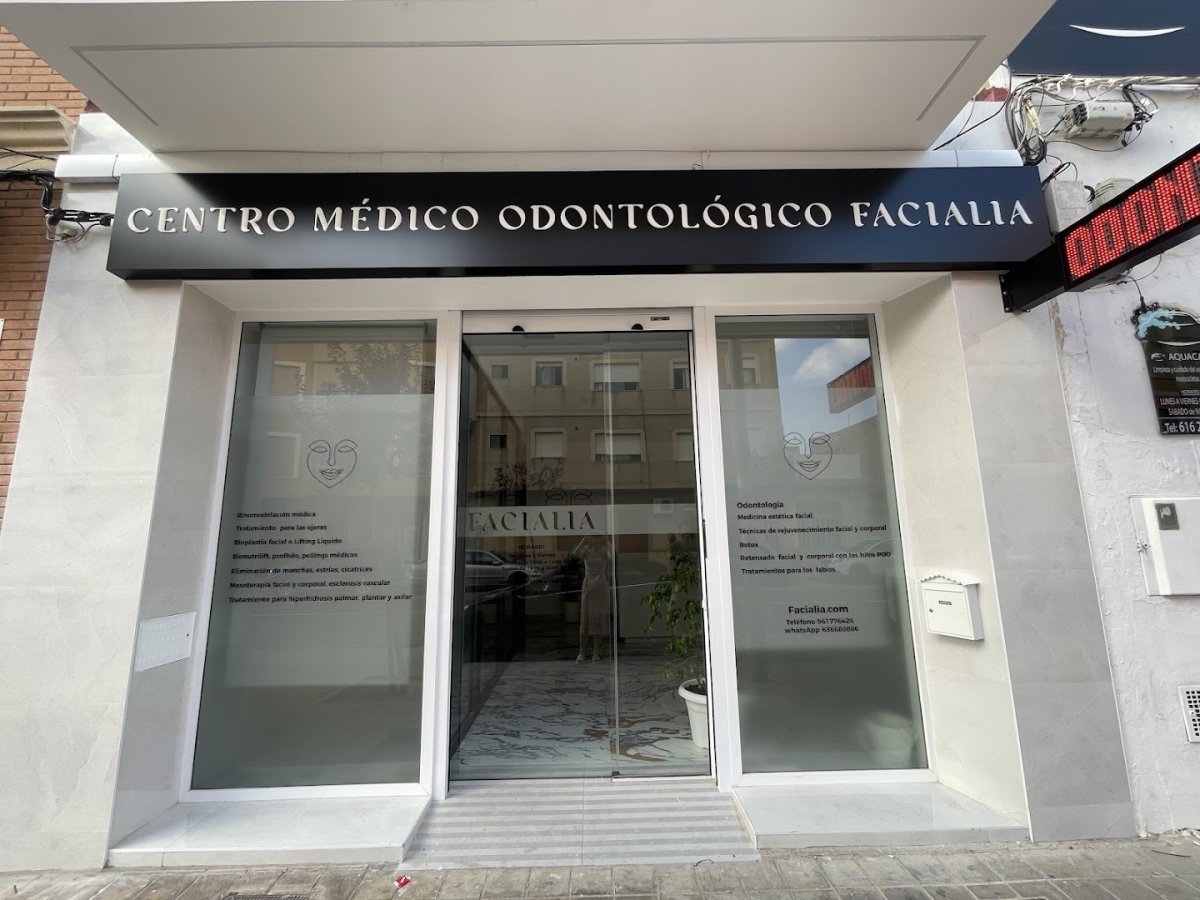

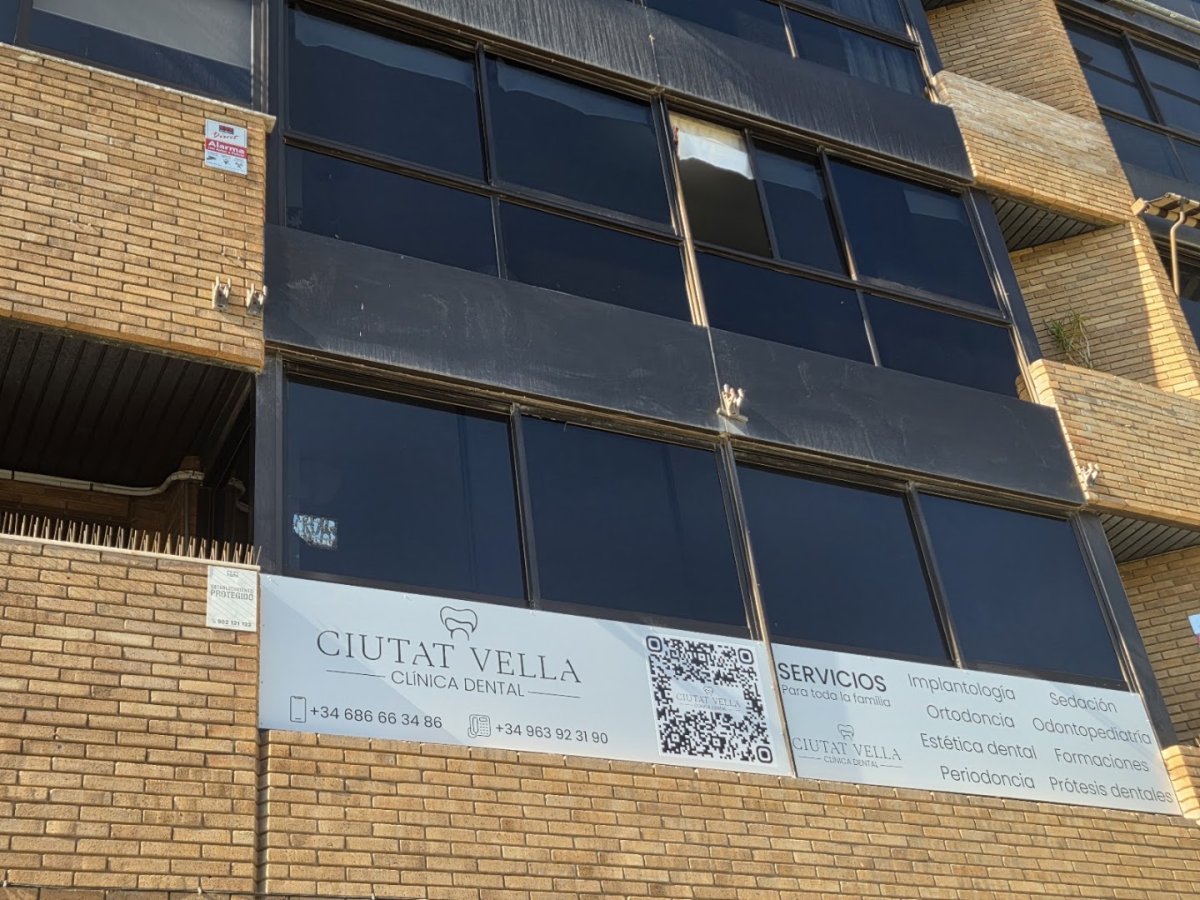
clinic Dental Ciutat Vella
Descripción general de Tratamiento de conducto en España
- Tratamiento de conducto - de $340El procedimiento trata infecciones de cavidades profundas, quitando la pulpa de un diente, desinfectándolo y luego sellándolo.
- Tratamiento de la pulpitis - de $140Esta terapia tiene como objetivo el manejo de la inflamación dental, involucrando limpieza, desinfección y sellado, aliviando así el dolor.
- Eliminación de quistes dentales - de $280El procedimiento extrae el saco lleno de líquido de un diente, mejorando la salud bucal y previniendo complicaciones.
- El procedimiento extrae restos invisibles de las raíces de los dientes, mejorando la precisión y la recuperación, a través de una visualización ampliada.
Día 1
- Llegada al aeropuerto del país.
- Traslado VIP a la clínica.
- Consulta inicial con el especialista dental.
- Check-in en un hotel de 4* durante la duración del tratamiento.
Dia 2
- Exámenes preoperatorios incluyendo radiografías dentales.
- Discusión con el médico sobre el plan de tratamiento.
- Preparación para el Tratamiento de Conducto Radicular.
Día 3
- Someterse a un tratamiento de conducto radicular bajo anestesia local.
- El procedimiento puede durar de 1 a 2 horas dependiendo del caso.
- Descanso post-procedimiento en la clínica.
Día 4
- Control postoperatorio con el especialista dental.
- Discusión sobre la necesidad de una corona o empaste dental.
Semana 1
- Descanso y recuperación en el hotel.
- Dieta blanda recomendada los primeros días.
- Medicamentos regulares para el dolor según lo prescrito.
Semana 2
- Vuelta a la dieta y actividades normales.
- Consulta de seguimiento con un dentista local si es necesario.
- Resultado final logrado con un diente completamente curado.
Tenga en cuenta que el caso de cada paciente es único y el cronograma puede variar ligeramente según el estado de salud y la velocidad de recuperación de la persona.
- Depósito de Bookimed: 200 $ o 200 €.
- Depósito de la clínica: Pague un porcentaje fijo por adelantado.
Obtenga una evaluación médica de Tratamiento de conducto en España: haga una consulta con 8 médicos experimentados ahora
Ver todos los médicos
Dr Alaa Ghuzlan
La Dra. Alaa Ghuzlan es odontóloga con más de 10 años de experiencia. Ha tratado a miles de pacientes en varios países. Cuenta con una especialización en implantología dental de la Universidad de Barcelona. Continúa formándose para ofrecer tratamientos actualizados.
Su consulta utiliza radiología 2D y 3D y un escáner intraoral 3D. Estas herramientas mejoran la experiencia del paciente y agilizan los flujos de trabajo. También permiten ofrecer una atención más rápida.
José Antonio Gramallés
José A. Gramallés
Historias en video de pacientes de Bookimed
Reseñas
Todas las reseñasCompartir contenido
 Olena Sikoza
Preguntas frecuentes sobre Tratamiento de conducto en España
¿Qué tan seguros son los tratamientos dentales y de conducto en España?
Los tratamientos dentales y de conducto en España son excepcionalmente seguros. Se mantienen altos estándares mediante estrictas regulaciones de la Unión Europea y la supervisión del consejo dental nacional. Los pacientes se benefician de una tasa de éxito del 95%, utilizando imágenes digitales avanzadas y endodoncia microscópica en instalaciones acreditadas por la JCI.
- Supervisión regulatoria: Todo dentista debe registrarse en el Consejo General de Dentistas para ejercer legalmente.
- Estándares de la UE: Las clínicas siguen los mandatos europeos para el control de infecciones cruzadas y estrictos protocolos de esterilización.
- Tecnología avanzada: Los especialistas utilizan escáneres intraorales 3D y radiología digital para una limpieza precisa de los conductos.
- Calidad de los materiales: Todos los materiales dentales e implantes deben llevar el marcado CE oficial europeo.
Perspectiva del experto de Bookimed: Aunque España ocupa el octavo lugar a nivel mundial en solicitudes médicas, el perfil de seguridad se ve reforzado por el alto volumen de cirujanos. En el Centro Médico Teknon, los médicos realizan más de 23,500 operaciones al año. Esta alta frecuencia en centros acreditados por la JCI garantiza que los clínicos mantengan una competencia técnica máxima en casos complejos de conducto.
Consenso de los pacientes:
¿Puedo volar a casa inmediatamente después de una endodoncia?
Puede volar a casa inmediatamente después de una endodoncia completada en España. No existen restricciones médicas que prohíban los viajes aéreos. Sin embargo, los profesionales dentales recomiendan esperar de 24 a 48 horas. Este plazo permite que la anestesia desaparezca y ayuda a controlar las posibles molestias causadas por los cambios de presión en la cabina.
- Sensibilidad a la presión: Los cambios de altitud pueden provocar barodontalgia, haciendo que el gas en el diente se expanda dolorosamente.
- Seguridad de la anestesia: Espere a que desaparezca el entumecimiento antes de comer durante el vuelo para evitar lesiones en la mejilla.
- Molestias postoperatorias: La presión sinusal cerca de los dientes superiores puede imitar un dolor de muelas durante el despegue y el aterrizaje.
- Estado del tratamiento: Asegúrese de que el diente esté completamente sellado con un empaste permanente o temporal seguro.
Perspectiva del experto de Bookimed: Los pacientes en España a menudo ahorran 76% en comparación con los costos de EE. UU. para tratamientos endodónticos complejos. Clínicas como el Hospital Ruber Internacional en Madrid mantienen la acreditación JCI, lo que garantiza sellados de alto estándar. Reserve su vuelo para el día siguiente al tratamiento para asegurarse de que cualquier sensibilidad inmediata después del proc
¿Es necesaria una corona después de una endodoncia en España?
¿Quién realiza realmente las endodoncias: los dentistas generales o los especialistas?
Tanto los dentistas generales como los especialistas dentales realizan endodoncias según la complejidad del caso. Los dentistas generales manejan procedimientos sencillos en los dientes frontales. Los endodoncistas se especializan en la anatomía compleja de los molares, retratamientos y microcirugía. En España, las clínicas privadas suelen emplear a ambos para garantizar una atención precisa en infecciones avanzadas.
- Dentistas generales: Gestionan tratamientos iniciales en dientes frontales con conductos radiculares únicos y rectos.
- Especialistas en endodoncia: Tratan molares multirradiculares o dientes que requieren microscopios quirúrgicos avanzados.
- Casos complejos: Los especialistas manejan tratamientos previos fallidos, conductos calcificados o traumatismos dentales graves.
- Diagnóstico avanzado: Clínicas como la Clínica Dental Raíces utilizan escáneres intraorales 3D para un mapeo preciso.
Perspectiva del experto de Bookimed: Los indicadores de calidad en España varían según el tipo de centro. Los grandes centros acreditados por la JCI, como el Centro Médico Teknon o el Hospital Ruber Internacional, ofrecen equipos multidisciplinarios. Estos hospitales suelen estar mejor equipados para pacientes con ansiedad alta o complejidades médicas que requieren sedación. Para endodoncias rutinarias, las clínicas boutique en Tenerife o Madrid
¿Puedo comunicarme eficazmente con mi dentista si solo hablo inglés?
Puede comunicarse eficazmente con los dentistas españoles utilizando el inglés, ya que es el idioma internacional principal en la atención sanitaria. La mayoría de las clínicas privadas en ciudades importantes como Barcelona y Madrid emplean coordinadores médicos y especialistas dentales de habla inglesa para ayudar a los pacientes internacionales durante los procedimientos de conducto radicular.
- Coordinadores médicos: El personal dedicado en clínicas como el Centro Médico Teknon ayuda con la comunicación.
- Formación especializada: Los dentistas españoles a menudo poseen credenciales internacionales de instituciones como la Universidad de Barcelona.
- Ayudas visuales: Los médicos utilizan escáneres intraorales 3D y radiología para explicar el daño en los conductos.
- Instrucciones escritas: Las clínicas proporcionan pasos de seguimiento por escrito para garantizar la claridad una vez que se vaya.
Perspectiva del experto de Bookimed: Los centros de gran volumen como el Hospital Ruber Internacional y el Centro Médico Teknon mantienen la acreditación JCI, que exige estándares claros de comunicación con el paciente. Aunque la fluidez del personal de apoyo varía, las clínicas que atienden a más de 10.000 pacientes internacionales al año priorizan a especialistas de habla inglesa para garantizar la precisión durante conductos radiculares complejos