Tratamiento dental en India — Costos 2026


Revisado médicamente por
Fahad Mawlood
¿Cuál es el precio de procedimientos de Tratamiento dental en India? Descubra ahora
| India | España | Estados Unidos | |
|---|---|---|---|
| Mini-implantes | ≈ $300 | de $1,700 | ≈ $1,500 |
| Lumineer | de $400 | ≈ $700 | de $800 |
| Implantes dentales All-on-6 | de $4,000 | de $8,000 | de $22,000 |
| Implantes dentales All-on-4 | de $5,500 | de $6,300 | de $15,000 |
| Extracción dental | ≈ $40 | de $95 | ≈ $200 |
Todas las enfermedades de Tratamiento dental
Sus beneficios y garantías con Bookimed
Precios directos
Bookimed no añade cargos extra a los precios de los tratamientos de Tratamiento dental. Las tarifas proceden de las listas de precios oficiales de las clínicas. Pagará directamente en la clínica por su tratamiento a su llegada al país.
Sólo clínicas y médicos verificados
Bookimed está comprometido con su seguridad. Solo trabajamos con las clínicas que mantienen altos estándares internacionales en el tratamiento de Tratamiento dental y tienen las licencias necesarias para atender a pacientes internacionales en todo el mundo.
Asistencia 24/7 gratuita
Bookimed ofrece asistencia experta gratuita. Un coordinador médico personal le apoya antes, durante y después del tratamiento, resolviendo cualquier problema. Nunca estará solo en su viaje médico de procedimientos de Tratamiento dental.

Su coordinador médico personal de Bookimed
- Le apoya en cada etapa
- Ayuda a elegir la clínica y el médico adecuados
- Asegura un acceso rápido y conveniente a la información
Descubra las mejores clínicas de Tratamiento dental en India: 39 opciones verificadas y Precios




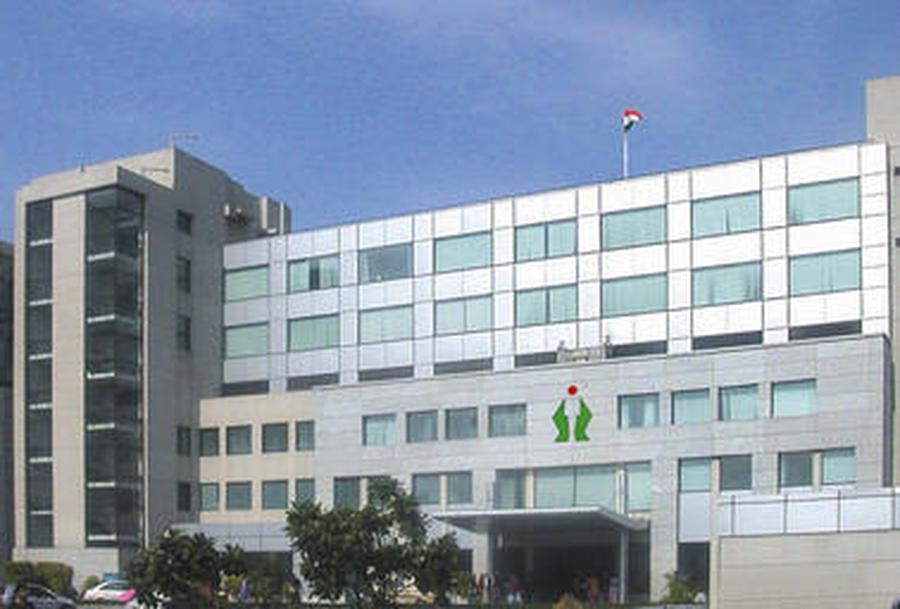




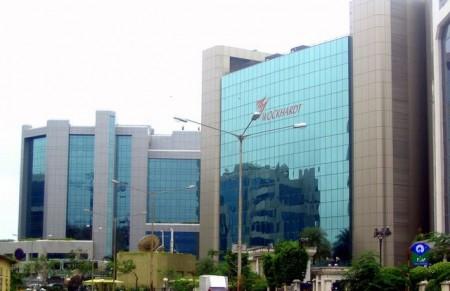
Wockhardt Hospital








Los mejores centros médicos de Tratamiento dental en India
- Artemis Hospitals, India
- Fortis Escorts Heart Institute, India
- Apollo Hospital Indraprastha, India
- Medanta Hospital, India
- Wockhardt Hospital, India
- Manipal Hospitals, India
- Global Hospital Chennai, India
- BLK Super Speciality Hospital, India
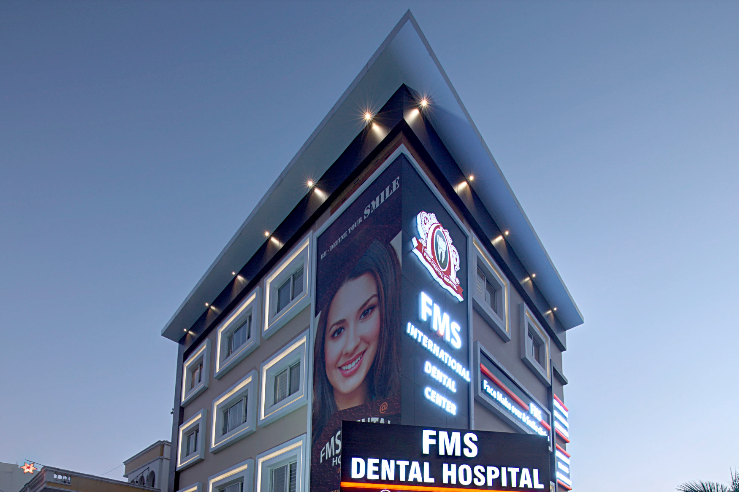
- FMS International Dental Center, India
- Global Hospital Mumbai, India
Obtenga una evaluación médica de Tratamiento dental en India: haga una consulta con 40 médicos experimentados ahora
Ver todos los médicos
Priyank Pareek
El Dr. Priyank Pareek es cirujano dental e implantólogo en Lucid Dental, en Pune. Capacita a graduados en odontología restauradora, implantología y odontología digital. Realiza rehabilitaciones bucales completas mediante planificación quirúrgica y diseño estético. El Dr. Pareek gestiona la atención dental funcional y los procedimientos cosméticos.
- Realiza tratamientos de conducto, carillas e implantes dentales.
- Lleva a cabo reconstrucciones orales complejas y extracciones d
Shweta Rathi
La Dra. Shweta Rathi es cirujana dental e implantóloga en Lucid Dental en Pune, India. Se especializa en odontología restauradora y estética, específicamente en implantes dentales, tratamientos de conducto y blanqueamiento dental. La Dra. Rathi también ofrece terapia con alineadores transparentes para pacientes que buscan alternativas a los brackets tradicionales.
- Realiza instalaciones de implantes dentales, incluida la colocación de coronas.
- Trata afecciones de las encías

Darshana Irwin
La Dra. Darshana Irwin es medallista de oro en ortodoncia por el SRM Dental College de Chennai. Asimismo, cuenta con un título de BDS (Grado en Cirugía Dental) por el Saveetha Dental College de Chennai.
Es ortodoncista con más de 10 años de experiencia clínica. Ha trabajado en el CMC de Vellore y en clínicas dentales especializadas en Chennai, Delhi y Gurgaon. Está capacitada en técnicas de ortodoncia moderna. Es proveedora certificada de Invisalign (terapia con alineadores transparent
Dr. Burute
Historias en video de pacientes de Bookimed
Artículos relacionados
Ver más
Turismo dental en Turquía: Tratamientos de clase mundial a precios accesibles
Escrito por Kateryna Zamkovska

“Se me cayeron los dientes el día después de la implantación. Pero Bookimed me ayudó a arreglarlo todo“
Escrito por Julia Beba

Las 7 mejores clínicas dentales coreanas en 2025
Escrito por Mariia Mytrofankina

Sonrisa más brillante por menos en 2025: Su guía de trabajos dentales en Turquía
Escrito por Kateryna Zamkovska

El coste de los implantes dentales en toda la boca: Qué esperar en 2025
Escrito por Mariia Mytrofankina
Compartir contenido
 Olena Sikoza
Preguntas frecuentes sobre Tratamiento dental en India
¿Es segura y está regulada la atención dental en la India?
La atención dental en la India es segura cuando se seleccionan instalaciones acreditadas por la Junta Nacional de Acreditación para Hospitales y Proveedores de Atención Médica (NABH). El Consejo Dental de la India (DCI) regula a los profesionales. Las mejores clínicas en Delhi y Mumbai siguen protocolos de esterilización internacionales y utilizan marcas de implantes globales.
- Supervisión regulatoria: Todos los dentistas en ejercicio deben registrarse en el Consejo Dental de la India (DCI).
- Estándares clínicos: Centros líderes como Artemis Hospitals mantienen la acreditación de la Joint Commission International (JCI).
- Tecnología avanzada: Las clínicas utilizan restauraciones CAD/CAM, diseño de sonrisa digital y planificación de implantes guiada por CBCT.
- Formación profesional: Especialistas como el Dr. Anupam Sinha a menudo poseen formación clínica internacional avanzada.
Perspectiva del experto de Bookimed: Los datos muestran que los centros de alto volumen en ciudades de primer nivel ofrecen la seguridad más constante. Por ejemplo, el FMS International Dental Center atiende a 1.000.000 de pacientes al año y posee clasificaciones globales. Este volumen clínico permite a estos centros invertir en costosa tecnología de esterilización de la que podrían carecer las clínicas rurales más pequeñas.
Consenso de los pacientes:
¿Qué pasa si algo sale mal después de regresar a casa?
Los problemas posteriores al tratamiento en la India se gestionan mediante consultas remotas y seguimientos locales. Los centros dentales indios como el FMS International Dental Center ofrecen mensajería con cirujanos las 24 horas del día, los 7 días de la semana, para obtener orientación inmediata. Los pacientes deben asegurarse de contar con un dentista local para ajustes menores antes de viajar. La mayoría de las clínicas ofrecen refacciones gratuitas por fallos en los materiales.
- Soporte remoto: Los especialistas ofrecen consultas por video y planificación de tratamiento digital en 3D.
- Calidad clínica: Instalaciones como Manipal Hospitals cuentan con acreditaciones de salud internacionales JCI y NABH.
- Atención de emergencia: Los pacientes deben tener un dentista local listo para complicaciones inmediatas después del vuelo.
- Reparaciones en garantía: Las mejores clínicas a menudo cubren las piezas de repuesto si las coronas o carillas fallan prematuramente.
Perspectiva del experto de Bookimed: Las clínicas con un alto volumen de pacientes, como el FMS International Dental Center, que atiende a 1 millón de pacientes al año, siguen protocolos internacionales estandarizados. Nuestros datos muestran que estos centros a gran escala suelen ofrecer sistemas de apoyo a largo plazo más sólidos. A menudo brindan acceso directo a cirujanos senio
¿Cuánto tiempo debo quedarme para los implantes?
Los pacientes suelen permanecer en la India de 7 a 14 días para la etapa inicial de los implantes dentales. Los implantes individuales implican una cirugía de 1 a 2 horas. Los procedimientos de arcada completa como All-on-4 o All-on-8 requieren más tiempo para ajustes. Un segundo viaje corto sigue después de 3 a 6 meses.
- Cirugía inicial: Los implantes se colocan dentro de 1 a 3 días después de llegar a la India.
- Período de recuperación: Los pacientes generalmente regresan a sus rutinas normales de 2 a 3 días después de la cirugía.
- Fase de curación: La fusión ósea, conocida como osteointegración, tarda de 3 a 6 meses en completarse.
- Restauración final: Se requiere una segunda visita de 3 a 5 días para la colocación de la corona permanente.
Perspectiva del experto de Bookimed: Los centros de alto volumen como el FMS International Dental Center, que atiende a 1.000.000 de pacientes al año, a menudo utilizan tecnología CAD/CAM. Este flujo de trabajo digital puede reducir el primer viaje en 2 días. Permite una producción más rápida de coronas temporales y una planificación quirúrgica más precisa.
Consenso de los pacientes: Los pacientes sugieren reservar estancias flexibles de 10 a 14 días para casos de boca completa para tener en cuenta la posible hinchazón. La mayoría considera que alojarse cerca del aeropuerto en c
¿Hablan inglés los dentistas indios?
La mayoría de los dentistas indios hablan inglés con fluidez, ya que es el medio principal de la educación médica. El dominio del inglés es estándar en las clínicas urbanas y en los centros médicos importantes. Los profesionales a menudo poseen membresías internacionales o se han formado en el extranjero, en países como Estados Unidos, Israel o Italia.
- Estándar educativo: La formación dental y los libros de texto en la India son exclusivamente en inglés.
- Registros clínicos: Los médicos escriben todas las recetas y los informes médicos en inglés como norma.
- Centros especializados: Clínicas como el FMS International Dental Center atienden específicamente a pacientes internacionales.
- Competencia del personal: Los equipos de apoyo en hospitales acreditados por la JCI suelen mantener altos estándares de comunicación en inglés.
Perspectiva del experto de Bookimed: Las clínicas con un alto volumen de pacientes internacionales, como el Apollo Hospital Indraprastha, a menudo cuentan con médicos como el Dr. Anupam Sinha, especializados en el tratamiento de clientes globales. Los datos muestran que estos centros emplean frecuentemente personal multilingüe o brindan apoyo dedicado para idiomas extranjeros. En ciudades como Delhi y Hyderabad, los expertos dentales a menudo poseen becas de organismos internacionales como el ICOI o los Royal Colleges.
¿Cuáles son las mejores ciudades para recibir tratamiento dental?
Delhi, Mumbai y Bangalore son las ciudades principales para el tratamiento dental en la India. Estos centros cuentan con hospitales acreditados por la JCI y centros especializados como el FMS International Dental Center. Los pacientes acceden a procedimientos avanzados, incluidos los implantes All-on-4 y el diseño de sonrisa, a costos entre un 40% y un 70% más bajos que en los países occidentales.
- Delhi y Gurgaon: Estas ciudades albergan instalaciones acreditadas por la JCI, como los hospitales Artemis y el Hospital Apollo Indraprastha.
- Experiencia en Mumbai: Conocida por sus estudios dentales de clase mundial y sus altas tasas de éxito en la rehabilitación bucal completa.
- Tecnología en Bangalore: Cuenta con clínicas tecnológicamente avanzadas como Manipal Hospitals, con amplia experiencia en atención ortodóncica.
- Valor en Hyderabad: Sede del FMS International Dental Center, clasificado entre las mejores instalaciones dentales a nivel mundial.
Perspectiva del experto de Bookimed: Los datos muestran que los departamentos dentales indios de primer nivel a menudo están integrados en redes multiespecialidad masivas como Manipal o Apollo. Estos hospitales atienden a más de 1.000.000 de pacientes internacionales al año. Esta infraestructura permite una colaboración inmediata con otros especialistas médicos. Es una red de seguridad vital para
¿Es seguro el tratamiento dental en la India para pacientes internacionales?
El tratamiento dental en la India es seguro para pacientes internacionales en instalaciones acreditadas como el Apollo Hospital Indraprastha o los Manipal Hospitals. Estos centros siguen los estándares de la Joint Commission International (JCI). Los cirujanos a menudo cuentan con más de 20 años de experiencia y certificaciones internacionales. Los entornos estériles y el personal de habla inglesa son estándar en los principales centros médicos.
- Acreditaciones: Las mejores clínicas poseen certificaciones del National Board for Hospitals & Healthcare (NABH) y de la JCI.
- Tecnología: Las instalaciones utilizan planificación de implantes guiada por CBCT, restauraciones CAD/CAM y herramientas de diseño digital de sonrisa.
- Experiencia: Médicos como el Dr. Anupam Sinha tienen más de 20 años de experiencia en restauraciones complejas.
- Especializaciones: Los centros ofrecen procedimientos avanzados que incluyen All-on-4, implantes cigomáticos y rehabilitación oral completa.
Perspectiva del experto de Bookimed: Los datos de los pacientes muestran una clara ventaja de seguridad al elegir las unidades dentales de hospitales multiespecializados en lugar de clínicas independientes. Las grandes redes como Manipal Hospitals o Artemis Hospitals tratan a millones de pacientes anualmente. Estas instituciones mantienen protocolos de esterilización más e
¿Qué cualificaciones y certificaciones poseen habitualmente los dentistas indios?
Los dentistas indios deben completar un Bachelor of Dental Surgery (BDS) de 5 años y registrarse en el Dental Council of India (DCI). Los especialistas poseen un Master of Dental Surgery (MDS) de 3 años. Muchos profesionales destacados también mantienen membresías en el International Congress of Oral Implantologists (ICOI).
- Educación básica: El título BDS implica 4 años académicos más 1 año de prácticas obligatorias.
- Formación especializada: El título MDS requiere 3 años centrados en campos como la ortodoncia o la periodoncia.
- Licencia legal: El registro en el Dental Council of India (DCI) es obligatorio para ejercer.
- Becas globales: Los expertos a menudo poseen becas del ICOI o de los Royal Colleges del Reino Unido.
Perspectiva del experto de Bookimed: Los datos de centros de primer nivel como el FMS International Dental Center muestran una tendencia en la que los cirujanos principales poseen tanto títulos MDS indios como diplomaturas internacionales. Por ejemplo, el Dr. Suresh Kumar de The Dental Port equilibra sus raíces BDS indias con un Máster en Implantología de Japón. Esta combinación de volumen clínico local y certificación global a menudo señala el más alto nivel de experiencia para los pacientes internacionales.
Consenso de los pacientes: Los pacientes enfatizan la importancia de verificar el registro e
¿Qué ciudades y clínicas de la India son las más reputadas para recibir atención dental de alta calidad?
Nueva Delhi, Mumbai y Hyderabad son los principales centros de la India para la atención dental de alta calidad. Estas ciudades albergan instalaciones acreditadas por la JCI, como el Apollo Hospital Indraprastha y el FMS International Dental Center. Ofrecen tratamientos avanzados, incluidos implantes All-on-4 y diseño digital de sonrisa. Los cirujanos expertos a menudo poseen credenciales internacionales del Reino Unido y EE. UU.
- Credenciales de la clínica: El FMS International Dental Center ocupa el quinto lugar a nivel mundial según el Global Clinic Ranking.
- Tecnología avanzada: Las instalaciones utilizan planificación guiada por CBCT, restauraciones CAD/CAM y planificación de tratamientos en 3D.
- Experiencia especializada: La Dra. Namratha Chandrahari ha realizado más de 10,000 cirugías exitosas de implantes dentales.
- Estándares de acreditación: Los mejores centros mantienen acreditaciones NABH y JCI para la seguridad de los pacientes internacionales.
Perspectiva del experto de Bookimed: Las clínicas en Gurgaon y Delhi, como los Artemis Hospitals, a menudo funcionan como enormes ecosistemas multiespecialidad. El uso de estas `ciudades médicas` garantiza el acceso inmediato a autorizaciones de cardiología o endocrinología. Esto es vital para rehabilitaciones bucales completas y complejas en pacientes con condiciones de salud preexisten
¿Cuánto tiempo necesitaré quedarme en la India para un cambio de imagen de sonrisa completo?
Un cambio de imagen de sonrisa completo en la India generalmente requiere una estancia de 10 a 21 días. El plazo exacto depende de si recibe carillas, coronas o implantes dentales. Los casos complejos que involucran una rehabilitación bucal completa o injertos óseos a menudo requieren el período completo de tres semanas para una recuperación segura.
- Carillas y coronas: Planifique de 7 a 14 días para la preparación, la fabricación en laboratorio y la adhesión final.
- Implantes de carga inmediata: Las estancias de 7 a 12 días permiten la colocación del implante y la fijación de los dientes.
- Implantes tradicionales: Requieren dos viajes, con la primera visita durando de 3 a 6 días para la cirugía.
- Rehabilitación completa: Los casos extensos suelen tomar de 14 a 21 días para garantizar una alineación correcta de la mordida.
Perspectiva del experto de Bookimed: Las clínicas con un alto volumen de pacientes, como el FMS International Dental Center, que atiende a 1 millón de pacientes al año, a menudo operan laboratorios CAD/CAM en el lugar. Estas instalaciones pueden reducir el cronograma típico de 10 días para carillas a solo 3 a 5 días. Elegir un centro con estas tecnologías integradas minimiza significativamente su estancia requerida sin comprometer la precisión de su restauración final.
Consenso de los pacientes: Lo
¿Existen riesgos graves para la salud o contraindicaciones que deba discutir antes del tratamiento?
Los riesgos graves para la salud en tratamientos dentales en la India incluyen diabetes no controlada, trastornos hemorrágicos y radiación reciente en la mandíbula. Los pacientes deben informar sobre el uso de bisfosfonatos para la osteoporosis para evitar complicaciones óseas. Identificar estas condiciones durante los análisis de sangre preoperatorios garantiza una tasa de éxito del procedimiento del 95% o superior sin complicaciones mayores.
- Historial médico: Informe sobre enfermedades crónicas como cardiopatías o asma grave antes de la cirugía.
- Salud ósea: La radiación reciente en la mandíbula puede provocar necrosis ósea después de los implantes.
- Alertas de medicación: Mencione el uso de anticoagulantes o bisfosfonatos para prevenir hemorragias quirúrgicas.
- Control de infecciones: Elija clínicas certificadas por el National Accreditation Board for Hospitals and Healthcare Providers (NABH).
Perspectiva del experto de Bookimed: Los centros de alto volumen como el FMS International Dental Center tratan a 1 millón de pacientes al año. Este volumen les permite mantener protocolos especializados para casos complejos. Nuestros datos muestran que clínicas como el Apollo Hospital Indraprastha a menudo requieren un margen de recuperación de 2 semanas. Planificar este tiempo adicional ayuda a los médicos a monitorear la curación y evita compli