Ir a inicio
820К+ pacientes han recibido asistencia desde 2014
50 países
1,500 clínicas
6K+ reseñas
3K+ médicos calificados

¿Cuál es el precio de procedimientos de Terapia en China? Descubra ahora

Therapy in China typically costs from $6,300 to $27,600. The total expense depends on whether you visit a public hospital, a private international clinic, or use specialized treatments. Patients seeking therapeutic interventions in China can find options starting significantly lower than US prices for local services.

Typical Therapy Costs in China

  • ABA therapy: $3,200 – $8,000
  • Ozone therapy: $300 – $700
  • Intravenous vitamin C therapy: $200 – $500
  • Mesenchymal stem cell therapy: $14,500 – $28,500
  • Umbilical cord stem cell therapy: $16,500 – $32,500
  • Vitamin infusions: $200 – $500
  • Stem cell therapy for Alzheimer's disease: Precio a consultar
  • Course of treatment with donor stem cells: $18,000 – $39,000
  • Course of treatment with own stem cells: $14,500 – $29,500
  • Vaccination: $100 – $400

Beijing and Shanghai are the primary hubs for therapy, where international clinics cater to English speakers. Costs in these Tier 1 cities are often higher than in smaller regional centers. Consult with a specialist to get accurate pricing for your specific needs.

ChinaEspañaTurquía
Vitamina C intravenosade $200de $150de $150
Vacunaciónde $100de $50de $50
Tratamiento sintomáticode $850de $800de $300
Tratamiento hospitalario por díade $1,650de $800de $350
Tratamiento del dolor crónico después de la cirugía de herniade $5,800de $5,000de $2,500
Datos verificados por Bookimed a partir de May 2026, basados en solicitudes de pacientes y cotizaciones oficiales de 3 clínicas en todo el mundo. Los costos medianos se basan en facturas reales (2025–2026) y se actualizan mensualmente. Los precios reales pueden variar.

Sus beneficios y garantías con Bookimed

Precios directos

Bookimed no añade cargos extra a los precios de los tratamientos de Terapia. Las tarifas proceden de las listas de precios oficiales de las clínicas. Pagará directamente en la clínica por su tratamiento a su llegada al país.

Sólo clínicas y médicos verificados

Bookimed está comprometido con su seguridad. Solo trabajamos con las clínicas que mantienen altos estándares internacionales en el tratamiento de Terapia y tienen las licencias necesarias para atender a pacientes internacionales en todo el mundo.

Asistencia 24/7 gratuita

Bookimed ofrece asistencia experta gratuita. Un coordinador médico personal le apoya antes, durante y después del tratamiento, resolviendo cualquier problema. Nunca estará solo en su viaje médico de procedimientos de Terapia.

¿Por qué nosotros?

Su coordinador médico personal de Bookimed

  • Le apoya en cada etapa
  • Ayuda a elegir la clínica y el médico adecuados
  • Asegura un acceso rápido y conveniente a la información

Descubra las mejores clínicas de Terapia en China: 3 opciones verificadas y Precios

El ranking de clínicas de Bookimed se basa en algoritmos de data science, ofreciendo una comparación confiable, transparente y objetiva. Tiene en cuenta la demanda de pacientes, las puntuaciones de reseñas (positivas y negativas), la frecuencia de actualización de opciones de tratamiento y precios, la rapidez de respuesta y las certificaciones de las clínicas.
Hospital Internacional Yanda
4.9
Precio a consultar
Más información
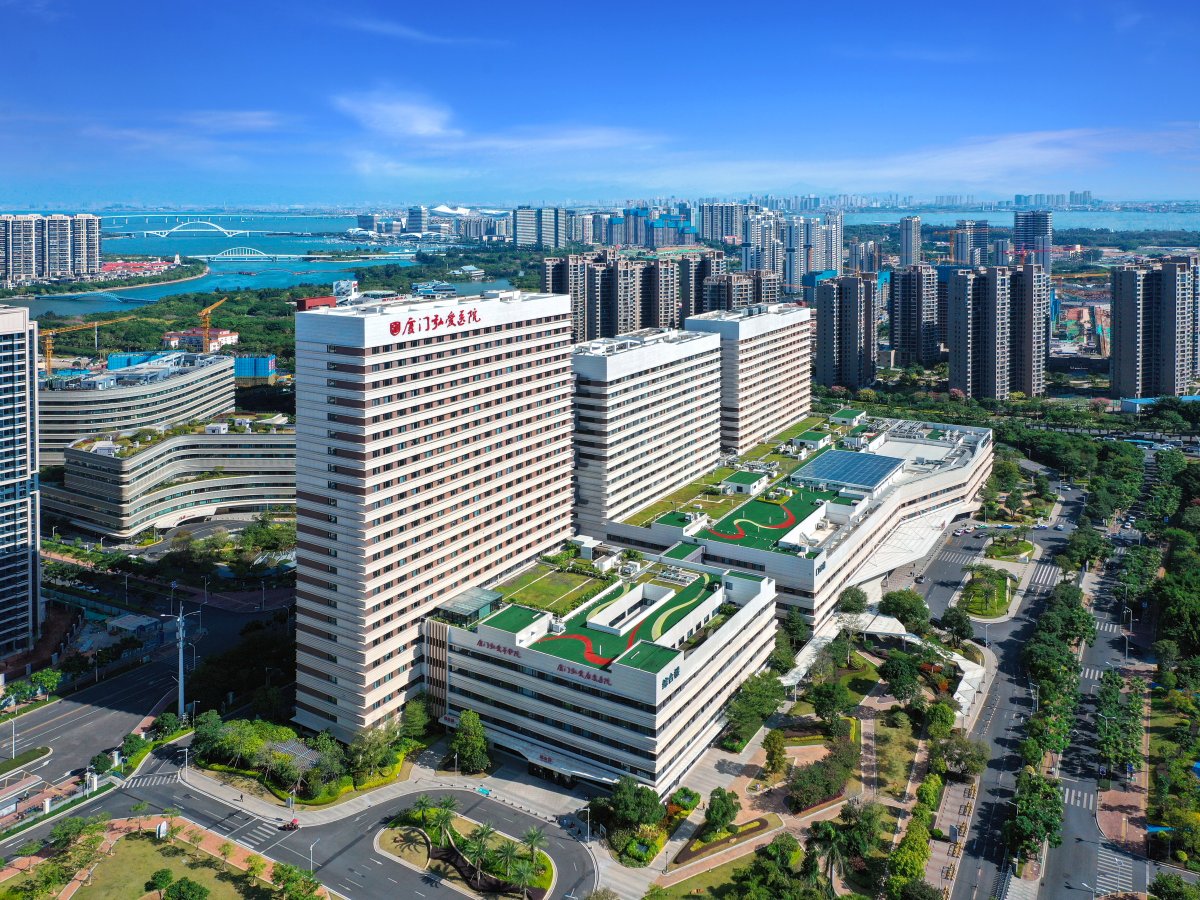
Hospital Xiamen Humanity
3.55 reseñas
Precio a consultar
Más información
Neuroclínica Dr. Eber
3.95 reseñas
Precio a consultar
Más información

Los mejores centros médicos de Terapia en China

  • Hospital Internacional Yanda, China
  • Hospital Xiamen Humanity, China
  • Neuroclínica Dr. Eber, China

Obtenga una evaluación médica para en China: Elija su especialista entre los mejores en el campo

Ver todos los médicos
verificado

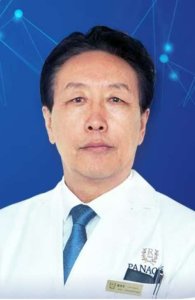
Wang He Tian

42 años de experiencia

Destacado experto en Medicina Tradicional China (MTC) con más de 10 libros clínicos publicados. Jefe de MTC en el Hospital Internacional Yanda.

  • Director Ejecutivo de la Asociación de MTC de Beijing
  • Especializado en enfermedades inflamatorias crónicas y degenerativas
  • Ganador del Premio de la Comisión de Ciencia y Tecnología de Beijing
  • Experto en el tratamiento de enfermedades digestivas, renales y de la próstata
  • Se centra en casos clínicos complejos e intratables

Compartir contenido

Historias en video de pacientes de Bookimed

Dayana
Combiné mis vacaciones en Antalya con un chequeo médico.
Procedimiento: Chequeo femenino
Igor
¡Fue genial! Traslados, alojamiento, tratamiento, todo incluido.
Procedimiento: Implante dental
Clínica: WestDent Clinic
Marina
Bookimed se encargó de todo. No tuve que preocuparme por nada.
Procedimiento: Chequeo femenino
Actualizado: 11/10/2025
Escrito por
Olena Sikoza
Olena Sikoza
Сopywriter en español
Copywriter médica certificada responsable del contenido en español de Bookimed. Más de 7 años de experiencia en redacción sobre salud y turismo médico, con formación académica en edición científica y desarrollo de contenidos.
Fahad Mawlood
Editor médico y Científico de datos
Médico general. Ganador de 4 premios científicos. Sirvió en Asia Occidental. Es el ex jefe del equipo médico que soporta a pacientes de habla árabe. Ahora es responsable del procesamiento de datos y la precisión del contenido médico.
Fahad Mawlood Linkedin
Esta página puede incluir información relacionada con diversas afecciones médicas, tratamientos y servicios de salud disponibles en diferentes países. Tenga en cuenta que el contenido se proporciona sólo con fines informativos y no debe interpretarse como asesoramiento médico o orientación. Por favor consulte con su médico o con un profesional médico calificado antes de comenzar o cambiar el tratamiento médico.

Preguntas frecuentes sobre Terapia en China

Estas preguntas frecuentes provienen de pacientes reales que buscan atención médica a través de Bookimed. Las respuestas son proporcionadas por coordinadores médicos experimentados y representantes autorizados de las clínicas.

Who is legally allowed to provide therapy in China?

In China, only licensed psychiatrists and certified health professionals within medical facilities can legally provide psychotherapy. Under the 2013 Mental Health Law, psychotherapy is a medical treatment. It is restricted to hospitals and clinics. Psychiatrists are the only professionals authorized to diagnose and prescribe medication.

  • Psychiatrists: Licensed doctors in medical facilities. They diagnose and prescribe medicine.
  • Psychotherapists: Health professionals working under medical supervision. They provide clinical therapy.
  • Psychological counselors: Non-medical providers for emotional support. They cannot diagnose disorders.
  • Setting restrictions: Legal psychotherapy must occur in hospitals, like Yanda International Hospital.

Bookimed Expert Insight: Quality signals in China align with hospital classification rather than individual marketing. Class A Level III clinics, such as Yanda International Hospital, maintain the highest regulatory standards. These facilities often combine international protocols with traditional approaches. Patients should verify that their provider is hospital-affiliated to ensure they are receiving legal medical psychotherapy rather than unregulated counseling.

Patient Consensus: Patients note that medical care often prioritizes medication over talk therapy. They emphasize verifying a provider's hospital affiliation through official registries to avoid unqualified counselors found on social apps.

What credentials should I look for to ensure a therapist is qualified?

Qualified therapists in China must hold a clinical degree and registration from the Chinese Psychological Society (CPS). You should verify their proof of 1,000+ supervised clinical hours. High-standard practitioners often maintain international licenses from bodies like the US LCSW or UK HCPC.

  • Professional registration: Look for registered psychologist status from the Chinese Psychological Society.
  • Clinical experience: Always verify documentation showing at least 1,000 hours of supervised practice.
  • Hospital affiliation: Medical doctors at facilities like Yanda International Hospital ensure government oversight.
  • Specialized training: Confirm certifications in evidence-based methods like CBT from accredited international bodies.

Bookimed Expert Insight: Our data shows that top-tier Chinese hospitals often integrate traditional methods with Western psychiatry. Dr. Wang He Tian at Yanda International Hospital holds over 10 leadership roles in national medical associations. This dual expertise is common in Class A level III clinics, which serve millions of patients yearly.

Patient Consensus: Patients note it is vital to check profiles on verified apps to avoid scams. One patient suggested starting with trial sessions to ensure the therapist maintains clear professional boundaries and uses proven methods.

What are the main differences between public and private hospitals for therapy?

Public hospitals in China prioritize stabilization and medication-forward models at lower costs. Private facilities emphasize personalized talk therapy and specialized rehabilitation with faster access. Private clinics often offer same-week appointments. In contrast, public departments may have waiting lists lasting several weeks or months.

  • Provider expertise: Private clinics often employ therapists with international certifications in specialized modalities.
  • Clinical approach: Public hospitals frequently use biomedical models where medication management remains the priority.
  • Patient privacy: Private facilities offer strict confidentiality and dedicated, comfortable spaces for sensitive sessions.
  • Consistency of care: Private patients typically work with one therapist to ensure progress continuity.

Bookimed Expert Insight: High-capacity facilities like Yanda International Hospital bridge the gap between structures. This JCI-accredited hospital combines 28,500 modern technologies with traditional Chinese medicine approaches. It functions as a Class A Level III facility. This status represents the highest healthcare tier in China while serving over 2,500,000 people annually.

Patient Consensus: Patients note that public hospitals are very affordable but feel clinical and crowded. Those wanting faster recovery often choose private clinics for specialized therapy and better privacy.

Are English-speaking therapists available in China?

English-speaking therapists are available in China primarily through international clinics and specialized centers in Beijing and Shanghai. High-level facilities like Yanda International Hospital in Beijing maintain Joint Commission International (JCI) accreditation. Finding qualified professionals in smaller cities remains a logistical challenge for most international patients.

  • Clinic hubs: Services concentrate in Beijing, Shanghai, Guangzhou, and Shenzhen international medical districts.
  • Clinical quality: Class A Level 3 hospitals offer the highest medical standards in China.
  • Language accessibility: Doctors like Dr. Guoqing Cui at Beijing Amcare Hospital provide consultations in English.
  • Specialized care: Tertiary-level hospitals like Dr. Eber Brain Hospital focus on complex neurological rehabilitation.

Bookimed Expert Insight: While many private clinics characterize themselves as mental health providers, patients should prioritize JCI-accredited facilities like Yanda International Hospital. These centers handle over 2,500,000 patients annually and follow strict international protocols. This volume ensures they have the administrative infrastructure to support English-speaking staff and formal coordination services.

Patient Consensus: Patients note that while English-speaking care exists, waitlists can reach 2 months at popular international clinics. Many recommend verifying Western credentials independently as some local practitioners may only offer life coaching rather than licensed clinical therapy.

Can a foreign therapist treat me in China if they aren’t licensed in the country?

Foreign therapists must hold a Chinese medical license or a Short-Term Foreign Practice License to legally provide psychotherapy. China distinguishes between medical psychotherapy and general counseling. Unlicensed practitioners often work as counselors. This limits them to psychosocial support rather than clinical diagnosis.

  • Medical settings: Practice in hospitals requires National Health Commission licensing.
  • Clinical restrictions: Only licensed medical professionals can diagnose mental disorders.
  • Title limitations: Unlicensed providers often use the title of psychological counselor.
  • Telehealth risks: Remote therapy from abroad remains a legally ambiguous gray area.

Bookimed Expert Insight: Data from top-tier facilities like Yanda International Hospital shows a preference for integrated care models. While foreign therapists work informally in private expat hubs, JCI-accredited hospitals in Beijing and Tianjin strictly employ licensed doctors. This ensures patient safety during complex neurological or rehabilitative treatments.

Patient Consensus: Patients note that while many foreign providers operate as life coaches to bypass regulations, quality varies. They suggest verifying a therapist's home-country credentials independently before starting treatment.

Is therapy billed to international health insurance in China?

International health insurance covers therapy in China through direct billing or reimbursement. High-end facilities like Yanda International Hospital in Beijing often offer direct billing for network members. Most public hospitals require upfront payment. Patients then submit a government-encrypted tax invoice called a Fapiao for reimbursement.

  • Billing methods: Elite private hospitals provide cashless services for many international insurance plans.
  • Reimbursement requirements: Standard facilities require upfront payment and official Fapiao invoices for claims.
  • Clinical regulations: Chinese law requires qualified psychiatrists to provide specific mental health treatments.
  • Provider networks: Facilities like Yanda International Hospital hold JCI accreditation for international safety standards.

Bookimed Expert Insight: China's Class A level III hospitals, such as Yanda International, manage over 2,500,000 patients annually. These massive centers often have dedicated international departments. Our data shows these departments are your best bet for direct billing. They employ staff who understand international coding requirements like ICD-10. This expertise prevents common claim rejections seen at smaller local clinics.

Patient Consensus: Patients note that premium expat plans work smoothly at Western-style clinics. Those using budget plans often pay first and must track every receipt and session note to ensure they get their money back.

Who is legally allowed to provide therapy in China?

Legally providing therapy in China requires specific medical or professional certifications under the Mental Health Law. Psychiatrists and licensed psychotherapists may offer treatment within medical facilities like Yanda International Hospital. Psychological counselors provide non-medical support for stress and personal development in community settings.

  • Psychiatrists: Licensed doctors diagnose, prescribe medication, and provide psychotherapy in clinics.
  • Clinical psychotherapists: Professionals treat diagnosed disorders exclusively within hospital and medical environments.
  • Psychological counselors: Providers offer psychosocial support for life stress in private practices.
  • Legal restriction: Article 51 mandates that medical psychotherapy occurs only in healthcare facilities.
  • Verification: Patients should verify credentials through the Chinese Psychological Society registration system.

Bookimed Expert Insight: Quality therapy often correlates with hospital classification in China. Class A Level III facilities, such as Yanda International Hospital, integrate international safety protocols with specialized care. These top-tier centers frequently manage 2,500,000+ patients annually. This high volume ensures practitioners maintain extensive clinical experience across complex cases.

Patient Consensus: Patients note that reaching a therapist usually starts with a psychiatric referral at a state hospital. People suggest verifying institutional affiliations directly to avoid unlicensed coaches who lack legal oversight.

Can a psychologist prescribe medication in China?

Psychologists in China cannot prescribe medication under the Mental Health Law. Only licensed psychiatrists who are medical doctors have the legal authority to diagnose disorders and issue prescriptions. This restriction ensures that medical treatments like antidepressants or antipsychotics are managed by clinical physicians trained in medical schools.

  • Psychiatrist role: These medical doctors provide formal diagnoses and manage all psychiatric medications.
  • Psychologist role: These professionals focus on talk therapy and counseling without prescribing authority.
  • Clinical setting: Patients must visit hospital psychiatry departments to obtain any mental health prescriptions.
  • Provider verification: Patients should confirm if a practitioner is a psychiatrist before seeking medical treatment.

Bookimed Expert Insight: Clinical data shows that tertiary hospitals like Yanda International Hospital often combine international protocols with traditional approaches. While psychologists handle therapy, these large centers use their 39+ specialized departments to integrate psychiatric care. Choosing a JCI-accredited facility can reduce the 15-minute consultation rush common in standard public hospitals.

Patient Consensus: Patients note it is important to distinguish between a counselor and a psychiatrist early on to avoid treatment delays. Many find that the process of getting a referral from a therapist to a hospital doctor can take several weeks.

Are therapy sessions confidential in China?

Therapy sessions in China are confidential under the Mental Health Law and the Personal Information Protection Law. Article 23 mandates privacy for all clients. However, exceptions exist for safety risks, including self-harm or threats to others. Legal protocols may also require disclosure during court proceedings.

  • Legal framework: The Mental Health Law explicitly protects client privacy and data during treatment.
  • Ethical standards: The Chinese Psychological Society (CPS) enforces strict confidentiality for all licensed psychologists.
  • Safety exceptions: Therapists must break confidentiality if they identify clear suicidal or homicidal intent.
  • Reporting requirements: Documentation may be shared with authorities in cases involving minor abuse.

Bookimed Expert Insight: While public hospitals like Yanda International Hospital follow rigid national protocols, patients seeking higher privacy levels often choose JCI-accredited facilities. These centers frequently employ international standards that separate medical records from general employer-accessible databases. Selecting a tertiary-level facility in Beijing or Tianjin can offer a more structured layer of data protection.

Patient Consensus: Patients note that therapists often involve family members in treatment discussions early on. Many recommend confirming privacy policies in writing to ensure personal topics remain private from employers or relatives.

How do I find an English-speaking therapist in China?

You can find English-speaking therapists in China through international JCI-accredited hospitals, specialized expat directories, and telehealth platforms. Major cities like Beijing and Shanghai offer the most options. Facilities like Yanda International Hospital provide services for international patients. Many clinicians at these centers hold international certifications.

  • International hospitals: Centers like Yanda International Hospital in Beijing offer medical services for foreigners.
  • Specialized directories: Platforms like the International Therapist Directory list vetted providers in major cities.
  • Telehealth options: Online services provide consistent access to licensed psychologists for the expat community.
  • University networks: International universities often have counseling networks that are free or subsidized.

Bookimed Expert Insight: Data shows that Class A level III clinics, like Yanda International Hospital, combine international protocols with high patient volumes. These top-tier facilities often have the administrative infrastructure to support English-speaking patients better than smaller local clinics. Hospitals with JCI accreditation are more likely to employ staff with experience in treating the international community.

Patient Consensus: Patients note that while English-speaking therapists in cities like Beijing and Shanghai are available, they often have long waiting lists. Many people find reliable recommendations by joining local expat WeChat groups or checking with multinational employer assistance programs.

What are the most common reasons people seek therapy in China?

Common reasons for therapy in China include intense academic pressure, work-related stress from the 996 culture, and relationship conflicts. Mood disorders are prevalent. Nearly 50% of people with depression are schoolchildren. High-stakes exams and professional competition drive significant demand for psychological support in urban centers.

  • Academic stress: Students seek help for competitive pressure and national college entrance exam aftermath.
  • Workplace exhaustion: Professionals struggle with the 9am-9pm, 6-day work week causing deep anxiety.
  • Family dynamics: Patients process high parental expectations regarding marriage, career, and traditional milestones.
  • Mood disorders: Depression and anxiety affect approximately 95 million people across the country.

Bookimed Expert Insight: High-volume facilities like Yanda International Hospital in Beijing combine international safety protocols with traditional approaches. This hybrid model often helps patients bridge the gap between modern psychological needs and cultural preferences for integrated care. Clinics with JCI accreditation provide a familiar quality standard for international patients navigating these local stressors.

Patient Consensus: Many people hide therapy from their families to avoid the stigma of being seen as weak. Others find it hard to find a therapist who understands both fast-paced city life and personal values.

Is there a stigma surrounding mental health in China?

Mental health stigma remains significant in China due to cultural values like saving face and family reputation. Disclosing issues can be seen as bringing shame to ones lineage. Many patients frame psychological distress as physical symptoms like fatigue to avoid social labels or workplace discrimination.

  • Cultural barriers: Traditional values prioritize collective family image over individual emotional needs or therapy.
  • Physical framing: Patients often describe anxiety or depression as sleep problems or brain imbalances.
  • Changing landscape: The 2025–2027 national initiative aims to place mental health services in every city.
  • Clinical integration: Facilities like Yanda International Hospital combine international protocols with traditional Chinese medical approaches.

Bookimed Expert Insight: While stigma persists, large-scale facilities like Yanda International Hospital serve 2,500,000 patients annually. This massive volume suggests that clinical settings in Beijing are successfully normalizing medical intervention. Patients often find it easier to seek help at these multi-department centers where mental health care is integrated alongside general physical medicine.

Patient Consensus: Many patients find it helpful to describe therapy as stress management to avoid family conflict. Younger people often prefer using anonymous apps or seeking international therapists in major cities like Beijing to maintain their privacy.

Pedir una consulta gratis

Seleccione la mejor manera de contactarle