Terapia en Corea del Sur: las 21 mejores clínicas con opiniones de pacientes


Revisado médicamente por
Fahad Mawlood
¿Cuál es el precio de procedimientos de Terapia en Corea del Sur? Descubra ahora
La terapia en Corea del Sur suele costar entre $1,900 y $69,600. Los precios varían significativamente dependiendo de si visita una clínica médica cubierta por el seguro nacional o un centro de asesoramiento privado. Los costos están influenciados por la experiencia del proveedor, la ubicación y el idioma, siendo que los especialistas que hablan inglés a menudo cobran una tarifa superior. Los pacientes de EE. UU. pueden ahorrar aproximadamente entre un 40 y un 60 % en las sesiones.
Costos típicos de terapia en Corea del Sur
- Revisión de resultados de resonancia magnética: de $50
- Curso de tratamiento con células madre propias: de $8,000
- Curso de tratamiento con células madre de donante: $95,000 – $150,000
- Terapia con células madre para la enfermedad de Alzheimer: Precio a consultar
La mayoría de los centros de terapia especializados se encuentran en Seúl, particularmente en distritos como Gangnam y Sinsa, donde las tarifas son generalmente más altas. Los precios de los servicios de salud mental suelen ser más bajos en ciudades como Busan o Incheon. Consulte con un especialista para obtener precios precisos para sus necesidades específicas.
| Corea del Sur | España | Turquía | |
|---|---|---|---|
| Vacunación | ≈ $60 | ≈ $60 | ≈ $60 |
| Tratamiento sintomático | ≈ $900 | ≈ $900 | de $220 |
| Tratamiento hospitalario por día | ≈ $450 | de $840 | de $850 |
| Tratamiento de sangre de cordón umbilical | ≈ $9,500 | ≈ $3,800 | ≈ $3,500 |
| Ozonoterapia | ≈ $200 | ≈ $150 | de $110 |
Sus beneficios y garantías con Bookimed
Precios directos
Bookimed no añade cargos extra a los precios de los tratamientos de Terapia. Las tarifas proceden de las listas de precios oficiales de las clínicas. Pagará directamente en la clínica por su tratamiento a su llegada al país.
Sólo clínicas y médicos verificados
Bookimed está comprometido con su seguridad. Solo trabajamos con las clínicas que mantienen altos estándares internacionales en el tratamiento de Terapia y tienen las licencias necesarias para atender a pacientes internacionales en todo el mundo.
Asistencia 24/7 gratuita
Bookimed ofrece asistencia experta gratuita. Un coordinador médico personal le apoya antes, durante y después del tratamiento, resolviendo cualquier problema. Nunca estará solo en su viaje médico de procedimientos de Terapia.

Su coordinador médico personal de Bookimed
- Le apoya en cada etapa
- Ayuda a elegir la clínica y el médico adecuados
- Asegura un acceso rápido y conveniente a la información
Descubra las mejores clínicas de Terapia en Corea del Sur: 21 opciones verificadas y Precios







Clínica de cirugía plástica Wonjin (Wonjin Plastic Surgery Clinic)






Hospital de mujeres MizMedi (MizMedi Women`s hospital)
Los mejores centros médicos de Terapia en Corea del Sur
- Samsung Medical Center, Corea del Sur
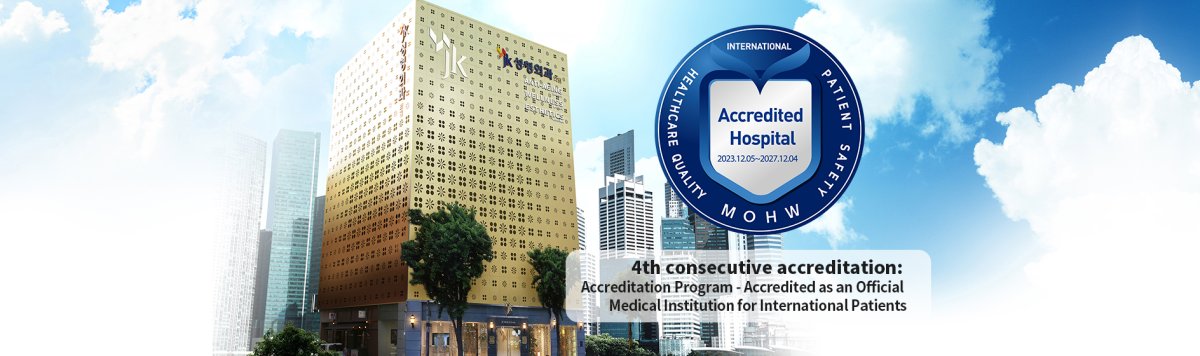
- JK Plastic Surgery Center, Corea del Sur
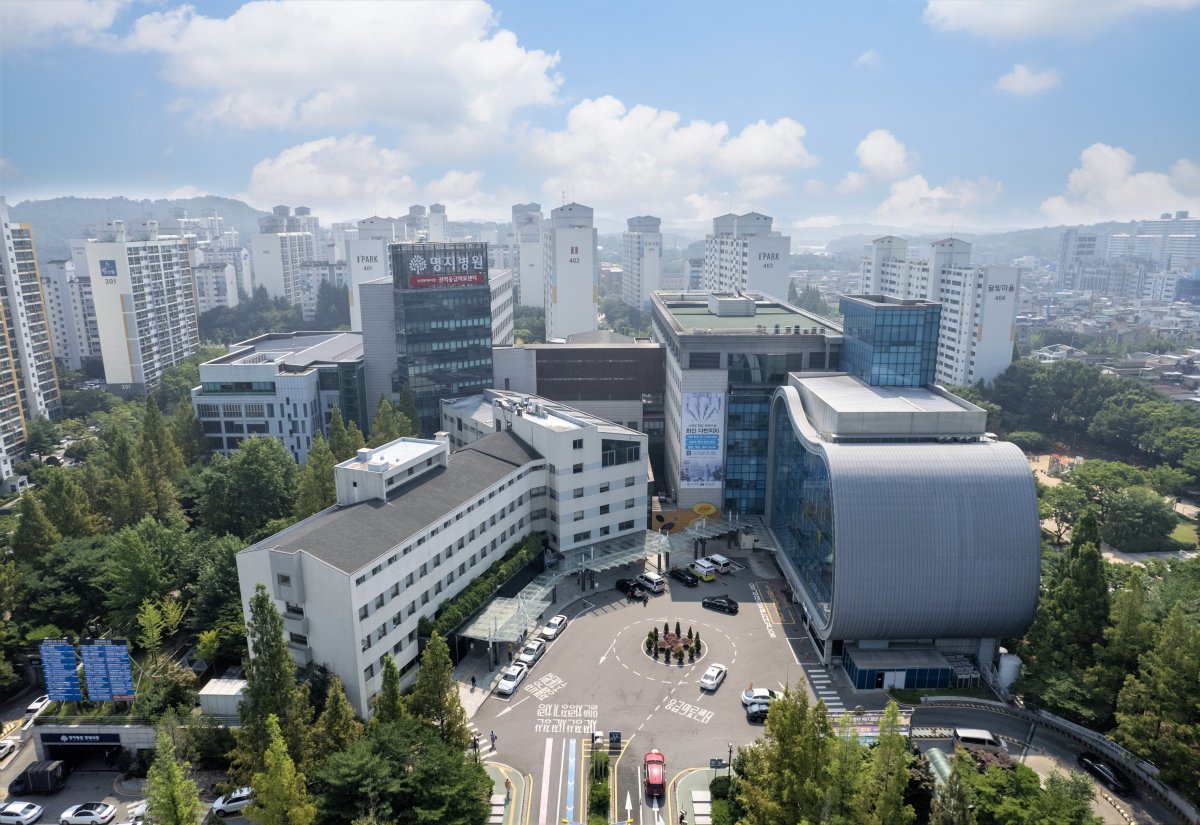
- Myongji Hospital, Corea del Sur
- Ewha Womans University Medical Center, Corea del Sur
- Clínica de cirugía plástica Wonjin (Wonjin Plastic Surgery Clinic), Corea del Sur
- Seoul National University Bundang Hospital (SNUBH), Corea del Sur
- Asan Medical Center, Corea del Sur
- Hospital Severance (Severance Hospital), Corea del Sur
- Gangnam Severance Hospital, Corea del Sur
- Hospital de mujeres MizMedi (MizMedi Women`s hospital), Corea del Sur
Obtenga una evaluación médica para en Corea del Sur: Elija su especialista entre los mejores en el campo
Ver todos los médicos
Tae-hee Kim
Lee Changmin
Seodaun
Jo Hwarang
Compartir contenido
Historias en video de pacientes de Bookimed
 Olena Sikoza
Preguntas frecuentes sobre Terapia en Corea del Sur
¿Es segura la terapia en Corea del Sur y qué estándares de seguridad siguen los hospitales?
La terapia en Corea del Sur es altamente segura y está regulada por el Ministerio de Salud y Bienestar. Los hospitales siguen la Ley de Servicios Médicos y la Ley de Seguridad del Paciente de 2016. La mayoría de las instalaciones de primer nivel en Seúl cuentan con la acreditación de la Joint Commission International (JCI). Esto garantiza estándares de oro globales para la calidad de la atención al paciente.
- Supervisión regulatoria: El Ministerio de Salud y Bienestar realiza auditorías anuales obligatorias para las licencias médicas.
- Acreditación hospitalaria: Instalaciones como el Asan Medical Center mantienen certificaciones de seguridad KOIHA y JCI.
- Prevención de errores: El Hospital Bundang de la Universidad Nacional de Seúl utiliza el sistema BESTcare para prevenir errores médicos.
- Derechos del paciente: La Ley de Salud Mental y Bienestar de 2017 protege legalmente a los pacientes contra el ingreso involuntario.
Perspectiva de expertos de Bookimed: Los datos muestran una clara ventaja de seguridad en los hospitales universitarios sobre las clínicas privadas más pequeñas. Los grandes centros como el Samsung Medical Center atienden a más de 2,000,000 de pacientes al año y mantienen estándares de calidad certificados por ISO. Estas grandes instituciones ofrecen seguimiento digital integrado y traducción in situ. Esto reduce significat
¿Cuánto tiempo necesitaré permanecer en Corea del Sur para un ciclo de terapia completo?
Un ciclo de terapia completo en Corea del Sur requiere generalmente de 7 a 21 días. Este plazo cubre la consulta inicial, el procedimiento y los cuidados de seguimiento esenciales. Las duraciones específicas dependen del tipo de tratamiento, variando desde 4 días para la terapia con células madre hasta 24 días para los protocolos de FIV.
- Terapia con células madre: La mayoría de los pacientes permanecen de 4 a 10 días para el monitoreo y las reacciones inmediatas posteriores al tratamiento.
- Cuidado de la piel médico: Los ciclos menores como láser o skin boosters requieren solo de 1 a 7 días.
- Procedimientos quirúrgicos: Las estancias de 7 a 14 días son estándar para permitir la necesaria retirada de puntos.
- Tratamientos complejos: Los ciclos de múltiples procedimientos o terapias intensivas a menudo requieren 21 días para la recuperación.
Perspectiva del experto de Bookimed: Los datos de los centros de alto volumen de Seúl, como el Asan Medical Center, que atiende a 1,8 millones de pacientes al año, indican que las primeras 48 horas son críticas para la precisión diagnóstica. Llegar 2 días antes de su terapia programada asegura que la Consulta del Plan de Tratamiento, que a menudo cuesta entre $150 y $350, esté completamente sincronizada con sus resultados clínicos. Esto evita retrasos en el inicio de su ci
¿Qué efectos secundarios o secuelas puedo esperar de la terapia?
Los pacientes que se someten a terapia en la República de Corea a menudo experimentan un agotamiento emocional temporal conocido como "resaca terapéutica". Instalaciones modernas como el Samsung Medical Center y el Severance Hospital ofrecen diagnósticos integrales para monitorear estos efectos. Las reacciones comunes incluyen fatiga, mayor sensibilidad y fluctuaciones de humor a corto plazo durante el procesamiento intensivo.
- Fatiga emocional: Sentirse completamente agotado o exhausto durante varias horas después de las sesiones.
- Síntomas físicos: Dolores de cabeza tensionales, dolores musculares o molestias digestivas después de un trabajo emocional profundo.
- Picos de síntomas: Aumentos temporales de ansiedad o tristeza antes de una mejora a largo plazo en la salud mental.
- Disonancia cognitiva: Sentirse desorientado a medida que las nuevas perspectivas terapéuticas desafían creencias antiguas y establecidas.
Perspectiva del experto de Bookimed: Los datos de coordinación muestran que los hospitales de Seúl con acreditación JCI, como el Gangnam Severance Hospital, priorizan los exámenes de diagnóstico de varios pasos antes de comenzar la terapia. Los pacientes que se someten a una consulta con un médico y análisis de sangre especializados a menudo informan un mejor manejo de los efectos físicos secundarios, como la fatiga, al identifica
¿Qué ciudades u hospitales son más conocidos por sus servicios de terapia de alta calidad?
Seúl es el destino principal para la terapia y rehabilitación de alta calidad en Corea del Sur. Instituciones líderes como el Severance Hospital y el Samsung Medical Center ofrecen programas de recuperación avanzados. Estas instalaciones integran sistemas robóticos, imágenes digitales y equipos multidisciplinarios para tratar casos complejos de columna, neurológicos y postquirúrgicos.
- Severance Hospital: Un centro acreditado por la JCI en Seúl que atiende a 4.000.000 de pacientes al año con clínicas de rehabilitación dedicadas.
- Samsung Medical Center: Clasificado por Newsweek, este centro utiliza IA y cirugía robótica para una recuperación de precisión.
- Asan Medical Center: El hospital multidisciplinario más grande de Corea del Sur, que logra una tasa de éxito del 90% en trasplantes complejos.
- SNU Bundang Hospital: El primer hospital digital del país, que emplea el sistema BESTcare para eliminar errores médicos.
Perspectiva del experto de Bookimed: Aunque los grandes centros académicos de Seúl dominan en volumen, las clínicas con calificaciones de 4.5+ como el Severance Hospital a menudo brindan un mejor soporte en inglés. Nuestros datos muestran que estas instalaciones mejor calificadas manejan millones de pacientes ambulatorios. Por lo general, ofrecen un acceso más rápido a equipos especializados como entrenadores de marcha robóticos
¿Soy un buen candidato para una terapia y qué chequeos de salud necesito antes del viaje?
Un buen candidato para una terapia en la República de Corea es alguien que experimenta angustia emocional persistente o interferencia funcional en la vida diaria. Las opciones de terapia clínica específicas, incluidos los tratamientos con células madre y los diagnósticos especializados, oscilan entre _price_from_ y _price_to_. Los pacientes deben someterse a análisis de sangre y consultas médicas de 4 a 6 semanas antes de viajar.
- Indicadores de candidato: Tristeza persistente, ansiedad o cambios biológicos como alteraciones inexplicables en los hábitos de sueño y alimentación.
- Diagnósticos clínicos: Los controles esenciales antes del viaje incluyen pruebas de vitamina B12, pruebas de creatinina y ecografía abdominal.
- Requisitos de vacunación: Las vacunas de rutina más las vacunas específicas del destino cuestan entre $60 y $120 en Seúl.
- Documentación médica: Obtenga una carta del médico que enumere el historial y los medicamentos en sus envases originales y etiquetados.
Perspectiva de expertos de Bookimed: Los datos de los principales centros de Seúl, como el Asan Medical Center y el Severance Hospital, muestran un enfoque en la integración de alta tecnología. Los centros con acreditaciones JCI y KOIHA a menudo utilizan el sistema digital BESTcare para prevenir errores médicos. Estas instalaciones gestionan
¿Qué debo llevar y cómo debo prepararme físicamente antes de llegar a la terapia?
Los pacientes internacionales que se preparan para una terapia en la República de Corea deben traer un pasaporte válido y todos los registros médicos anteriores. La preparación física esencial incluye dejar de tomar anticoagulantes y suplementos 14 días antes de la llegada. Centros como el Samsung Medical Center y el Severance Hospital requieren estos pasos por seguridad.
- Documentación: Traiga su pasaporte y copias impresas de los resultados recientes de resonancias magnéticas o tomografías computarizadas.
- Seguridad de los medicamentos: Deje de tomar aspirina, ibuprofeno y suplementos de aceite de pescado de 7 a 14 días antes.
- Estado físico: Ayune durante 6 horas y llegue con el cabello limpio y sin lociones corporales.
- Ropa: Use prendas holgadas y cómodas, como sudaderas con capucha y pantalones sin cremalleras, para facilitar el acceso.
Perspectiva de expertos de Bookimed: Los datos de los principales centros de Seúl, como el Asan Medical Center, muestran que el volumen es importante para la seguridad. Estos hospitales a gran escala realizan más de 65 000 operaciones al año. Esta alta frecuencia ayuda a los equipos a perfeccionar los protocolos, lo que reduce el riesgo de errores médicos durante las sesiones de terapia complejas.
Consenso de los pacientes: Los pacientes enfatizan la importancia de descargar una