Terapia en Israel — Costos 2026


Revisado médicamente por
Fahad Mawlood
¿Cuál es el precio de procedimientos de Terapia en Israel? Descubra ahora
La terapia en Israel suele costar entre $3,200 y $89,300. El gasto total depende de si elige profesionales privados o atención médica pública subvencionada, la frecuencia de las sesiones y las necesidades clínicas especializadas. Muchos pacientes internacionales consideran que los costos médicos privados en Israel ofrecen aproximadamente un 20-30% de ahorro en comparación con una atención de alto nivel similar en los EE. UU.
Costos típicos de terapia en Israel
- Consulta con un médico: $280 – $450
- Consulta con creación de plan de tratamiento: $450 – $650
- Prueba de vitamina B12: Precio a consultar
- Ozonoterapia: $450 – $1,100
- Terapia intravenosa con vitamina C: Precio a consultar
- Vacunación: $70 – $160
- Terapia con células madre de cordón umbilical: $6,500 – $11,000
La mayoría de los servicios terapéuticos y psiquiátricos se concentran en centros importantes como Tel Aviv, Jerusalén y Haifa. Si bien las clínicas privadas en Tel Aviv pueden tener una mayor demanda, Jerusalén a menudo ofrece tarifas competitivas para la atención especializada. Consultar con un especialista puede ayudar a aclarar el costo final para sus necesidades específicas.
| Israel | España | Turquía | |
|---|---|---|---|
| Vacunación | ≈ $70 | ≈ $50 | de $150 |
| Tratamiento sintomático | ≈ $1,200 | de $20,200 | de $220 |
| Tratamiento hospitalario por día | de $1,500 | de $10,500 | de $850 |
| Tratamiento de sangre de cordón umbilical | ≈ $6,500 | ≈ $3,800 | ≈ $3,500 |
| Ozonoterapia | ≈ $450 | de $11,600 | de $150 |
Sus beneficios y garantías con Bookimed
Precios directos
Bookimed no añade cargos extra a los precios de los tratamientos de Terapia. Las tarifas proceden de las listas de precios oficiales de las clínicas. Pagará directamente en la clínica por su tratamiento a su llegada al país.
Sólo clínicas y médicos verificados
Bookimed está comprometido con su seguridad. Solo trabajamos con las clínicas que mantienen altos estándares internacionales en el tratamiento de Terapia y tienen las licencias necesarias para atender a pacientes internacionales en todo el mundo.
Asistencia 24/7 gratuita
Bookimed ofrece asistencia experta gratuita. Un coordinador médico personal le apoya antes, durante y después del tratamiento, resolviendo cualquier problema. Nunca estará solo en su viaje médico de procedimientos de Terapia.

Su coordinador médico personal de Bookimed
- Le apoya en cada etapa
- Ayuda a elegir la clínica y el médico adecuados
- Asegura un acceso rápido y conveniente a la información
Descubra las mejores clínicas de Terapia en Israel: 9 opciones verificadas y Precios
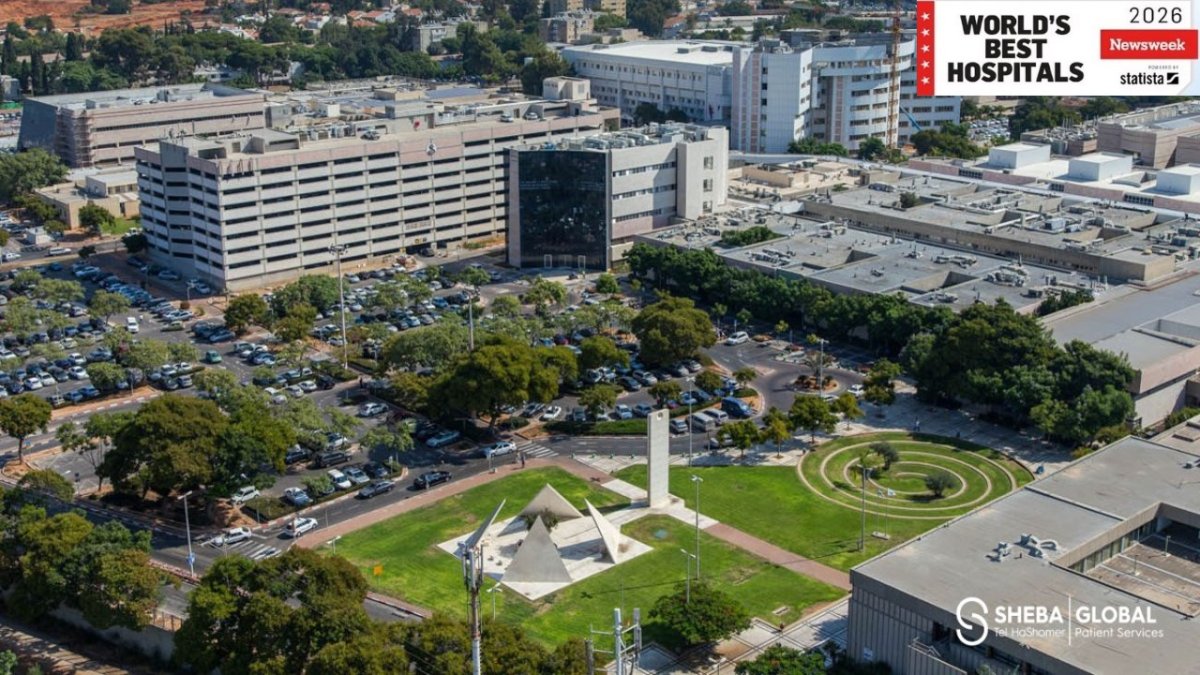


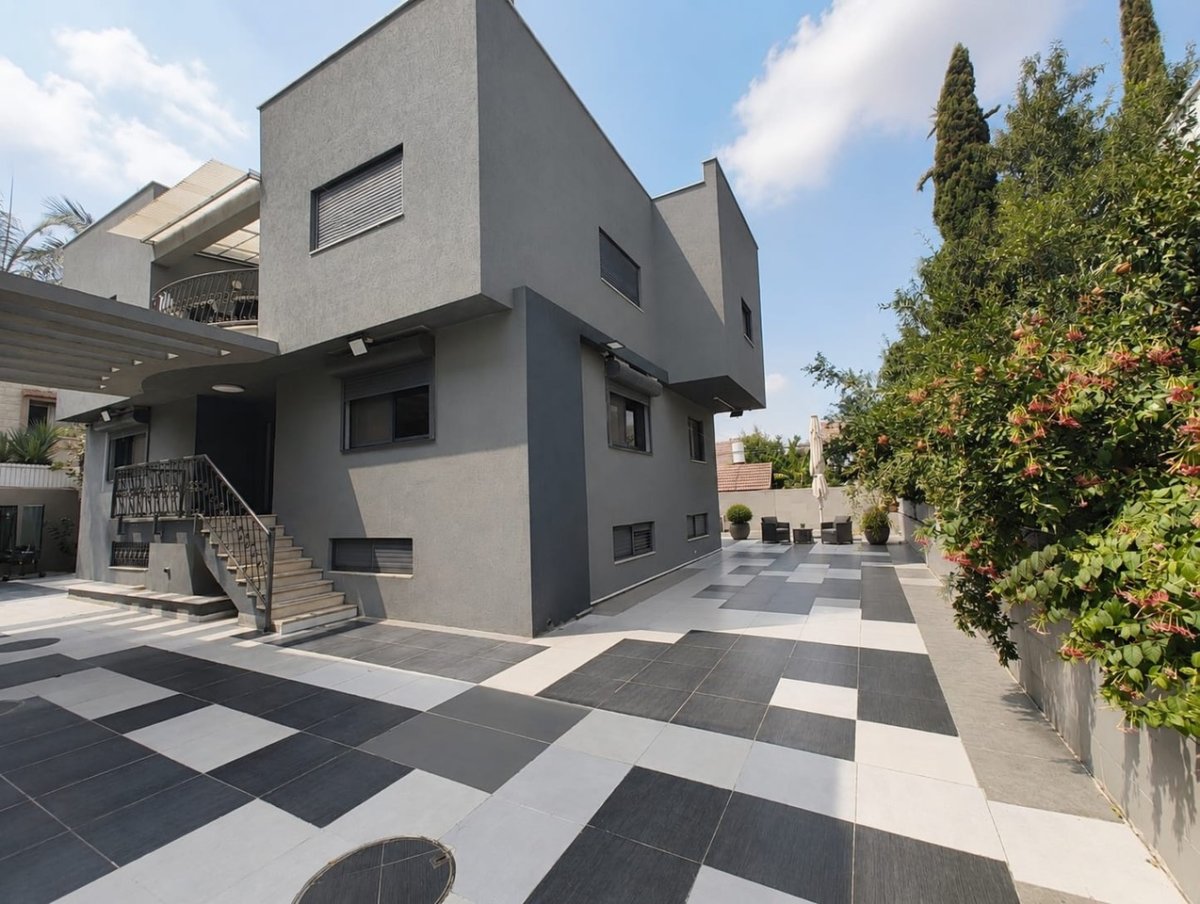





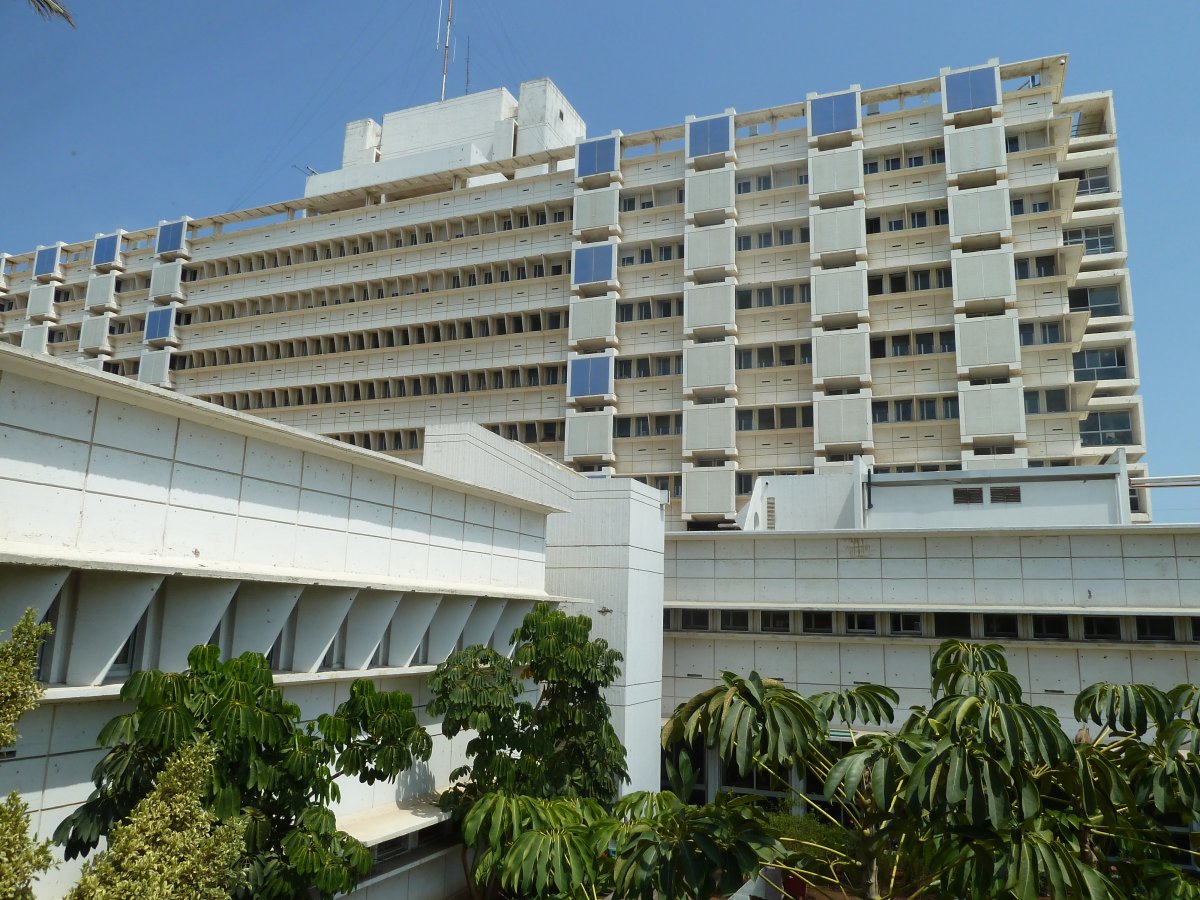
State Hospital Edith Wolfson

Kaplan Medical Center

Dental Clinic Dr. Mark Ratner

Elisha Hospital
Los mejores centros médicos de Terapia en Israel
- Centro Médico Sheba, Israel
- Centro médico Sourasky, Israel
- Clínica IsraRehab, Israel
- Centro Médico Hadassah, Israel
- Centro médico infantil Schneider, Israel
- State Hospital Edith Wolfson, Israel
- Kaplan Medical Center, Israel
- Dental Clinic Dr. Mark Ratner, Israel
- Elisha Hospital, Israel
Obtenga una evaluación médica de Terapia en Israel: haga una consulta con 13 médicos experimentados ahora
Ver todos los médicos
Nadir Arber
El Prof. Nadir Arber dirige el Centro de Prevención del Cáncer del Centro Médico Sourasky, con más de 30 años de especialización en cánceres gastrointestinales.
- Experto en diagnóstico precoz y prevención de tumores gastrointestinales
- Publicó más de 300 artículos de investigación sobre estudios de cáncer gastrointestinal
- Formación de subespecialidad (Fellowship) en el NewYork-Presbyterian Center
- Miembro de organizaciones líderes como la American Association for Cancer Research

Amos Toren
El Prof. Amos Toren, MD, PhD, MHA, es hemato-oncólogo pediátrico y especialista en trasplante de médula ósea (TMO). Fue director de Hemato-oncología Pediátrica y TMO en el Centro Médico Sheba.
Está certificado en pediatría, hemato-oncología pediátrica y trasplante de médula ósea. Tiene un doctorado en genética humana. Fue director de la División de Hematología de la Universidad de Tel Aviv durante dos mandatos. Es miembro de ASH, COG, ESPHI, EBMT y CIBMTR. También forma parte del Comit
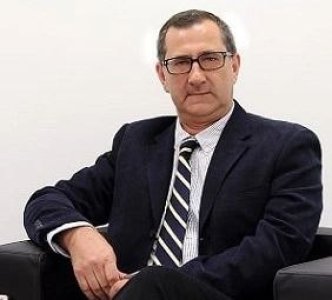
Semienov Mark
El Dr. Mark Semenov, MD, es psiquiatra especialista acreditado, con licencia del Ministerio de Salud de Israel desde 2002. Se graduó en la Facultad de Medicina Sackler de la Universidad de Tel Aviv y completó la residencia en psiquiatría.
Cuenta con formación de posgrado en medicina de las adicciones, gestión sanitaria y medicina de urgencias. Su práctica se centra en las adicciones y la patología dual (trastornos por consumo de sustancias con trastornos psiquiátricos concomitantes). B
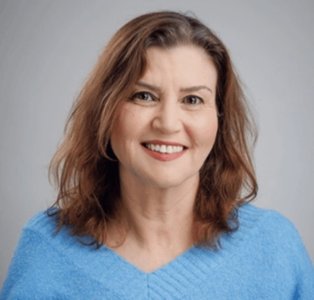
Hana Golan
Dra. Hana Golan, MD, dirige la División de Hemato-Oncología Pediátrica y Trasplante de Médula Ósea (TMO) del Centro Médico Sheba. Se especializa en cánceres infantiles, con énfasis en el neuroblastoma y otros tumores sólidos de alto riesgo.
Encabeza uno de los programas de oncología pediátrica más avanzados de la región. Atiende casos complejos y de alto riesgo y ejerce en un hospital clasificado entre los 10 mejores del mundo.
Es la investigadora principal del protocolo ESIOP p
Compartir contenido
Historias en video de pacientes de Bookimed
 Olena Sikoza
Preguntas frecuentes sobre Terapia en Israel
¿Qué cualificaciones debo verificar al elegir un terapeuta en Israel?
Verificar a un profesional con licencia en Israel requiere consultar el registro del Ministerio de Salud. Solo los psiquiatras, los psicólogos con maestría y los trabajadores sociales certificados poseen licencias emitidas por el estado. Debe confirmar su número de licencia y especialización específica para asegurarse de que cumplen con los estándares legales de práctica.
- Registro de licencia: Busque en el Registro en línea del Ministerio de Salud por nombre o número de licencia.
- Estatus de psicólogo: Asegúrese de que esté registrado en el Registro de Psicólogos (Pinkas Hapsychologim) para la práctica clínica.
- Trabajadores sociales: Verifique el registro en el Registro de Trabajadores Sociales para servicios de psicoterapia clínica.
- Credenciales internacionales: Compruebe las certificaciones del país de origen, como LCSW o LMFT, para terapeutas formados en el extranjero.
- Organismos profesionales: Busque la afiliación a la Asociación Israelí de Terapias Conductuales y Cognitivas.
Perspectiva del experto de Bookimed: Los centros médicos israelíes como el Sourasky Medical Center y el Hadassah Medical Center emplean a miles de especialistas. Estas grandes instituciones a menudo tienen departamentos de verificación interna para su personal. Esto proporciona una capa adicional de seguridad más allá de los registros d
¿Cómo encuentro profesionales de salud mental que hablen inglés?
Encuentre profesionales de salud mental que hablen inglés en Israel utilizando directorios en línea con filtros de idioma o contactando clínicas privadas. Centros importantes como el Sourasky Medical Center (Ichilov) y el Hadassah Medical Center emplean especialistas familiarizados con pacientes internacionales. Estas instalaciones a menudo ofrecen consultas y planes de tratamiento integrados en inglés.
- Directorios en línea: Utilice Psychology Today Israel para filtrar terapeutas con licencia por idioma y ubicación.
- Centros médicos privados: Sourasky y Hadassah ofrecen atención multidisciplinaria con personal y médicos que hablan inglés.
- Redes comunitarias: Utilice grupos de Facebook como Secret Tel Aviv para obtener recomendaciones profesionales rápidas y validadas por pares.
- Atención especializada para niños: El Schneider Center for Children Medicine proporciona apoyo de salud mental pediátrica con estándares internacionales.
Perspectiva del experto de Bookimed: Aunque los tiempos de espera en la atención médica pública para terapeutas de habla inglesa pueden llegar a los 6 meses, las clínicas privadas ofrecen un acceso más rápido. Los datos muestran que los grandes centros multidisciplinarios como Sourasky, que atiende a más de 400,000 pacientes al año, mantienen departamentos dedicados a visitantes internacionales. Estos departament
¿Tengo derecho a recibir atención de salud mental financiada con fondos públicos en Israel como turista?
Los turistas no tienen derecho a recibir atención de salud mental financiada con fondos públicos en Israel. La Ley del Seguro Nacional de Salud restringe la cobertura pública a ciudadanos y residentes legales. Los visitantes deben utilizar proveedores privados o un seguro de viaje. La atención psiquiátrica de emergencia inmediata está disponible en los hospitales públicos independientemente del estatus de residencia.
- Acceso de emergencia: Las salas de emergencia psiquiátrica operan las 24 horas del día, los 7 días de la semana en centros como el Sourasky Medical Center.
- Apoyo en crisis: Hay ayuda emocional gratuita disponible las 24 horas del día, los 7 días de la semana para todos a través de la línea directa ERAN.
- Tarifas privadas: Las consultas privadas en Israel suelen oscilar entre $280 y $450.
- Clínicas alternativas: Organizaciones sin fines de lucro como Physicians for Human Rights ofrecen atención limitada para aquellos sin seguro.
Perspectiva de expertos de Bookimed: Si bien la atención pública es restringida, los principales centros como Tel Aviv y Jerusalén albergan a la mayoría de los más de 2.200 médicos afiliados a Sourasky. Nuestros datos muestran que estos centros urbanos ofrecen la mayor concentración de terapeutas de habla inglesa. Los pacientes a menudo encuentran la atención privada más
¿Puedo utilizar servicios basados en HMO o solo clínicas privadas?
Los pacientes en Israel pueden utilizar tanto los servicios públicos de HMO como las clínicas privadas para terapia médica. Las organizaciones de salud pública como Clalit o Maccabi brindan atención subvencionada a través de extensas redes. Los centros privados como el Hospital Elisha o el Centro Médico Sourasky ofrecen un acceso más rápido a tratamientos especializados y expertos de renombre mundial.
- Cobertura HMO: Los planes públicos suelen cubrir de 12 a 24 sesiones de terapia al año con una derivación de un médico de cabecera.
- Flexibilidad privada: Las instalaciones privadas permiten el acceso directo a especialistas sin esperar de 1 a 3 meses para las citas.
- Atención integrada: Los grandes centros como el Centro Médico Hadassah atienden tanto a pacientes públicos como a pacientes internacionales privados.
- Beneficios pediátricos: La terapia para pacientes menores de 18 años a menudo no implica copagos dentro del sistema HMO.
Perspectiva de expertos de Bookimed: Nuestros datos muestran que las instalaciones de primer nivel como el Centro Médico Sourasky (Ichilov) cierran la brecha entre los sistemas. Aunque forman parte de la infraestructura pública, operan departamentos internacionales dedicados que funcionan como clínicas privadas de alta gama. Esta configuración brinda a los pacientes la seguridad de un hospital masivo de 1,500 ca
¿Qué enfoques terapéuticos están comúnmente disponibles en Israel?
Israel ofrece diversos enfoques terapéuticos que van desde la psicoterapia hasta tratamientos médicos avanzados. Las opciones comunes incluyen la Terapia Cognitivo-Conductual (TCC), la terapia psicodinámica y la atención especializada en traumas como el EMDR. Las instalaciones médicas ofrecen terapia con células madre del cordón umbilical, terapia de ozono y protocolos intensivos de tratamiento farmacológico para afecciones complejas.
- Psicoterapia: Especialistas con licencia ofrecen TCC, DBT y EMDR para la ansiedad y el TEPT.
- Medicina avanzada: Las clínicas ofrecen terapia con células madre desde $6,500 hasta $11,000.
- Atención integrativa: Los centros médicos utilizan terapias de ozono y vitamina C intravenosa para la rehabilitación.
- Diagnóstico especializado: Médicos como el Prof. Nadir Arber ofrecen detección temprana y prevención del cáncer.
Perspectiva de expertos de Bookimed: Los centros médicos israelíes como Sourasky (Ichilov) y Hadassah atienden a más de 1.000.000 de pacientes al año. Este volumen masivo permite a sus especialistas perfeccionar protocolos para afecciones raras. Las clínicas con altas clasificaciones a menudo combinan la terapia tradicional con investigación propia. Los pacientes se benefician de tratamientos desarrollados directamente por los más de 2.200 médicos en el lugar.
¿Se ofrece terapia especializada a soldados o antiguos reservistas?
Israel ofrece terapia especializada para soldados en servicio activo y reservistas a través del Departamento de Salud Mental de las FDI y centros civiles especializados. Los programas se centran en el trauma de combate, el TEPT y la reintegración. Instalaciones como el Centro Médico Sourasky ofrecen apoyo neuropsicológico avanzado y rehabilitación multidisciplinaria para veteranos.
- Servicios disponibles: El apoyo incluye asesoramiento individual, terapia grupal y programas intensivos de TEPT.
- Experiencia clínica: El Centro Médico Sourasky brinda atención neurológica y psiquiátrica especializada en Tel Aviv.
- Técnicas especializadas: La terapia a menudo incorpora imágenes digitales e IA para una planificación diagnóstica precisa.
- Credenciales de los proveedores: Especialistas como el Dr. Nadir Arber aportan más de 30 años de experiencia clínica.
Perspectiva de expertos de Bookimed: Nuestros datos muestran que los principales hospitales israelíes, como Hadassah, atienden a 1.000.000 de pacientes al año. Este alto volumen permite a las clínicas mantener departamentos dedicados a traumas complejos. Elegir un centro multidisciplinario garantiza el acceso tanto al apoyo psiquiátrico como a la rehabilitación física en un solo lugar.
Consenso de los pacientes: Los pacientes señalan que encontrar terapeutas con experiencia
¿Qué indicadores sugieren que un terapeuta tiene experiencia con el estrés internacional o relacionado con la Aliyá?
Los terapeutas experimentados identifican el estrés de la Aliyá como un vínculo psicológico único en lugar de una simple nostalgia. Reconocen desencadenantes específicos como el duelo por la Aliyá y el choque cultural. Los indicadores clave incluyen la especialización en el estrés de aculturación, la fluidez profesional en su lengua materna y la experiencia vivida de primera mano con la burocracia israelí.
- Enfoque clínico: Reconoce la culpa relacionada con la Aliyá como un problema clínico distinto.
- Humildad cultural: Aborda los conflictos de identidad entre su país de origen e Israel.
- Conciencia sistémica: Comprende cómo los conflictos nacionales y los mercados locales afectan la salud mental.
- Dominio del idioma: Asegura que los matices emocionales no se pierdan durante el tratamiento intensivo.
Perspectiva de expertos de Bookimed: Los datos de centros israelíes líderes como el Sourasky Medical Center muestran una tendencia hacia el apoyo multidisciplinario. Las instalaciones mejor calificadas a menudo integran imágenes digitales y registros médicos electrónicos (EHR) para rastrear los síntomas físicos del estrés por reubicación, como los dolores de cabeza crónicos. Elegir un terapeuta dentro de un hospital acreditado por la JCI garantiza que su atención cumpla con los estándares globales de seguridad y calidad.
Consenso
¿Por qué Israel es uno de los principales destinos para la neurocirugía?
Israel es un centro líder en neurocirugía gracias a su combinación de avances médicos de alta tecnología y una experiencia quirúrgica de primer nivel. Instalaciones avanzadas como el Centro Médico Sheba utilizan sistemas de navegación basados en IA y resonancia magnética intraoperatoria en tiempo real. Centros especializados reportan una tasa de éxito del 98% en procedimientos complejos, como la craneotomía con el paciente despierto y el tratamiento de trastornos del movimiento.
- Tecnología avanzada: Las clínicas utilizan ultrasonido enfocado guiado por resonancia magnética (MRgFUS) y sistemas robóticos para realizar incisiones.
- Experiencia quirúrgica: Cirujanos como el Dr. Zvi Ram lideran asociaciones internacionales con más de 25 años de experiencia.
- Acceso rápido: Los pacientes internacionales generalmente pueden programar cirugías complejas de cerebro o columna en un plazo de 2 a 4 semanas.
- Atención médica acreditada: Grandes centros como Sourasky (Ichilov) y Assuta están acreditados por la JCI, lo que confirma su seguridad.
Opinión experta de Bookimed: Los datos muestran una clara diferencia entre las opciones de tratamiento públicas y privadas en Israel. Centros privados, como el Centro Médico Assuta, realizan más de 92.000 cirugías al año y permiten a los pacientes elegir a un cirujano líder específico. Esto supone una ventaja signi
¿Qué tipos de enfermedades neuroquirúrgicas se tratan en Israel?
Los neurocirujanos israelíes tratan una amplia gama de afecciones, desde tumores cerebrales y de médula espinal hasta trastornos funcionales complejos. Los centros especializados utilizan tecnologías de vanguardia, como el bisturí de rayos gamma, la estimulación cerebral profunda y la resonancia magnética intraoperatoria, para un diagnóstico altamente preciso de la epilepsia, la enfermedad de Parkinson y las patologías cerebrovasculares.
- Enfermedades oncológicas: tratamiento de gliomas, meningiomas y tumores hipofisarios mediante resección de la base del cráneo.
- Trastornos funcionales: tratamiento de la enfermedad de Parkinson y del temblor esencial mediante estimulación cerebral profunda.
- Patologías de columna: corrección de escoliosis, hernias discales y tumores espinales mediante sistemas robóticos.
- Tratamiento de las enfermedades cerebrovasculares: tratamiento quirúrgico de aneurismas cerebrales y malformaciones arteriovenosas mediante intervenciones endovasculares.
- Neurocirugía pediátrica: atención especializada en hidrocefalia y anomalías congénitas en centros pediátricos especializados.
Opinión experta de Bookimed: Los hospitales israelíes suelen combinar diversas especialidades para abordar casos complejos. En el Centro Médico Sourasky, neurocirujanos como el Dr. Zvi Lidar combinan neurocirugía y ortopedi
¿Qué hospitales en Israel son más conocidos por sus departamentos de neurocirugía?
Israel alberga centros neuroquirúrgicos de renombre mundial, como el Centro Médico Sourasky, el Centro Médico Sheba y el Centro Médico Hadassah. Estas instituciones son líderes mundiales en el tratamiento de tumores cerebrales complejos, enfermedades de la columna vertebral y trastornos del movimiento. Utilizan tecnologías de vanguardia como el bisturí de rayos gamma, sistemas robóticos y resonancia magnética intraoperatoria.
- Suraski (Ichilov): realiza más de 2.500 operaciones neuroquirúrgicas al año en Tel Aviv con una tasa de éxito del 98%.
- Centro Médico Sheba: clasificado entre los diez mejores hospitales del mundo, trata a 1,9 millones de pacientes al año.
- Centro Médico Hadassah: Nominado al Premio Nobel de la Paz. Líder en neurocirugía pediátrica y terapia génica.
- Centro Médico Assuta: el centro médico privado más grande de Israel. Especializado en cirugías mínimamente invasivas de columna y cerebro.
- Hospital Infantil Schneider: un centro líder en neurocirugía pediátrica que trata a 275.000 niños al año.
Opinión experta de Bookimed: Nuestros datos muestran que, si bien la mayoría de los pacientes buscan tratamiento en Tel Aviv, el Centro Médico Rambam en Haifa ofrece una atención única para neurotraumatismos. Cuenta con una unidad especializada en cuidados neurocríticos que atiende a aproximadamente un milló