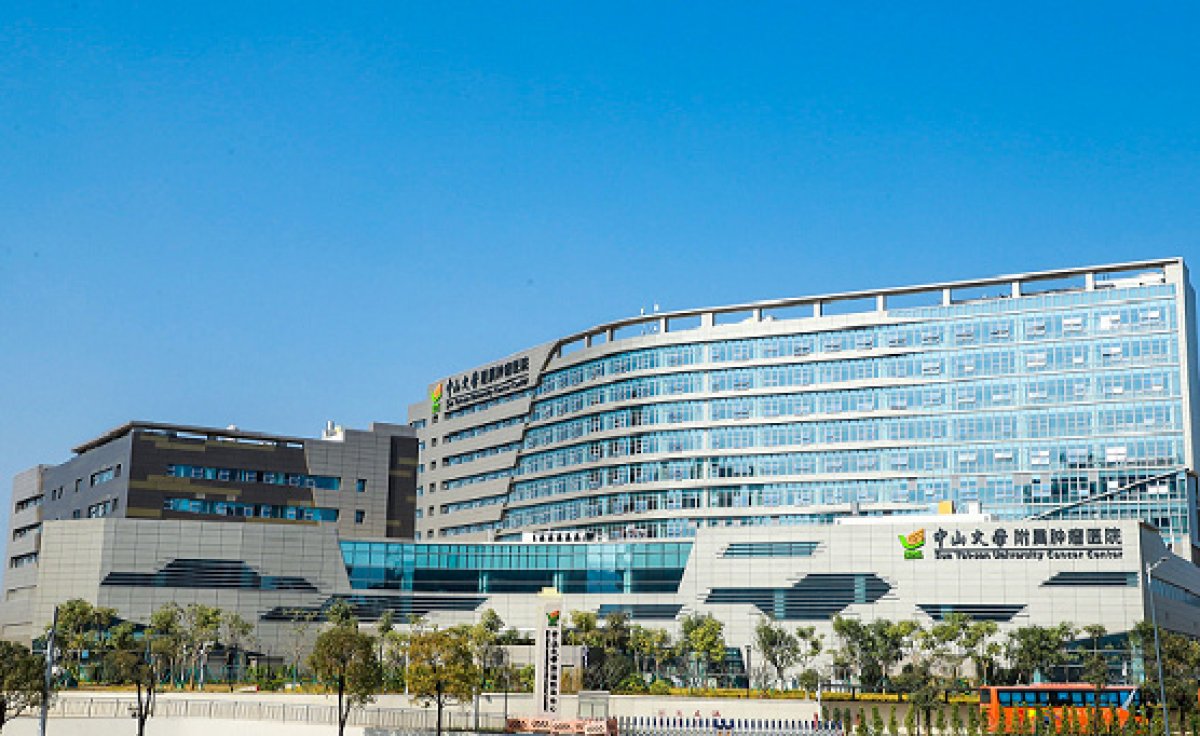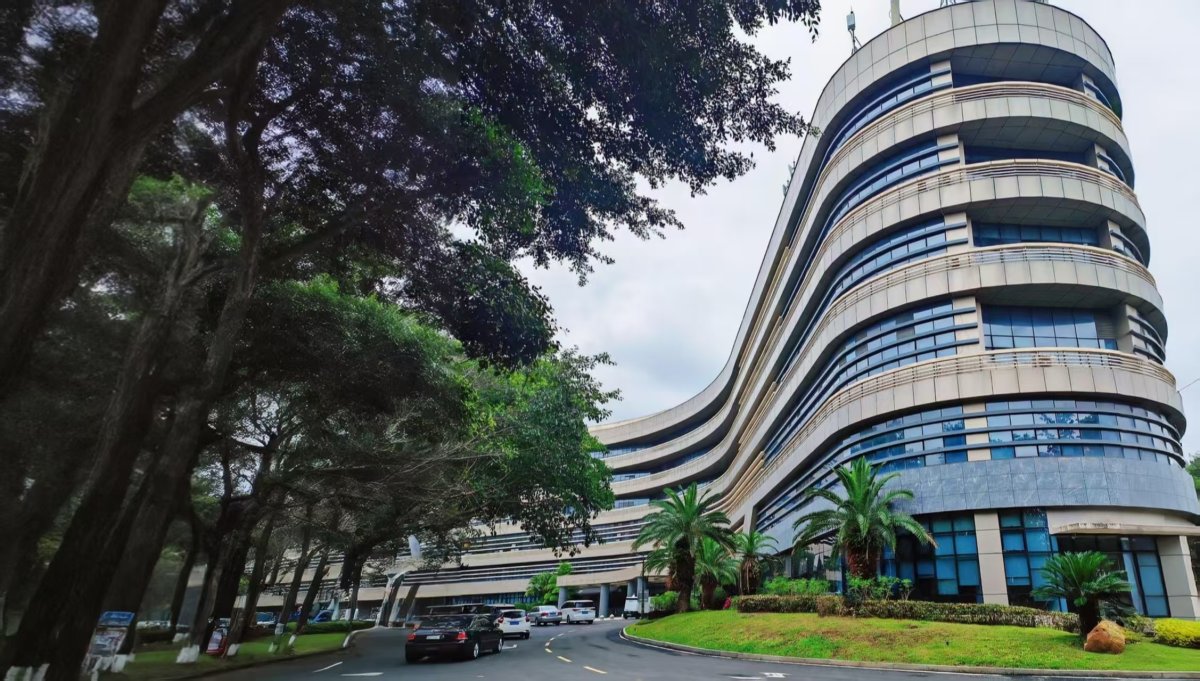
Brain tumor treatment cost in China typically includes diagnostics like brain MRI with contrast ranging from $300 to $600. Major procedures such as brain tumor surgery run from $46,000 to $18,500, while non-invasive options like CyberKnife for brain tumor range from $13,500 to $23,500. Total expenses depend on hospital tier and tumor complexity. Patients can achieve 65-89% savings compared to the United States. Top medical hubs include Beijing, Shanghai, and Guangzhou.
Typical Brain Tumor Treatment Costs in China
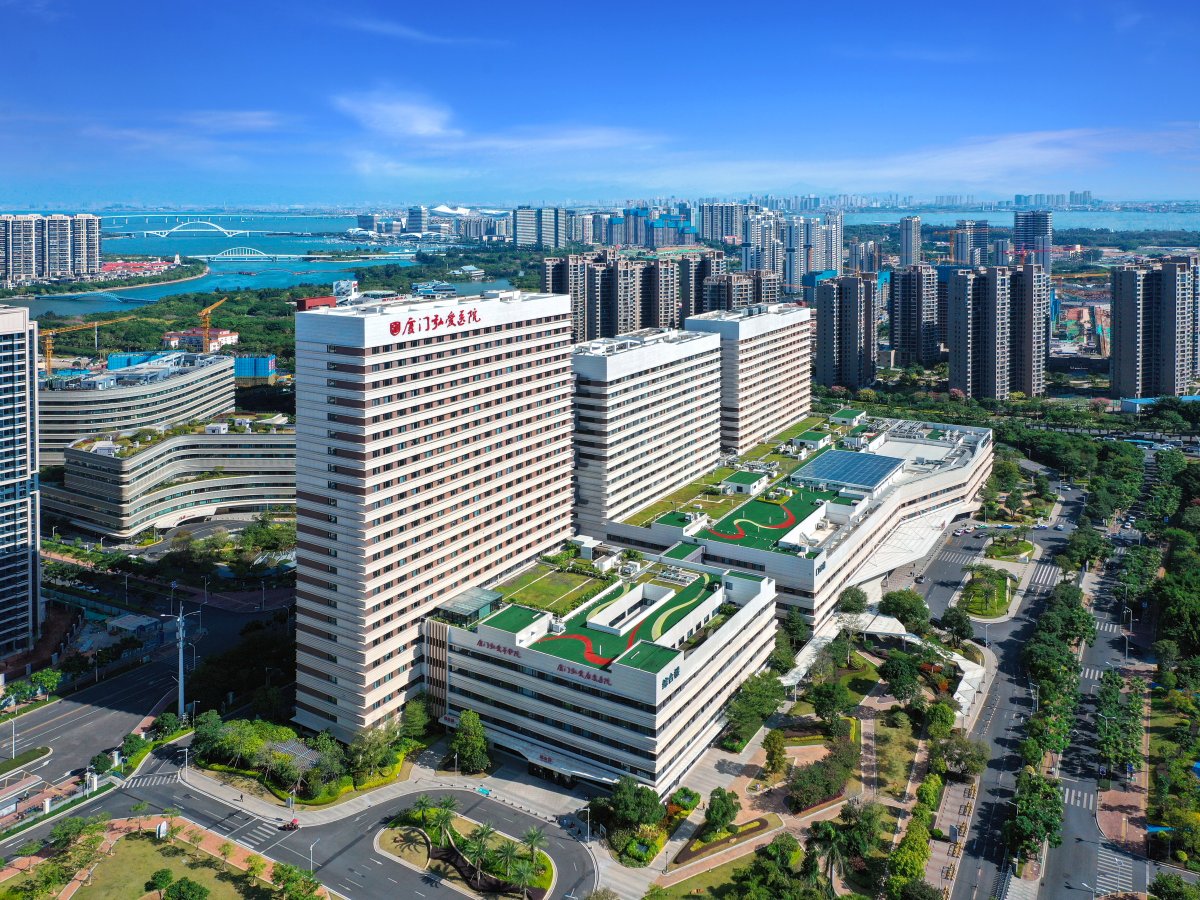
Bookimed Expert Insight: Patients requiring non-invasive treatment for localized lesions find high value in specialized radiosurgery teams. Jinshazhou Hospital offers CyberKnife M6 packages starting around $8,200 including consultation and hospitalization. For complex surgical cases like acoustic neuromas, tertiary centers in Beijing provide elite expertise. Professor Bao Yu Hai at Xiamen Humanity Hospital achieves over 95% facial nerve preservation. Tertiary hospitals like Xiamen Humanity serve over 1,000,000 annual patients, ensuring high surgical volumes.
| China | España | Turquía | |
| Tomoterapia | de $17,500 | de $35,000 | de $12,000 |
| Terapia con haz de protones | de $36,500 | de $25,216 | de $70,000 |
| Radioterapia para tumor cerebral | de $15,800 | de $20,000 | de $2,000 |
| Gamma Knife para tumor cerebral | de $8,500 | de $20,000 | de $4,750 |
| Gamma Knife | de $7,800 | de $18,000 | de $6,300 |
Bookimed no añade cargos extra a los precios de los tratamientos de Tumor cerebral. Las tarifas proceden de las listas de precios oficiales de las clínicas. Pagará directamente en la clínica por su tratamiento a su llegada al país.
Bookimed está comprometido con su seguridad. Solo trabajamos con las clínicas que mantienen altos estándares internacionales en el tratamiento de Tumor cerebral y cuentan con las licencias necesarias para atender a pacientes internacionales en todo el mundo.
Bookimed ofrece asistencia experta gratuita. Un coordinador médico personal le apoya antes, durante y después de su tratamiento, resolviendo cualquier problema. Nunca estará solo en su viaje médico de tratamiento de Tumor cerebral.
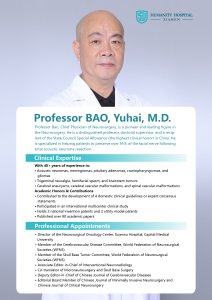
El Dr. Bao Yuhai es profesor y médico jefe de neurocirugía. Pionero y referente en el campo, es profesor distinguido y director de tesis doctorales. Ha recibido la Asignación Especial del Consejo de Estado, uno de los más altos honores clínicos de China. Dirige el Centro de Oncología Neuroquirúrgica del Hospital Xuanwu. Forma parte de comités de la WFNS. Es subdirector editorial de Interventional Neuroradiology y miembro de varios consejos editoriales.
Con más de 40 años de experiencia, se especializa en neurinomas del acústico, meningiomas, adenomas hipofisarios, craneofaringiomas y gliomas. También trata neuralgia del trigémino, espasmo hemifacial y tumores del tronco encefálico. Su labor abarca aneurismas cerebrales, malformaciones vasculares y malformaciones vasculares espinales. Tras la resección total del neurinoma del acústico, preserva la función del nervio facial en más del 95% de los casos.
Ha contribuido a 4 guías clínicas nacionales y participado en estudios multicéntricos internacionales. Posee 2 patentes nacionales de invención y 2 de utilidad. Ha publicado más de 80 artículos académicos.
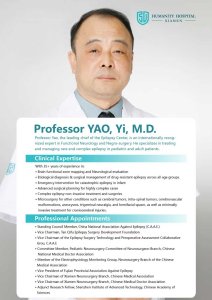
El profesor Yi Yao, MD, es el director del Centro de Epilepsia. Es un experto de reconocimiento internacional en neurología funcional y neurocirugía. Se especializa en la atención de epilepsias complejas en niños y adultos. Cuenta con más de 35 años de experiencia.
Experiencia clínica: mapeo cerebral; epilepsia farmacorresistente; atención de urgencias por crisis epilépticas; planificación neuroquirúrgica avanzada; microcirugía para tumores y enfermedades vasculares.
Liderazgo profesional: miembro permanente del consejo, Asociación China contra la Epilepsia; vicepresidente, Fundación de Cirugía de la Epilepsia; miembro del comité de neurocirugía pediátrica; vicepresidente, Asociación de Epilepsia de Fujian.
Pionero en el uso de propofol para el test de Wada en China, mejorando la seguridad y eficiencia en cirugías de tumores cerebrales en el Tianjin Eber Perennial Brain Hospital.
Brain tumour treatment in China centres on precision radiotherapy and robotic systems. Specialist clinics in Beijing and Guangzhou offer CyberKnife M6 radiosurgery, Boron Neutron Capture Therapy, and intraoperative MRI. These tools help surgeons map tumours accurately and spare healthy brain tissue.
Bookimed Expert Insight: While many countries offer standard CyberKnife, Chinese centres like Jinshazhou Hospital bundle it into specific A$11,400 packages. These include remote video consultations. This allows Australian patients to have their scans reviewed by Chinese specialists before flying. It helps avoid unnecessary travel for ineligible cases.
Patient Consensus: Online discussions about brain tumour care in China are rare. Patients often note the focus on technology. They appreciate that leading specialists often have extensive training from major US institutions like Harvard.
Brain tumour outcomes in China align with international standards at major neurological centres. Results for high-grade gliomas often match or exceed Western protocols. Leading surgeons report 95% facial nerve preservation in complex acoustic neuroma resections. Specialists use intraoperative MRI and robotics to improve precision.
Bookimed Expert Insight: Chinese neurosurgery excels due to massive patient volumes and academic depth. Dr Shao Ming, an Asian representative for international neurophysiological monitoring, trained at Harvard and the University of Texas. This cross-pollination of elite Western training with China's high-volume caseload results in surgical precision. These results meet or exceed global benchmarks. Australian patients can find CyberKnife M6 radiosurgery packages in Guangzhou for approximately A$11,400. This reflects significant value for specialised technology.
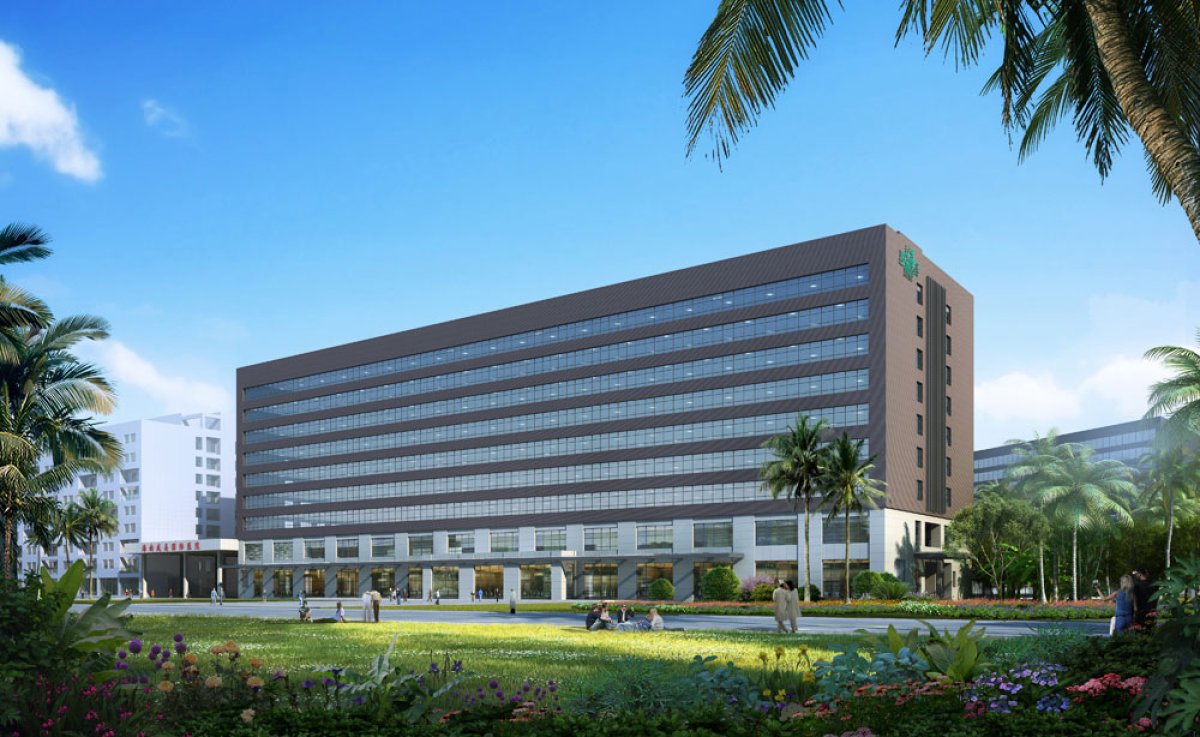
China offers extensive clinical trial options for brain tumours. These include immune-cell therapies and boron neutron capture therapy (BNCT). Facilities such as Xiamen Humanity Hospital conduct Phase I to IV trials. These programmes focus on glioblastoma, CAR T-cell therapy, and precision radiation.
Bookimed Expert Insight: China adopts specific technologies like Boron Neutron Capture Therapy (BNCT) earlier than many Western countries. Clinics such as Xiamen Humanity Hospital treat over 1,000,000 patients annually. This volume allows Chinese specialists to complete trials and refine protocols quickly.
Patient Consensus: Patients should confirm if an experimental option is part of a formal, ethics-approved trial. Many suggest getting a second opinion from an Australian specialist to compare overseas protocols with local standards.
Beijing Tiantan Hospital is China’s leading neurosurgery centre. It performs the highest volume of brain tumour surgeries in Asia. Xiamen Humanity Hospital and Jinshazhou Hospital of Guangzhou University of Chinese Medicine also offer specialised technologies. These include Boron Neutron Capture Therapy and CyberKnife M6 radiosurgery.
Bookimed Expert Insight: China's top neurosurgery hubs rely on massive surgical volumes to drive success rates. Prof. Bao Yu Hai has over 40 years of experience. He has also contributed to 4 national clinical guidelines. This level of seniority is common in major Chinese centres. Patients should target doctors with 30+ years of experience for complex removals.
Patient Consensus: Patients recommend choosing university-affiliated hospitals. These sites host neurosurgery, oncology, and pathology teams on one campus. Multidisciplinary care is essential for coordinating biopsy, surgery, and radiation planning effectively in China.
Preparing for a brain tumour consultation in China requires gathering all medical documents. Include digital MRI or CT scans and pathology reports. Specialists often use tools like CyberKnife M6 and proton-beam therapy. Patients should arrange language support and check hospital rules for international medical records.
Bookimed Expert Insight: CyberKnife M6 packages in China start at approximately A$11,400. These often include telehealth consultations. This allows Australian patients to review cases with specialists like Dr Zhang Yanjun before travelling. Pre-screening confirms if the tumour type suits radiosurgery or traditional craniotomy.
Patient Consensus: Patients say it is essential to request a bilingual clinician or interpreter before the appointment. They also recommend writing a timeline of seizure activity and prior imaging dates. This helps to get a faster diagnosis in China.
Neurosurgeons in China do not always speak fluent English. Specialists in international departments often communicate well, but it is not a nationwide standard. Patients should seek facilities like Xiamen Humanity Hospital. These centres serve international patients from over 50 countries where English support is more common.
Bookimed Expert Insight: Do not judge a surgeon's English level by their academic credentials alone. Many Chinese specialists, like Dr Shao Ming, have published 30+ articles in international journals. This indicates a high level of written medical English. However, conversational fluency for complex surgical consent varies between clinics and individual specialists.
Patient Consensus: Patients note it is essential to confirm communication for the whole care team. Even if a surgeon speaks English, nurses or ICU staff in China may not. Most recommend hiring a professional medical interpreter for safety during complex brain tumour treatments.
International private health insurance typically covers brain tumour treatment in China if the policy includes oncology benefits. Coverage usually extends to surgery, chemotherapy, and therapies like CyberKnife M6 radiosurgery. Pre-authorisation from the insurer is essential for direct billing at private hospitals.
Bookimed Expert Insight: A CyberKnife M6 radiosurgery package in Guangzhou costs around A$11,400. Many international policies only reimburse for specific tech. Clinics like Xiamen Humanity Hospital use the Da Vinci Surgical System and Varian VitalBeam. Patients should check if their insurer approves these precision tools to avoid out-of-pocket costs.
Patient Consensus: Patients note insurers scrutinise oncology care heavily. Therefore, written pre-approval is vital before travelling to China. Experience shows that having comprehensive medical records ready helps speed up the insurance verification process.