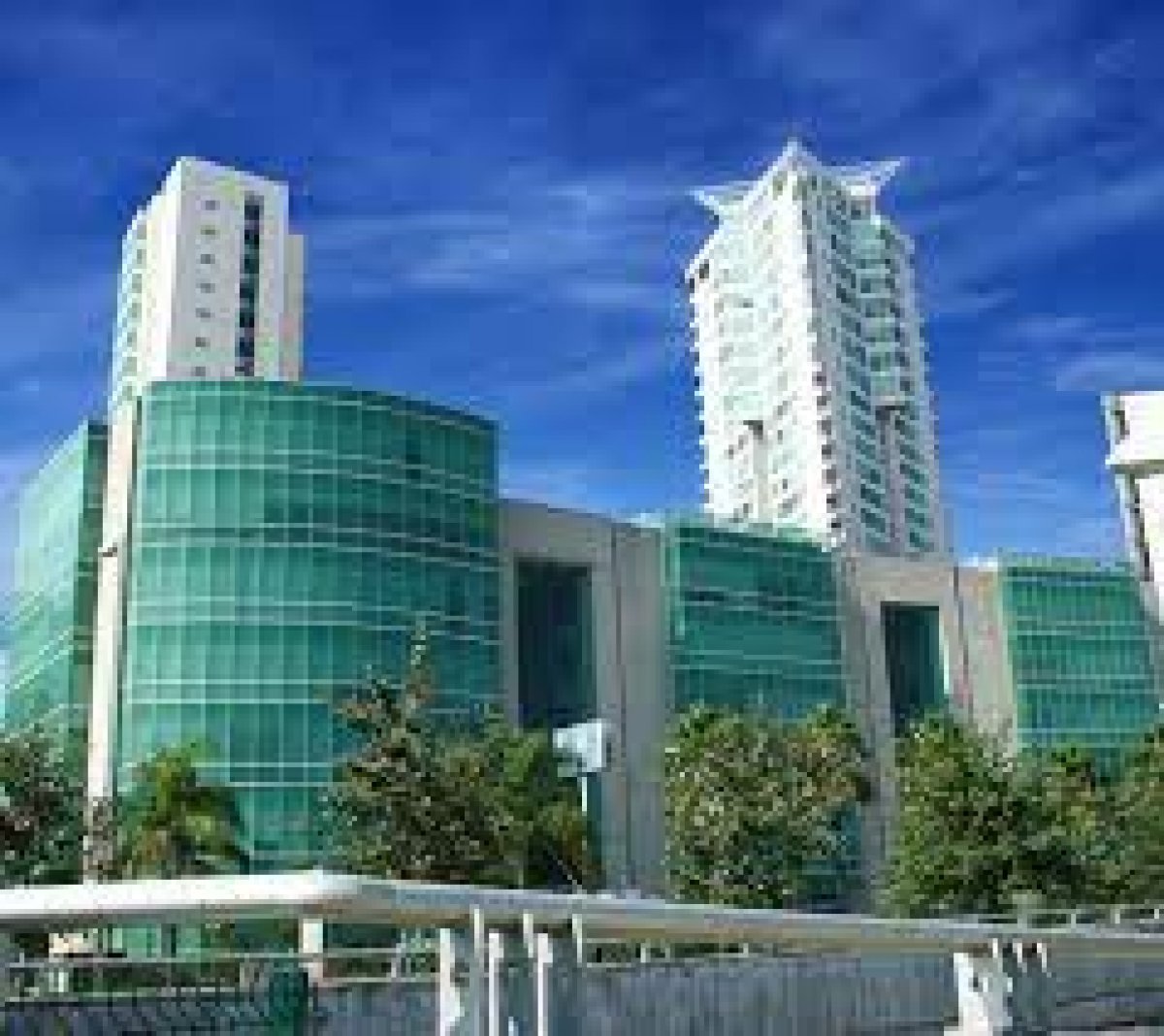
GDL Neurocirugía de Alta Especialidad
México, Guadalajara


Revisado médicamente por
Fahad Mawlood
El costo del tratamiento de tumores cerebrales en México depende generalmente de la complejidad del tumor y del enfoque quirúrgico elegido. De $18,000. Los pacientes a menudo ahorran entre un 50 y un 70% en comparación con los precios en EE. UU. Los principales centros de tratamiento incluyen Ciudad de México, Guadalajara y Mexicali.
Costos típicos del tratamiento de tumores cerebrales en México
Perspectiva de los expertos de Bookimed: Para casos neurológicos complejos, elegir un equipo multiespecialista ofrece el mejor valor clínico. El Hospital de la Familia en Mexicali ofrece un equipo neuroquirúrgico dedicado de dos cirujanos con formación de subespecialidad internacional. Los pacientes que buscan centros de alto volumen deben considerar GDL High Specialty Neurosurgery. Tratan a 690 pacientes al año, lo que garantiza una experiencia quirúrgica significativa. Para apoyo regenerativo, el Dr. Eduardo Fernández es un experto certificado en células madre poco común en México.
| España | Turquía | México | |
|---|---|---|---|
| Tomoterapia | ≈ $7,500 | de $6,700 | ≈ $9,000 |
| Terapia con haz de protones | de $43,300 | de $25,000 | ≈ $38,000 |
| Radioterapia para tumor cerebral | de $9,500 | de $4,000 | ≈ $6,500 |
| Gamma Knife para tumor cerebral | de $12,800 | de $5,000 | ≈ $9,500 |
| Gamma Knife | de $13,500 | de $5,500 | ≈ $9,500 |
Bookimed no añade cargos extra a los precios de los tratamientos de Tumor cerebral. Las tarifas proceden de las listas de precios oficiales de las clínicas. Pagará directamente en la clínica por su tratamiento a su llegada al país.
Bookimed está comprometido con su seguridad. Solo trabajamos con las clínicas que mantienen altos estándares internacionales en el tratamiento de Tumor cerebral y cuentan con las licencias necesarias para atender a pacientes internacionales en todo el mundo.
Bookimed ofrece asistencia experta gratuita. Un coordinador médico personal le apoya antes, durante y después de su tratamiento, resolviendo cualquier problema. Nunca estará solo en su viaje médico de tratamiento de Tumor cerebral.

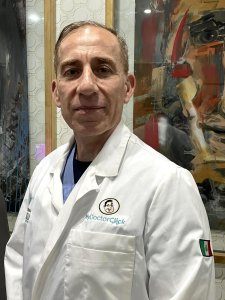
El Dr. Roberto Hernandez-Pena es neurocirujano. Obtuvo su título de médico en la Universidad Autónoma de Baja California y completó la residencia en neurocirugía en la Ciudad de México, seguida de una subespecialidad en neurología y neurocirugía en Phoenix, Arizona.
Forma parte de un equipo de neurocirugía de dos cirujanos junto con el Dr. Nestor Rodriguez, quien realizó una subespecialidad en Río de Janeiro, Brasil. Juntos aportan más de 18 años de experiencia quirúrgica y son reconoc

El Dr. Karim Noe Zamora Amezcua es neurocirujano en GDL High Specialty Neurosurgery en Guadalajara. Trata afecciones del cerebro y la columna vertebral en adultos y niños. El Dr. Zamora Amezcua realiza neurocirugía vascular y neurooncología. Ejerce en una clínica que atiende aproximadamente a 700 pacientes al año.

Como uno de los únicos 50 especialistas certificados en células madre en México, el Dr. Fernandez aporta una experiencia de élite en medicina regenerativa al tratamiento de tumores cerebrales en Holistic Bio Spa®.

Escrito por Veronika Kazina

Escrito por Veronika Kazina
 Olena Sikoza
Los neurocirujanos en México deben poseer un título de medicina seguido de una residencia de cinco años. Requieren una licencia Cedula Profesional y una certificación del Consejo Mexicano de Cirugía Neurológica (CONACEM). Los mejores especialistas a menudo completan becas internacionales en los Estados Unidos o Europa para tratar tumores cerebrales complejos.
Perspectiva del experto de Bookimed: El volumen de pacientes es un indicador de calidad importante en la neurocirugía mexicana. Por ejemplo, GDL High Specialty Neurosurgery en Guadalajara trata a casi 700 pacientes al año. Los centros de alto volumen a menudo ofrecen equipos especializados, como los protocolos de doble cirujano que se encuentran en el Hospital de la Familia en Mexicali. Estos equipos brindan una atención más integral que los profesionales i
Volar a México para una cirugía de tumor cerebral es posible con síntomas estables. Los plazos de recuperación requieren permanecer en México de 7 a 42 días después de la operación. Los cambios en la presión de la cabina pueden provocar presión intracraneal o convulsiones. Los pacientes deben obtener un certificado de aptitud para volar antes de regresar a casa.
Perspectiva de expertos de Bookimed: Concéntrese en clínicas en ciudades como Guadalajara o Mexicali que manejan grandes volúmenes de pacientes. GDL High Specialty Neurosurgery trata a 690 pacientes anualmente. El Dr. Roberto Hernández-Pena en Mexicali lidera un equipo con más de 18 años de experiencia y brinda atención neuroquirúrgica especializada. Elegir estos centros garantiza el acceso a equipos experimentados familiarizados con los protocolos para pacientes internacionales.
Consenso de los pacientes: Lo
Los paquetes de tratamiento de tumores cerebrales en México suelen incluir neurocirugía especializada o radioterapia como Gamma Knife y CyberKnife. La mayoría de los paquetes cubren resonancias magnéticas preoperatorias, honorarios quirúrgicos y anestesia. Las estancias hospitalarias estándar oscilan entre 3 y 7 días en habitaciones privadas o unidades de cuidados intensivos.
Perspectiva del experto de Bookimed: Aunque muchas clínicas ofrecen neurocirugía, la experiencia se concentra en centros específicos. En Mexicali, equipos como el del Hospital de la Familia cuentan con cirujanos con becas de los Estados Unidos y Brasil. Estos equipos aportan más de 18 años de práctica especializada en procedimientos complejos de la base del cráneo. GDL High Specialty Neurosurgery en Guadalajara atiende a 690 pacientes al año
Los neurocirujanos en México utilizan técnicas avanzadas como la craneotomía con paciente despierto, la neuroendoscopia y la radiocirugía estereotáctica para extirpar tumores cerebrales. Centros especializados en Guadalajara y Mexicali emplean neuronavegación y mapeo por fluorescencia para maximizar la resección del tumor. Estos métodos priorizan la preservación de las funciones del habla y motoras, minimizando al mismo tiempo los tiempos de recuperación.
Perspectiva del experto de Bookimed: Aunque muchos se centran en la Ciudad de México, Guadalajara es un centro importante para la neurocirugía de alto volumen. El centro de Neurocirugía de Alta Especialidad de GDL trata a 690 pacientes al año con solo 2 especialistas dedicados. Esta alta proporción de pacientes por médico sugiere que estos equipos mantienen una competenci
Los principales centros para el tratamiento de tumores cerebrales en México incluyen la Ciudad de México, Monterrey, Guadalajara y las ciudades fronterizas de Mexicali y Tijuana. Estos centros ofrecen procedimientos neuroquirúrgicos como craneotomía y radiocirugía Gamma Knife. Las instalaciones a menudo cuentan con acreditación JCI o afiliación con importantes redes médicas estadounidenses.
Opinión de expertos de Bookimed: Los datos muestran que Mexicali sirve como un centro estratégico para cirugías cerebrales de alta complejidad. Por ejemplo, el Hospital de la Familia utiliza un equipo especializado de dos cirujanos, incluido el Dr. Roberto Hernández-Peña. Su experiencia combinada de más de 15 años y su formación en becas en EE. UU. proporcionan un perfil de seguridad comparable a los estándares norteamericanos a un costo menor.
Consenso d
Verifique que el cirujano posea una certificación del Consejo Mexicano de Cirugía Neurológica y una Cédula Profesional específica. Pregunte sobre el volumen anual de su tipo exacto de tumor. Asegúrese de que el centro utilice neuronavegación y neuromonitoreo intraoperatorio. Confirme que proporcionen resúmenes de alta e informes de patología en inglés.
Perspectiva del experto de Bookimed: Los equipos neuroquirúrgicos mexicanos a menudo operan en parejas para mejorar la seguridad. El Dr. Roberto Hernández-Peña y el Dr. Néstor Rodríguez en el Hospital de la Familia tienen más de 18 años de experiencia combinada. Este enfoque colaborativo es un indicador significativo de estabilidad quirúrgica en casos de alta complejidad como los tumores cerebrales.
Consens