Centro Médico Teknon
España, Barcelona
Bartolome Oliver
50 años de experiencia • 280+ tratamientos realizados

acreditaciones : 

Clínica certificada por : 





Revisado médicamente por
Fahad Mawlood
El costo del tratamiento de tumores cerebrales en España depende de los procedimientos específicos involucrados. Una evaluación diagnóstica integral incluye una resonancia magnética mejorada con espectroscopia, que cuesta entre 810 € y 1.035 €, imagen neurovascular que oscila entre 460 € y 610 €, y una consulta preoperatoria con un precio de 575 €. La intervención quirúrgica, utilizando técnicas avanzadas como la neuronavegación y el monitoreo intraoperatorio, varía entre 26.650 € y 34.950 €. Esto cubre la cirugía, anestesia, hospitalización y cuidado postoperatorio. Los costos adicionales incluyen visitas de seguimiento a 405 € por sesión y fisioterapia opcional, que cuesta entre 105 € y 150 € por sesión y típicamente requiere de cinco a diez sesiones.
| España | Turquía | México | |
|---|---|---|---|
| Tomoterapia | ≈ $7,500 | de $6,700 | ≈ $9,000 |
| Terapia con haz de protones | de $43,300 | de $25,000 | ≈ $38,000 |
| Radioterapia para tumor cerebral | de $9,500 | de $4,000 | ≈ $6,500 |
| Gamma Knife para tumor cerebral | de $12,800 | de $5,000 | ≈ $9,500 |
| Gamma Knife | de $13,500 | de $5,500 | ≈ $9,500 |



El Dr. Conesa dirige el Instituto de Neurocirugía y Neurobiología del Centro Médico Teknon, donde realiza complejas operaciones de tumores cerebrales.
50 años pionero en neurocirugía mínimamente invasiva – El Dr. Oliver dirige el Centro de Tumores Cerebrales en Centro Médico Teknon, con más de 200 cirugías cerebrales complejas al año.

46 años líder en innovación en cirugía plástica en el Centro Médico Teknon – el Dr. Herrero Jover se especializa en procedimientos faciales y reconstructivos.
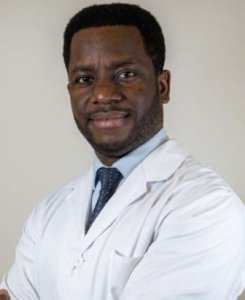
El Dr. Nnamdi Elenwoke es neurocirujano en el Neuroinstitut – Centro Médico Teknon (Barcelona), un centro de referencia en Europa. Está especializado en neurocirugía mínimamente invasiva y funcional. Posee experiencia específica en la malformación de Arnold–Chiari y en los trastornos de la unión craneovertebral. En su práctica utiliza técnicas microquirúrgicas avanzadas, cirugía endoscópica de la base del cráneo y neurocirugía asistida por robot.
Formación y entrenamiento: Médico (2007


Escrito por Veronika Kazina

Escrito por Veronika Kazina
 Olena Sikoza
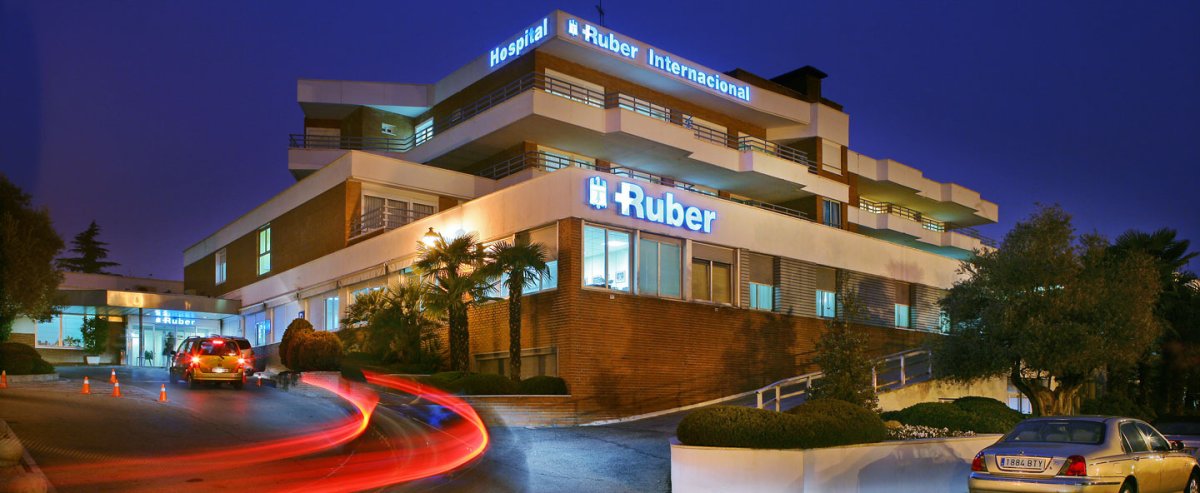
Las principales opciones de tratamiento para los tumores cerebrales en España incluyen la extirpación microquirúrgica, la radiocirugía Gamma Knife y la terapia de protones Proteus ONE. Centros especializados como el Centro Médico Teknon y el Hospital Ruber Internacional utilizan CyberKnife y neuronavegación. Estas instalaciones mantienen la acreditación JCI por sus altos estándares de seguridad.
Perspectiva del experto de Bookimed: Los datos muestran una gran diferencia entre las inclusiones de los paquetes de diagnóstico y quirúrgicos en España. Un paquete de diagnóstico de 1.350 $ en el Centro Médico Teknon cubre las resonancias magnéticas esenciales, pero la extirpación quirúrgica completa suele costar entre 25.000 $ y 35.500 $. Los pacientes deben tener en cuenta que los paquetes quirúrgicos de alta gama a menudo incluyen habitaciones privadas y estancias hospitalarias de 5 días, que son
Los hospitales mejor clasificados para la cirugía de tumores cerebrales incluyen el Centro Médico Teknon y el Hospital Ruber Internacional. Estos centros españoles cuentan con acreditación JCI y utilizan tecnologías avanzadas como el Gamma Knife y la resección guiada por fluorescencia. Neurocirujanos expertos realizan aquí cientos de procedimientos microquirúrgicos complejos al año para pacientes internacionales.
Opinión del experto de Bookimed: Los datos revelan una ventaja significativa al elegir institutos especializados dentro de redes más grandes. Por ejemplo, el Instituto Oliver & Ayats en el Centro Médico Teknon funciona como un centro de alto volumen con más de 23.500 operaciones anuales. Esta concentración de experiencia permite a los cirujanos mantener su competencia en procedimientos raros de la base del cráneo que los hospitales generales pueden realizar con menos
España reporta resultados excepcionales en el tratamiento de tumores cerebrales en centros especializados acreditados por la JCI. La tasa de éxito sigue siendo alta gracias a tecnologías avanzadas como el Gamma Knife y la terapia de protones Proteus One. Neurocirujanos de primer nivel en Barcelona y Madrid realizan más de 200 operaciones microquirúrgicas al año con gran precisión.
Perspectiva del experto de Bookimed: Los datos muestran una clara brecha de experiencia entre los hospitales generales y los centros neuroquirúrgicos dedicados como el Centro Médico Teknon. Mientras que muchas clínicas ofrecen cirugía básica, los especialistas de Teknon como el Dr. Bartolome Oliver gestionan más de 200 casos al año. Este alto volumen se correlaciona directamente con recuperaciones más fluidas y una mejor preservación f
Terapias avanzadas como los Campos de Tratamiento de Tumores (TTFields) y las vacunas terapéuticas están disponibles en España. Centros especializados ofrecen estas opciones junto con las extirpaciones quirúrgicas primarias y la terapia de protones. El acceso se gestiona normalmente a través de programas privados de oncología o ensayos clínicos específicos en centros acreditados por la Joint Commission International.
Perspectiva del experto de Bookimed: Centros españoles como el Centro Médico Teknon suelen priorizar protocolos combinados en los que la microcirugía va seguida de radioterapia avanzada como CyberKnife o terapia de protones. Los datos muestran que sus mejores neurocirujanos, como el Dr. Bartolome Oliver, realizan más de 200 operaciones al año. Este alto volumen a menudo permite a los pacientes acceder a tecnologías de apoyo
Las estancias hospitalarias típicas para la cirugía de tumores cerebrales en España oscilan entre 5 y 10 días. Las extirpaciones microquirúrgicas mínimamente invasivas a menudo requieren una estancia hospitalaria de 5 días. La radiocirugía avanzada, como el Gamma Knife o la terapia de protones, se realiza de forma ambulatoria con 0 días de hospitalización.
Perspectiva del experto de Bookimed: Los centros españoles como el Centro Médico Teknon priorizan la movilización rápida. Aunque la estancia quirúrgica es de 5 días, los paquetes a menudo recomiendan una estancia de 10 a 14 días en un hotel local. Esto garantiza un seguimiento seguro antes de volar. El alto volumen de más de 200 cirugías anuales del Dr. Bartolome Oliver ayuda a agilizar este cronograma de recuperación.
Consenso de los pacientes: Los pacientes destacan