
Fuda Cancer Hospital
China, Cantón


Revisado médicamente por
Fahad Mawlood
El costo del tratamiento de la displasia cervical en China generalmente oscila entre $1,800 y $3,600 para intervenciones quirúrgicas esenciales como la conización cervical. Procedimientos más avanzados, como la traquelectomía uterina o la crioterapia cervical especializada, generalmente cuestan entre $3,800 y $420. Los gastos totales dependen de la etapa de la lesión y del nivel de la clínica. Los pacientes a menudo ahorran entre un 40% y un 70% en comparación con las tarifas médicas de EE. UU. Los principales centros de tratamiento incluyen Guangzhou y Shanghái.
Costos típicos del tratamiento de la displasia cervical en China
Perspectiva de expertos de Bookimed: Los pacientes con lesiones en etapa temprana deben priorizar los centros que ofrecen ablación mínimamente invasiva. El Hospital de Cáncer Fuda en Guangzhou ofrece criocirugía altamente especializada para estas afecciones. Esta instalación acreditada por la JCI es ideal para pacientes internacionales que buscan atención de alta tecnología. Su equipo gestiona más de 30,000 casos internacionales al año. Para la displasia compleja o recurrente, su experiencia en tecnologías criocirúrgicas ofrece un valor clínico significativo en comparación con las escisiones estándar.
| China | España | Turquía | |
|---|---|---|---|
| Traquelectomía uterina | ≈ $3,800 | ≈ $10,000 | ≈ $2,800 |
| Cryothérapie cervicale | ≈ $180 | ≈ $220 | ≈ $250 |
| Conización del cuello uterino | ≈ $1,800 | ≈ $1,500 | de $900 |
Bookimed no añade cargos extra a los precios de los tratamientos de Displasia cervical. Las tarifas proceden de las listas de precios oficiales de las clínicas. Pagará directamente en la clínica por su tratamiento a su llegada al país.
Bookimed está comprometido con su seguridad. Solo trabajamos con las clínicas que mantienen altos estándares internacionales en el tratamiento de Displasia cervical y cuentan con las licencias necesarias para atender a pacientes internacionales en todo el mundo.
Bookimed ofrece asistencia experta gratuita. Un coordinador médico personal le apoya antes, durante y después de su tratamiento, resolviendo cualquier problema. Nunca estará solo en su viaje médico de tratamiento de Displasia cervical.


La profesora Lin Jinfang es médica sénior y supervisora de doctorado. Anteriormente dirigió la División de Endocrinología Ginecológica del Hospital de Obstetricia y Ginecología (Red House) de la Universidad de Fudan, en Shanghái. Cuenta con más de 40 años de experiencia clínica. Es pionera en endocrinología ginecológica y medicina reproductiva, y galardonada con la Copa Lin Qiaozhi.
Enfoque: infertilidad endocrina compleja; insuficiencia ovárica prematura (IOP) y envejecimiento ovárico

La Dra. Wu Sufang es profesora, médica jefa y directora de Obstetricia y Ginecología en un hospital de tercer nivel en China. Tiene más de 30 años de experiencia en oncología ginecológica. Se formó con el académico Martin y realizó investigación posdoctoral en el Centro Oncológico MD Anderson.
Su pericia quirúrgica incluye histerectomía radical, citorreducción ovárica, estadificación del cáncer endometrial y linfadenectomías pélvicas y paraaórticas complejas. También realiza procedimie
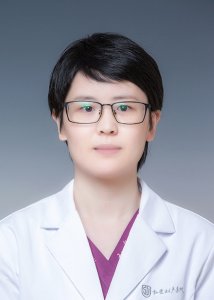
Profesora y médica jefa. Directora de Oncología Ginecológica. Doctora (PhD) en Oncología Ginecológica por el Hospital del Cáncer de la Academia China de Ciencias Médicas. Máster (MSc) en Obstetricia y Ginecología por el Hospital Peking Union Medical College. Casi 30 años de experiencia clínica. Ha publicado en revistas indexadas en SCI y en revistas de referencia. Coautora de dos monografías de oncología ginecológica.
Especialista en el diagnóstico estandarizado y el tratamiento integr

 Olena Sikoza
Los tratamientos quirúrgicos estándar para la displasia cervical de alto grado en China priorizan los procedimientos de escisión como la escisión electroquirúrgica con asa (LEEP) y la conización con bisturí frío. Estos métodos aseguran la extracción de tejido para su verificación patológica. Los centros acreditados por la JCI, como el Fuda Cancer Hospital, utilizan estas técnicas para tratar la displasia avanzada y la malignidad en etapa temprana.
Perspectiva del experto de Bookimed: Si bien la mayoría de los protocolos internacionales tratan la NIC 2 y 3 de manera similar, los centros terciarios chinos como el Fuda Cancer Hospital demuestran un mayor volumen de aplicaciones de criocirugía. Este enfoque en técnicas de congelación profunda, a menudo repetidas en ciclos, sugiere una preferencia por la ablación térmica especiali
China ofrece tratamientos avanzados no invasivos y que preservan la fertilidad para las lesiones precancerosas de cuello uterino. Estos incluyen la terapia fotodinámica (PDT) y procedimientos de escisión conservadores como la LEEP. Estos métodos preservan la integridad cervical. Esto reduce los riesgos de insuficiencia cervical para mujeres en edad reproductiva.
Perspectiva del experto de Bookimed: Aunque muchos buscan opciones completamente no invasivas, la precisión quirúrgica sigue siendo vital para la patología. Los centros acreditados por la JCI, como el Fuda Cancer Hospital en Guangzhou, se centran en alternativas mínimamente invasivas. Estos hospitales especializados a menudo gestionan más de 30.000 pacientes internacionales al año. Este alto volumen a menudo conduce a planes de tratamiento más refinados y conservadores en com
Las directrices chinas basadas en la evidencia diagnostican la displasia cervical mediante un protocolo estandarizado de tres pasos: cribado primario del virus del papiloma humano (VPH), evaluación por colposcopia e histopatología. Los médicos clasifican las lesiones utilizando el sistema de Neoplasia Intraepitelial Cervical (NIC). La estadificación real solo comienza si las células atraviesan la membrana basal para convertirse en cáncer invasivo.
Perspectiva del experto de Bookimed: Aunque muchos hospitales generales ofrecen cribado, los centros acreditados por la JCI, como el Fuda Cancer Hospital en Guangzhou, priorizan la precisión diagnóstica avanzada utilizando criocirugía y tecnologías intervencionistas. Nuestros datos muestran que estas instalaciones a menudo manejan casos complejos donde los resultados de la colposcopia y la biopsia entran en conflicto. Elegir un hospi
Los médicos chinos requieren un calendario de seguimiento estructurado después de LEEP o Cevira para monitorear la curación y la recurrencia. Este protocolo implica pruebas conjuntas obligatorias a los 6 y 12 meses. Los controles tempranos a los 3 meses aseguran la recuperación de la herida. La vigilancia a largo plazo puede extenderse hasta 25 años.
Perspectiva de expertos de Bookimed: El volumen clínico en centros como el Hospital de Cáncer Fuda, que atiende a más de 30,000 pacientes internacionales, destaca una preferencia por la recuperación mínimamente invasiva. Los datos sugieren que, si bien LEEP requiere controles estrictos de los márgenes, las terapias fotodinámicas a menudo implican una colposcopia profiláctica a los 6 meses. Esto asegura la eliminación celular en casos donde el tejido no fue extirpado física
Cevira es altamente adecuado para pacientes internacionales que buscan la preservación de la fertilidad para lesiones CIN2 y HSIL. Esta terapia fotodinámica no quirúrgica elimina las células anormales en menos de 10 minutos sin cortar el tejido cervical. Mantiene intacta la longitud del cuello uterino, reduciendo significativamente los riesgos de parto prematuro o incompetencia cervical.
Opinión del experto de Bookimed: China es actualmente el único centro mundial donde Cevira (APL-1702) está aprobado comercialmente. Mientras los reguladores europeos y estadounidenses aún revisan los ensayos clínicos, centros acreditados por la JCI como el Fuda Cancer Hospital ya atienden a pacientes de más de 100 países. Esto permite a los pacientes internacionales acceder a una terapia fotodinámica que preserva la fertilidad años antes de
China ofrece programas públicos gratuitos para la detección temprana del cáncer de cuello uterino, pero el tratamiento clínico generalmente no es gratuito. El programa "Two Cancers" ofrece pruebas de citología o VPH gratuitas para mujeres de 35 a 64 años. Los seguimientos diagnósticos específicos, como colposcopias y biopsias, a menudo están incluidos en estas vías financiadas por el gobierno.
Perspectiva del experto de Bookimed: Si bien los exámenes públicos son accesibles, los centros de alto volumen como el Hospital de Cáncer Fuda en Guangzhou se especializan en casos complejos. Esta instalación acreditada por la JCI atiende a más de 30,000 pacientes internacionales. Ofrece criocirugía avanzada y terapias mínimamente invasivas para anomalías que progresan a cáncer en etapa avanzada. Elegir un centro especializado garantiza la continuidad desde el dia