Tratamiento de Displasia cervical en Corea del Sur — obtenga 3 coincidencias personalizadas de clínicas


Revisado médicamente por
Fahad Mawlood
Cómo funciona
¿Cuál es el precio del diagnóstico y los tratamientos de Displasia cervical en Corea del Sur? Descubra ahora
Cervical dysplasia treatment cost in the Republic of Korea depends on the severity of cell changes and the selected intervention. A consultation with a gynecologist typically ranges from $50 to $55, while a surgical cervix conization ranges from $1,500 to $2,800. Total expenses are influenced by the hospital tier and specific technology used, offering 30-50% savings compared to the US. Most specialized centers are located in Seoul and Incheon.
Typical Cervical Dysplasia Treatment Costs in Republic of Korea
- Consultation with a gynecologist: $50 – $55
- Cervix conization: $1,500 – $2,800
- Cervical cryotherapy: $280 – $450
- Uterine trachelectomy: $5,500 – $8,800
Bookimed Expert Insight: Patients seeking advanced precision benefit from Seoul Miz Hospital, which offers specialized gynecological care and robotic surgery options. For those prioritizing safety and international standards, MizMedi Women's Hospital stands out as the only JCI-certified women's facility in Seoul. International patients often choose centers like NAEUN Hospital in Incheon due to its proximity to the airport and government-certified quality for foreign medical tourists.
| Corea del Sur | España | Turquía | |
|---|---|---|---|
| Traquelectomía uterina | ≈ $5,500 | ≈ $10,000 | ≈ $2,800 |
| Cryothérapie cervicale | ≈ $280 | ≈ $220 | ≈ $250 |
| Conización del cuello uterino | ≈ $1,500 | ≈ $1,500 | de $900 |
Descubra las mejores clínicas de tratamiento de Displasia cervical en Corea del Sur: 10 opciones verificadas y Precios

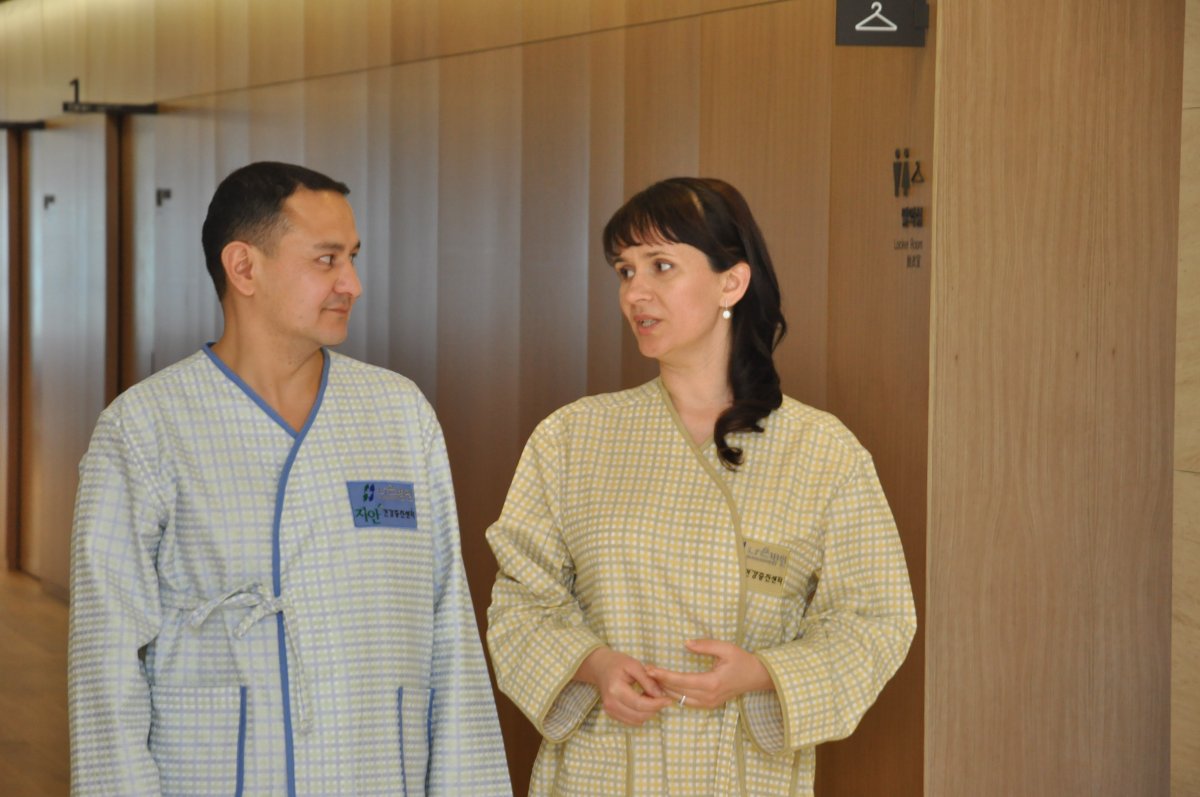


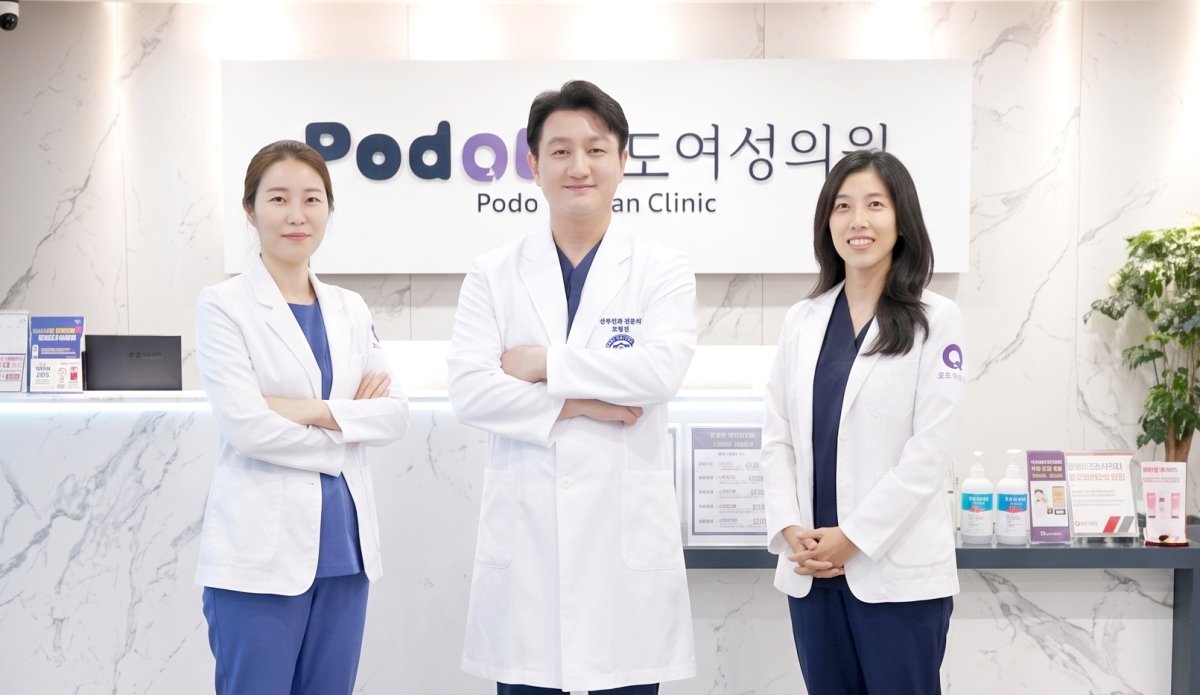















Hospital de mujeres MizMedi (MizMedi Women`s hospital)

Obtenga una evaluación médica de tratamiento de Displasia cervical en Corea del Sur: haga una consulta con 6 médicos experimentados ahora
Ver todos los médicos
Yeoun E Park
La directora médica y especialista en ginecología Yeoun E Park dirige equipos en el Seoul Miz Hospital y el Gangdong Miz Hospital.
- Profesora adjunta en varias universidades médicas prestigiosas
- Especializada en detección de cáncer ginecológico y cirugía laparoscópica
- Miembro de la Sociedad Coreana de Obstetricia y Ginecología
- Experta en el manejo de embarazos de alto riesgo

Heeseok Kang
El Dr. Kang se especializa en oncología ginecológica y displasia cervical, con una amplia experiencia en centros médicos de primer nivel como el Samsung Medical Center.
- Profesor adjunto en el Samsung Medical Center
- Galardonado por su excelencia en la investigación de oncología ginecológica
- Ha publicado múltiples estudios sobre tratamientos contra el cáncer de cuello uterino
- Jefe de Obstetricia y Ginecología en varios hospitales líderes

Na Young Bae
La Dra. Na Young Bae se especializa en endoscopia ginecológica y cirugía robótica, con una amplia formación en el Centro Médico de la Universidad de Corea.
- Graduada de la Facultad de Medicina de la Universidad de Corea
- Miembro de pleno derecho de la Sociedad Coreana de Endoscopia Ginecológica
- Profesora clínica asistente en el Hospital Guro de la Universidad de Corea
- Especializada en el diagnóstico precoz de afecciones ginecológicas
Compartir contenido
Historias en video de pacientes de Bookimed
 Olena Sikoza
Preguntas frecuentes sobre el tratamiento de Displasia cervical en Corea del Sur
¿Cuáles son los tratamientos más comunes para la displasia cervical en Corea?
El tratamiento de la displasia cervical en Corea se centra en la preservación de la fertilidad mediante la conización cervical y la escisión electroquirúrgica con asa (LEEP). Los médicos priorizan estos métodos para lesiones de alto grado CIN 2 o CIN 3. Los centros especializados en Seúl utilizan diagnósticos digitales avanzados y sistemas robóticos para garantizar la eliminación precisa del tejido anormal.
- Escisión quirúrgica: La conización cervical elimina el tejido anormal y cumple propósitos diagnósticos y terapéuticos.
- Asas electroquirúrgicas: El LEEP utiliza un asa electrificada para extirpar células precancerosas con alta precisión.
- Terapia ablativa: La crioterapia cervical o la ablación láser destruyen las lesiones en casos persistentes de bajo grado.
- Tecnología avanzada: Instituciones como el Hospital Seoul Miz utilizan sistemas robóticos Da Vinci para casos complejos.
Opinión experta de Bookimed: La infraestructura de Corea está diseñada para un volumen masivo, lo que impulsa la competencia quirúrgica. El Hospital Seoul Miz por sí solo trata a 200.000 pacientes al año y cuenta con un Centro Internacional de Pacientes. Esta alta rotación de pacientes significa que ginecólogos como la Dra. Yeoun E Park a menudo poseen una vasta experiencia en procedimientos especializados como cirugía laparoscópica y ginecología estética.
¿Es posible recibir tratamiento el mismo día de mi examen en Corea?
La República de Corea es conocida por una atención sanitaria de alta eficiencia que a menudo permite el tratamiento el mismo día después del examen. Aunque es común para procedimientos menores, el tratamiento de la displasia cervical como la conización depende de los resultados de la biopsia. Los sistemas de vía rápida en centros especializados combinan regularmente la consulta y las pruebas diagnósticas en una sola visita ambulatoria.
- Sistema integral: Los centros especializados minimizan los tiempos de espera entre la consulta ginecológica y las pruebas de imagen.
- Capacidad hospitalaria: Grandes instalaciones como el Hospital Severance gestionan eficientemente a más de 1 millón de pacientes ambulatorios al año.
- Departamentos especializados: Los centros ginecológicos dedicados del Hospital Seoul Miz se centran específicamente en las afecciones uterinas.
- Diagnóstico eficiente: Los sistemas digitalizados en el SNUBH facilitan el intercambio rápido de resultados de laboratorio para la toma de decisiones.
Perspectiva del experto de Bookimed: Los datos del Hospital Seoul Miz, que atiende a 200.000 pacientes al año, muestran que los centros con Centros de Pacientes Internacionales dedicados están mejor posicionados para una rápida atención. Aunque los grandes hospitales universitarios manejan volúmenes masivos, los hospitales especializados
¿Afectará el tratamiento de la displasia cervical a futuros embarazos o a la fertilidad?
El tratamiento de la displasia cervical en Corea del Sur generalmente no afecta la fertilidad ni la capacidad de concebir. Procedimientos como la LEEP o la conización se centran en el cuello uterino, mientras que la función ovárica permanece normal. Aunque el tratamiento es altamente eficaz, la eliminación de tejido significativo puede aumentar ligeramente los riesgos de parto prematuro.
- Impacto en la fertilidad: Los estudios clínicos no muestran retrasos en la concepción tras los procedimientos de escisión cervical.
- Control del embarazo: Las clínicas especializadas utilizan mediciones de la longitud cervical para vigilar una posible debilidad cervical.
- Opciones mínimamente invasivas: Hospitales coreanos como Seoul Miz utilizan sistemas robóticos para preservar la salud reproductiva.
- Riesgos del tratamiento: Las escisiones múltiples o las conizaciones profundas aumentan los riesgos más que los tratamientos únicos.
Perspectiva del experto de Bookimed: Los centros ginecológicos de Corea del Sur muestran un alto grado de especialización con más de 10.000 tratamientos exitosos de enfermedades uterinas en clínicas como Seoul Miz. Especialistas líderes como el Dr. Doyoung Jeong poseen patentes de dispositivos quirúrgicos de puerto único diseñados específicamente para la precisión. Este enfoque en tecnología propia y experiencia con un gran vo
¿Cuánto tiempo dura el tratamiento y será doloroso?
Los tratamientos estándar para la displasia cervical en Corea del Sur suelen durar entre 10 y 30 minutos. Los procedimientos avanzados como la conización o la cirugía robótica se realizan bajo anestesia local o general para garantizar una experiencia sin dolor. La mayoría de los pacientes reportan solo una ligera presión o calambres después de terminar la intervención.
- Tiempo de tratamiento: Los procedimientos en consultorio como la crioterapia suelen concluir en 10 a 30 minutos.
- Manejo del dolor: Los especialistas utilizan anestesia local o sedación para eliminar las molestias durante la extirpación quirúrgica de tejido.
- Sensaciones de recuperación: Los pacientes suelen describir las sensaciones posteriores al procedimiento como calambres leves, sangrado leve o presión.
- Flujo de trabajo eficiente: Las clínicas coreanas enfatizan el rápido diagnóstico y el alto volumen de pacientes para una atención optimizada.
Opinión de expertos de Bookimed: El volumen quirúrgico de Corea del Sur ofrece una señal de calidad única; el Asan Medical Center por sí solo realiza más de 65,000 operaciones al año. Esta alta repetición significa que los equipos quirúrgicos están excepcionalmente capacitados para minimizar el trauma tisular. Los pacientes pueden elegir entre centros especializados solo para mujeres como el Ewha Womans Hospital o instalaciones d
¿Se recomienda obtener una segunda opinión para un diagnóstico de NIC en Corea?
Las segundas opiniones para diagnósticos de Neoplasia Intraepitelial Cervical (NIC) son una práctica estándar y altamente recomendadas en Corea del Sur. Los ginecólogos especialistas a menudo alientan la confirmación antes de procedimientos invasivos como LEEP o conización. Los principales centros acreditados por la JCI en Seúl proporcionan departamentos especializados para revisiones diagnósticas.
- Confirmación experta: Los patólogos revisan las láminas de biopsia para garantizar la precisión de la clasificación antes de la cirugía.
- Instalaciones acreditadas: Instituciones como el Centro Médico de la Universidad Femenina Ewha cuentan con acreditación JCI.
- Departamentos especializados: El Hospital Seoul Miz ofrece un Centro de Enfermedades Ginecológicas dedicado.
- Procedimientos invasivos: Las segundas opiniones ayudan a confirmar si es necesario un LEEP o una conización.
Opinión experta de Bookimed: Corea del Sur es un centro médico global, ocupando el octavo lugar en solicitudes atendidas en Bookimed. En el Hospital Seoul Miz, que atiende a 200,000 pacientes al año, lanzaron un sistema de planificación de tratamiento personalizado para la displasia cervical en 2022. Este gran volumen permite que médicos como la Dra. Yeoun E Park basen sus segundas opiniones en una experiencia de más de 10,000 tratamientos ginecológicos. Al buscar una se
¿Qué sucede si la displasia cervical reaparece después del tratamiento?
La displasia cervical recurrente significa una infección persistente por VPH de alto riesgo. Los médicos en Corea del Sur generalmente manejan la recurrencia con una segunda conización o un procedimiento de escisión electroquirúrgica con asa (LEEP). El retratamiento sigue siendo altamente eficaz para prevenir la progresión del cáncer. Es esencial una vigilancia continua mediante citologías (Pap) frecuentes y pruebas de VPH.
- Conización repetida: Los cirujanos realizan una segunda conización si regresan las lesiones CIN2 o CIN3.
- Monitoreo intensivo: Las pacientes se someten a pruebas de Pap y VPH cada pocos meses durante dos años.
- Consideraciones sobre la fertilidad: Los procedimientos repetidos pueden aumentar los riesgos de ruptura prematura de membranas durante el embarazo.
- Métodos de tratamiento: Las clínicas ofrecen conización cervical, conización láser, crioterapia o traquelectomía para casos complejos.
Opinión experta de Bookimed: Los principales centros coreanos, como el Centro Médico de la Universidad Femenina Ewha, enfatizan los resultados estéticos mediante el uso de técnicas mínimamente invasivas. Si bien muchos se centran solo en la eliminación del tejido, los especialistas coreanos a menudo priorizan la minimización de cicatrices visibles. Este enfoque es particularmente valioso para las pacientes que requieren procedimiento
¿Qué papel juega la prueba de VPH durante y después del tratamiento?
La prueba de VPH sirve como una herramienta de monitoreo de alta sensibilidad para asegurar el éxito del tratamiento y detectar recurrencias. Después de procedimientos como la conización o la crioterapia, actúa como una prueba de curación. Los resultados negativos confirman la eliminación de las células afectadas, mientras que las pruebas positivas indican un mayor riesgo de enfermedad residual.
- Monitoreo de enfermedad residual: La prueba identifica displasias de alto grado con mayor precisión que una citología (Pap) estándar.
- Prueba de curación: Los médicos realizan pruebas después de una LEEP o conización para confirmar la eliminación de células.
- Programación de vigilancia: Los resultados positivos alertan a los equipos médicos para aumentar la frecuencia de las visitas de seguimiento.
- Detección de recurrencia: El monitoreo se enfoca en asegurar que las células precancerosas no regresen años después.
Opinión experta de Bookimed: Mientras que la mayoría de las clínicas se centran en el procedimiento, los centros surcoreanos líderes como el Hospital de la Universidad Nacional de Seúl y el Hospital Seoul Miz enfatizan el seguimiento digital. Los datos muestran que las instituciones que utilizan sistemas como BESTcare mejoran la seguridad al integrar los cronogramas de eliminación del VPH directamente en los registros digitales de los pac