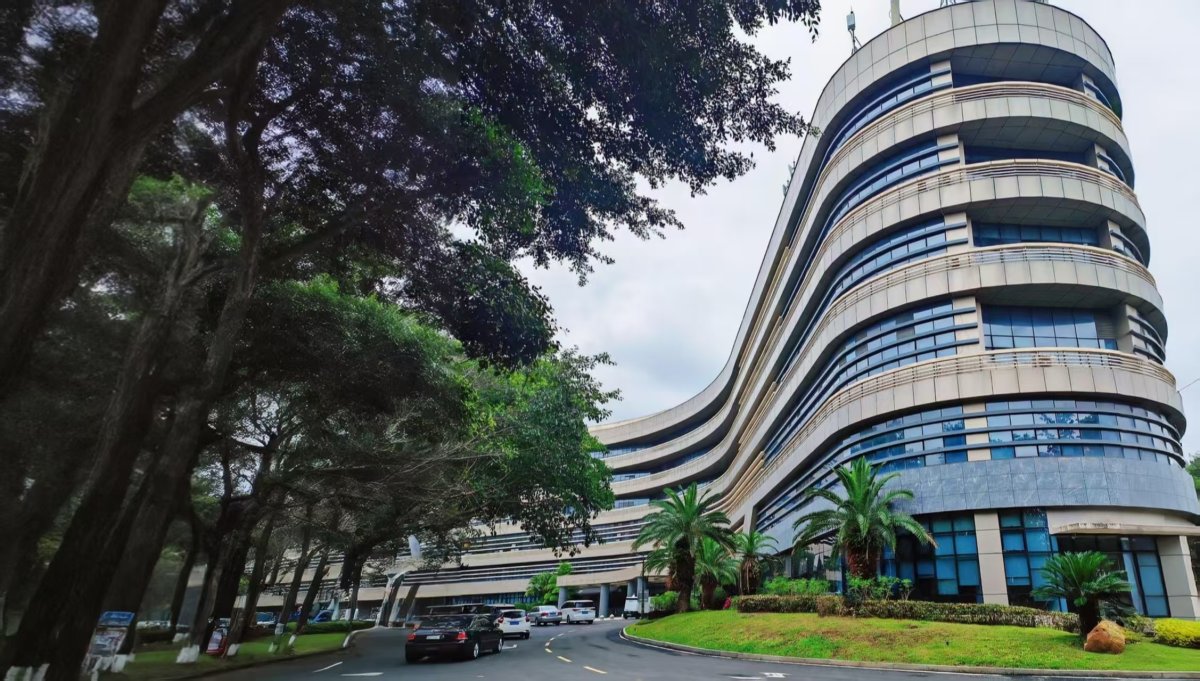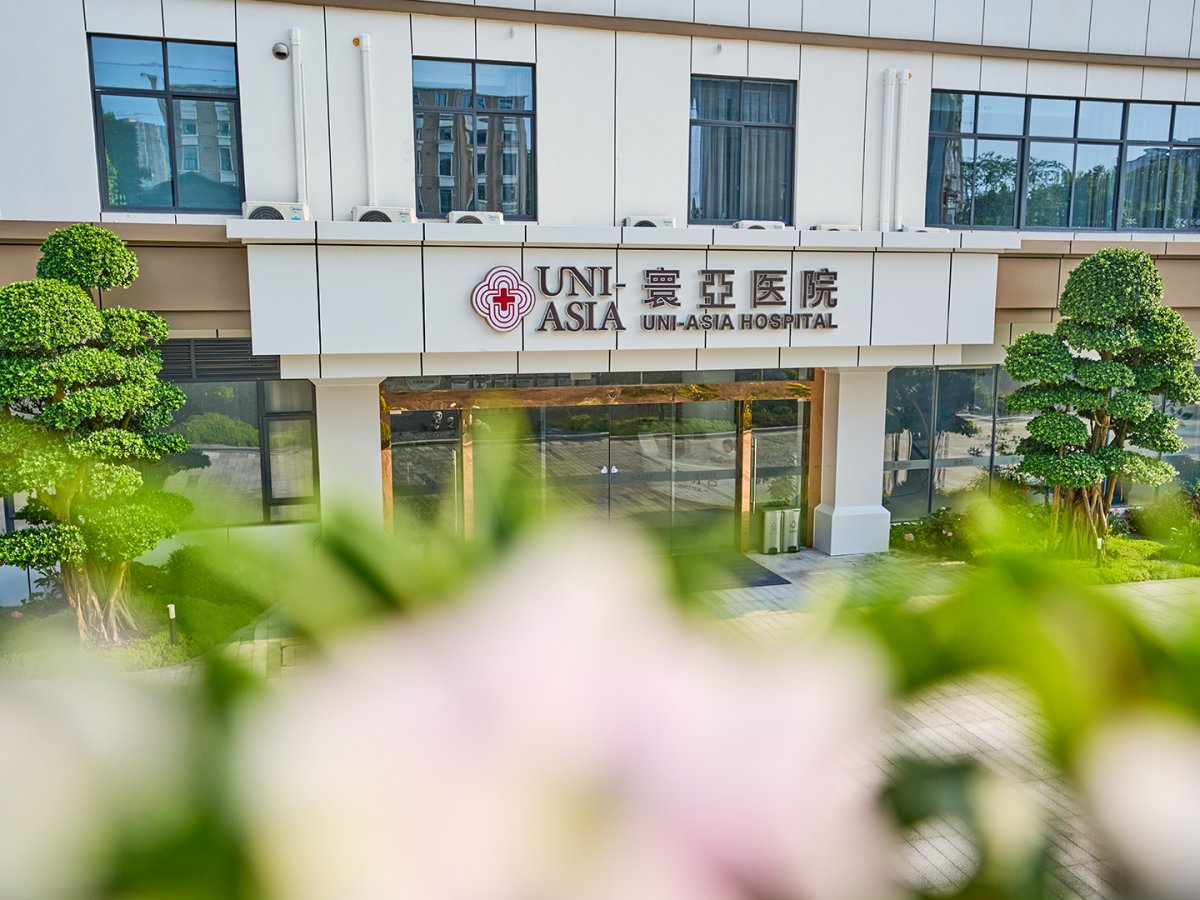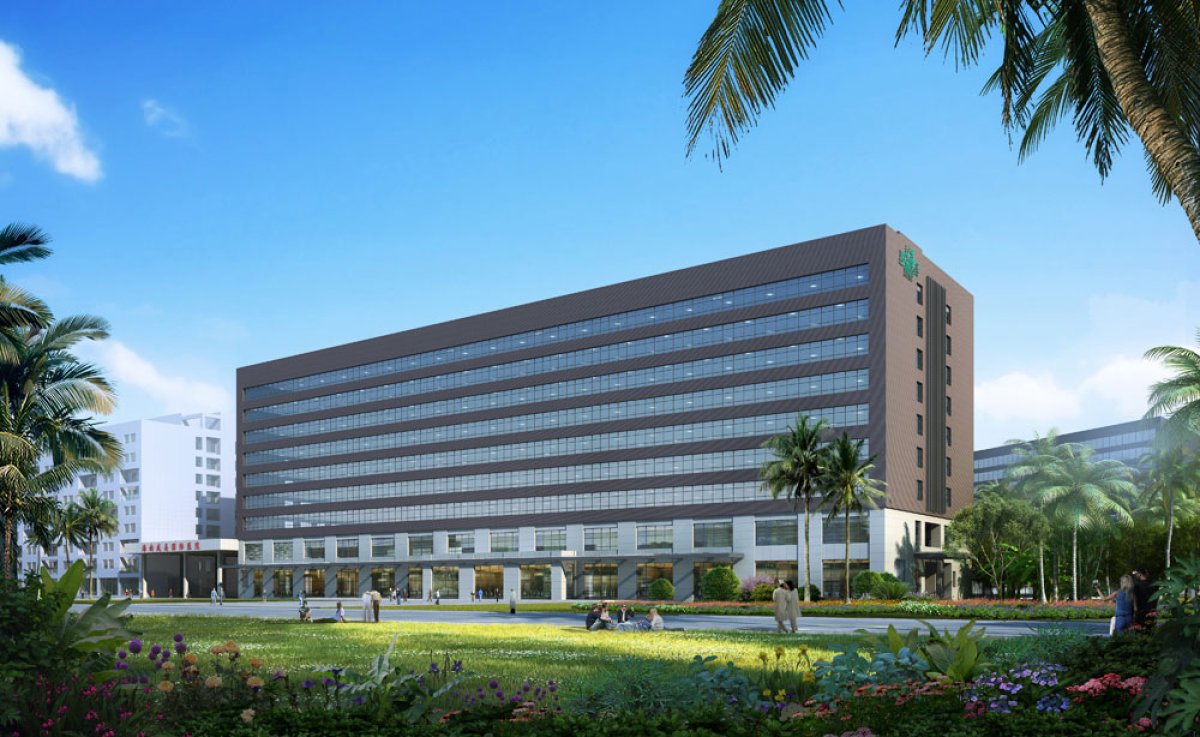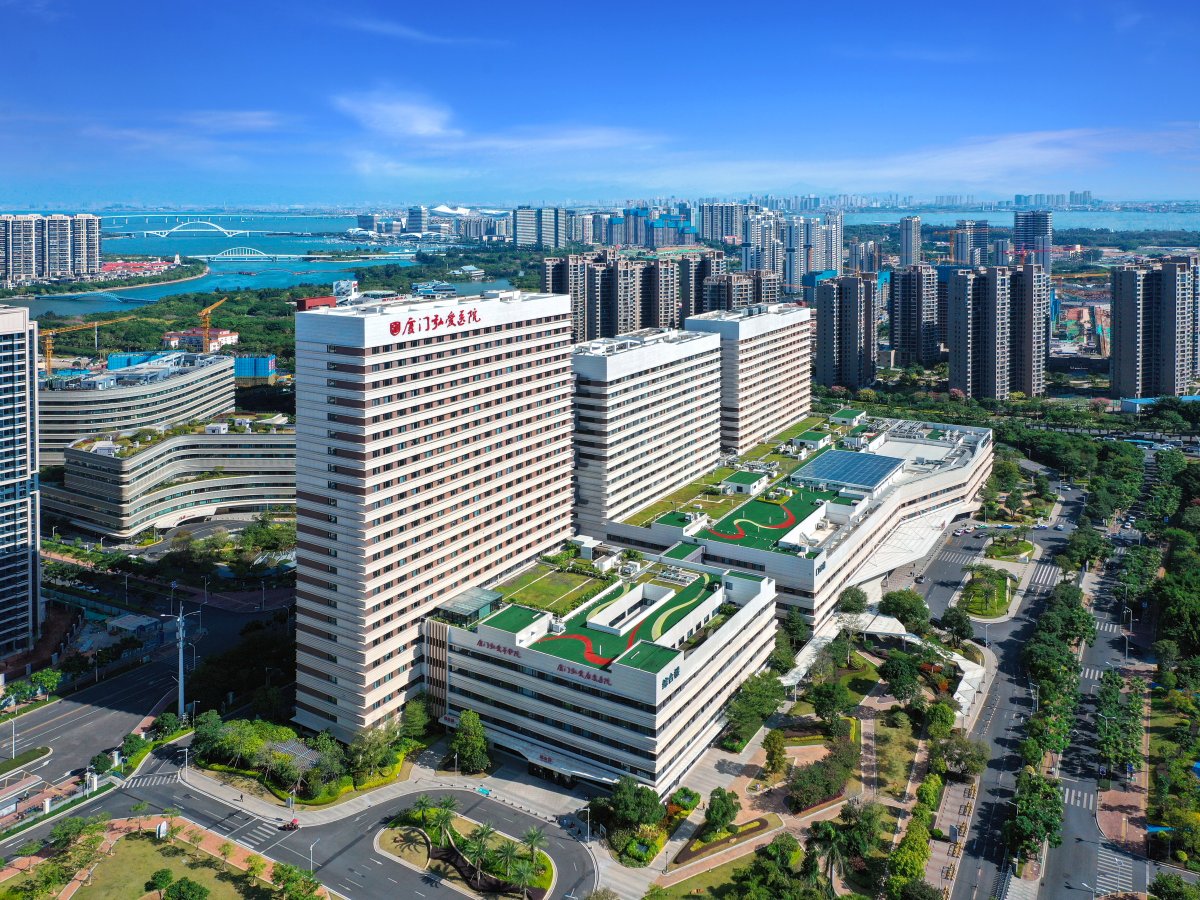
Hospital Xiamen Humanity
China, Xiamen


Revisado médicamente por
Fahad Mawlood
El costo del tratamiento del cáncer de colon en China generalmente incluye diagnósticos esenciales como tomografías PET-CT y tratamientos primarios como la colectomía, que oscila entre $9,500 y $17,500. De $35,800. Los gastos totales dependen de la etapa del cáncer y del nivel del hospital. Los pacientes internacionales suelen encontrar ahorros del 50-70% en comparación con los Estados Unidos. Los centros médicos clave incluyen Guangzhou, Xiamen y Beijing.
Costos típicos del tratamiento del cáncer de colon en China
Perspectiva de expertos de Bookimed: Los pacientes en etapas avanzadas que buscan alternativas a la quimioterapia tradicional se benefician de centros especializados en mínima invasión. El Fuda Cancer Hospital ofrece más de 10 terapias innovadoras, incluyendo NanoKnife y criocirugía, específicamente para casos avanzados. Para aquellos que requieren radiación de precisión, el Xiamen Humanity Hospital proporciona protocolos expertos de IMRT y VMAT. Las instalaciones acreditadas por la JCI en China combinan tecnología robótica avanzada con ahorros financieros significativos para los pacientes internacionales.
| China | España | Turquía | |
|---|---|---|---|
| Tomoterapia | ≈ $17,500 | ≈ $7,500 | de $6,700 |
| Sistema Robótico Da Vinci | de $35,800 | ≈ $9,500 | de $23,900 |
| Quimioterapia intraperitoneal hipertérmica (HIPEC) | ≈ $9,000 | de $81,800 | de $18,000 |
| Nanocuchillo | de $24,000 | ≈ $9,500 | ≈ $9,500 |
| Inmunoterapia con Keytruda (Pembolizumab) | ≈ $4,500 | de $10,300 | de $4,200 |

Médico jefe y profesor. Experto de nivel 1 en el Centro Oncológico del West China Hospital, Sichuan University (clasificado n.º 2 en China). Completó un posdoctorado en radiología intervencionista en el Chinese PLA General Hospital. Dirige equipos multidisciplinarios (MDT) para tumores complejos. Experto en oncología intervencionista mínimamente invasiva para cánceres de hígado, pulmón y páncreas.
Acreditaciones: Miembro del consejo, WATA. Miembro de los comités de CACA y CMDA sobre in

El Dr. He Weibing es pionero de la crioablación con argón‑helio en China, con más de 20 años de práctica en primera línea. Fue miembro fundador del Hospital Oncológico Fuda (Guangzhou). Cofundó su Centro de Tratamiento Tumoral Mínimamente Invasivo y fue subdirector ejecutivo. También ayudó a crear el Grupo de Ablación de la Asociación China contra el Cáncer. Ha sido operador principal en más de 10.000 procedimientos.
Se especializa en crioablación tumoral y domina la braquiterapia con

El profesor Luo Xiaoping es un radiólogo intervencionista reconocido a nivel nacional y una autoridad destacada en el oeste de China. Comenzó a realizar intervenciones vasculares pioneras a principios de la década de 1990. Ayudó a fundar el Grupo de Intervencionismo del Segundo Hospital Afiliado de la Universidad Médica de Chongqing.
Ha realizado más de 100 000 procedimientos intervencionistas, incluidos unos 4 000 casos complejos. Sus competencias clave incluyen TACE para el carcinoma

El profesor Xiao Yueyong es médico jefe del Departamento de Radiodiagnóstico del Hospital General del EPL de China. Es un experto líder en oncología intervencionista mínimamente invasiva. Es el primer presidente de WATA (2025–). Preside la Sociedad Internacional (2020–) y la Sociedad Asiática (2012–) de Crioterapia. También es subjefe del Grupo de Expertos de la NHC sobre regulaciones de ablación tumoral (2009–).
Ha realizado más de 100 000 procedimientos mínimamente invasivos guiados

Escrito por Veronika Kazina

Escrito por Veronika Kazina

Escrito por Veronika Kazina

Escrito por Veronika Kazina

Escrito por Veronika Kazina
 Olena Sikoza
La tasa de supervivencia relativa a cinco años para el cáncer de colon en China oscila entre el 58 % y el 62 % aproximadamente. El diagnóstico precoz garantiza altas tasas de supervivencia: del 85 % al 96 %. Los resultados del tratamiento se correlacionan fuertemente con la ubicación geográfica y el uso de cirugía radical en lugar de cuidados paliativos.
Opinión de expertos de Bookimed: En China, el volumen de pacientes es el indicador más importante de la calidad de la atención médica. El Hospital Oncológico Fuda atiende a más de 30 000 pacientes internacionales. El Hospital Humanitario de Xiamen trata aproximadamente a 1 000 000 de pacientes al año. Los centros con un alto volumen de pacientes suelen ofrecer un acceso más rápido a tecnologías especializadas, como el NanoKnife y el CyberKnife M6, para casos complejos.
Opinión de los pacientes:
En China, el tratamiento del cáncer de colon se centra en la resección quirúrgica y las técnicas mínimamente invasivas. En los hospitales, la laparoscopia se utiliza en más del 56 % de los casos para garantizar una recuperación más rápida. En centros avanzados, la cirugía especializada se combina con quimioterapia, terapia dirigida o inmunoterapia, según marcadores genéticos como KRAS y el estado de MSI.
Opinión de expertos de Bookimed: Si bien la mayoría de los centros siguen protocolos estándar, el Hospital Oncológico Fuda se distingue por utilizar más de 10 tipos de tratamientos mínimamente invasivos. Su especialización en criocirugía y terapia vascular intervencionista ofrece alternativas para pacientes que no toleran la quimioterapia agresiva (más de 30 000 casos en todo el mundo).
En China, el cáncer de colon en estadio 4 es tratable mediante protocolos multidisciplinarios avanzados en centros oncológicos especializados. Las instituciones médicas utilizan resección radical, ablación con nanobisturí y quimioterapia intraperitoneal hipertérmica para tratar la enfermedad metastásica. La integración de la terapia farmacológica moderna con los cuidados paliativos tradicionales contribuye a prolongar la supervivencia y mantener la calidad de vida de los pacientes.
Opinión de expertos de Bookimed: Los pacientes que buscan tratamiento en China deberían priorizar los centros médicos acreditados por la JCI en ciudades importantes como Guangzhou. Los datos muestran que clínicas como el Hospital Oncológico
La medicina tradicional china (MTC) se utiliza en China como terapia complementaria e integrativa para el cáncer de colon. Combina fitoterapia, acupuntura y modificaciones en el estilo de vida con cirugía o quimioterapia para mejorar la calidad de vida. Estos protocolos buscan reducir los efectos secundarios del tratamiento y fortalecer la respuesta inmunitaria.
Opinión experta de Bookimed: La medicina integrativa en China suele combinar prácticas ancestrales con tecnología de vanguardia en un mismo centro médico. Por ejemplo, el Hospital Jinshazhou de la Universidad de Medicina Tradicional China de Guangzhou ofrece radiocirugía CyberKnife M6 junto con protocolos tradicionales. Nuestros datos muestran que estos centros especializados ofrecen paquetes inte
China ofrece tratamientos especializados para tumores inoperables, incluyendo criocirugía, nanocirugía e inmunoterapia avanzada. Instituciones como el Hospital Oncológico Fuda están acreditadas por la Joint Commission International (JCI). Se especializan en el tratamiento de cánceres avanzados, utilizando más de 10 tipos de tratamientos mínimamente invasivos para manejar casos complejos.
Opinión de expertos de Bookimed: Si bien muchos países se centran en la monoterapia para la enfermedad avanzada, los centros especializados chinos suelen combinar la criocirugía con intervenciones vasculares. El Hospital Oncológico Fuda ha utilizado este enfoque combinado para tratar a más de 30 000 pacientes de 100 países. Este elevado volumen de casos internacionales demuestra la existencia de una infraestruct