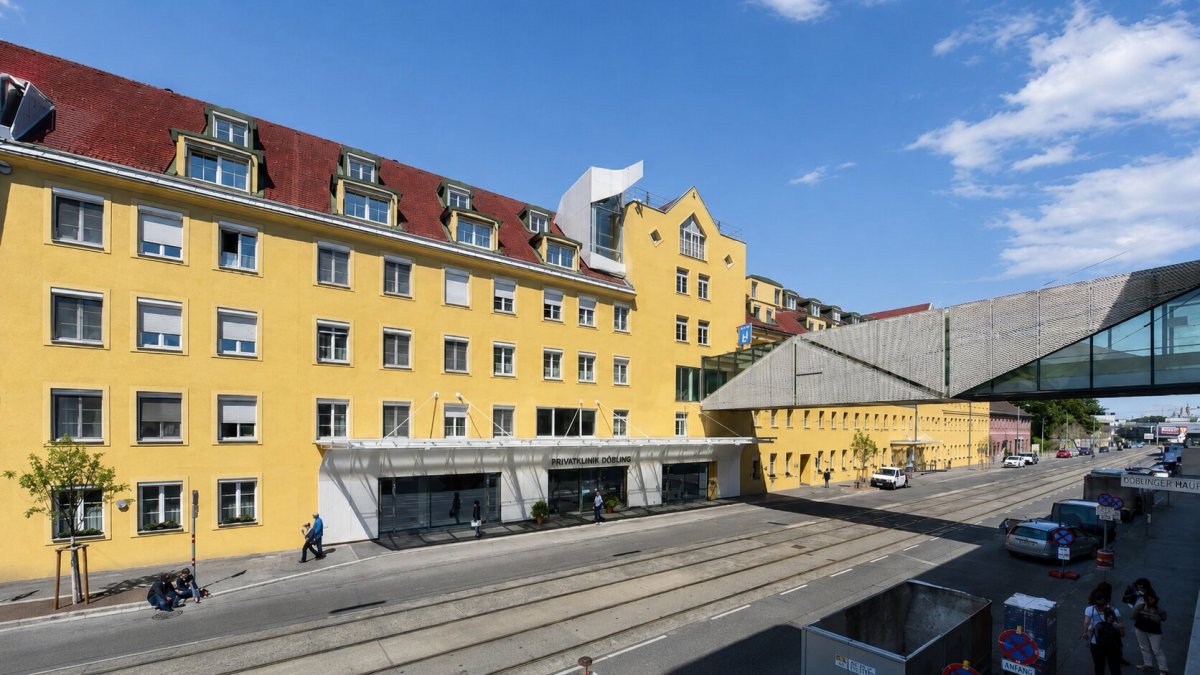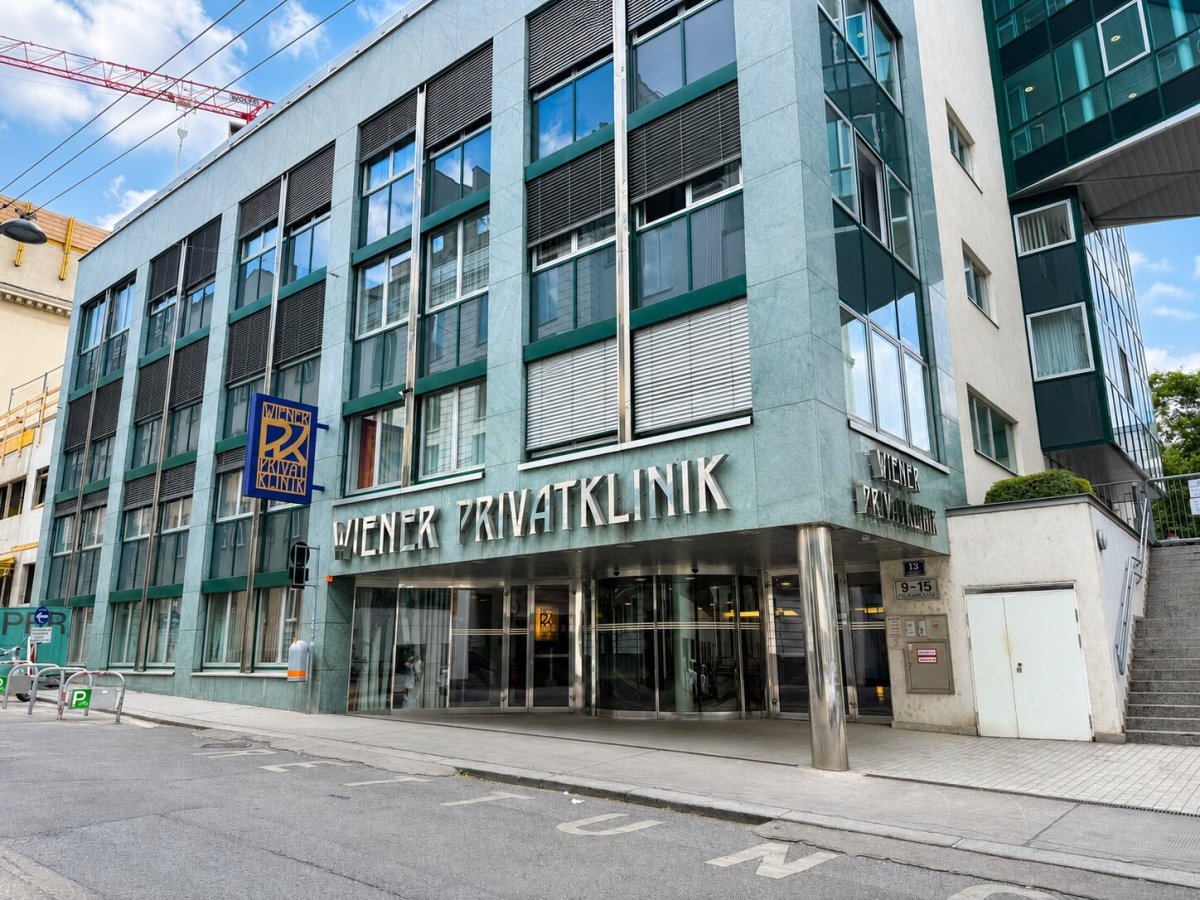
Clínica privada Wiener (Wiener Privatklinik)
Austria, Viena
Christoph Zielinski
44 años de experiencia

acreditaciones : 

Clínica certificada por : 





Revisado médicamente por
Fahad Mawlood
El costo del tratamiento del cáncer de colon en Austria generalmente incluye diagnósticos esenciales como una tomografía por emisión de positrones (PET/CT), que oscila entre $1,200 y $1,900. Las intervenciones quirúrgicas primarias, como la colectomía (resección del intestino grueso), van desde $14,500 hasta $22,500, mientras que la cirugía robótica avanzada mediante el sistema robótico Da Vinci cuesta entre $14,500 y Precio a consultar. Los gastos totales dependen de la etapa clínica, los protocolos médicos personalizados y el nivel del centro elegido. Los pacientes pueden obtener ahorros de aproximadamente un 20-30% en comparación con los EE. UU. Viena sigue siendo el principal destino para la atención oncológica.
Costos típicos del tratamiento del cáncer de colon en Austria
Perspectiva de los expertos de Bookimed: Para casos quirúrgicos complejos, elegir especialistas de clase mundial como el profesor Harald Rosen garantiza el acceso a una experiencia de más de 5,000 cirugías. Los pacientes que requieren protocolos oncológicos individualizados deberían considerar la Wiener Privatklinik, donde el director médico Christoph Zielinski lidera con cuatro décadas de investigación. El Hospital Privado Döbling sigue siendo una de las mejores opciones para quienes buscan altos estándares de seguridad, presumiendo de tasas de complicaciones por debajo de los valores nominales. Estos centros integran la investigación de la Universidad Médica de Viena en la práctica diaria.
| Austria | España | Turquía | |
|---|---|---|---|
| Tomoterapia | ≈ $9,500 | ≈ $7,500 | de $6,700 |
| Sistema Robótico Da Vinci | ≈ $14,500 | ≈ $9,500 | de $23,900 |
| Quimioterapia intraperitoneal hipertérmica (HIPEC) | ≈ $24,000 | de $82,100 | de $18,000 |
| Nanocuchillo | ≈ $25,000 | ≈ $9,500 | ≈ $9,500 |
| Inmunoterapia con Keytruda (Pembolizumab) | ≈ $5,800 | de $10,300 | de $4,200 |
El Prof. Christoph Zielinski es director fundador del primer Centro Oncológico Integral de Austria y un líder mundial en inmunoterapia contra el cáncer.
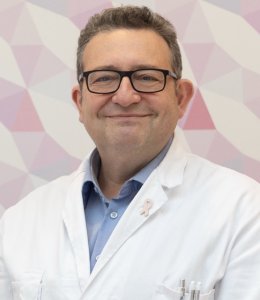
El Dr. David Kuczer es especialista en radiooncología con muchos años de experiencia en el diagnóstico y tratamiento del cáncer. Ofrece acceso rápido a radioterapia precisa, basada en los estándares científicos actuales.
Es miembro del Cancer Center de la Vienna Private Clinic. Presenta a cada paciente ante el comité de tumores interno, lo que permite una discusión interdisciplinaria por parte de un equipo de prestigio internacional y ayuda a seleccionar el mejor tratamiento.
To

El Dr. Harald Rosen se especializa en procedimientos endoscópicos avanzados para cánceres gastrointestinales, combinando la precisión quirúrgica con la experiencia en medicina interna en la Wiener Privatklinik.

El Prof. Köstler es un destacado oncólogo austriaco con más de _doctor_1748_ años dedicados a la oncología de tumores sólidos. Practica una medicina oncológica personalizada y basada en la evidencia.

Escrito por Veronika Kazina

Escrito por Veronika Kazina

Escrito por Veronika Kazina

Escrito por Veronika Kazina

Escrito por Veronika Kazina
 Olena Sikoza
En Austria, los estándares de seguridad para la cirugía de cáncer de colon se ajustan estrictamente a las directrices oncológicas establecidas por las sociedades nacionales de especialistas. Las instituciones médicas priorizan las técnicas mínimamente invasivas y la atención perioperatoria estandarizada, como el programa de Recuperación Mejorada Tras la Cirugía (ERAS). Los centros líderes cuentan con la certificación ISO e implementan objetivos internacionales de seguridad del paciente para minimizar las complicaciones.
Opinión de expertos de Bookimed: Si bien los estándares nacionales son altos, el volumen de
Los cirujanos austriacos cuentan con una amplia experiencia en colectomías laparoscópicas y robóticas. Destacados especialistas de Viena y Salzburgo realizan estos procedimientos de forma rutinaria. Muchos de ellos son profesores de la Universidad Médica de Viena. Utilizan el sistema da Vinci, con una tasa de conversión a cirugía abierta de tan solo el 3,2 %.
Opinión experta de Bookimed: Los datos muestran una fuerte correlación entre la trayectoria académica y la precisión quirúrgica en Austria. Cirujanos de renombre como el Dr. Harald Rosen y el Dr. Wolfgang Köstler ocupan puestos prestigiosos en universidades y, al mismo tiempo, ejercen en clínicas privadas. Estos especialistas atienden anualmente a aproximadamente 16 000 pacientes, tanto internacionales como locales, en instituciones como el Hospital Privado Döbling. Esta doble f
El tratamiento quirúrgico del cáncer de colon en Austria incluye una evaluación multidisciplinaria para garantizar la seguridad del paciente y la precisión quirúrgica. Se le realizarán análisis de sangre, pruebas de imagen transversales y una reunión interdisciplinaria obligatoria en una junta de oncología. Oncólogos y cirujanos, como el profesor Harald Rosen, participan en estas etapas para optimizar su recuperación.
Opinión de expertos de Bookimed: Si bien muchos creen que la decisión de realizar una cirugía recae exclusivamente en los cirujanos, centros austriacos como la Wiener Privatklinik requieren el consentimiento del oncólogo. El profesor Christoph Zelinsky suele coordinar estos planes para garantizar una perfecta sintonía entre la quimi
La resección de colon mínimamente invasiva en Austria generalmente requiere una hospitalización de 2 a 5 días. Los pacientes suelen recuperarse por completo en 4 a 6 semanas. La cirugía robótica a menudo permite una hospitalización más corta y una recuperación más rápida, con mínimas cicatrices.
Opinión de expertos de Bookimed: Viena se ha convertido en un importante centro de cirugías gastrointestinales complejas gracias a su alta concentración de especialistas académicos. Cirujanos como el profesor Harald Rosen del Hospital Privado de Viena han realizado más de 5000 cirugías complejas. Este alto volumen suele traducirse en tasas de complicaciones significativamente menores en comparación con los estándares internacionales. Al elegir una clínica en Austria, considere aquellas que incluyan consultas oncológicas en su plan de recuperación postoperatoria
Las clínicas austriacas ofrecen un amplio apoyo en inglés a pacientes internacionales. Los grandes hospitales privados de Viena cuentan con un entorno multilingüe. Los oncólogos más destacados suelen hablar inglés con fluidez. Los coordinadores especializados garantizan la comunicación durante todas las etapas del diagnóstico y la cirugía. Bookimed se encarga de la logística y la coordinación clínica para asegurar un tratamiento sin contratiempos.
Opinión de expertos de Bookimed: La calidad de la atención suele estar relacionada con la especialización de la clínica en oncología internacional. Wiener Privatklinik y Döbling Private Hospital cuentan con certificaciones que cumplen con los estándares internacionales. Estos hospitales atienden a más de 16 000 pacientes internacionales al año. Este elevado volumen de trabajo garantiza que el personal administrativo y médico esté familiarizado con las necesidades de los pacientes
En Austria, la necesidad de una estoma durante el tratamiento del cáncer de colon depende de la ubicación específica del tumor. Los cirujanos utilizan estomas temporales para proteger el intestino durante la cicatrización. El cierre de la estoma suele producirse entre 3 y 12 meses después. Especialistas como el Dr. Harald Rosen se especializan en preservar la calidad de vida y la función del esfínter.
Opinión de expertos de Bookimed: Elegir a un especialista como el Dr. Harald Rosen de la Clínica Privada de Viena es fundamental para evitar estomas permanentes. Ha realizado más de 5000 cirugías y se especializa en mejorar la calidad de vida de pacientes con cáncer de recto. Los profesores con sede en Viena y amplia experiencia suelen lograr tasas de complicaciones inferiores al promedio nacional gracias
Viena es el principal centro de tratamiento para un gran número de casos de cáncer colorrectal en Austria. Esta ciudad alberga importantes centros como la Wiener Privatklinik y el AKH Vienna. Otras clínicas de gran tamaño y alta capacidad se encuentran en Innsbruck, Graz y Salzburgo. Estos centros realizan consultas oncológicas interdisciplinarias y utilizan tecnologías quirúrgicas de vanguardia.
Opinión experta de Bookimed: Las clínicas vienesas, como Wiener Privatklinik, emplean un modelo de personal único. Muchos de sus 400 médicos son también profesores de la Universidad Médica de Viena. Esto permite a los pacientes internacionales acceder directamente a la experiencia académica en un entorno hospitalario más rápido y privado. Los datos muestran que estos especialistas han introducido con frecuencia técnicas quirúrgicas endoscópicas en Austria.
Opinión de los pacientes: Los pacientes