Sistema Robótico Da Vinci en España — obtén 3 clínicas con costos


Revisado médicamente por
Fahad Mawlood
¿Cuál es el precio de Sistema Robótico Da Vinci en España? Descubra ahora
El coste de un procedimiento con el Sistema Robótico Da Vinci en España suele oscilar entre $9,500 y $13,500. Los precios varían según el tipo de cirugía realizada (urología, ginecología, cirugía general), el hospital y la experiencia del cirujano con sistemas robóticos. UU.
Los hospitales españoles suelen incluir en el precio los honorarios del cirujano, el uso del robot Da Vinci, la anestesia, los costes del quirófano y la atención postoperatoria estándar. En EE. UU., el coste anunciado suele cubrir solo los honorarios del cirujano y del hospital, mientras que el uso del sistema robótico, la anestesia y los cuidados posteriores se facturan por separado. Siempre confirmar qué está incluido con el hospital elegido.
Beneficios clave
¿Por qué elegir España para procedimientos con el sistema robótico da Vinci?
- Clínicas acreditadas: Hospitales certificados por JCI garantizan atención de alta calidad y estándares de seguridad.
- Últimas tecnologías: El sistema Da Vinci Xi es reconocido por su precisión y enfoque mínimamente invasivo. Se utiliza ampliamente en los principales centros médicos de España.
- Altas tasas de éxito: Los procedimientos con el sistema robótico Da Vinci tienen una eficacia del 95% para diversas condiciones, asegurando excelentes resultados para los pacientes.
- Cirujanos expertos: Especialistas renombrados como el Dr. Antonio Alcaraz, quienes han realizado numerosas cirugías exitosas, ofrecen su experiencia en técnicas asistidas por robot.
Acceda a soluciones avanzadas del Sistema Robótico Da Vinci en clínicas de confianza de $9,500.
| España | Turquía | México | |
|---|---|---|---|
| Sistema Robótico Da Vinci | ≈ $9,500 | de $23,900 | ≈ $11,500 |
| Adenomectomía prostática Da Vinci | ≈ $9,800 | ≈ $8,500 | ≈ $11,500 |
Sus beneficios y garantías con Bookimed
Precios directos
Bookimed no añade cargos adicionales a los precios de Sistema Robótico Da Vinci. Las tarifas proceden de las listas de precios oficiales de las clínicas. Pagará directamente en la clínica por su Sistema Robótico Da Vinci a su llegada al país.
Sólo clínicas y médicos verificados
Bookimed está comprometido con su seguridad. Solo trabajamos con las clínicas que mantienen altos estándares internacionales en Sistema Robótico Da Vinci y tienen las licencias necesarias para atender a pacientes internacionales en todo el mundo.
Asistencia 24/7 gratuita
Bookimed ofrece asistencia experta gratuita. Un coordinador médico personal le apoya antes, durante y después del tratamiento, resolviendo cualquier problema. Nunca estará solo en su viaje médico de Sistema Robótico Da Vinci.

Su coordinador médico personal de Bookimed
- Le apoya en cada etapa
- Ayuda a elegir la clínica y el médico adecuados
- Asegura un acceso rápido y conveniente a la información
Descubra las mejores clínicas de Sistema Robótico Da Vinci en España: 6 opciones verificadas y Precios







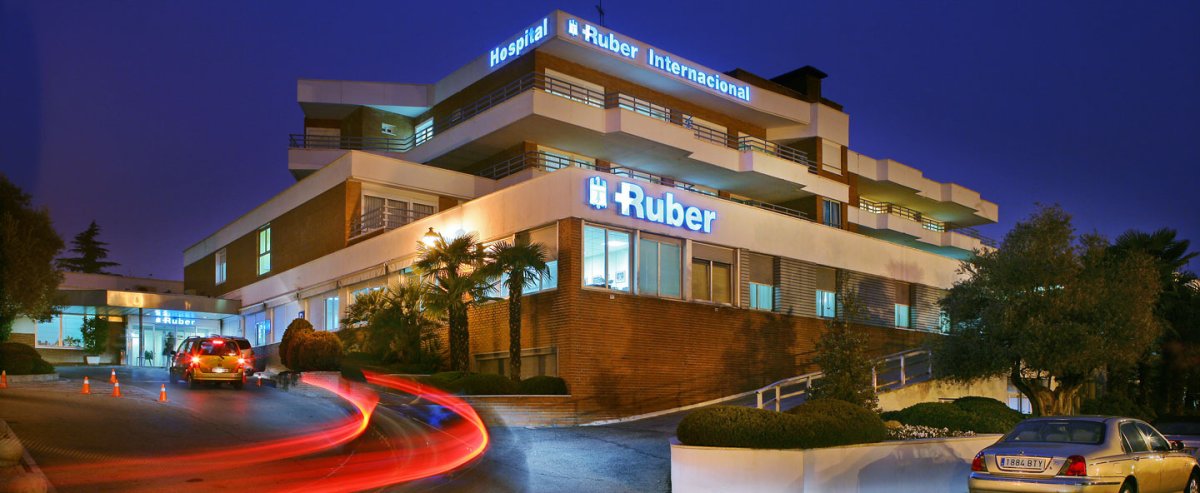




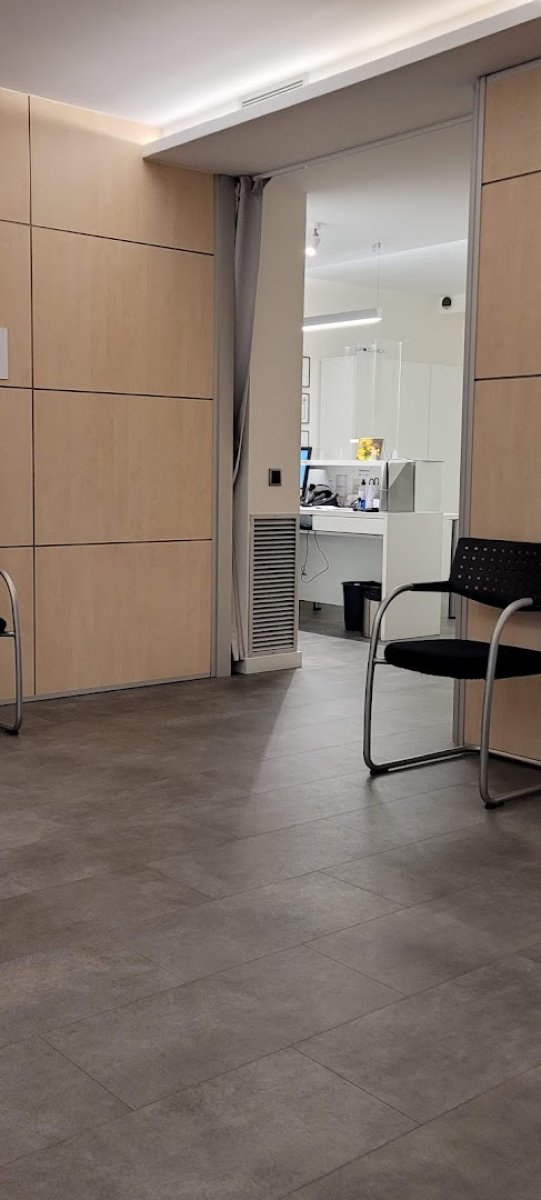
Uroclínica




Descripción general de Sistema Robótico Da Vinci en España
- Sistema Robótico Da Vinci - de $9,500El procedimiento utiliza robótica avanzada para cirugías precisas y mínimamente invasivas, que ofrecen más control y una recuperación más rápida.
- Adenomectomía prostática Da Vinci - de $9,800La operación utiliza tecnología asistida por robot para extirpar una próstata agrandada, mejorar la micción y reducir las molestias.
Día 1
- Llegada al país y registro en su alojamiento.
- El traslado al hospital para consulta inicial no está incluido.
Día 2 - Preoperatorio
- Consulta con un cirujano bariátrico.
- Someterse a las pruebas médicas preoperatorias necesarias.
- Es posible que se requieran procedimientos adicionales según los resultados de las pruebas.
Día 3 - Proceso del Sistema Robótico Da Vinci
- Ingreso al hospital para la cirugía.
- Someterse al procedimiento del Sistema Robótico Da Vinci, por lo general dura de 2 a 3 horas.
- Se administra anestesia general durante este proceso.
Día 4-7 - Postoperatorio
- Permanezca en la clínica para el cuidado y seguimiento postoperatorio.
- El alta de la clínica generalmente ocurre dentro de los 4 días.
Semana 1-6 - Rehabilitación
- Citas postoperatorias para el cuidado de heridas y revisiones.
- Se recomienda actividad física ligera después de la primera semana.
- Regreso al trabajo y actividades normales después de 4-6 semanas.
- Los resultados finales generalmente se pueden ver alrededor de 6 semanas después de la operación.
Tenga en cuenta que el caso de cada paciente es individual y que el cronograma anterior es una guía general. El cronograma real puede variar según la condición del paciente y el progreso de la recuperación.
Lo que les gusta a los pacientes:
- Precio. El coste del Sistema Robótico Da Vinci en España oscila entre 15.000 y 25.000 dólares. Este precio es significativamente más bajo en comparación con el costo promedio en otros países, que es de aproximadamente $30,000.
- Profesionalidad de los médicos. Los médicos españoles que realizan cirugías con el Sistema Robótico Da Vinci están altamente capacitados. Poseen certificaciones relevantes y pertenecen a organizaciones médicas respetadas. Su experiencia es evidente en la gran cantidad de procedimientos exitosos realizados.
- Nivel de servicio. Los pacientes están satisfechos con el servicio de alta calidad. El personal es atento, empático y receptivo, lo que garantiza una experiencia cómoda durante todo el proceso.
- Eficacia del Sistema Robótico Da Vinci. La tecnología moderna utilizada en el sistema robótico Da Vinci conduce a resultados efectivos. Los pacientes reportan menos dolor, recuperación más rápida y cicatrices mínimas.
- Logística. Los pacientes aprecian la logística eficiente. El proceso desde la consulta hasta la cirugía y la recuperación está bien organizado y es fluido.
Lo que no les gusta a los pacientes:
- Tiempo de espera. Algunos pacientes han informado largos tiempos de espera para consultas y cirugías. Esto puede causar ansiedad e incomodidad.
- Falta de conciencia. Los pacientes sienten que se debe proporcionar más información sobre el sistema robótico Da Vinci. Quieren entender mejor el procedimiento y sus beneficios.
- Atención posquirúrgica. Pocos pacientes han expresado insatisfacción con la atención posquirúrgica. Creen que se pueden hacer mejoras en esta área.
- Depósito de Bookimed: 200 $ o 200 €.
- Depósito de la clínica: Pague un porcentaje fijo por adelantado.
Obtenga una evaluación médica para Sistema Robótico Da Vinci en España: Elija su especialista entre los mejores en el campo
Ver todos los médicos
Alberto Diez-Caballero Alonso
Especialista en cirugía del tracto digestivo con enfoque en técnicas mínimamente invasivas – formado en procedimientos laparoscópicos en la Universidad de Navarra.
- Experto en cirugía mínimamente invasiva, incluyendo métodos asistidos por robot
- Profesor clínico asociado en la Facultad de Medicina de la Universidad de Navarra
- Miembro de la Asociación Europea de Cirugía Endoscópica y de la Sociedad Española de Cirugía de la Obesidad

Antonio Alcaraz
38 años especializado en uro-oncología en el Centro Médico Teknon – El Dr. Alcaraz se centra en tratamientos robóticos para el cáncer de próstata.
- Ha realizado más de 500 cirugías urogenitales, muchas de ellas con técnicas mínimamente invasivas
- Jefe de Urología y Trasplante Renal en el Centro Médico Teknon
- Experto en el sistema robótico Da Vinci para el cáncer de próstata
- Miembro de la Asociación Europea de Urología y la Confederación Americana de Urología

Santos Jiménez de los Galanes Marchán

Siyuan Quian
Historias en video de pacientes de Bookimed
Reseñas
Todas las reseñas


Compartir contenido
 Olena Sikoza
Preguntas frecuentes sobre Sistema Robótico Da Vinci en España
¿El robot Da Vinci realiza la cirugía por sí solo?
El sistema Da Vinci no puede realizar cirugías de forma independiente. Es una herramienta asistida por robot que imita los movimientos de un cirujano humano en tiempo real. El cirujano se sienta en una consola especializada y utiliza controles manuales para guiar los instrumentos con alta precisión y una visibilidad 3D mejorada dentro del cuerpo del paciente.
- Control del cirujano: Cada movimiento del instrumento requiere una intervención directa y constante de un cirujano humano cualificado.
- Traducción precisa: El Da Vinci Xi traduce los gestos de la mano en acciones quirúrgicas más pequeñas y sin temblores.
- Sin autonomía: El sistema carece de capacidades de toma de decisiones y no puede actuar sin las órdenes de un médico.
- Protocolos de seguridad: Los cirujanos permanecen en el lugar para gestionar complicaciones inmediatas como hemorragias o problemas de conectividad.
Opinión experta de Bookimed: España alberga centros robóticos de clase mundial como el Centro Médico Teknon y el Hospital Ruber Internacional. Estos centros acreditados por la JCI utilizan el último modelo Da Vinci Xi para oncología y urología complejas. Más allá de la tecnología, el volumen de operaciones del cirujano es el verdadero factor de éxito. Expertos como el Dr. Antonio Alcaraz han realizado personalmente más de 500 operaciones robóticas. Este alto volumen a me
¿Qué hospitales en España ofrecen cirugía robótica Da Vinci?
Los principales hospitales españoles que ofrecen cirugía robótica Da Vinci incluyen el Centro Médico Teknon, el Hospital Ruber Internacional y la Clínica Universidad de Navarra. Estos centros utilizan el sistema Da Vinci Xi para procedimientos complejos de oncología, urología y cardiología. La mayoría de los centros acreditados por la JCI en Madrid y Barcelona ofrecen estas opciones mínimamente invasivas.
- Tecnologías disponibles: Los centros utilizan Da Vinci Xi para urología, ginecología y cirugías generales del tracto digestivo.
- Centros acreditados: Clínicas como el Centro Médico Teknon mantienen la acreditación de la Joint Commission International (JCI) por seguridad.
- Cirujanos expertos: Médicos como Antonio Alcaraz en el Hospital Quirón Barcelona están especializados en prostatectomías robóticas.
- Periodo de recuperación: Los pacientes generalmente se mueven en 4 días, aunque las actividades extenuantes requieren varias semanas de recuperación.
Opinión experta de Bookimed: El sector de cirugía robótica de España es único porque las clínicas privadas de primer nivel suelen compartir los mismos equipos quirúrgicos de élite que los principales hospitales universitarios. Por ejemplo, cirujanos como el Dr. Antonio Alcaraz realizan procedimientos robóticos de alto volumen en varios centros líderes de Barcelona. Esta consistencia técnica en
¿Existen cirujanos experimentados para procedimientos Da Vinci en España?
España cuenta con una red de cirujanos robóticos altamente cualificados especializados en procedimientos Da Vinci en centros acreditados por la JCI. Muchos especialistas, como el Dr. Antonio Alcaraz en el Centro Médico Teknon, son pioneros a nivel mundial. Estos cirujanos realizan cirugías urológicas, oncológicas y digestivas complejas con una tasa de eficacia del 95 %.
- Experiencia del cirujano: El Dr. Antonio Alcaraz ha completado más de 500 operaciones urogenitales exitosas.
- Innovación clínica: Equipos españoles realizaron recientemente el primer trasplante de pulmón totalmente robótico del mundo.
- Centros acreditados: Clínicas como el Hospital Ruber Internacional utilizan los sistemas Da Vinci Xi más avanzados.
- Atención especializada: El Dr. Alfonso García Fadrique dirige la I+D en cirugía robótica avanzada de realidad mixta.
Opinión experta de Bookimed: España ocupa el puesto 3 en nuestra lista mundial de popularidad en cirugía robótica. Los datos muestran que clínicas como el Hospital Ruber Internacional atienden a 25 000 pacientes al año. Este alto volumen garantiza que los cirujanos mantengan la práctica frecuente necesaria para la precisión robótica. Los pacientes deben tener en cuenta que los principales centros españoles a menudo integran el sistema Da Vinci con resonancia magnética 3-Tesla avanzada para una planificación quirú
¿Dónde en España puedo someterme a cirugía robótica da Vinci?
España ofrece cirugía robótica da Vinci avanzada en centros acreditados por la JCI en Madrid, Barcelona y Pamplona. Instalaciones líderes como el Centro Médico Teknon y el Hospital Ruber Internacional utilizan el sistema Da Vinci Xi para procedimientos de alta precisión en urología, oncología y cirugía general.
- Ubicaciones en Madrid: El Hospital Ruber Internacional y Quironsalud Madrid ofrecen tecnología robótica Da Vinci Xi.
- Centros en Barcelona: El Centro Médico Teknon cuenta con urólogos de renombre mundial especializados en cirugías oncológicas asistidas por robot.
- Instalaciones en Pamplona: La Clínica Universidad de Navarra fue el primer hospital español en obtener la certificación JCI de EE. UU.
- Experiencia especializada: Cirujanos como el Dr. Antonio Alcaraz han realizado más de 500 operaciones urogenitales robóticas exitosas.
Perspectiva del experto de Bookimed: Aunque muchas clínicas ofrecen cirugía robótica, la brecha de experiencia es significativa entre los centros generales y los hospitales universitarios españoles de primer nivel. La Clínica Universidad de Navarra y el Centro Médico Teknon atienden a más de 10,000 pacientes anualmente. Este alto volumen se correlaciona directamente con las habilidades especializadas necesarias para maniobras complejas como las nefrectomías transvaginales NOTES.
Consenso de l
¿Qué tipos de cirugías se realizan con el sistema Da Vinci en España?
Las clínicas españolas realizan aproximadamente el 44 % de los procedimientos Da Vinci en urología, específicamente prostatectomías radicales y cirugías renales complejas. Los cirujanos en Madrid, Barcelona y Valencia también utilizan sistemas asistidos por robot para oncología colorrectal avanzada, resecciones de cáncer ginecológico y procedimientos torácicos pioneros como trasplantes de pulmón.
- Procedimientos urológicos: Los usos principales incluyen prostatectomía, nefrectomía, cistectomía y trasplante renal asistido por robot.
- Cirugía digestiva: Los cirujanos realizan resecciones colorrectales precisas, bypass bariátricos y reparaciones complejas de hernias.
- Oncología ginecológica: Las herramientas robóticas ayudan en las histerectomías y en la eliminación de lesiones de endometriosis profunda infiltrante.
- Aplicaciones torácicas: Centros especializados realizan lobectomías y los primeros trasplantes de pulmón robóticos del mundo para fibrosis.
Perspectiva del experto de Bookimed: El panorama de la cirugía robótica en España se define por una especialización extrema en lugar de solo un alto volumen. Mientras que muchos países se centran solo en las prostatectomías, centros españoles como el Centro Médico Teknon y el Hospital Ruber Internacional lideran en aplicaciones robóticas de nicho. Nuestros datos muestran que los mejores urólog
¿Cuáles son las ventajas de elegir la cirugía robótica Da Vinci en España?
Elegir la cirugía robótica Da Vinci en España brinda acceso a una precisión de clase mundial dentro de centros acreditados por la JCI. Este enfoque mínimamente invasivo utiliza visualización 3D de alta definición y sofisticados brazos robóticos. Estas herramientas permiten a los cirujanos realizar procedimientos oncológicos, urológicos y torácicos complejos a través de incisiones diminutas en lugar de grandes aberturas.
- Precisión quirúrgica: Los brazos robóticos eliminan el temblor de las manos y proporcionan 7 grados de libertad para la destreza.
- Visualización superior: La imagen 3D de alta definición ofrece vistas magnificadas de estructuras anatómicas profundas y de difícil acceso.
- Procedimientos avanzados: España realizó el primer trasplante de pulmón robótico del mundo utilizando tres pequeñas incisiones.
- Recuperación más rápida: Las técnicas mínimamente invasivas reducen el dolor posoperatorio y acortan la estancia hospitalaria total.
Perspectiva del experto de Bookimed: España es un líder mundial en casos robóticos complejos porque su sector privado, como el Hospital Ruber Internacional y el Centro Médico Teknon, a menudo adopta los últimos sistemas Da Vinci Xi más rápido que los sistemas públicos. Nuestros datos muestran que los pacientes ahorran alrededor de un _price_percent_discount_% en comparación con los costos de EE. UU.