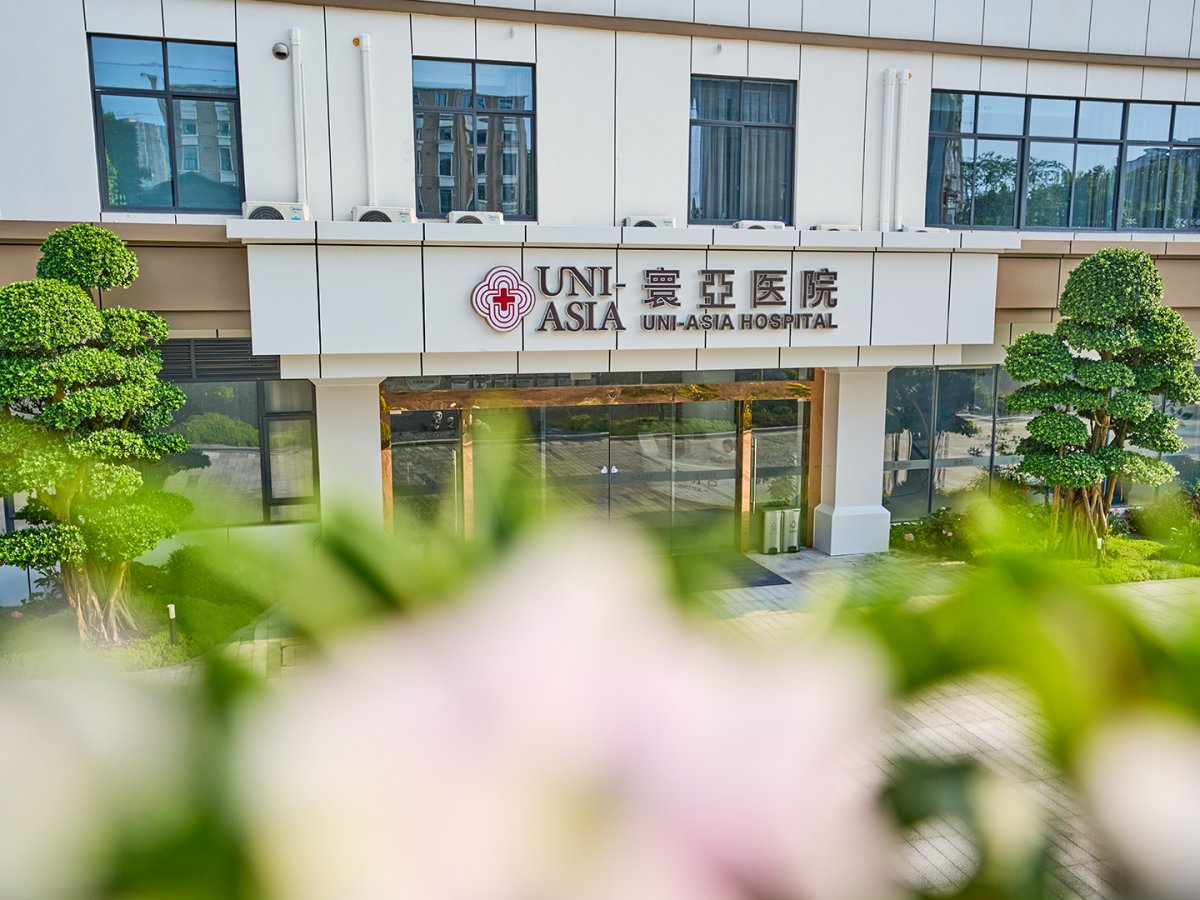
Fuda Cancer Hospital
China, Cantón


Revisado médicamente por
Fahad Mawlood
| China | España | Turquía | |
|---|---|---|---|
| Cirugía de cáncer de estómago | ≈ $14,000 | de $27,000 | de $10,500 |

Médico jefe y profesor. Experto de nivel 1 en el Centro Oncológico del West China Hospital, Sichuan University (clasificado n.º 2 en China). Completó un posdoctorado en radiología intervencionista en el Chinese PLA General Hospital. Dirige equipos multidisciplinarios (MDT) para tumores complejos. Experto en oncología intervencionista mínimamente invasiva para cánceres de hígado, pulmón y páncreas.
Acreditaciones: Miembro del consejo, WATA. Miembro de los comités de CACA y CMDA sobre in

El profesor Luo Xiaoping es un radiólogo intervencionista reconocido a nivel nacional y una autoridad destacada en el oeste de China. Comenzó a realizar intervenciones vasculares pioneras a principios de la década de 1990. Ayudó a fundar el Grupo de Intervencionismo del Segundo Hospital Afiliado de la Universidad Médica de Chongqing.
Ha realizado más de 100 000 procedimientos intervencionistas, incluidos unos 4 000 casos complejos. Sus competencias clave incluyen TACE para el carcinoma

El Dr. He Weibing es pionero de la crioablación con argón‑helio en China, con más de 20 años de práctica en primera línea. Fue miembro fundador del Hospital Oncológico Fuda (Guangzhou). Cofundó su Centro de Tratamiento Tumoral Mínimamente Invasivo y fue subdirector ejecutivo. También ayudó a crear el Grupo de Ablación de la Asociación China contra el Cáncer. Ha sido operador principal en más de 10.000 procedimientos.
Se especializa en crioablación tumoral y domina la braquiterapia con

El profesor Xiao Yueyong es médico jefe del Departamento de Radiodiagnóstico del Hospital General del EPL de China. Es un experto líder en oncología intervencionista mínimamente invasiva. Es el primer presidente de WATA (2025–). Preside la Sociedad Internacional (2020–) y la Sociedad Asiática (2012–) de Crioterapia. También es subjefe del Grupo de Expertos de la NHC sobre regulaciones de ablación tumoral (2009–).
Ha realizado más de 100 000 procedimientos mínimamente invasivos guiados
 Olena Sikoza
La metaplasia intestinal gástrica no es cáncer de estómago. Es un cambio precanceroso donde las células del revestimiento del estómago se transforman para parecerse a las células intestinales. Aunque esto aumenta el riesgo de cáncer, solo del 0,25% al 2,5% de los casos progresan a malignidad a lo largo de muchos años. La vigilancia regular mediante gastroscopia sigue siendo esencial.
Perspectiva del experto de Bookimed: Los pacientes que buscan un diagnóstico en China se benefician de centros de gran volumen como el Hospital Fuda Cancer, que ha tratado a más de 30.000 pacientes internacionales. La experiencia clínica aquí es significativa, con especialistas como el Prof. Liu Shi Xin en el Hospital Xiamen Humanity, quienes poseen honores nacionales de élite. Este alto volumen de pacientes a menudo conduce a interpretaciones de gastroscopia más precisas, lo cual es vital para distinguir entre u
La metaplasia intestinal gástrica puede revertirse completamente en algunos casos. Los datos clínicos a largo plazo muestran que la regresión es posible si se detecta a tiempo. El éxito depende de la eliminación de irritantes crónicos como las infecciones por Helicobacter pylori. La reversión completa es un proceso biológico de varios años. Esto generalmente requiere de tres a diez años de manejo.
Perspectiva del experto de Bookimed: Los datos de los pacientes indican que los centros de alto volumen como el Fuda Cancer Hospital en Guangzhou priorizan diagnósticos avanzados para problemas gástricos. Su experiencia en monitoreo oncológico sugiere que una revisión patológica precisa es el factor más crítico para los pacientes en China. Estas instalaciones acreditadas por la JCI a menudo se centran en una estadificación precisa para diferenciar entre la m
El primer paso en el tratamiento de la metaplasia gástrica es la detección y erradicación de la infección por Helicobacter pylori. Eliminar esta bacteria reduce la inflamación crónica. Esto ayuda a detener la progresión hacia cambios en los tejidos. Le da al revestimiento del estómago una oportunidad vital para sanar adecuadamente.
Perspectiva del experto de Bookimed: Si bien las pautas generales se centran en la erradicación, los centros oncológicos de China, como el Fuda Cancer Hospital, enfatizan el mapeo diagnóstico especializado. Dado que la metaplasia puede ser irregular, estos centros a menudo utilizan una gastroscopia precisa para monitorear el tejido. Solo Fuda ha atendido a más de 30,000 pacientes internacionales, lo que demuestra la experiencia de alto volumen disponible en la región.
Consenso de los
En China, la frecuencia de la gastroscopia para la metaplasia gástrica depende de su nivel de riesgo específico según la biopsia. Los pacientes de bajo riesgo generalmente requieren un examen de detección cada 3 a 5 años. Las lesiones precancerosas de alto grado o la afectación extensa requieren un control intensivo cada 3 a 6 meses para garantizar la seguridad.
Perspectiva de expertos de Bookimed: El volumen de pacientes influye en la precisión diagnóstica en China. El Fuda Cancer Hospital atiende a más de 30.000 pacientes internacionales y cuenta con la acreditación de la JCI. Este alto volumen de casos significa que especialistas como el Dr. Song Shijun ven casos complejos de metaplasia a diario. Esta experiencia ayuda a identificar cambios tisulares sutiles que los centros con menor volumen podrían pasar por alto durante los controles de rutina.
Consenso de los pacientes: Los pacientes enfa
Los hospitales chinos utilizan videoscopios de alta definición integrados con inteligencia artificial en tiempo real y tecnología de cápsula controlada magnéticamente. Estos sistemas permiten un cribado preciso de la metaplasia gástrica y las lesiones en etapa temprana. La imagen óptica avanzada y la guía robótica permiten una visualización de alta resolución sin tubos invasivos en muchos centros oncológicos especializados.
Perspectiva del experto de Bookimed: Los datos de los pacientes sugieren mirar más allá de la tecnología de endoscopia en sí al tratar la metaplasia gástrica. En centros como el Fuda Cancer Hospital, que trata a más de 30.000 pacientes internacionales, el valor radica en combinar la gastroscopia con seguimientos especializados mínimamente invasivos. Si bien hay disponible tecnología de vanguardia como las cápsulas guiadas por robot, lo
La medicina tradicional china (MTC) se utiliza con frecuencia para controlar la metaplasia intestinal gástrica en Asia Oriental. Los centros de oncología modernos a menudo combinan estas fórmulas con protocolos convencionales. Compuestos específicos como Weifuchun y Elian tienen como objetivo resolver la inflamación crónica y fomentar la reparación de la mucosa dentro del revestimiento del estómago.
Perspectiva del experto de Bookimed: Existe un patrón claro en el que los pacientes de hospitales chinos acreditados por la JCI, como el Fuda Cancer Hospital, reciben atención altamente especializada que incluye tecnologías como NanoKnife junto con tratamientos de apoyo tradicionales. Si bien más de 30.000 pacientes internacionales han visitado dichas instalaciones para recibir apoyo en etap
Proteger el revestimiento del estómago requiere eliminar irritantes químicos como los AINE y el alcohol, además de adoptar comidas más pequeñas para reducir la presión mecánica. Gestionar los riesgos bacterianos mediante la higiene ayuda a prevenir infecciones. Estos pasos minimizan la inflamación y apoyan la barrera mucosa. La constancia es vital para la salud gástrica a largo plazo y el manejo de la metaplasia.
Perspectiva del experto de Bookimed: Aunque los cambios dietéticos son esenciales, los centros de alto volumen como el Hospital Oncológico Fuda enfatizan la precisión diagnóstica. Utilizan tecnologías como la imagen de banda estrecha (NBI) durante la gastroscopia para monitorear los cambios en los tejidos. Los pacie