Metaplasia gástrica Tratamiento en Polonia — Costos 2026


Revisado médicamente por
Fahad Mawlood
¿Cuál es el precio del diagnóstico y los tratamientos de Metaplasia gástrica en Polonia? Descubra ahora
De $160. Si se requiere una intervención avanzada, la cirugía de cáncer de estómago varía de $9,500 a $15,500. Los gastos totales dependen de los resultados de la histología, la necesidad de resección quirúrgica y el nivel de acreditación de la clínica. Los pacientes ahorran entre un 60 y un 70% en comparación con los precios de EE. UU. Varsovia, Cracovia y Breslavia son los principales centros médicos.
Costos típicos del tratamiento de la metaplasia gástrica en Polonia
- Gastroscopia: de $160
- Consulta con un gastroenterólogo: de $90
- Consulta con un oncólogo: de $50
- Cirugía de cáncer de estómago: $9,500 – $15,500
Perspectiva de los expertos de Bookimed: Los pacientes de alto riesgo que necesitan un seguimiento preciso deben priorizar los centros con departamentos de diagnóstico avanzados. El Centro Europeo de Salud de Otwock es el primer hospital privado especializado en oncología de Polonia. Es ideal para casos complejos de cardio-oncología. Para los pacientes internacionales que buscan una atención simplificada, KCM Clinic ofrece paquetes especializados y estándares de calidad con certificación ISO. Estas instalaciones ofrecen un mejor valor que los hospitales generales para la vigilancia gastrointestinal crónica.
| Polonia | España | Turquía | |
|---|---|---|---|
| Cirugía de cáncer de estómago | ≈ $9,500 | de $28,500 | de $10,500 |
Sus beneficios y garantías con Bookimed
Precios directos
Bookimed no añade cargos extra a los precios de los tratamientos de Metaplasia gástrica. Las tarifas proceden de las listas de precios oficiales de las clínicas. Pagará directamente en la clínica por su tratamiento a su llegada al país.
Sólo clínicas y médicos verificados
Bookimed está comprometido con su seguridad. Solo trabajamos con las clínicas que mantienen altos estándares internacionales en el tratamiento de Metaplasia gástrica y cuentan con las licencias necesarias para atender a pacientes internacionales en todo el mundo.
Asistencia 24/7 gratuita
Bookimed ofrece asistencia experta gratuita. Un coordinador médico personal le apoya antes, durante y después de su tratamiento, resolviendo cualquier problema. Nunca estará solo en su viaje médico de tratamiento de Metaplasia gástrica.

Su coordinador médico personal de Bookimed
- Le apoya en cada etapa
- Ayuda a elegir la clínica y el médico adecuados
- Asegura un acceso rápido y conveniente a la información
Descubra las mejores clínicas de tratamiento de Metaplasia gástrica en Polonia: 2 opciones verificadas y Precios



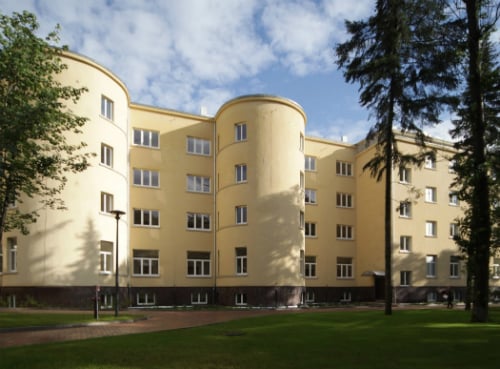
European Health Center Otwock
Compartir contenido
Historias en video de pacientes de Bookimed
 Olena Sikoza
Preguntas frecuentes sobre el tratamiento de Metaplasia gástrica en Polonia
¿Cuál es el tratamiento médico estándar para la metaplasia gástrica en las clínicas polacas?
El tratamiento médico estándar en Polonia se centra en la erradicación de Helicobacter pylori y la vigilancia endoscópica estratificada por riesgo. Las clínicas polacas siguen las directrices de la Sociedad Europea de Endoscopia Gastrointestinal para prevenir la progresión. El tratamiento implica la protección de la mucosa a largo plazo mediante inhibidores de la bomba de protones junto con modificaciones estrictas en el estilo de vida para reducir la irritación gástrica.
- Erradicación bacteriana: Los médicos utilizan una terapia cuádruple de 10 a 14 días que combina antibióticos con bismuto.
- Monitoreo endoscópico: La gastroscopia de alta definición con cromoendoscopia virtual mapea los cambios tisulares cada 1 a 3 años.
- Intervención avanzada: Los especialistas realizan una disección submucosa endoscópica para eliminar lesiones de alto riesgo sin cirugía.
- Gestión dietética: Los protocolos enfatizan la eliminación de carnes ahumadas, alcohol y alimentos picantes para sanar la mucosa.
Perspectiva del experto de Bookimed: Aunque muchos pacientes buscan atención gastroenterológica general, el Centro Europeo de Salud de Otwock destaca como el primer hospital privado de Polonia con un enfoque interdisciplinario en cardio-oncología. Esta especialización es crucial para pacientes con metaplasia extensa que requieren monitoreo a largo plazo, ya q
¿Se puede curar o revertir completamente la metaplasia gástrica?
La metaplasia gástrica es parcialmente reversible y puede estabilizarse si los factores desencadenantes subyacentes se eliminan a tiempo. La plasticidad celular permite que el daño en la mucosa regrese en un periodo de 3 a 5 años tras un tratamiento exitoso. Sin embargo, la eliminación completa en todo el revestimiento del estómago sigue siendo rara y difícil de garantizar.
- Erradicación de H. pylori: La terapia con antibióticos reduce la inflamación crónica y desencadena una regresión tisular gradual.
- Control de desencadenantes: Controlar el reflujo biliar, el daño por ácido o el uso de AINE previene la expansión de la metaplasia.
- Cambios en el estilo de vida: Dejar de fumar y evitar alimentos ricos en sal restaura un entorno mucoso saludable.
- Vigilancia regular: La gastroscopia repetida con biopsias monitorea el revestimiento para detectar cambios celulares.
Perspectiva del experto de Bookimed: Polonia es una opción estratégica para el diagnóstico gástrico debido a la alta concentración de centros especializados como el Centro Europeo de Salud de Otwock. Esta instalación es única porque integra la oncología con un Departamento de Cardio-oncología dedicado. Este enfoque multidisciplinario es vital para los pacientes con metaplasia que tienen problemas de salud secundarios. En clínicas como KCM, que atiende a 2,500 pacientes al año, el e
¿Qué protocolos de vigilancia endoscópica siguen los gastroenterólogos polacos?
Los gastroenterólogos polacos siguen las directrices de la Sociedad Europea de Endoscopia Gastrointestinal (ESGE) y las adaptaciones de la Sociedad Polaca de Gastroenterología (PTG-E). Los pacientes con metaplasia gástrica extensa en el antro y el cuerpo se someten a una gastroscopia cada 3 años. Las bases de datos nacionales integradas garantizan un seguimiento estandarizado de las lesiones gástricas precancerosas.
- Frecuencia de vigilancia: La metaplasia extensa requiere una endoscopia superior cada 3 años para su seguimiento.
- Hallazgos localizados: La metaplasia limitada al antro normalmente no requiere seguimiento endoscópico programado.
- Tecnología de diagnóstico: Los especialistas utilizan cromoendoscopia virtual de alta definición para biopsias de mucosa precisas y dirigidas.
- Categorización de pacientes: Los intervalos de seguimiento dependen de los factores de riesgo histológicos y del estado de erradicación de H. pylori.
Perspectiva de expertos de Bookimed: Las señales de calidad en la atención gástrica en Polonia a menudo están vinculadas a la experiencia interdisciplinaria. El Centro Europeo de Salud de Otwock opera el único departamento de cardio-oncología del país. Esta especialización refleja un estándar más alto para el manejo de riesgos oncológicos en pacientes complejos. Los pacientes deben priorizar las clínicas con depa
¿Qué sucede si la metaplasia gástrica progresa a displasia?
La progresión de la metaplasia gástrica a displasia marca un cambio hacia un estado precanceroso donde las células del estómago se vuelven anormales. La displasia de alto grado conlleva un riesgo del 60% al 85% de convertirse en adenocarcinoma. Esta transición requiere una intervención clínica proactiva, como la resección endoscópica o una vigilancia rigurosa mediante biopsias de mapeo.
- Riesgo de cáncer: La displasia de alto grado a menudo progresa a cáncer de estómago invasivo en el plazo de 1 año.
- Cambio de tratamiento: Los médicos pasan de la simple monitorización a procedimientos de resección mucosa endoscópica (RME).
- Cambio biológico: Las células experimentan mutaciones estructurales y genéticas significativas, siguiendo la vía de la Cascada de Correa.
- Frecuencia de vigilancia: Los pacientes requieren gastroscopias frecuentes con biopsias de mapeo para rastrear cambios celulares adicionales.
Perspectiva del experto de Bookimed: Los centros oncológicos polacos como el European Health Center Otwock brindan atención interdisciplinaria especializada para casos complejos. Si bien muchas clínicas se centran en la cirugía general, encontrar un centro con departamentos dedicados de cardio-oncología es vital para pacientes con afecciones cardíacas subyacentes. Los datos sugieren que las clínicas de alto volumen como KCM Clinic, que atiende
¿Qué cambios en la dieta y el estilo de vida debo hacer durante el tratamiento de la metaplasia?
Los cambios en la dieta y el estilo de vida para la metaplasia gástrica se centran en reducir la irritación de la mucosa y la inflamación celular. Los gastroenterólogos polacos enfatizan una dieta baja en sal y basada en plantas, rica en antioxidantes como las vitaminas C y E. Los pacientes deben eliminar el tabaco y el alcohol. Estos factores aceleran significativamente los cambios celulares anormales en el revestimiento gástrico.
- Reducción de sodio: Limite los alimentos procesados y la sal para ralentizar la progresión del tejido gástrico.
- Ingesta de antioxidantes: Coma bayas frescas, verduras de hoja verde y pimientos para la reparación celular.
- Frecuencia de las comidas: Cambie a 5 o 6 comidas pequeñas para evitar la sobreproducción de ácido.
- Evitar irritantes: Elimine los alimentos fritos, la cafeína y los AINE como el ibuprofeno para proteger el revestimiento.
Perspectiva del experto de Bookimed: Si bien los cambios dietéticos son esenciales, los centros oncológicos polacos como el European Health Center Otwock enfatizan la vigilancia diagnóstica regular. Nuestros datos muestran que las mejores clínicas integran la atención cardio-oncológica interdisciplinaria. Esto garantiza que el manejo de la inflamación gástrica no afecte negativamente a los pacientes con problemas cardiovasculares existentes durante los tratamientos intensivo
¿Qué tan alta es la calidad de la neurocirugía en Polonia?
La neurocirugía en Polonia ofrece atención de alta calidad en centros con certificación JCI e ISO. Los neurocirujanos polacos se adhieren a estrictos estándares de formación adoptados por la Unión Europea. Muchos han completado becas en Estados Unidos o Alemania. Tecnologías avanzadas, como CyberKnife, Gamma Knife y sistemas robóticos, están ampliamente disponibles en centros privados.
- Cualificaciones especializadas: Los médicos suelen ser miembros de la Asociación Europea de Sociedades de Neurocirugía.
- Tecnologías avanzadas: Las clínicas utilizan sistemas CyberKnife y ultrasonido enfocado guiado por resonancia magnética para el tratamiento cerebral no invasivo.
- Volumen clínico: Centros líderes como el Hospital Universitario de Cracovia tratan a más de 455.000 pacientes al año.
- Cirujanos experimentados: El Dr. Maciej Bujko del Hospital Carolina ha realizado más de 2.500 cirugías por su cuenta.
Opinión experta de Bookimed: Los datos muestran una fuerte correlación entre la especialización de una clínica y el origen de sus pacientes. La Clínica KCM atiende a más de 700 pacientes internacionales al año. Se especializa en cirugía de columna mínimamente invasiva. Este volumen de trabajo le permite ofrecer paquetes de servicios especializados, que a menudo incluyen bloques de diagnóstico e implantes específicos, como el DIAM de Medtronic.
¿Cuáles son las cualificaciones de los neurocirujanos polacos?
Los neurocirujanos polacos son especialistas altamente cualificados que han completado al menos 13 años de rigurosa formación médica. Esto incluye seis años de estudios de medicina, 13 meses de prácticas y seis años de residencia. Deben aprobar el Examen Estatal de Especialización (PES) y suelen estar certificados por la Asociación Europea de Sociedades de Neurocirugía (EANS).
- Educación: Los médicos reciben educación médica (medicina) después de 6 años de estudio en la universidad.
- Especialización: La residencia incluye 6 años de formación modular en neurocirugía clínica y neurorradiología.
- Volumen quirúrgico: Los residentes a menudo realizan más de 1.000 cirugías, lo que excede el volumen de capacitación promedio en otras regiones.
- Certificados: Muchos especialistas son miembros de AO Spine o de la Sociedad Polaca de Cirugía de Columna.
Opinión experta de Bookimed: Los datos muestran que los neurocirujanos polacos suelen especializarse en tecnologías altamente especializadas, como el sistema ApiFix o el sistema de endoscopia lumbar SED-YESS. Especialistas como el Dr. Stanisław Kwek, de la Clínica KCM, combinan la investigación postdoctoral con una práctica quirúrgica activa. Esta combinación de profundos conocimientos académicos y un alto volumen quirúrgico los hace especialmente eficaces en cirugías de columna complejas y mínimamente in
¿Cuáles son las mejores clínicas neuroquirúrgicas en Polonia?
Entre las mejores clínicas neuroquirúrgicas de Polonia se encuentran el Hospital Carolina, la Clínica KCM y centros académicos de primer nivel como el Hospital Universitario de Cracovia. Estas instituciones ofrecen tratamientos de vanguardia para enfermedades de la columna vertebral y el cerebro que cumplen con los estándares de calidad ISO y emplean a especialistas miembros de organizaciones internacionales como AO Spine.
- Hospital Carolina: Centro Médico de Excelencia FIFA, especializado en cirugías de columna complejas y mínimamente invasivas.
- Clínica KCM: Reconocida internacionalmente por la calidad de sus procedimientos endoscópicos de columna, atendiendo a más de 700 pacientes internacionales anualmente.
- Hospital Universitario de Cracovia: un gran centro multidisciplinario que realiza más de 800 operaciones neuroquirúrgicas al año desde 1788.
- Luxmed: un reconocido centro médico privado en Varsovia especializado en cirugía de columna avanzada para pacientes internacionales.
Opinión experta de Bookimed: Si bien muchos buscan los hospitales más grandes, los datos muestran que clínicas como el Hospital Carolina ofrecen mayor eficiencia para cirugías electivas. Con más de 40 médicos especialistas en este centro de 30 camas, la proporción médico-paciente es significativamente mayor que en los centros universitarios públicos. Esto se traduc
¿Qué procedimientos neuroquirúrgicos se realizan con más frecuencia en Polonia?
En Polonia, la neurocirugía se centra principalmente en cirugías de columna y extirpación de tumores cerebrales. Los hospitales realizan con frecuencia microdiscectomías, fusiones espinales y estimulación cerebral profunda. Centros como el Hospital Carolina y la Clínica KCM utilizan técnicas mínimamente invasivas para tratar hernias discales, lesiones de columna y trastornos neurológicos complejos.
- Cirugía de columna: La discectomía y la laminectomía son tratamientos comunes para los discos herniados.
- Neurooncología: Los especialistas realizan cirugías para extirpar tumores cerebrales utilizando equipos modernos como la tecnología CyberKnife.
- Neurocirugía funcional: la estimulación cerebral profunda (ECP) se utiliza ampliamente para los trastornos del movimiento.
- Técnicas mínimamente invasivas: Los cirujanos utilizan técnicas endoscópicas para descomprimir la columna y tratar tumores pituitarios.
Opinión experta de Bookimed: Polonia se ha convertido en un centro de estabilización espinal especializada. Clínicas como el Hospital Carolina colaboran con equipos deportivos nacionales, lo que refleja su alto nivel de experiencia en el tratamiento de lesiones espinales complejas. Nuestros datos muestran que estas instituciones suelen integrar la rehabilitación directamente en el tratamiento quirúrgico. Esta combinación reduce el riesgo de compl
¿Está disponible la rehabilitación neurológica?
La rehabilitación neurológica está ampliamente disponible en Polonia a través de centros especializados y hospitales multidisciplinarios. Los programas abarcan la recuperación tras un accidente cerebrovascular, una lesión medular y enfermedades degenerativas. Instituciones como el Hospital Karolina de Varsovia y la Clínica KCM ofrecen terapia supervisada. La mayoría de los programas neuroquirúrgicos incluyen una evaluación inicial de rehabilitación postoperatoria.
- Terapias disponibles: Los programas incluyen neurofisioterapia, terapia ocupacional y terapia del habla.
- Instituciones líderes: El Hospital Carolina y el Centro Médico ENEL-MED en Varsovia ofrecen rehabilitación.
- Personal calificado: Neurofisioterapeutas especializados trabajan con neurocirujanos para crear planes de tratamiento individualizados.
- Alcance: La rehabilitación tiene como objetivo restaurar la movilidad, el equilibrio y las funciones cognitivas después de intervenciones quirúrgicas complejas.
Opinión experta de Bookimed: Los datos muestran que las clínicas con una gran afluencia de pacientes internacionales, como la Clínica KCM, suelen incluir rehabilitación básica en sus paquetes quirúrgicos. Esto supone una ventaja significativa, ya que coordinar la neurorrehabilitación de forma independiente en Polonia puede ser complicado. Elegir una clínica con un especialista e