Tratamiento de Metaplasia gástrica en Austria — obtenga 3 coincidencias personalizadas de clínicas


Revisado médicamente por
Fahad Mawlood
Cómo funciona
¿Cuál es el precio del diagnóstico y los tratamientos de Metaplasia gástrica en Austria? Descubra ahora
De $500. Los gastos totales dependen de la progresión de la afección, la elección de la clínica y las consultas con especialistas requeridas. La mayoría de las instalaciones médicas avanzadas se encuentran en Viena, Graz y Salzburgo.
Costos típicos del tratamiento de la metaplasia gástrica en Austria
- Consulta con un gastroenterólogo: de $140
- Consulta con un oncólogo: de $260
- Gastroscopia: de $500
- Cirugía de cáncer de estómago: $24,000 – $37,000
Perspectiva de expertos de Bookimed: Los pacientes que requieren un seguimiento preciso deben priorizar las clínicas con especialistas afiliados a universidades. Wiener Privatklinik cuenta con más de 400 médicos, incluidos profesores de la Universidad Médica de Viena. Para los casos que requieren intervención quirúrgica, el Hospital Privado Döbling informa tasas de complicaciones por debajo de los valores nominales. Esto lo convierte en una opción confiable para procedimientos estomacales complejos. El Prof. Dr. Wolfgang Köstler ofrece experiencia oncológica especializada para casos de metaplasia de mayor riesgo.
| Austria | España | Turquía | |
|---|---|---|---|
| Cirugía de cáncer de estómago | ≈ $24,000 | de $28,500 | de $10,500 |
Descubra las mejores clínicas de tratamiento de Metaplasia gástrica en Austria: 2 opciones verificadas y Precios
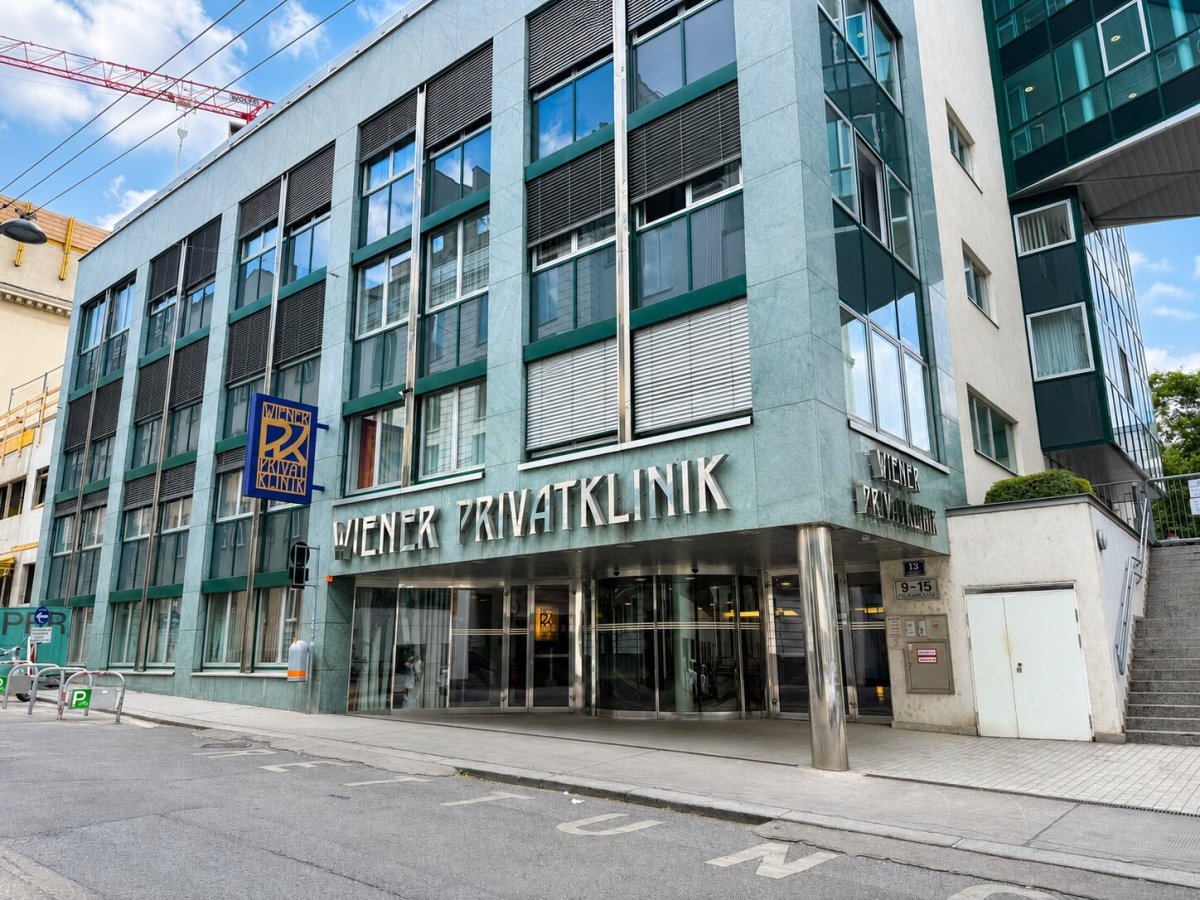





Obtenga una evaluación médica para Metaplasia gástrica en Austria: consulte con doctores experimentados ahora
Ver todos los médicos
Wolfgang Köstler
Un oncólogo austriaco líder especializado en terapia sistémica y personalizada. El Prof. Köstler aporta más de _doctor_1748_ años de experiencia en atención oncológica experta a la Wiener Privatklinik.
- Autoridad internacional en tratamientos dirigidos e inmunoterapia
- Se centra en el cáncer de mama y ginecológico
- Consultor senior y ex subdirector de Oncología en la Universidad Médica de Viena
- Profesor asociado dedicado a la investigación de biomarcadores y biología tumoral
Compartir contenido
Historias en video de pacientes de Bookimed
 Olena Sikoza
Preguntas frecuentes sobre el tratamiento de Metaplasia gástrica en Austria
¿La metaplasia gástrica es un signo de cáncer?
La metaplasia gástrica no es cáncer, sino una lesión precancerosa. Las células normales del estómago se transforman en células similares a las intestinales debido a la irritación crónica. Esta condición aumenta el riesgo de desarrollar cáncer de estómago. Sin embargo, más del 99 % de los pacientes con metaplasia gástrica no desarrollan cáncer cada año.
- Tasa de progresión: La tasa anual de progresión del cáncer sigue siendo baja, oscilando entre el 0,1% y el 0,9%.
- Factores de riesgo: La metaplasia incompleta tipo III y la infección por Helicobacter pylori aumentan el riesgo.
- Seguimiento: Los médicos recomiendan realizar gastroscopias y biopsias periódicas para controlar los cambios celulares.
- Experiencia austriaca: los especialistas de la clínica privada Wiener Privatklinik ofrecen protocolos individualizados de detección precoz del cáncer.
Opinión experta de Bookimed: Austria es un centro de diagnóstico integral. La Clínica Privada de Viena y el Hospital Privado de Döbling aplican los estándares de seguridad JCI. Estos centros emplean a más de 400 médicos, muchos de ellos profesores de la Universidad Médica de Viena. Esta sólida formación académica garantiza un análisis histológico preciso de la metaplasia, fundamental para la prevención precoz del cáncer.
Comentarios de los pacientes: Los pacientes informan que la
¿Cuál es el tratamiento de primera línea para la metaplasia gástrica?
El tratamiento principal para la metaplasia gástrica es la erradicación de la infección por Helicobacter pylori. Los médicos utilizan un tratamiento de 7 a 14 días con antibióticos e inhibidores de la bomba de protones. Este enfoque detiene la inflamación crónica y reduce significativamente el riesgo de progresión a cáncer gástrico.
- Erradicación bacteriana: La terapia antibiótica triple o cuádruple estándar elimina el patógeno bacteriano subyacente.
- Control de la inflamación: Los inhibidores de la bomba de protones reducen la acidez estomacal, lo que favorece la cicatrización de la mucosa gástrica.
- Modificación de los factores de riesgo: Los cambios en el estilo de vida, como dejar de fumar y seguir una dieta baja en sal, pueden prevenir un mayor daño celular.
- Vigilancia endoscópica: Se realiza un examen gastroscópico periódico a pacientes de alto riesgo cada 1-3 años.
Opinión de expertos de Bookimed: Si bien muchos se centran en la enfermedad en sí, especialistas austriacos como el Dr. Wolfgang Köstler hacen hincapié en el diagnóstico molecular. Centros como la Wiener Privatklinik utilizan datos de biopsias para desarrollar enfoques sistémicos individualizados. Esto es crucial, ya que el tratamiento de la metaplasia implica una estratificación del riesgo a largo plazo. Los datos clínicos muestran que grandes centros como el Hospital Priv
¿Con qué frecuencia tendré que someterme a una endoscopia de seguimiento en Austria?
En Austria, los pacientes con metaplasia gástrica suelen requerir una endoscopia de seguimiento cada tres años. Los especialistas de centros como la Wiener Privatklinik ajustan este intervalo según la gravedad de las alteraciones tisulares. La identificación de factores de alto riesgo o antecedentes familiares positivos puede conllevar un seguimiento más frecuente, cada uno o dos años.
- Intervalo de seguimiento: El seguimiento estándar de la gastritis atrófica crónica se realiza cada 3 años.
- Seguimiento de alto riesgo: Si la metaplasia o la displasia son extensas, pueden ser necesarios exámenes anuales.
- Guías clínicas: Los médicos siguen los protocolos de la Sociedad Austriaca de Gastroenterología y Hepatología (ÖGGH).
- Herramientas de diagnóstico: La gastroscopia con biopsia de mapeo proporciona un seguimiento preciso de los cambios celulares.
Opinión de expertos de Bookimed: Si bien las recomendaciones generales sugieren un seguimiento de 3 años, nuestros datos muestran que los pacientes en grandes centros como el Hospital Privado Döbling suelen recibir un tratamiento más personalizado. Si la biopsia inicial revela cambios significativos, los cirujanos pueden programar una revisión a los 6 meses para asegurar la estabilidad de la patología. Este enfoque proactivo ayuda a identificar cualquier progresión de la displasia en una etapa tempra
¿Cuál es la diferencia entre metaplasia completa e incompleta?
La metaplasia completa implica la transformación total de las células gástricas en tejido organizado similar al intestino delgado. La metaplasia incompleta da lugar a células desorganizadas y poco diferenciadas, similares a las del colon. La metaplasia incompleta se asocia con un riesgo de cáncer significativamente mayor que la metaplasia completa.
- Madurez celular: La metaplasia completa se caracteriza por células bien diferenciadas con bordes claros y estructurados.
- Marcadores intestinales: en la forma completa, se observan microvellosidades de absorción claramente definidas, mientras que en la forma incompleta están ausentes.
- Células de Paneth: Estas células inmunitarias especializadas están presentes en la metaplasia completa, pero son raras en la metaplasia incompleta.
- Riesgo de progresión: La metaplasia incompleta aumenta el riesgo de cambios malignos en un factor de 4.
Opinión experta de Bookimed: En Austria, la precisión diagnóstica suele depender de importantes centros oncológicos como la Clínica Privada de Viena y el Hospital Privado de Döbling. Los datos muestran que estas clínicas se benefician del trabajo de numerosos profesores de la Universidad Médica de Viena. Por ejemplo, el Dr. Wolfgang Köstler se especializa en terapia sistémica individualizada y desarrollo de biomarcadores. Este nivel de especialización es fundamental p
¿Es posible curar o revertir por completo la metaplasia gástrica?
La metaplasia gástrica sigue siendo objeto de debate. Los datos clínicos indican que es posible una reversión parcial o completa. La eliminación de irritantes gástricos, como Helicobacter pylori, y la inflamación crónica desencadenan la regresión. Las intervenciones específicas pueden detener la progresión. El seguimiento regular garantiza que los pacientes se mantengan por debajo del umbral de alto riesgo de desarrollar cáncer gástrico.
- Erradicación de Helicobacter pylori: La erradicación de esta bacteria promueve significativamente la curación de la mucosa y puede revertir los cambios iniciales.
- Corrección dietética: Las altas dosis de vitamina C y ácido fólico ayudan a que la mucosa del estómago se recupere de la infección.
- Controlar la inflamación: Reducir el reflujo ácido y evitar la sal, el tabaco y el alcohol favorecen la reparación de los tejidos.
- Extracción endoscópica: Si es necesario, los cirujanos utilizan la resección de la mucosa para extirpar físicamente las células anormales desarrolladas.
Opinión experta de Bookimed: Las clínicas de Austin, como Wiener Privatklinik, cuentan con un amplio equipo de más de 400 médicos, muchos de ellos profesores de la Universidad Médica de Viena. Esta sólida formación académica garantiza que los pacientes reciban los protocolos de regresión celular más avanzados. Si bien algunos consideran
¿Hay algún alimento en particular que deba evitar para reducir el riesgo de que mi enfermedad progrese?
Para reducir el riesgo de progresión de la metaplasia gástrica, es fundamental evitar estrictamente las carnes procesadas que contienen conservantes químicos. Asimismo, es importante minimizar el consumo de alimentos ultraprocesados, bebidas azucaradas y carbohidratos refinados. Estos alimentos contribuyen a la inflamación crónica y al daño celular. Los expertos en Austria también destacan la importancia de eliminar los irritantes estomacales como el alcohol y el tabaco.
- Carnes procesadas: Evite el tocino, las salchichas y los embutidos que contengan nitratos o tengan un alto contenido de sal.
- Cereales refinados: Limite su consumo de pan blanco y arroz para evitar picos de insulina.
- Bebidas azucaradas: Evite los refrescos y las bebidas energéticas para reducir la inflamación sistémica.
- Irritantes estomacales: Reduzca el consumo de alimentos muy picantes y bebidas ácidas como el café.
Opinión de expertos de Bookimed: Los pacientes que acuden a clínicas como la Vienna Privatklinik suelen pasar por alto que el momento de las comidas es tan importante como la selección de los alimentos. Nuestros datos demuestran que los principales gastroenterólogos de Viena priorizan las comidas pequeñas y frecuentes sobre las porciones abundantes. Este enfoque reduce el impacto del ácido estomacal y favorece la cicatrización de los tejidos. El Dr. Wolfgang
¿Existen suplementos científicamente probados que favorezcan la salud de las mucosas?
La evidencia clínica respalda la eficacia de varios suplementos para el cuidado de la mucosa gastrointestinal. La carnosina de zinc estabiliza las membranas gástricas. La L-glutamina nutre los enterocitos, manteniendo la integridad de las uniones estrechas. El regaliz desglicirrizado (DGL) estimula la producción de mucina protectora. Estos nutrientes específicos ayudan a fortalecer la barrera del organismo contra el ácido estomacal y los patógenos.
- Carnosina de zinc: reduce la permeabilidad de la mucosa en un 30% después de 8 semanas de uso.
- L-glutamina: Aumenta los niveles de proteínas importantes como la ZO-1 para reducir la permeabilidad intestinal.
- DGL: Favorece la formación de una capa protectora de glicoproteínas sin los efectos secundarios asociados al regaliz común.
- Vitamina D: Regula la barrera mucosa del sistema inmunitario y mantiene la homeostasis de dicha barrera.
Opinión de expertos de Bookimed: En Austria, los pacientes suelen beneficiarse de un enfoque centrado en el diagnóstico en centros como la Clínica Privada de Viena. Nuestros datos demuestran que los oncólogos más destacados, incluido el Dr. Wolfgang Köstler, primero descartan problemas subyacentes como la infección por Helicobacter pylori antes de iniciar la suplementación. Si bien los suplementos favorecen la recuperación, una gastroscopia profesional garantiza el