Hipertensión Tratamiento en China — Costos 2026


Revisado médicamente por
Fahad Mawlood
¿Cuál es el precio del diagnóstico y los tratamientos de Hipertensión en China? Descubra ahora
| China | España | Turquía | |
|---|---|---|---|
| Aféresis de LDL | ≈ $700 | ≈ $1,100 | ≈ $450 |
Sus beneficios y garantías con Bookimed
Precios directos
Bookimed no añade cargos extra a los precios de los tratamientos de Hipertensión. Las tarifas proceden de las listas de precios oficiales de las clínicas. Pagará directamente en la clínica por su tratamiento a su llegada al país.
Sólo clínicas y médicos verificados
Bookimed está comprometido con su seguridad. Solo trabajamos con las clínicas que mantienen altos estándares internacionales en el tratamiento de Hipertensión y cuentan con las licencias necesarias para atender a pacientes internacionales en todo el mundo.
Asistencia 24/7 gratuita
Bookimed ofrece asistencia experta gratuita. Un coordinador médico personal le apoya antes, durante y después de su tratamiento, resolviendo cualquier problema. Nunca estará solo en su viaje médico de tratamiento de Hipertensión.

Su coordinador médico personal de Bookimed
- Le apoya en cada etapa
- Ayuda a elegir la clínica y el médico adecuados
- Asegura un acceso rápido y conveniente a la información
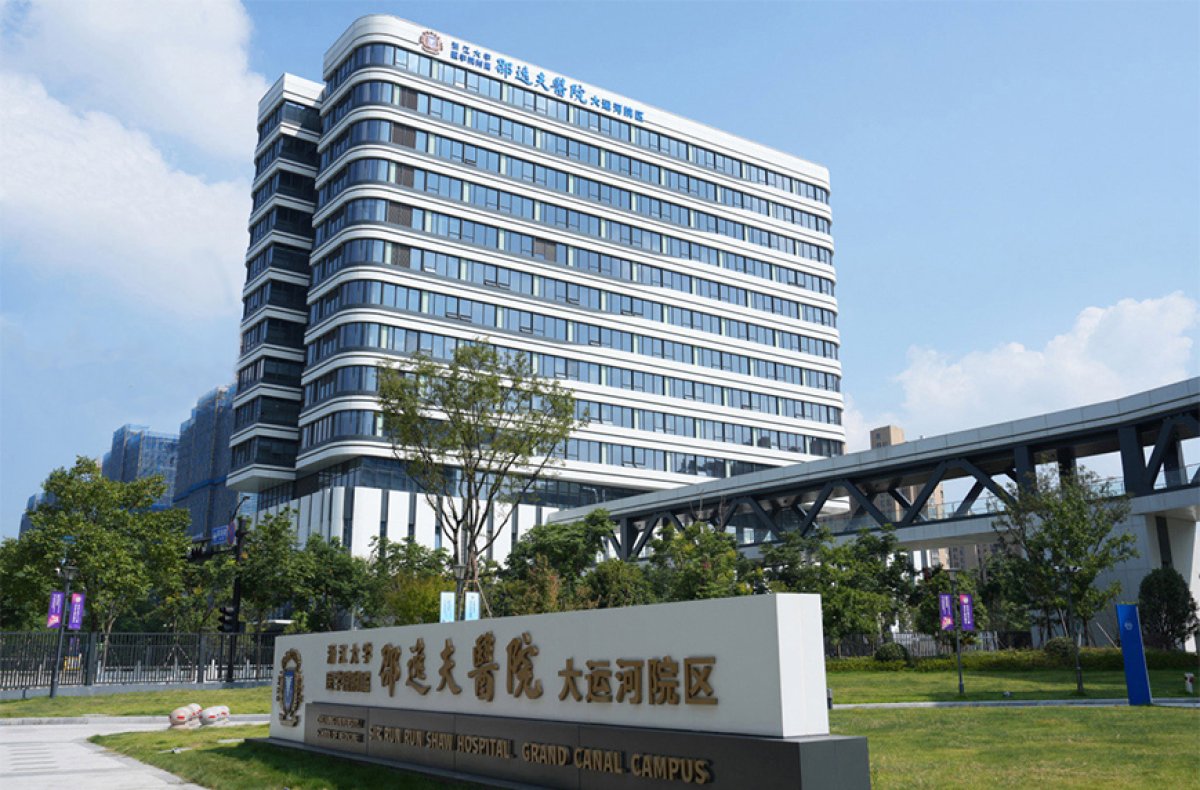
Descubra las mejores clínicas de tratamiento de Hipertensión en China: 2 opciones verificadas y Precios



Obtenga una evaluación médica de tratamiento de Hipertensión en China: haga una consulta con 8 médicos experimentados ahora
Ver todos los médicos
Xu Juntang
El Dr. Xu Juntang, MD, es investigador posdoctoral, médico jefe y tutor de maestría. Es director de Medicina Cardiovascular del Xiamen Humanity Hospital. Su labor se centra en la prevención y el tratamiento de enfermedades cardiovasculares y trombóticas, entre ellas la cardiopatía coronaria, la hipertensión, la insuficiencia cardíaca, las arritmias y las emergencias. Es experto en pruebas de biomarcadores cardiovasculares.
Brinda atención estandarizada para el tromboembolismo asociado

Zheng Yin

Shu Yue
JIANG Dongmei
Compartir contenido
Historias en video de pacientes de Bookimed
 Olena Sikoza
Preguntas frecuentes sobre el tratamiento de Hipertensión en China
¿Cuál es el umbral oficial de presión arterial para diagnosticar la hipertensión en China?
En China, el umbral oficial de presión arterial es de 140/90 mmHg. El diagnóstico requiere al menos tres mediciones clínicas independientes. Las directrices chinas mantienen este estándar, a pesar de que se ha reducido en otros países. Los médicos clasifican las lecturas de 120–139/80–89 mmHg como el límite superior de la normalidad, o prehipertensión.
- Medición clínica: El diagnóstico se realiza cuando la presión sistólica es de 140 mmHg o superior.
- Control domiciliario: El umbral de presión arterial para la medición en el hogar es de 135/85 mmHg.
- Presión arterial media de 24 horas: Un promedio de 130/80 mmHg durante 24 horas confirma la presencia de hipertensión.
- Clasificación grave: la hipertensión de estadio 3 comienza con una presión de 180/110 mmHg y requiere atención médica de urgencia.
Opinión de expertos de Bookimed: China utiliza un sistema sanitario singular de dos niveles. Las principales instituciones médicas, como el Hospital Internacional Yanda, atienden a 2.500.000 pacientes al año. Combinan protocolos occidentales con enfoques tradicionales chinos. Este elevado volumen de casos permite a los médicos tratar casos complejos. Los pacientes suelen encontrar unidades especializadas para el tratamiento de la hipertensión en grandes hospitales de categoría A y nivel III.
Comentarios de los pacientes: Los p
¿Cuáles son los medicamentos más comúnmente recetados para la hipertensión en China?
Los bloqueadores de los canales de calcio (BCC), como la amlodipina, y los bloqueadores de los receptores de angiotensina II (BRA) son los pilares del tratamiento de la hipertensión en China. Los BCC representan más del 55 % de todas las recetas. Estos medicamentos son eficaces para reducir la presión arterial en personas mayores. La mayoría de los pacientes reciben monoterapia con medicamentos genéricos.
- Bloqueadores de los canales de calcio: Amlodipino y nifedipino son los principales fármacos que se prescriben en los hospitales urbanos.
- Los bloqueadores de los receptores de angiotensina, como el valsartán y el irbesartán, pertenecen a la principal clase de fármacos de segunda línea.
- Protocolos combinados: Los médicos suelen combinar diuréticos con bloqueadores de los receptores de angiotensina II o bloqueadores de los canales de calcio para el tratamiento precoz.
- Medicina tradicional: Los medicamentos patentados chinos, como Tianma Gouteng, se utilizan para casos leves.
- Opción rentable: Los hospitales públicos dan prioridad a los medicamentos genéricos, como el lisinopril, para reducir los costes para los pacientes.
Opinión de expertos de Bookimed: El flujo anual de pacientes en centros importantes como el Hospital Internacional de Yanda alcanza los 2.500.000. Esta enorme escala conlleva el uso generalizado de
¿Qué enfoque dietético se recomienda para los pacientes con hipertensión en China?
En China, la dieta china para la salud del corazón (CHH, por sus siglas en inglés) se recomienda para pacientes con hipertensión. Este enfoque reduce la ingesta de sodio a menos de 5 gramos al día y hace hincapié en el potasio, la fibra y las proteínas de origen vegetal. Estudios clínicos demuestran que reduce la presión arterial sistólica en 10 mmHg en cuatro semanas.
- Restricciones en la ingesta de sodio: Limite la ingesta diaria de sal a menos de 5 g por persona.
- Dieta basada en plantas: Consuma 500 g de verduras al día, centrándose en las verduras de hoja verde oscuro.
- Fuentes de proteínas: Elija productos de soja como el tofu, pescado fresco y productos lácteos bajos en grasa.
- Opciones de cereales: Sustituya el arroz blanco refinado por trigo sarraceno, mijo o maíz integral.
Opinión de expertos de Bookimed: El Hospital Internacional Yanda en Pekín tiene la categoría III A, el nivel más alto de atención médica en China. Su capacidad para atender a 2.500.000 pacientes anualmente demuestra la alta cualificación de su personal. Los grandes centros suelen implementar protocolos nutricionales estandarizados con mayor rapidez que las instituciones más pequeñas. Los pacientes deben buscar hospitales acreditados por la JCI para garantizar que estas directrices dietéticas cumplan con los estándares internacionales de seguridad.
C
¿Puede la Medicina Tradicional China (MTC) reemplazar los fármacos antihipertensivos occidentales convencionales?
La evidencia médica moderna confirma que la medicina tradicional china funciona como terapia complementaria. Rara vez reemplaza por completo los medicamentos antihipertensivos occidentales convencionales. Los hospitales chinos integran métodos tradicionales, como la acupuntura, con protocolos occidentales para lograr un mejor control de la presión arterial. Este enfoque dual suele reducir los efectos secundarios en comparación con el uso de medicamentos individuales.
- Función en el tratamiento: Se recomienda su uso como terapia complementaria a los medicamentos occidentales estándar.
- Eficacia clínica: En casos graves, la eficacia de los fármacos de la medicina tradicional china (MTC) como monoterapia es menor que la de los fármacos occidentales.
- Hipertensión leve: Preparaciones especiales como Songling Xuemaikang muestran potencial para el tratamiento de casos leves de hipertensión.
- Estado de la evidencia: Existe una falta de evidencia proveniente de estudios a gran escala sobre el uso de la medicina tradicional china para la prevención a largo plazo de los accidentes cerebrovasculares.
Opinión de los expertos de Bookimed: Los datos de los principales centros médicos chinos, como el Hospital Internacional Yanda, muestran una marcada tendencia hacia un enfoque híbrido del tratamiento. Estas instituciones de categoría A III atienden a más de
¿Cómo debo controlar mi presión arterial en casa cuando viajo o entre visitas al médico?
Para medir la presión arterial con precisión, necesita un tensiómetro automático de brazo de eficacia comprobada que pueda usar dos veces al día. Mídase la presión arterial por la mañana, antes de tomar medicamentos, y por la noche. Descanse cinco minutos antes de la medición. Asegúrese de que el brazalete se ajuste correctamente a su brazo para evitar resultados inexactos durante los viajes.
- Preparación: Evite la cafeína, el tabaco y el ejercicio 30 minutos antes de tomar las mediciones.
- Postura corporal: Siéntese derecho, coloque los pies en el suelo y mantenga las manos a la altura del corazón.
- Registro de datos: Registre cada lectura en una aplicación o cuaderno específico para su médico.
- Verificación del rendimiento del dispositivo: Utilice dispositivos con certificación clínica para garantizar la precisión y realizar un seguimiento eficaz de las tendencias de salud a largo plazo.
Opinión de expertos de Bookimed: Los grandes centros médicos, como el Hospital Internacional Yanda en Pekín, atienden a 2.500.000 pacientes al año. La magnitud de estos centros subraya la necesidad de mantener registros de datos personales actualizados antes de las citas. Los médicos de estos centros, con tanta actividad, pueden ajustar el tratamiento con mayor rapidez y precisión si disponen de información clara sobre las tendencias. Un registro escrito o
¿Existen ejercicios chinos especiales que ayuden a bajar la presión arterial?
Se ha demostrado científicamente que los ejercicios tradicionales chinos, como el tai chi y el qigong, reducen la presión arterial. Estas prácticas, que se centran en la conexión entre el cuerpo y la mente, utilizan movimientos lentos y respiración profunda. Activan el sistema nervioso parasimpático, lo que reduce los niveles de hormonas del estrés y dilata los vasos sanguíneos, mejorando así la circulación de forma natural.
- Tai Chi Chuan: Reduce eficazmente la presión arterial sistólica mediante movimientos meditativos y estructurados.
- Baduanjin Qigong: Mejora la función vascular mediante la antigua técnica de "brocado" de ocho secciones.
- Daoyinyanshengshu: Muy valorado por su capacidad para reducir selectivamente la presión arterial diastólica.
- Lujijue: Utiliza seis sonidos curativos para mejorar la eficiencia del corazón.
Opinión experta de Bookimed: Las principales instituciones médicas de China están tendiendo puentes entre la medicina tradicional y la moderna. El Hospital Internacional Yanda de Pekín combina protocolos internacionales con enfoques tradicionales. Acreditado por la Joint Commission International, este centro atiende a 2.500.000 pacientes anualmente. Nuestros datos demuestran que los grandes centros integran estos métodos en sus planes de tratamiento clínico. Este enfoque proporciona un entorno más seguro par
¿Los pacientes tienen acceso a sustitutos de la sal si necesito sal enriquecida con potasio durante mi estancia en el hospital?
Los hospitales chinos regulan estrictamente el uso de sustitutos de la sal debido a los riesgos potenciales, como la hiperpotasemia. Para acceder a ellos se requiere receta médica y aprobación de un dietista del hospital. Instituciones como el Hospital Internacional Yanda priorizan la monitorización clínica sobre la autoadministración de suplementos dietéticos por motivos de seguridad.
- Supervisión sanitaria: La sal fortificada con potasio se considera un aditivo alimentario o un medicamento.
- Prioridad clínica: Los médicos regulan los niveles de potasio con suplementos intravenosos u orales.
- Control dietético: Los dietistas incluyen sustitutos aprobados en planes de comidas especiales bajos en sodio.
- Protocolos de seguridad: No se recomienda el uso de sustitutos en pacientes con enfermedad renal o que estén tomando ciertos medicamentos.
- Normas estrictas: Los hospitales generalmente prohíben introducir alimentos no autorizados para prevenir interacciones medicamentosas.
Opinión experta de Bookimed: En grandes centros como el Hospital Internacional Janda, la atención al paciente se centra en la alta eficiencia y el manejo de grandes volúmenes. Estas clínicas de categoría A III atienden a más de 2.500.000 pacientes al año. Se basan en protocolos estandarizados en lugar de recomendaciones dietéticas individualizadas.