Hipertensión en Alemania: las 17 mejores clínicas para su tratamiento


Revisado médicamente por
Fahad Mawlood
¿Cuál es el precio del diagnóstico y los tratamientos de Hipertensión en Alemania? Descubra ahora
| Alemania | España | Turquía | |
|---|---|---|---|
| Aféresis de LDL | ≈ $1,700 | ≈ $1,100 | ≈ $450 |
Sus beneficios y garantías con Bookimed
Precios directos
Bookimed no añade cargos extra a los precios de los tratamientos de Hipertensión. Las tarifas proceden de las listas de precios oficiales de las clínicas. Pagará directamente en la clínica por su tratamiento a su llegada al país.
Sólo clínicas y médicos verificados
Bookimed está comprometido con su seguridad. Solo trabajamos con las clínicas que mantienen altos estándares internacionales en el tratamiento de Hipertensión y cuentan con las licencias necesarias para atender a pacientes internacionales en todo el mundo.
Asistencia 24/7 gratuita
Bookimed ofrece asistencia experta gratuita. Un coordinador médico personal le apoya antes, durante y después de su tratamiento, resolviendo cualquier problema. Nunca estará solo en su viaje médico de tratamiento de Hipertensión.

Su coordinador médico personal de Bookimed
- Le apoya en cada etapa
- Ayuda a elegir la clínica y el médico adecuados
- Asegura un acceso rápido y conveniente a la información
Descubra las mejores clínicas de tratamiento de Hipertensión en Alemania: 17 opciones verificadas y Precios



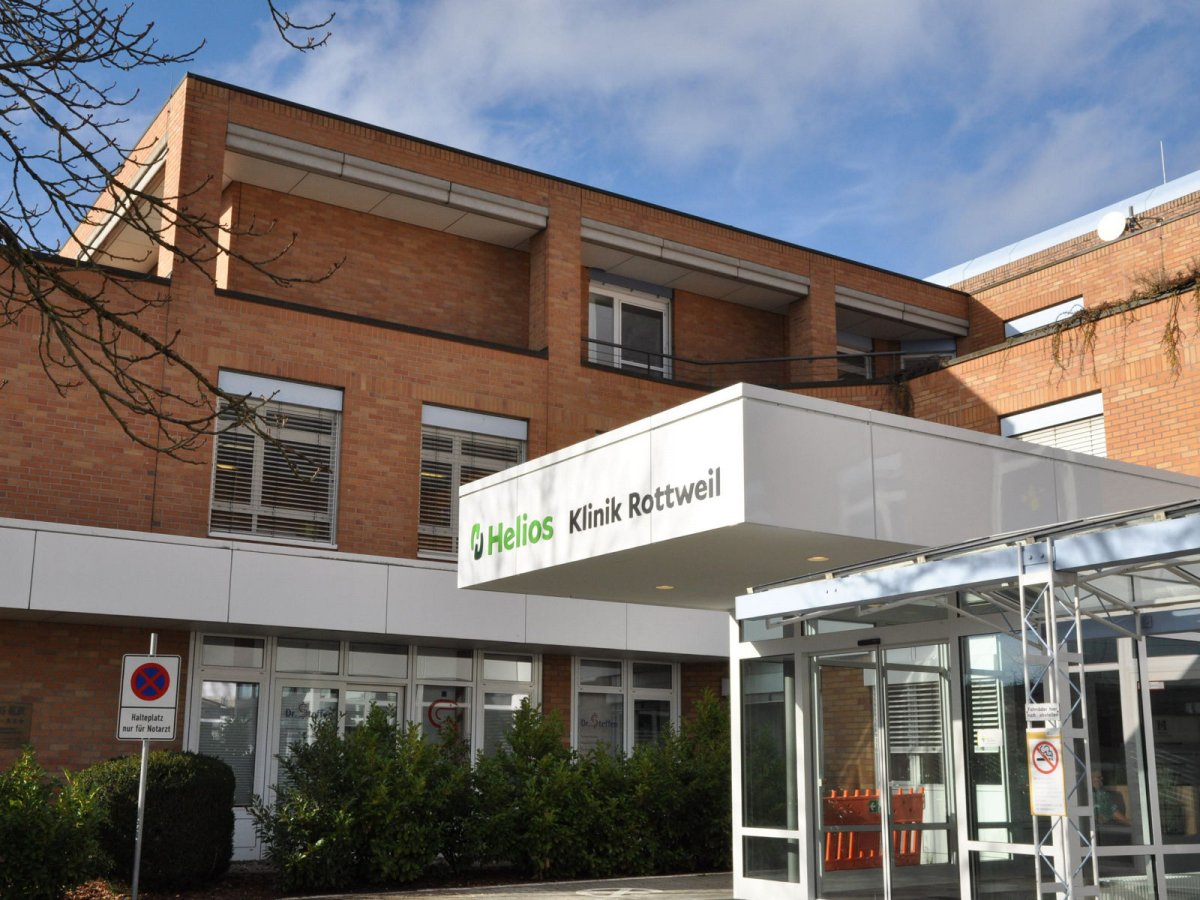



Hospital in the Pfeiffer`s foundations

Bavaria in Kreischa
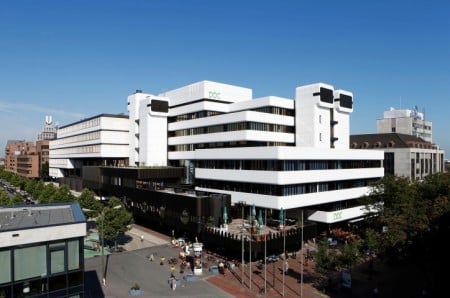
Diagnostic Center DOC Dortmund

German Heart Centre Munich

Leopoldina Hospital Schweinfurt
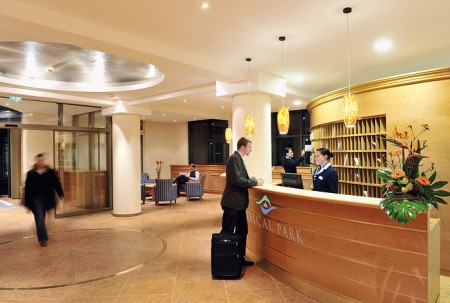
Medical Park AG


Obtenga una evaluación médica de tratamiento de Hipertensión en Alemania: haga una consulta con 8 médicos experimentados ahora
Ver todos los médicos
Viktor Alexander Krol
El Dr. Krol dirige los departamentos de Gastroenterología y Medicina Interna en el St. Martinus-Krankenhaus de Düsseldorf, especializándose en afecciones cardiovasculares como la hipertensión.
- Director del Centro de Tratamiento de la Obesidad del hospital
- Utiliza métodos avanzados de diagnóstico y tratamiento para enfermedades cardiovasculares
- Especializado en un enfoque integral de la salud metabólica y cardiovascular
- Proporciona planes de tratamiento individualizados para cada paciente

Marc Ulrich Becher
Especializado en atención cardiovascular integral con técnicas de diagnóstico modernas en el Städtisches Klinikum Solingen.
- Experto en el tratamiento de la presión arterial alta y el colesterol LDL
- Realiza imágenes cardíacas avanzadas, incluyendo resonancia magnética y tomografía computarizada
- Ofrece disponibilidad de cateterismo las 24 horas para afecciones cardíacas agudas
- Realiza más de 3000 procedimientos diagnósticos y terapéuticos al año

Melchior Seyfarth Director Of The Department Of Cardiology
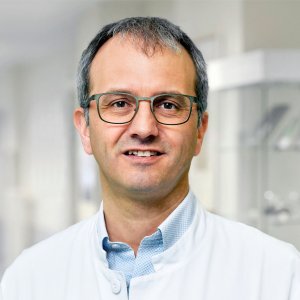
Armin Sause Chief Physician Of Cardiology And Cardiac Electrophysiology
El Dr. med. Armin Sause es el Jefe del Servicio de Cardiología y Ritmología del Hospital Universitario Helios de Wuppertal, un destacado centro cardiológico alemán. Bajo su liderazgo, el departamento se ha convertido en un centro especializado en ritmología y electrofisiología. El equipo utiliza tecnologías modernas y protocolos de tratamiento basados en la evidencia.
Su experiencia abarca la terapia de la fibrilación auricular, la ablación por catéter y por radiofrecuencia con mapeo 3
Compartir contenido
Historias en video de pacientes de Bookimed
 Olena Sikoza
Preguntas frecuentes sobre el tratamiento de Hipertensión en Alemania
¿Cuándo se considera alta la presión arterial en Alemania?
En Alemania, la presión arterial se considera alta cuando los valores en reposo alcanzan constantemente 140/90 mmHg o más. Este estándar sigue las directrices de la Sociedad Europea de Cardiología. Los médicos alemanes pueden diagnosticar hipertensión con umbrales más bajos de 135/85 mmHg durante el monitoreo en casa o 130/80 mmHg durante el monitoreo ambulatorio de 24 horas.
- Umbral en consultorio: Valores de 140/90 mmHg o superiores en múltiples visitas clínicas.
- Monitoreo en casa: La hipertensión se diagnostica típicamente con valores en casa que superan los 135/85 mmHg.
- Promedio de 24 horas: Los dispositivos de monitoreo ambulatorio utilizan un umbral de 130/80 mmHg para el diagnóstico.
- Nivel de emergencia: Las lecturas de 180/110 mmHg o superiores indican una crisis hipertensiva.
Perspectiva de expertos de Bookimed: Los centros cardíacos alemanes, como el Complejo Clínico de Renania del Norte-Westfalia, priorizan el monitoreo ambulatorio de 24 horas (MAPA) sobre las lecturas únicas en el consultorio. Este enfoque basado en datos es fundamental porque los resultados clínicos a menudo fluctúan. Especialistas destacados como el Dr. Marc Ulrich Becher enfatizan que controlar la presión arterial y el colesterol LDL juntos es la estrategia más efectiva para prevenir la insuficiencia cardíaca. Los pacientes deben buscar clínicas con certif
¿Cuál es el primer paso típico para el tratamiento de la hipertensión en Alemania?
El tratamiento de la hipertensión en Alemania comienza con modificaciones intensivas del estilo de vida y una terapia dual simultánea con medicamentos para la mayoría de los pacientes. Las directrices alemanas priorizan la intervención temprana utilizando combinaciones de dosis fija (una sola pastilla). Este enfoque combina un bloqueador del sistema renina-angiotensina con un bloqueador de los canales de calcio o un diurético para alcanzar objetivos de 120–129/70–79 mmHg.
- Diagnóstico inicial: Las clínicas utilizan el monitoreo ambulatorio de presión arterial de 24 horas para confirmar el diagnóstico.
- Cambios en el estilo de vida: Los pacientes deben reducir la ingesta de sal por debajo de 5g y hacer ejercicio 150 minutos a la semana.
- Terapia farmacológica: Los médicos suelen recetar combinaciones duales como ramipril con amlodipino o lercanidipino.
- Excepciones a la monoterapia: Los protocolos de un solo fármaco están reservados para pacientes mayores de 80 años o aquellos categorizados como frágiles.
Perspectiva del experto de Bookimed: Los centros de cardiología alemanes, como el Complejo Clínico de Renania del Norte-Westfalia, se centran mucho en la precisión diagnóstica antes de comenzar con la medicación de por vida. Los datos muestran que los centros especializados priorizan el monitoreo Holter de 24 horas y la ecocardiografía para
¿Por qué los médicos alemanes suelen recetar dos medicamentos para la presión arterial a la vez?
Los médicos alemanes recetan dos medicamentos para la presión arterial simultáneamente para lograr resultados más rápidos y reducir los efectos secundarios mediante dosis más bajas. Esta terapia dual sigue las directrices de la Sociedad Europea de Cardiología. Se dirige a múltiples sistemas fisiológicos como los riñones y los vasos sanguíneos a la vez. La mayoría de los pacientes los reciben en una sola pastilla.
- Mejor eficacia: La combinación de diferentes clases de fármacos ataca la hipertensión desde múltiples ángulos biológicos simultáneamente.
- Control más rápido: Los pacientes alcanzan la presión arterial objetivo más rápidamente que con un enfoque de un solo fármaco.
- Menos efectos secundarios: Las dosis moderadas de dos medicamentos causan menos reacciones que un fármaco de dosis máxima.
- Mejor adherencia: Las combinaciones de una sola pastilla en Alemania reducen la carga diaria de pastillas para el tratamiento a largo plazo.
Perspectiva de expertos de Bookimed: Las clínicas alemanas como el Complejo Clínico de Renania del Norte-Westfalia, que atiende a 145.000 pacientes al año, priorizan el monitoreo ambulatorio de la presión arterial de 24 horas antes de comenzar la terapia dual. Este enfoque basado en datos garantiza que la combinación de medicamentos coincida con su ritmo diario específico. Especialistas como el Dr. Marc Ulric
¿Tendré que tomar medicación antihipertensiva de por vida?
La medicación para la hipertensión es un requisito de por vida para el 90% de los pacientes con hipertensión primaria. Si bien los cambios exitosos en el estilo de vida o la cirugía de pérdida de peso pueden reducir la presión arterial, la mayoría de los pacientes solo reducen las dosis en lugar de suspenderlas por completo. Cualquier cambio debe ocurrir bajo supervisión cardiológica junto con un monitoreo constante.
- Objetivos del tratamiento: Las clínicas utilizan inhibidores de la ECA o sartanes para mantener una presión sistémica estable.
- Pérdida de peso: La cirugía bariátrica puede normalizar la presión para el 60% al 70% de los pacientes obesos.
- Opciones avanzadas: La denervación renal está disponible en centros especializados si fallan tres o más medicamentos.
- Monitoreo diagnóstico: Los especialistas alemanes emplean monitoreo ambulatorio de 24 horas para confirmar un control sostenido de la presión arterial.
Perspectiva de expertos de Bookimed: Los complejos cardiológicos alemanes como el Complejo Clínico de Renania del Norte-Westfalia brindan atención especializada para casos complejos. Grandes centros como el Hospital Asklepios St. Georg tratan a 87.000 pacientes al año y favorecen las terapias combinadas de dosis bajas. Nuestros datos muestran que estas instituciones académicas logran una mejor gestión a largo plazo al combina
¿Cómo debo controlar mi presión arterial mientras recibo tratamiento en Alemania?
El control de la presión arterial en Alemania implica un protocolo estructurado de 7 días en el hogar y un monitoreo ambulatorio profesional de 24 horas (MAPA). Las clínicas alemanas utilizan dispositivos validados para el brazo para registrar las lecturas dos veces al día. Estos datos ayudan a especialistas como el Dr. Marc Ulrich Becher a ajustar los medicamentos basándose en patrones cardiovasculares precisos.
- Protocolo de control en el hogar: Mida dos veces cada mañana y noche durante 7 días consecutivos.
- Técnica de medición: Descanse durante 5 minutos y siéntese erguido con apoyo para la espalda.
- MAPA profesional: Los dispositivos portátiles registran la presión arterial cada 15 a 30 minutos durante 24 horas.
- Valores objetivo: Los promedios en el hogar generalmente deben permanecer por debajo de 135/85 mmHg para los pacientes tratados.
Perspectiva de expertos de Bookimed: Los centros de cardiología alemanes enfatizan una alta precisión diagnóstica para prevenir el sobretratamiento. Por ejemplo, el Dr. Marc Ulrich Becher realiza hasta 4,000 procedimientos cardíacos al año. Este nivel de experiencia garantiza que los datos de monitoreo de 24 horas se interpreten con precisión profesional. Clínicas como las de Renania del Norte-Westfalia atienden a más de 100,000 pacientes ambulatorios, lo que destaca la sólida infraestructura disponi
¿Qué medicamentos se recetan más comúnmente para la hipertensión en Alemania?
Los médicos alemanes recetan principalmente inhibidores de la ECA como el Ramipril y bloqueadores de los receptores de angiotensina como el Candesartán para la hipertensión. Estos medicamentos a menudo siguen las directrices de las sociedades europeas. El tratamiento frecuentemente implica combinaciones de dosis fija para asegurar el cumplimiento del paciente. Los protocolos estándar incluyen el monitoreo ambulatorio de la presión arterial durante 24 horas para un diagnóstico preciso.
- Inhibidores de la ECA: El Ramipril es la opción de primera línea más frecuente para el manejo a largo plazo.
- Sartanes (ARA II): El Candesartán es preferido para pacientes que no toleran los inhibidores de la ECA.
- Betabloqueadores: El Bisoprolol y el Metoprolol son estándar para pacientes con enfermedades cardíacas coexistentes.
- Bloqueadores de los canales de calcio: El Amlodipino se usa comúnmente como monoterapia o en tratamientos combinados.
Opinión de expertos de Bookimed: Las clínicas alemanas como el Complejo Clínico de Renania del Norte-Westfalia priorizan el manejo de múltiples factores de la hipertensión. Los datos muestran una tendencia a tratar la presión arterial alta junto con el colesterol y la diabetes. Este enfoque integral es particularmente evidente en los grandes centros cardíacos que atienden a más de 145,000 pacientes al año. Los especi
¿Existen opciones de tratamiento sin medicamentos en Alemania?
Las clínicas alemanas ofrecen tratamientos avanzados contra la hipertensión sin medicamentos, centrándose en intervenciones en el estilo de vida y procedimientos mínimamente invasivos. Los programas incluyen asesoramiento nutricional estructurado, gestión del estrés y rehabilitación médica. Los especialistas también utilizan la denervación renal para casos resistentes. Estas terapias ayudan a controlar la presión arterial sin dependencia de medicamentos de por vida.
- Rehabilitación médica: Los programas hospitalarios de tres semanas pueden reducir la presión arterial en 20/10 mmHg.
- Denervación renal: La ablación mediante catéter se dirige a los nervios cercanos a los riñones para tratar la hipertensión resistente.
- Programas de estilo de vida: Las aseguradoras cubren el ejercicio estructurado, los planes de dieta DASH y la formación en gestión del estrés.
- Diagnóstico avanzado: Las clínicas utilizan monitorización de 24 horas y pruebas de mesa basculante para personalizar los planes.
Perspectiva del experto de Bookimed: Los centros cardíacos alemanes demuestran un alto volumen clínico; el complejo clínico de Renania del Norte-Westfalia atiende a 145.000 pacientes al año. Esta escala masiva permite a las clínicas ofrecer procedimientos especializados sin medicamentos, como la denervación renal, que rara vez se realizan en centros más pequeñ
¿Qué hospitales en Alemania tienen las calificaciones más altas en neurocirugía?
Alemania alberga algunos de los departamentos de neurocirugía más prestigiosos del mundo, liderados por la Charité – Universitätsmedizin Berlin y el Hospital Universitario de Heidelberg. Estos centros destacan en el tratamiento de tumores cerebrales complejos y enfermedades cerebrovasculares. Para maximizar la eficacia de sus procedimientos, utilizan tecnologías de vanguardia como la resonancia magnética intraoperatoria y la neuronavegación asistida por computadora.
- Charité Berlín: Realiza más de 5000 cirugías al año. La clínica está dirigida por el reconocido neurocirujano Dr. Peter Vaikoczy.
- Centro Médico Solingen: El Dr. Ralf Buhl ha realizado más de 4.000 cirugías, incluidas cirugías de columna mínimamente invasivas.
- Clínica Asklepios Nord: equipada con el único sistema de resonancia magnética intraoperatoria bilateral de Alemania para garantizar precisión quirúrgica en tiempo real durante la extirpación del tumor.
- Clínica Nordwest: reconocida por la revista Newsweek como un hospital líder por su innovación en tecnología de ultrasonido 3D.
Opinión experta de Bookimed: Los datos muestran que elegir centros con un alto volumen quirúrgico suele llevar a recomendaciones de tratamiento más conservadoras. En el Centro Médico Solingen, que atiende a más de 60.000 pacientes al año, los cirujanos suelen sugerir fisioterapia en lugar de cirugía
¿Cuáles son las tasas de éxito de los procedimientos neuroquirúrgicos complejos en Alemania?
En Alemania, los procedimientos neuroquirúrgicos de alta complejidad demuestran una seguridad excepcional. Las tasas de éxito en las fusiones espinales alcanzan el 99 %. La tasa de supervivencia en las resecciones de tumores cerebrales primarios es del 97 %. La independencia funcional es alta. Más del 82 % de los pacientes reciben el alta inmediatamente después del tratamiento. Los centros alemanes priorizan la preservación de la función neurológica mediante técnicas modernas de mapeo.
- Resección de tumores: los cirujanos logran una resección tumoral completa en el 87,2% de los casos de metástasis cerebrales.
- Éxito en el tratamiento de enfermedades vasculares: los hospitales alemanes informan de una tasa de supervivencia del 98,7% para aneurismas no rotos.
- Mejora del estado neurológico: casi el 43% de los pacientes experimentan una mejora de los parámetros funcionales después de resecciones complejas.
- Seguridad de las intervenciones quirúrgicas: En grandes centros quirúrgicos, las tasas de supervivencia de los pacientes después de la cirugía de columna son del 98-99%.
Opinión experta de Bookimed: Cirujanos experimentados como el Dr. Uwe Köhler, de la Clínica Asklepios Altona, realizan más de 2000 cirugías al año. Los datos muestran que estos especialistas mantienen tasas de éxito de hasta el 90 %, incluso en los tumores cerebrales más comp
¿Qué tecnologías avanzadas suelen estar disponibles en las clínicas neuroquirúrgicas alemanas?
Las clínicas neuroquirúrgicas alemanas incorporan regularmente instrumentos digitales de alta precisión y visualización en tiempo real a la práctica quirúrgica. Entre las tecnologías clave se encuentra la neuronavegación computarizada para cirugías de cerebro y médula espinal. Instituciones como la Clínica Asklepios Nord utilizan la resonancia magnética intraoperatoria para verificar la extirpación de tumores en tiempo real. Estos sistemas proporcionan a los cirujanos navegación GPS 3D.
- Neuronavegación: proporciona visualización 3D y seguimiento de instrumentos en tiempo real para lograr precisión quirúrgica hasta el nivel submilimétrico.
- Imágenes intraoperatorias: sistemas como iMRI y O-arm CT permiten la confirmación inmediata de una resección exitosa.
- Neuromonitorización: Monitorea las funciones motoras y sensoriales durante la cirugía para proteger el sistema nervioso.
- Diagnóstico de fluorescencia: se utiliza el colorante 5-ALA para resaltar los bordes del tumor para una eliminación más completa.
- Asistencia robótica: Sistemas como el Da Vinci mejoran la precisión en procedimientos complejos y mínimamente invasivos.
Opinión experta de Bookimed: Grandes centros como la Charité – Universitätsmedizin de Berlín realizan más de 4000 procedimientos neuroquirúrgicos al año, lo que crea un entorno rico en datos para p