Hipertensión Tratamiento en India — Costos 2026


Revisado médicamente por
Fahad Mawlood
¿Cuál es el precio del diagnóstico y los tratamientos de Hipertensión en India? Descubra ahora
| India | España | Turquía | |
|---|---|---|---|
| Aféresis de LDL | ≈ $700 | ≈ $1,100 | ≈ $450 |
Sus beneficios y garantías con Bookimed
Precios directos
Bookimed no añade cargos extra a los precios de los tratamientos de Hipertensión. Las tarifas proceden de las listas de precios oficiales de las clínicas. Pagará directamente en la clínica por su tratamiento a su llegada al país.
Sólo clínicas y médicos verificados
Bookimed está comprometido con su seguridad. Solo trabajamos con las clínicas que mantienen altos estándares internacionales en el tratamiento de Hipertensión y cuentan con las licencias necesarias para atender a pacientes internacionales en todo el mundo.
Asistencia 24/7 gratuita
Bookimed ofrece asistencia experta gratuita. Un coordinador médico personal le apoya antes, durante y después de su tratamiento, resolviendo cualquier problema. Nunca estará solo en su viaje médico de tratamiento de Hipertensión.

Su coordinador médico personal de Bookimed
- Le apoya en cada etapa
- Ayuda a elegir la clínica y el médico adecuados
- Asegura un acceso rápido y conveniente a la información
Descubra las mejores clínicas de tratamiento de Hipertensión en India: 9 opciones verificadas y Precios












Dr. Rela Institute & Medical Centre
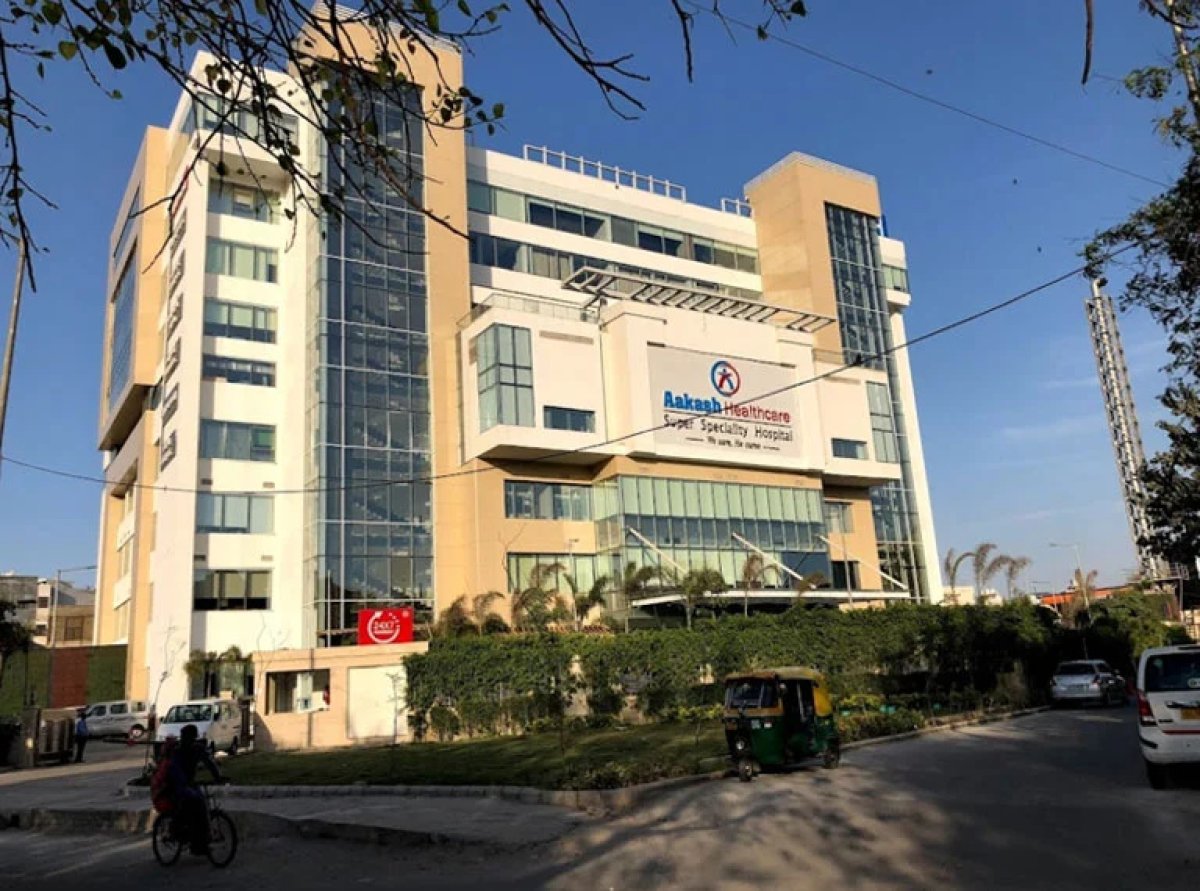
Helal Healthcare
Obtenga una evaluación médica para Hipertensión en India: consulte con doctores experimentados ahora
Ver todos los médicos
Ashok Seth
Compartir contenido
Historias en video de pacientes de Bookimed
 Olena Sikoza
Preguntas frecuentes sobre el tratamiento de Hipertensión en India
¿Qué objetivo de presión arterial debo buscar en la India?
Las directrices indias sobre hipertensión recomiendan un objetivo de presión arterial primaria inferior a 140/90 mmHg. Para adultos menores de 60 años, los médicos a menudo buscan un control más intensivo de 130/80 mmHg. Los centros de cardiología indios enfatizan estos objetivos más estrictos para los pacientes del sur de Asia debido a los mayores riesgos vasculares.
- Adultos en general: Los pacientes menores de 60 años generalmente deben apuntar a menos de 130/80 mmHg.
- Pacientes ancianos: Aquellos mayores de 80 años generalmente apuntan a un rango inferior a 150/90 mmHg.
- Casos de alto riesgo: Los pacientes con diabetes o enfermedades cardíacas requieren objetivos inferiores a 130/80 mmHg.
- Protocolo de monitoreo: Utilice el monitoreo en el hogar para realizar un seguimiento de la evaluación diaria en lugar de las lecturas clínicas.
Perspectiva del experto de Bookimed: Los datos sobre el volumen de pacientes muestran que los principales centros como Manipal Hospitals y Global Hospital Chennai atienden a más de 2.000.000 de pacientes al año. Esta escala masiva permite a los especialistas indios refinar los objetivos en función de factores dietéticos locales, como la alta ingesta de sal. Las grandes instituciones a menudo proporcionan objetivos más agresivos de 120/80 mmHg para los pacientes urbanos con el fin de prevenir el daño renal de
¿Necesito medicamentos definitivamente o pueden ser suficientes la dieta y el ejercicio?
La dieta y el ejercicio pueden controlar con éxito la hipertensión en etapa 1 temprana en la India a través de una prueba de estilo de vida de 3 a 6 meses. Los médicos generalmente recetan medicamentos inmediatos para la hipertensión en etapa 2 o casos que involucran factores genéticos. Mantener la presión arterial por debajo de 140/90 mmHg a menudo requiere combinar medicamentos genéricos asequibles con actividad física intensa.
- Umbral de tratamiento: La hipertensión en etapa 2 (140/90 mmHg+) generalmente requiere medicamentos inmediatos junto con cambios en el estilo de vida.
- Prueba de estilo de vida: Las pautas clínicas sugieren una prueba de 3 a 6 meses de dieta y ejercicio para la prehipertensión.
- Estándares clínicos indios: Las principales instituciones como el Hospital Medanta, acreditado por la JCI, utilizan atención cardíaca especializada para casos complejos.
- Gestión a largo plazo: El ejercicio constante puede mejorar la eficacia de los medicamentos y potencialmente permitir futuras reducciones de dosis.
Perspectiva del experto de Bookimed: Los datos de 92 clínicas en la India muestran una alta concentración de experiencia cardíaca especializada en Mumbai y Delhi. Por ejemplo, el Hospital Kokilaben Dhirubhai Ambani emplea un sistema de especialistas a tiempo completo. Esto garantiza que un especialista dedicado controle diaria
¿Qué medicamentos antihipertensivos se prescriben comúnmente en la India?
Los médicos indios prescriben principalmente bloqueadores de los receptores de angiotensina II (BRA) y bloqueadores de los canales de calcio (BCC) para la hipertensión. El telmisartán y la amlodipina son las opciones más frecuentes. Los médicos suelen utilizar combinaciones de dosis fija (CDF) para simplificar el tratamiento. Este enfoque mejora la adherencia del paciente y el control de la presión arterial.
- Bloqueadores de los receptores de angiotensina: El telmisartán es la terapia de primera línea líder en toda la India.
- Bloqueadores de los canales de calcio: La amlodipina se utiliza ampliamente sola o en combinaciones.
- Agentes renoprotectores: Se prefiere el cilnidipino para reducir efectos secundarios como la hinchazón de los tobillos.
- Terapias combinadas: Las píldoras de dosis fija a menudo combinan telmisartán con amlodipina o hidroclorotiazida.
Perspectiva del experto de Bookimed: La India ocupa el noveno lugar a nivel mundial en Bookimed en cuanto a solicitudes médicas, lo que refleja una infraestructura sanitaria masiva. Centros importantes como Manipal Hospitals y Global Hospital atienden a más de 80.000 pacientes al año. Nuestros datos muestran que los principales hospitales indios cuentan con certificaciones de la Joint Commission International (JCI) y del National Accreditation Board for Hospitals and Healthcare Providers
¿Con qué frecuencia debo medir mi presión arterial en casa?
Los pacientes estables deben controlar su presión arterial dos veces al día durante una semana cuando se realicen cambios en el tratamiento. Las mediciones estándar se realizan por la mañana antes de tomar los medicamentos y por la noche. La mayoría de las personas con un buen control reducen la frecuencia a dos veces por semana. El seguimiento constante garantiza la detección temprana de tendencias hipertensivas en hospitales indios acreditados por la JCI.
- Monitoreo inicial: Mida cada mañana y noche durante 3 a 7 días consecutivos.
- Fase de estabilización: Realice de 2 a 3 lecturas por sesión para promediar los resultados.
- Mantenimiento a largo plazo: Pase a medir una o dos veces por semana si las lecturas se mantienen estables.
- Mediciones basadas en síntomas: Controle inmediatamente si experimenta dolores de cabeza repentinos, mareos o aturdimiento.
Opinión de expertos de Bookimed: Aunque muchos se centran en la frecuencia, el volumen de pacientes en las clínicas de la India sugiere una prioridad diferente. Los principales centros, como Manipal Hospitals y Global Hospital Chennai, atienden a más de 2 millones de pacientes al año. Sus datos revelan que los registros domiciliarios son vitales para prevenir la hipertensión de bata blanca. Llevar un registro digital ayuda a más de 1,900 médicos en Manipal a evitar la prescripción excesiva
¿Se puede curar permanentemente la hipertensión?
La hipertensión es generalmente una afección de por vida que no puede curarse permanentemente. Si bien el 90% de los casos son primarios y requieren un control continuo, la hipertensión secundaria causada por problemas médicos específicos a veces puede resolverse mediante cirugía o tratamiento dirigido. Los cambios constantes en el estilo de vida pueden revertir eficazmente la presión arterial a rangos normales.
- Hipertensión primaria: Esta forma común requiere un control de por vida mediante dieta, ejercicio y medicación.
- Hipertensión secundaria: Tratar problemas renales o tiroideos subyacentes a veces puede resolver permanentemente la presión arterial alta.
- Impacto dietético: Adoptar la dieta DASH puede reducir la presión arterial hasta en 11 mm Hg.
- Control de peso: Perder solo de 3 a 4,5 kg reduce significativamente la presión y puede disminuir la necesidad de medicamentos.
- Instalaciones en la India: Los centros acreditados por la JCI, como el Medanta Hospital y el BLK Super Speciality Hospital, ofrecen diagnósticos avanzados.
Perspectiva del experto de Bookimed: Los datos de los pacientes muestran que los centros multidisciplinarios de la India a menudo identifican causas secundarias curables mediante exámenes avanzados. Hospitales como el Global Hospital Mumbai y el Dr. Rela Institute utilizan imágenes de a
¿Qué cambios en la dieta se recomiendan para los pacientes indios?
Los cambios en la dieta recomendados para los pacientes indios se centran en reducir el sodio y los carbohidratos refinados, al tiempo que se aumenta la fibra y las proteínas magras. Reemplazar el arroz blanco por mijos antiguos como el ragi o el jowar ayuda a controlar la presión arterial. Priorizar las verduras sin almidón y minimizar los alimentos con alto contenido de sal, como los encurtidos (pickles) y los papads, es esencial para la salud del corazón.
- Calidad de los carbohidratos: Sustituya el arroz blanco o la maida por arroz integral, avena o rotis de trigo integral.
- Reducción de sodio: Limite los encurtidos, papads y snacks namkeen ricos en sal para reducir los niveles de presión arterial.
- Fuentes de proteínas: Aumente la ingesta de lentejas, brotes, paneer, huevos y pescado o pollo a la parrilla.
- Grasas saludables: Reemplace las grasas saturadas como el ghee y la mantequilla por aceite de girasol o de cacahuete.
Perspectiva de expertos de Bookimed: El manejo de la hipertensión en la India a menudo implica navegar por la diversidad culinaria regional. Grandes instituciones como Manipal Hospitals y Global Hospital Chennai enfatizan la nutrición personalizada dentro de sus estructuras multidisciplinarias. Nuestros datos muestran que los centros de primer nivel integran frecuentemente dietistas en los equipos de cardiología. Esto
¿Qué ejercicios reducen la presión arterial de forma segura para los indios?
Los indios pueden reducir la presión arterial de forma segura mediante caminatas rápidas, yoga y ejercicios isométricos. El entrenamiento aeróbico reduce la presión sistólica en 5 mmHg. Las prácticas tradicionales como el Pranayama y el Shavasana reducen el cortisol. Las actividades de bajo impacto son ideales para controlar la hipertensión dentro del clima y el panorama sanitario de la India.
- Actividad aeróbica: Caminar a paso ligero durante 30 minutos al día mejora la salud cardiovascular.
- Práctica mente-cuerpo: Las posturas de yoga como Sukhasana reducen significativamente la rigidez arterial.
- Ejercicios isométricos: Las planchas y las sentadillas contra la pared reducen eficazmente la presión arterial en reposo.
- Técnicas de respiración: Anulom Vilom activa la respuesta de relajación para calmar la frecuencia cardíaca.
Perspectiva del experto de Bookimed: India ocupa el noveno lugar a nivel mundial en solicitudes de atención médica atendidas en nuestra plataforma. Las clínicas del National Accreditation Board for Hospitals and Healthcare Providers (NABH), como el Manipal Hospital Goa, enfatizan la atención integrada. Los pacientes a menudo ven mejores resultados al combinar chequeos clínicos con ajustes en el estilo de vida local, como caminar por la noche.
Consenso de los pacientes: Muchos señalan que caminar