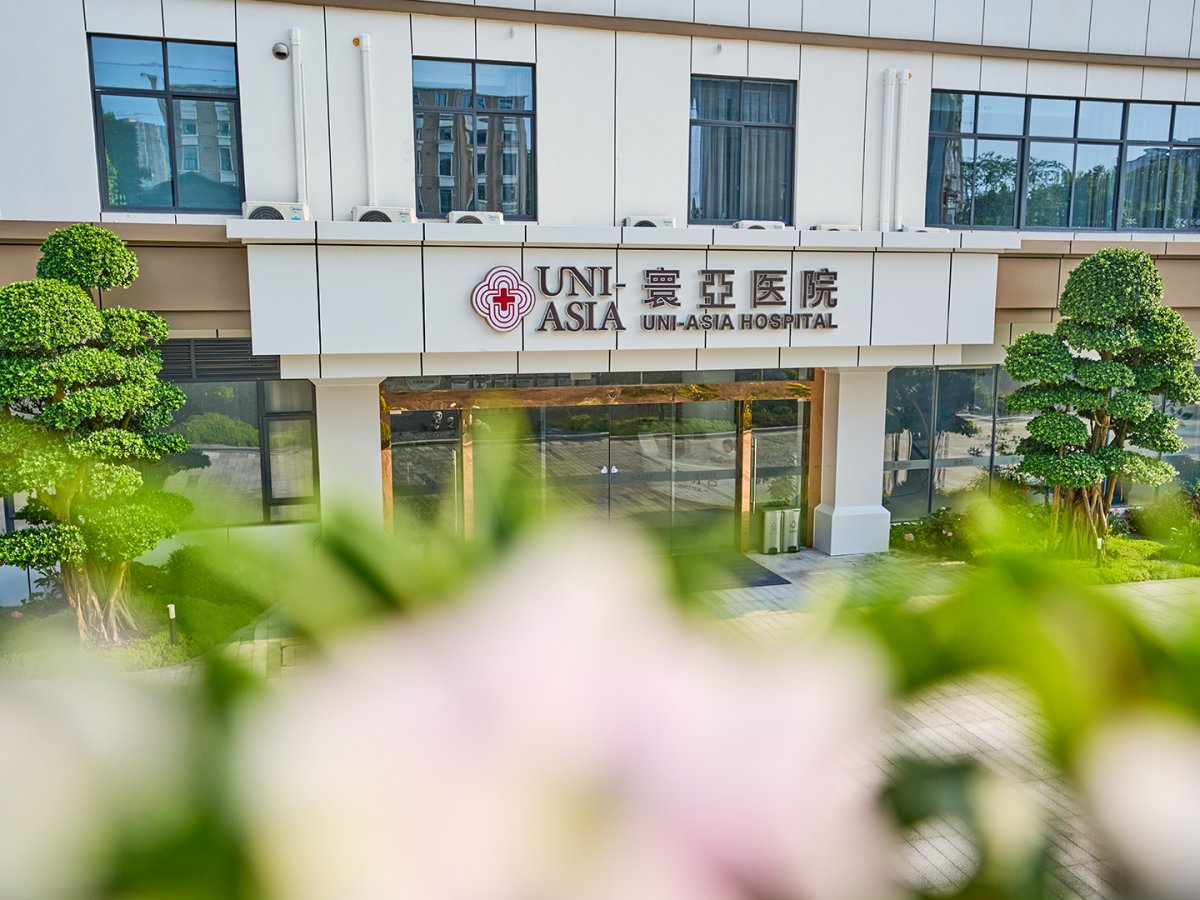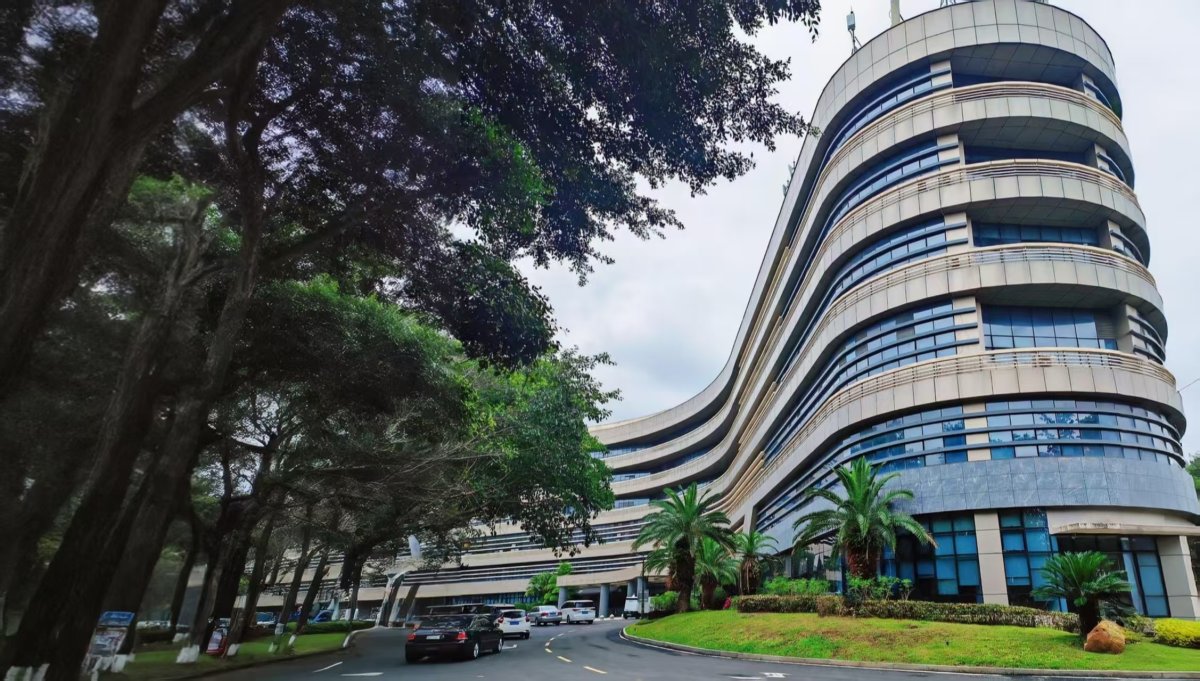
Boao International Medical Center
China, Qionghai


Revisado médicamente por
Fahad Mawlood
De $250. Los tratamientos principales incluyen quimioterapia para el cáncer de mama con un costo de $14,800 a $31,000 o radioterapia para el cáncer colorrectal que varía de $11,500 a $27,500. Los gastos totales dependen del nivel del hospital y del origen de los medicamentos. Los pacientes a menudo ahorran entre un 50% y un 85% en comparación con los costos en EE. UU. Los principales centros de tratamiento incluyen Guangzhou, Beijing y Shanghai.
Costos típicos del tratamiento del cáncer de hígado en etapa 3 en China
Perspectiva de expertos de Bookimed: Los pacientes en etapas avanzadas que buscan alternativas a la quimioterapia tradicional deberían considerar centros especializados como el Hospital de Cáncer Fuda. Esta instalación acreditada por la JCI se especializa en terapias mínimamente invasivas, incluyendo NanoKnife y criocirugía. El Dr. Liuying en el Hospital Jinshazhou brinda atención experta en ablación térmica para el carcinoma hepatocelular. Estos enfoques dirigidos son ideales para pacientes que requieren un tratamiento de alta precisión mientras se preserva el tejido hepático sano.
| China | España | Turquía | |
|---|---|---|---|
| Radioterapia para el cáncer colorrectal | ≈ $11,500 | de $7,500 | de $5,000 |
| Quimioterapia para el cáncer de mama | ≈ $14,800 | de $1,700 | de $3,000 |
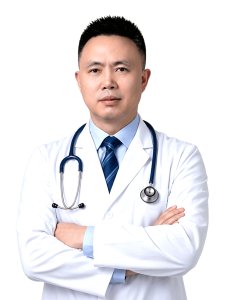
Médico jefe y profesor. Experto de nivel 1 en el Centro Oncológico del West China Hospital, Sichuan University (clasificado n.º 2 en China). Completó un posdoctorado en radiología intervencionista en el Chinese PLA General Hospital. Dirige equipos multidisciplinarios (MDT) para tumores complejos. Experto en oncología intervencionista mínimamente invasiva para cánceres de hígado, pulmón y páncreas.
Acreditaciones: Miembro del consejo, WATA. Miembro de los comités de CACA y CMDA sobre in
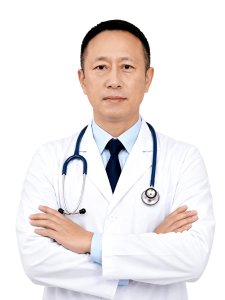
El Dr. He Weibing es pionero de la crioablación con argón‑helio en China, con más de 20 años de práctica en primera línea. Fue miembro fundador del Hospital Oncológico Fuda (Guangzhou). Cofundó su Centro de Tratamiento Tumoral Mínimamente Invasivo y fue subdirector ejecutivo. También ayudó a crear el Grupo de Ablación de la Asociación China contra el Cáncer. Ha sido operador principal en más de 10.000 procedimientos.
Se especializa en crioablación tumoral y domina la braquiterapia con

El profesor Luo Xiaoping es un radiólogo intervencionista reconocido a nivel nacional y una autoridad destacada en el oeste de China. Comenzó a realizar intervenciones vasculares pioneras a principios de la década de 1990. Ayudó a fundar el Grupo de Intervencionismo del Segundo Hospital Afiliado de la Universidad Médica de Chongqing.
Ha realizado más de 100 000 procedimientos intervencionistas, incluidos unos 4 000 casos complejos. Sus competencias clave incluyen TACE para el carcinoma

El profesor Xiao Yueyong es médico jefe del Departamento de Radiodiagnóstico del Hospital General del EPL de China. Es un experto líder en oncología intervencionista mínimamente invasiva. Es el primer presidente de WATA (2025–). Preside la Sociedad Internacional (2020–) y la Sociedad Asiática (2012–) de Crioterapia. También es subjefe del Grupo de Expertos de la NHC sobre regulaciones de ablación tumoral (2009–).
Ha realizado más de 100 000 procedimientos mínimamente invasivos guiados
 Olena Sikoza
En el sistema de estadificación del cáncer de hígado de China, el estadio 3 significa carcinoma hepatocelular avanzado. Se clasifica en estadio 3a, que implica la invasión de los principales vasos sanguíneos, y estadio 3b, que indica la propagación a órganos distantes. Las directrices chinas a menudo favorecen los tratamientos quirúrgicos o combinados agresivos sobre los cuidados puramente paliativos.
Perspectiva del experto de Bookimed: Los centros oncológicos chinos suelen aplicar tratamientos locales agresivos para el estadio 3 que difieren de los protocolos occidentales. El Dr. Liuying del Hospital Jinshazhou se especializa en combinar la ablación por microondas con la implantación de semillas radiactivas. Este enfoque de varios pasos en instalaciones acreditadas por la JCI, como el Hospital Fuda Cancer, apunta a resultados significativos incluso en estadios avanzados.
Consenso
Las directrices clínicas chinas son más agresivas que los protocolos occidentales para el cáncer de hígado en estadio 3. La cirugía sigue siendo una opción principal para pacientes con tumores en estadio 3a que involucran invasión de la vena porta. Los médicos también utilizan terapia de conversión para reducir los tumores en estadio 3b hasta que sean quirúrgicamente extirpables.
Perspectiva del experto de Bookimed: Mientras que el estadio 3 a menudo se considera terminal en otros lugares, los centros de alto volumen de China se centran en el downstaging multidisciplinario. El Fuda Cancer Hospital ha tratado a más de 30,000 pacientes internacionales especializándose en oncología de etapa tardía.
China estandariza las terapias combinadas sistémicas para el cáncer de hígado en estadio 3 de acuerdo con las directrices nacionales chinas sobre el cáncer de hígado. Los tratamientos de primera línea preferidos combinan inhibidores de puntos de control inmunitario con fármacos antiangiogénicos. Los médicos integran frecuentemente estos con terapias regionales como la quimioembolización para controlar la propagación tumoral y la invasión vascular.
Perspectiva del experto de Bookimed: Los centros oncológicos chinos como el Fuda Cancer Hospital a menudo priorizan los enfoques multimodales antes que los protocolos occidentales. Aunque las directrices sugieren fármacos sistémicos, los datos muestran que los especialistas añaden frecuentemente hipertermia por microondas o terapia intervencionista vascular. Este control local agresi
China utiliza inhibidores de PD-1 nacionales como Camrelizumab y Sintilimab junto con fármacos globales como Pembrolizumab y Nivolumab. Para el cáncer de hígado, los médicos suelen combinarlos con terapias dirigidas. Lenvatinib y Sorafenib siguen siendo las principales opciones dirigidas aprobadas por la Administración Nacional de Productos Médicos.
Perspectiva del experto de Bookimed: Mientras que los centros globales a menudo lideran con agentes únicos o terapias duales específicas, los expertos en oncología chinos en instalaciones como el Hospital de Cáncer Fuda enfatizan las estrategias multimodales. Frecuentemente integran estos fármacos aprobados con terapias mínimamente invasivas únicas como la criocirugía o NanoKnife. Este enfoque tiene como objetivo reducir la carga tumoral físicamente mientras se utilizan fármacos sistémicos para mantener la respuesta, particul
La quimioterapia de infusión arterial hepática (HAIC) administra quimioterapia de alta concentración directamente en el tumor hepático a través de un catéter implantado. China la utiliza frecuentemente para tratar el carcinoma hepatocelular avanzado. Este enfoque maximiza la exposición del tumor mientras minimiza los efectos secundarios sistémicos. Sigue siendo un estándar para pacientes con tumores grandes o complejos.
Perspectiva del experto de Bookimed: Mientras que muchos centros occidentales ofrecen quimioterapia estándar, instalaciones chinas como el Hospital Fuda Cancer utilizan terapia intervencionista vascular para más de 30.000 pacientes internacionales. Los datos muestran que el éxito aquí a menudo proviene de combinar la HAIC con tecnologías como NanoKnife o criocirugía. Este enfoque multimodal está diseñado específicamente para tumores que de otro modo serían inoperables.<
China utiliza la Medicina Tradicional China (MTC) como terapia de apoyo para el cáncer de hígado en estadio 3. Complementa la cirugía, la quimioterapia y la radioterapia en lugar de reemplazarlas. Los especialistas utilizan la MTC para controlar la toxicidad del tratamiento. Esta integración ayuda a los pacientes a completar sus ciclos clínicos convencionales de manera más cómoda.
Perspectiva de expertos de Bookimed: Clínicas como el Fuda Cancer Hospital combinan estándares acreditados por la JCI con terapias mínimamente invasivas avanzadas. La Dra. Liuying del Hospital Jinshazhou se especializa en ablación por microondas y radiofrecuencia. Esto destaca una tendencia en la que los centros oncológicos chinos priorizan la destrucción de tumores con alta tecnología. Utilizan la MTC principalmente como un sistema base para ayudar al cuerpo a tolerar intervenciones agres