Tratamiento de Cáncer de hígado etapa 3 en Alemania — obtenga 3 coincidencias personalizadas de clínicas


Revisado médicamente por
Fahad Mawlood
Cómo funciona
¿Cuál es el precio del diagnóstico y los tratamientos de Cáncer de hígado etapa 3 en Alemania? Descubra ahora
El costo total del tratamiento para el cáncer de hígado en etapa 3 en Alemania varía según el plan de tratamiento elegido. Las técnicas quirúrgicas avanzadas, como los cuchillos ultrasónicos combinados con la navegación por computadora de tres cámaras auxiliar para preservar la función hepática, varían de 9.600 € a 10.450 €. Un paquete de tratamiento integral, que incluye diagnósticos y terapia de estabilización, cuesta alrededor de 15.300 €. El plan de tratamiento final se determina después de una evaluación exhaustiva por un especialista.
| Alemania | España | Turquía | |
|---|---|---|---|
| Radioterapia para el cáncer colorrectal | de $10,000 | de $7,500 | de $5,000 |
| Quimioterapia para el cáncer de mama | de $2,200 | de $1,700 | de $3,000 |
Descubra las mejores clínicas de tratamiento de Cáncer de hígado etapa 3 en Alemania: 11 opciones verificadas y Precios



CDT-WEST Center of Diagnostics and Therapy
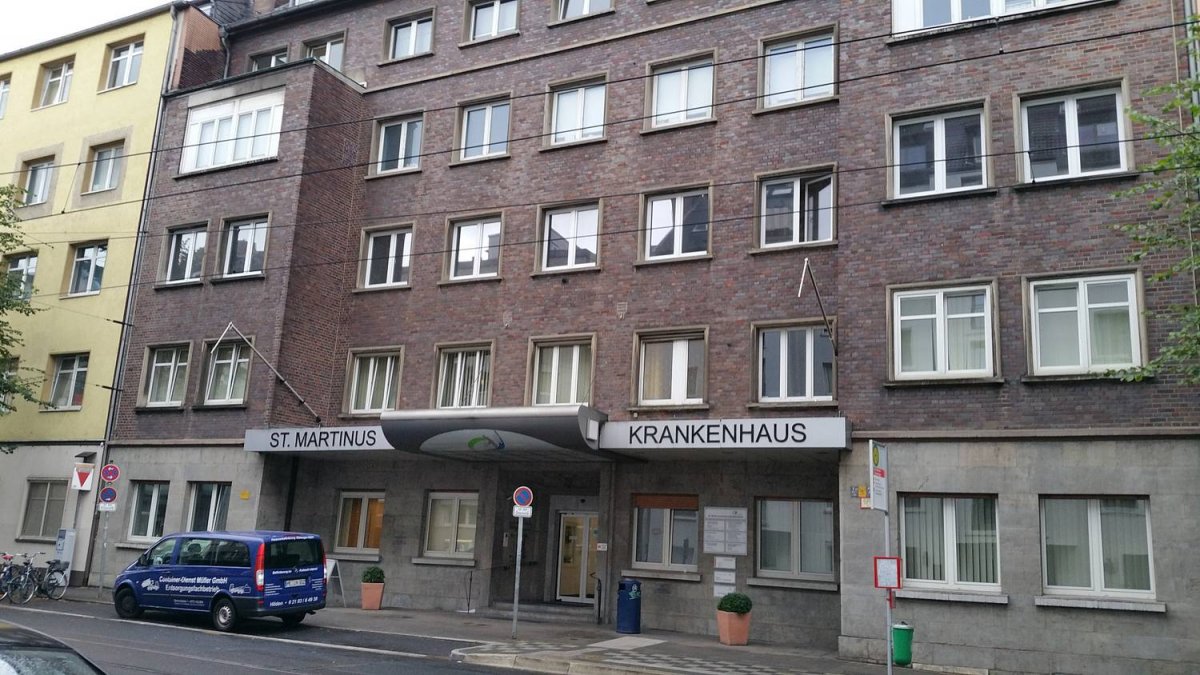
St. Martinus-Krankenhaus Düsseldorf







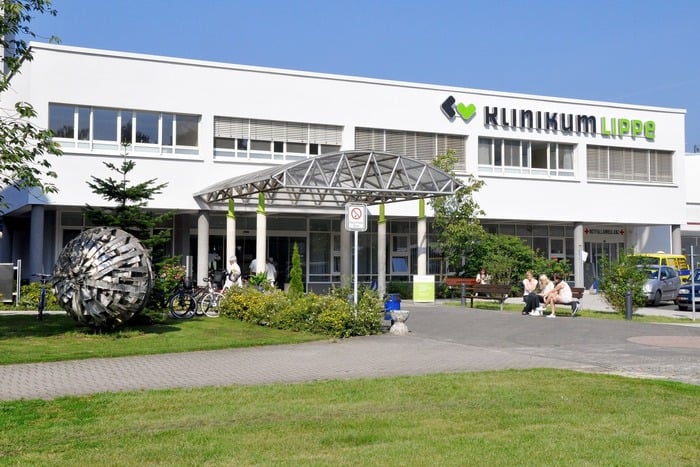
Lippe Lemgo Clinic

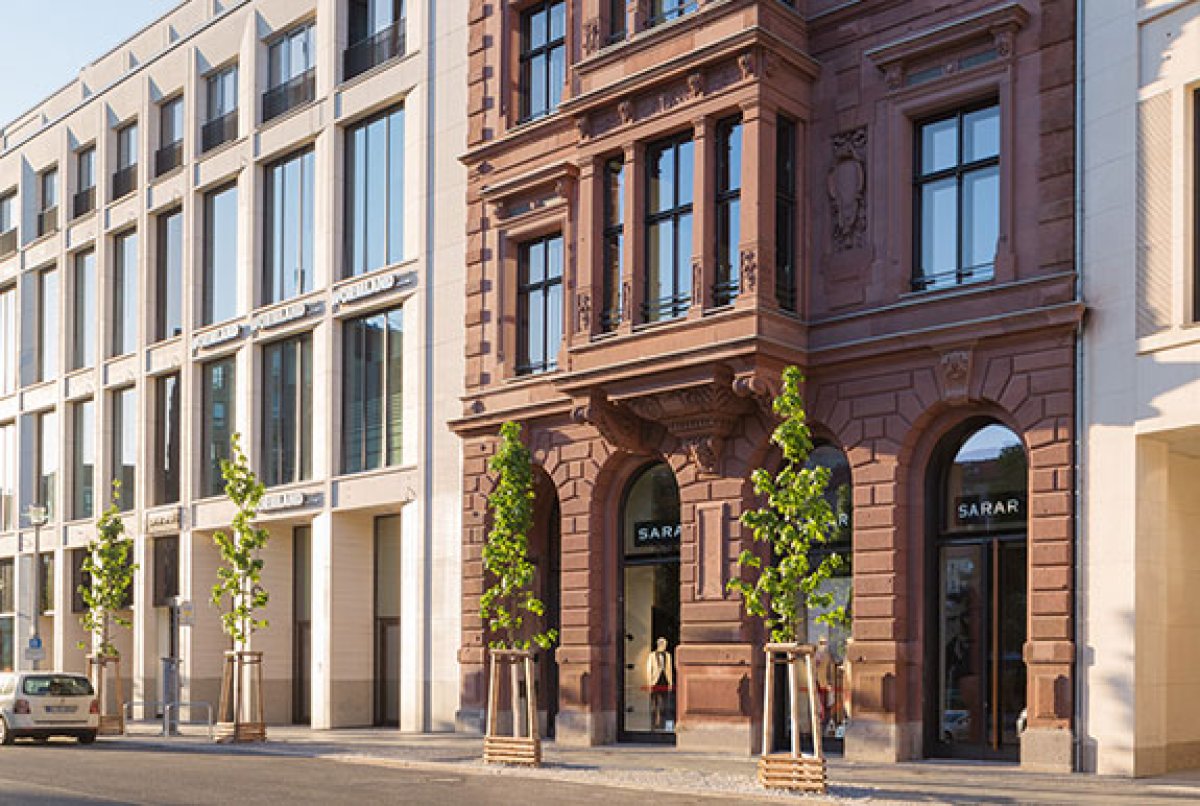
RadioOnkologie im Vosspalais
Obtenga una evaluación médica de tratamiento de Cáncer de hígado etapa 3 en Alemania: haga una consulta con 6 médicos experimentados ahora
Ver todos los médicos
Boris Pfaffenbach
El Prof. Pfaffenbach dirige el Departamento de Gastroenterología, Oncología y Medicina Interna del Hospital Académico de Solingen, especializándose en patologías y neoplasias hepáticas.
- Más de _doctor_192_años_ de experiencia en gastroenterología y medicina interna
- Autor de más de 130 publicaciones sobre afecciones gastroenterológicas
- Especializado en enfermedades hepáticas, incluyendo hepatitis y hepatosis
- Miembro de la Sociedad Europea de Gastroenterología y Endoscopia

Viola Fox
El Dr. Fox se especializa en tratamientos innovadores para el cáncer de hígado, combinando quimioterapia, inmunoterapia y terapias dirigidas.
- Médico jefe en BKZ Solingen, un centro oncológico certificado
- Experto en diagnóstico molecular y planes de tratamiento personalizados
- Miembro activo de la Asociación Americana para la Investigación del Cáncer
- Involucrado en la investigación sobre la biología molecular de enfermedades hemato-oncológicas

Sebastian Keil
El profesor Keil se especializa en radiología diagnóstica e intervencionista avanzada, incluyendo la imagenología y el tratamiento del cáncer de hígado en el Hospital Académico de Solingen.
- Graduado con honores de la Universidad Julius-Maximilians de Würzburg
- Experto en técnicas modernas de imagen como TC y RM para intervenciones
- Se desempeñó como Jefe de Radiología en el Hospital Académico de Solingen
- Formado bajo la tutela del renombrado profesor Rolf W. Günther en Aquisgrán
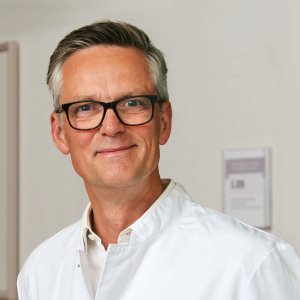
Wolfgang Schröder
Compartir contenido
Historias en video de pacientes de Bookimed
 Olena Sikoza
Preguntas frecuentes sobre el tratamiento de Cáncer de hígado etapa 3 en Alemania
¿Qué terapias están disponibles en Alemania para el cáncer de hígado en estadio 3 cuando la cirugía no es posible de inmediato?
Alemania trata el cáncer de hígado en estadio 3 mediante protocolos multidisciplinarios centrados en la reducción del estadio (downstaging) o el control sistémico. Los principales hospitales universitarios utilizan combinaciones de inmunoterapia de primera línea, como Atezolizumab y Bevacizumab. Las técnicas de radiología intervencionista como TACE o SIRT atacan directamente los tumores cuando la resección quirúrgica no es factible.
- Terapia sistémica: Las opciones principales incluyen combinaciones de inmunoterapia o inhibidores de la tirosina quinasa orales dirigidos.
- Radiología intervencionista: TACE y SIRT administran tratamientos de alta dosis directamente en los tumores hepáticos.
- Ablación física: Las técnicas de microondas o radiofrecuencia utilizan calor para destruir las células cancerosas localizadas.
- Radioterapia de precisión: CyberKnife y SBRT proporcionan radiación enfocada en el seguimiento mientras preservan el tejido hepático sano.
Perspectiva del experto de Bookimed: Las clínicas alemanas enfatizan la especialización de alto volumen para casos complejos. Por ejemplo, la Clínica Nordwest y el Complejo Clínico de Renania del Norte-Westfalia atienden a más de 60,000 y 145,000 pacientes al año, respectivamente. Este volumen es crítico para los casos de estadio 3. Un mayor número de pacientes a menudo se correlaciona con un c
¿Siguen siendo una opción la cirugía o un trasplante de hígado en Alemania para el cáncer de hígado en estadio 3?
La cirugía y los trasplantes de hígado siguen siendo opciones viables para el cáncer de hígado en estadio 3 en Alemania. Los centros especializados utilizan protocolos de reducción de estadio (downstaging) como la quimioembolización para reducir los tumores. Las técnicas quirúrgicas avanzadas y los trasplantes de donante vivo también ayudan a los pacientes que superan los criterios de elegibilidad tradicionales para órganos de donantes fallecidos.
- Estrategia de downstaging: Las terapias localizadas reducen los tumores para cumplir con los estrictos criterios de elegibilidad para el trasplante.
- Resección quirúrgica: Los cirujanos extirpan tumores complejos utilizando navegación asistida por computadora y herramientas radioasistidas.
- Donación en vida: Los donantes familiares permiten una programación más rápida para evitar las largas listas de espera nacionales.
- Evaluación de expertos: Los comités multidisciplinarios de tumores revisan los casos para orientar a los pacientes hacia una cirugía curativa.
Perspectiva del experto de Bookimed: Los hospitales universitarios alemanes como Charité Berlín o la Clínica Nordwest ofrecen una mayor tasa de éxito porque gestionan volúmenes masivos de pacientes. El Dr. Thomas W. Kraus en Nordwest ha realizado más de 3.000 procedimientos, centrándose específicamente en metástasis hepáticas y cirugía hepa
¿Qué opciones de inmunoterapia ofrecen las clínicas alemanas para el cáncer de hígado en estadio 3?
Las clínicas alemanas ofrecen inmunoterapia avanzada para el cáncer de hígado en estadio 3 utilizando inhibidores de puntos de control y vacunas anticancerígenas personalizadas. Centros líderes como la Clínica Nordwest y el Centro Médico de Solingen utilizan atezolizumab combinado con bevacizumab. Estos protocolos ayudan al sistema inmunológico a identificar y destruir tumores irresecables.
- Inmunoterapia sistémica: Las combinaciones aprobadas incluyen atezolizumab más bevacizumab para casos irresecables.
- Medicina celular: La Clínica Nordwest se especializa en vacunas anticancerígenas innovadoras y terapias dirigidas.
- Supervisión experta: Especialistas como la Dra. Viola Fox ofrecen inmunoterapia personalizada y diagnósticos moleculares.
- Atención multidisciplinaria: Los comités de tumores integrados en hospitales universitarios gestionan casos complejos de estadio 3.
Perspectiva del experto de Bookimed: Concéntrese en clínicas con un alto volumen de pacientes y vínculos académicos para el tratamiento hepático complejo. El Centro Médico de Solingen y la Clínica Nordwest atienden a más de 60.000 pacientes al año cada uno. Estas instituciones brindan acceso a investigación de nivel universitario y especialistas como el Prof. Thomas W. Kraus. Este alto volumen a menudo se traduce en protocolos más refinados para el manejo de casos de cáncer
¿Qué hospitales en Alemania son conocidos por tratar el cáncer de hígado en estadio 3?
Los hospitales universitarios alemanes y los centros oncológicos especializados ofrecen tratamientos avanzados para el cáncer de hígado en estadio 3. Instalaciones como Charité Berlín y la Clínica Nordwest utilizan juntas multidisciplinarias de tumores. Proporcionan resecciones quirúrgicas complejas, quimioembolización transarterial (TACE) y vacunas anticancerígenas innovadoras para terapias dirigidas.
- Certificaciones especializadas: Hospitales como Solingen cuentan con la certificación de la Sociedad Alemana del Cáncer (DKG) en oncología.
- Terapias innovadoras: La Clínica Nordwest opera 5 institutos de investigación centrados en el desarrollo de vacunas anticancerígenas.
- Experiencia quirúrgica: El Prof. Dr. Thomas W. Kraus ha realizado más de 3.000 intervenciones quirúrgicas.
- Capacidad de pacientes: Grandes centros como Charité Berlín tratan a más de 845.000 pacientes al año en todos sus departamentos.
Perspectiva del experto de Bookimed: Aunque los grandes hospitales universitarios son populares, las clínicas multidisciplinarias de alto volumen, como el Complejo Clínico de Renania del Norte-Westfalia, a menudo brindan un acceso más rápido a la cirugía robótica y a especialistas en oncología. Nuestros datos muestran que estas grandes redes gestionan más de 145.000 pacientes al año. Esta escala garantiza que incluso los casos complejos d
¿Cuánto tiempo necesitaré permanecer en Alemania para el tratamiento del cáncer de hígado en estadio 3?
La mayoría de los pacientes permanecen en Alemania de 1 a 4 semanas para el tratamiento del cáncer de hígado en estadio 3. La duración depende de si recibe terapia regional como TACE o resección quirúrgica. Las cirugías hepáticas mayores a menudo requieren 14 días de monitoreo hospitalario seguidos de una recuperación ambulatoria.
- Fase de diagnóstico: La verificación de la estadificación del tumor generalmente requiere de 3 a 5 días.
- Estancia para terapia regional: TACE o SIRT generalmente requieren solo 1 a 2 días de hospitalización.
- Recuperación quirúrgica: Las resecciones hepáticas complejas implican de 10 a 14 días de atención hospitalaria.
- Autorización para volar: Los cirujanos generalmente recomiendan esperar de 7 a 10 días antes de realizar viajes de larga distancia.
Perspectiva de expertos de Bookimed: Los hospitales universitarios alemanes como Charité o la Clínica Nordwest a menudo utilizan juntas de tumores interdisciplinarias para decidir entre la cirugía ALPPS y las terapias regionales. Nuestros datos muestran que ALPPS, una resección en dos etapas, extiende las estancias a 4 semanas porque el hígado necesita tiempo para regenerarse entre los procedimientos. Si su plan incluye esta cirugía especializada, asegúrese de que su logística de viaje tenga en cuenta el período de espera esencial de 6 a 14 días entre las dos operaci
¿Aceptan los centros alemanes a pacientes internacionales con cáncer de hígado en estadio 3?
Los centros médicos alemanes aceptan activamente a pacientes internacionales con cáncer de hígado en estadio 3. Estas clínicas de alto volumen se especializan en el tratamiento de casos complejos mediante equipos multidisciplinarios. Instalaciones como la Clínica Nordwest y la Charité – Universitätsmedizin Berlin ofrecen radiología intervencionista dirigida y atención oncológica avanzada a pacientes de todo el mundo.
- Enfoque de tratamiento: Los equipos utilizan quimioembolización y radiación dirigida.
- Revisiones de expertos: Los comités interdisciplinarios de tumores personalizan los planes individuales.
- Certificaciones clínicas: La Sociedad Alemana del Cáncer acredita a los principales centros oncológicos.
- Opciones intervencionistas: Los procedimientos incluyen ablación guiada por imagen y vacunas especializadas.
Perspectiva del experto de Bookimed: El volumen de pacientes es un indicador importante de la experiencia en Alemania. Centros grandes como la Charité de Berlín o la Clínica Nordwest gestionan más de 60.000 pacientes al año. Esta escala masiva a menudo permite el acceso a especialistas como el Prof. Dr. Thomas W. Kraus, quien ha realizado más de 3.000 intervenciones quirúrgicas. Elegir hospitales académicos de alto volumen garantiza que su caso de estadio 3 sea revisado por médicos que manejan diariamente propagaciones tumoral
¿Cómo se decide mi plan de tratamiento para el cáncer de hígado en estadio 3 en Alemania?
Los centros oncológicos alemanes determinan los planes para el cáncer de hígado en estadio 3 a través de juntas de tumores multidisciplinarias obligatorias. Estos paneles combinan la experiencia de cirujanos hepatobiliares, radiólogos intervencionistas y oncólogos. Los planes siguen las estrictas directrices de la Sociedad Alemana del Cáncer (DKG). Cada recomendación prioriza la seguridad del paciente y las puntuaciones de la función hepática.
- Revisión de la junta de tumores: Los especialistas deben llegar a un consenso antes de finalizar cualquier hoja de ruta quirúrgica o médica.
- Estadificación funcional: Los médicos utilizan los criterios de Barcelona Clinic Liver Cancer (BCLC) para evaluar la tolerancia quirúrgica.
- Mapeo especializado: Las tomografías computarizadas y resonancias magnéticas de alta resolución confirman la invasión vascular o los nódulos múltiples.
- Vías dirigidas: Los protocolos incluyen quimioembolización transarterial (TACE) o combinaciones avanzadas de inmunoterapia sistémica.
Perspectiva del experto de Bookimed: Las clínicas alemanas como Nordrhein-Westfalen y Charité Berlin gestionan más de 145.000 y 800.000 pacientes al año, respectivamente. Este alto volumen permite que médicos como el Dr. Thomas W. Kraus realicen más de 3.000 cirugías. Los datos muestran que los centros académicos más grandes ofrecen un acces
¿Qué hospitales en Alemania tienen las calificaciones más altas en neurocirugía?
Alemania alberga algunos de los departamentos de neurocirugía más prestigiosos del mundo, liderados por la Charité – Universitätsmedizin Berlin y el Hospital Universitario de Heidelberg. Estos centros destacan en el tratamiento de tumores cerebrales complejos y enfermedades cerebrovasculares. Para maximizar la eficacia de sus procedimientos, utilizan tecnologías de vanguardia como la resonancia magnética intraoperatoria y la neuronavegación asistida por computadora.
- Charité Berlín: Realiza más de 5000 cirugías al año. La clínica está dirigida por el reconocido neurocirujano Dr. Peter Vaikoczy.
- Centro Médico Solingen: El Dr. Ralf Buhl ha realizado más de 4.000 cirugías, incluidas cirugías de columna mínimamente invasivas.
- Clínica Asklepios Nord: equipada con el único sistema de resonancia magnética intraoperatoria bilateral de Alemania para garantizar precisión quirúrgica en tiempo real durante la extirpación del tumor.
- Clínica Nordwest: reconocida por la revista Newsweek como un hospital líder por su innovación en tecnología de ultrasonido 3D.
Opinión experta de Bookimed: Los datos muestran que elegir centros con un alto volumen quirúrgico suele llevar a recomendaciones de tratamiento más conservadoras. En el Centro Médico Solingen, que atiende a más de 60.000 pacientes al año, los cirujanos suelen sugerir fisioterapia en lugar de cirugía
¿Cuáles son las tasas de éxito de los procedimientos neuroquirúrgicos complejos en Alemania?
En Alemania, los procedimientos neuroquirúrgicos de alta complejidad demuestran una seguridad excepcional. Las tasas de éxito en las fusiones espinales alcanzan el 99 %. La tasa de supervivencia en las resecciones de tumores cerebrales primarios es del 97 %. La independencia funcional es alta. Más del 82 % de los pacientes reciben el alta inmediatamente después del tratamiento. Los centros alemanes priorizan la preservación de la función neurológica mediante técnicas modernas de mapeo.
- Resección de tumores: los cirujanos logran una resección tumoral completa en el 87,2% de los casos de metástasis cerebrales.
- Éxito en el tratamiento de enfermedades vasculares: los hospitales alemanes informan de una tasa de supervivencia del 98,7% para aneurismas no rotos.
- Mejora del estado neurológico: casi el 43% de los pacientes experimentan una mejora de los parámetros funcionales después de resecciones complejas.
- Seguridad de las intervenciones quirúrgicas: En grandes centros quirúrgicos, las tasas de supervivencia de los pacientes después de la cirugía de columna son del 98-99%.
Opinión experta de Bookimed: Cirujanos experimentados como el Dr. Uwe Köhler, de la Clínica Asklepios Altona, realizan más de 2000 cirugías al año. Los datos muestran que estos especialistas mantienen tasas de éxito de hasta el 90 %, incluso en los tumores cerebrales más comp
¿Qué tecnologías avanzadas suelen estar disponibles en las clínicas neuroquirúrgicas alemanas?
Las clínicas neuroquirúrgicas alemanas incorporan regularmente instrumentos digitales de alta precisión y visualización en tiempo real a la práctica quirúrgica. Entre las tecnologías clave se encuentra la neuronavegación computarizada para cirugías de cerebro y médula espinal. Instituciones como la Clínica Asklepios Nord utilizan la resonancia magnética intraoperatoria para verificar la extirpación de tumores en tiempo real. Estos sistemas proporcionan a los cirujanos navegación GPS 3D.
- Neuronavegación: proporciona visualización 3D y seguimiento de instrumentos en tiempo real para lograr precisión quirúrgica hasta el nivel submilimétrico.
- Imágenes intraoperatorias: sistemas como iMRI y O-arm CT permiten la confirmación inmediata de una resección exitosa.
- Neuromonitorización: Monitorea las funciones motoras y sensoriales durante la cirugía para proteger el sistema nervioso.
- Diagnóstico de fluorescencia: se utiliza el colorante 5-ALA para resaltar los bordes del tumor para una eliminación más completa.
- Asistencia robótica: Sistemas como el Da Vinci mejoran la precisión en procedimientos complejos y mínimamente invasivos.
Opinión experta de Bookimed: Grandes centros como la Charité – Universitätsmedizin de Berlín realizan más de 4000 procedimientos neuroquirúrgicos al año, lo que crea un entorno rico en datos para p