Quimioterapia para el cáncer de mama en Turquía — reciba 3 opciones de clínicas personalizadas


Revisado médicamente por
Fahad Mawlood
Cómo funciona
¿Cuál es el precio de Quimioterapia para el cáncer de mama en Turquía? Descubra ahora
El costo de la quimioterapia para el cáncer de mama en Turquía suele oscilar entre _price_from_ y _price_to_. Los precios pueden variar según los medicamentos específicos utilizados, la cantidad de ciclos necesarios, la reputación del hospital y la experiencia del oncólogo. UU.
Los hospitales turcos suelen incluir en sus paquetes el costo de los medicamentos de quimioterapia, las tarifas de administración, los análisis de sangre previos al tratamiento, las consultas médicas y la atención básica de seguimiento. En EE. UU., los costos de los medicamentos, las tarifas del centro de infusión, los análisis de laboratorio y las visitas a especialistas suelen facturarse por separado. Se recomienda confirmar qué servicios están incluidos en cada clínica turca antes de iniciar el tratamiento.
Beneficios clave
¿Por qué eligen los pacientes Turquía para la quimioterapia del cáncer de mama?
- Clínicas acreditadas: Hospitales certificados por JCI y centros acreditados por el Ministerio de Salud de Turquía ofrecen atención de alta calidad.
- Últimas tecnologías: Están disponibles opciones de quimioterapia como la terapia dirigida y la inmunoterapia. Estas utilizan marcas reconocidas como Herceptin y Perjeta para el cáncer de mama HER2 positivo.
- Altas tasas de éxito: La quimioterapia para el cáncer de mama en Turquía muestra una tasa de eficacia del 70-80% en pacientes en etapas tempranas. También hay una mejora significativa en casos avanzados.
- Cirujanos expertos: Oncólogos líderes, como los del Hospital Memorial Şişli, tienen amplia experiencia. Han realizado cientos de tratamientos de quimioterapia exitosos y poseen certificaciones de juntas internacionales de oncología.
Accede a soluciones avanzadas de quimioterapia para el cáncer de mama en clínicas de confianza .
Descubra las mejores clínicas de Quimioterapia para el cáncer de mama en Turquía: 28 opciones verificadas y Precios
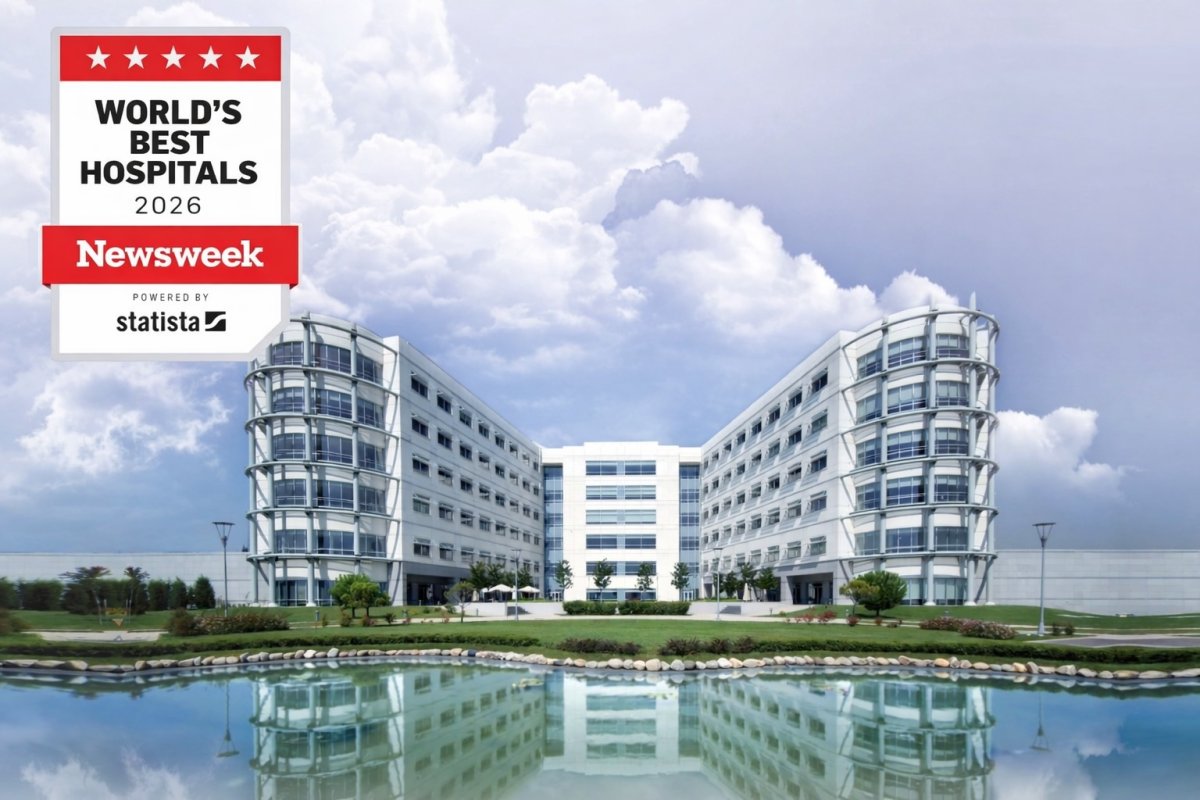





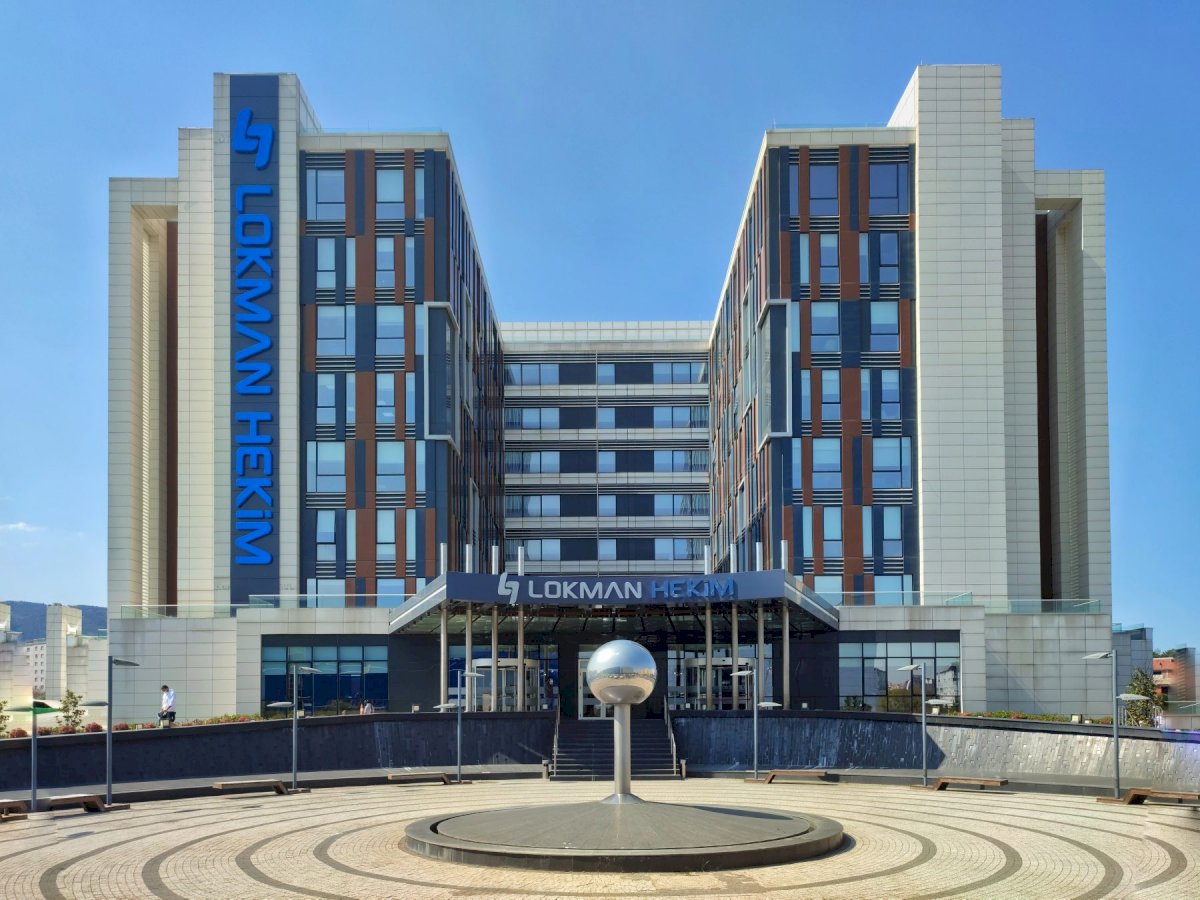
Hospital Lokman Hekim de Estambul (Lokman Hekim Istanbul Hospital)


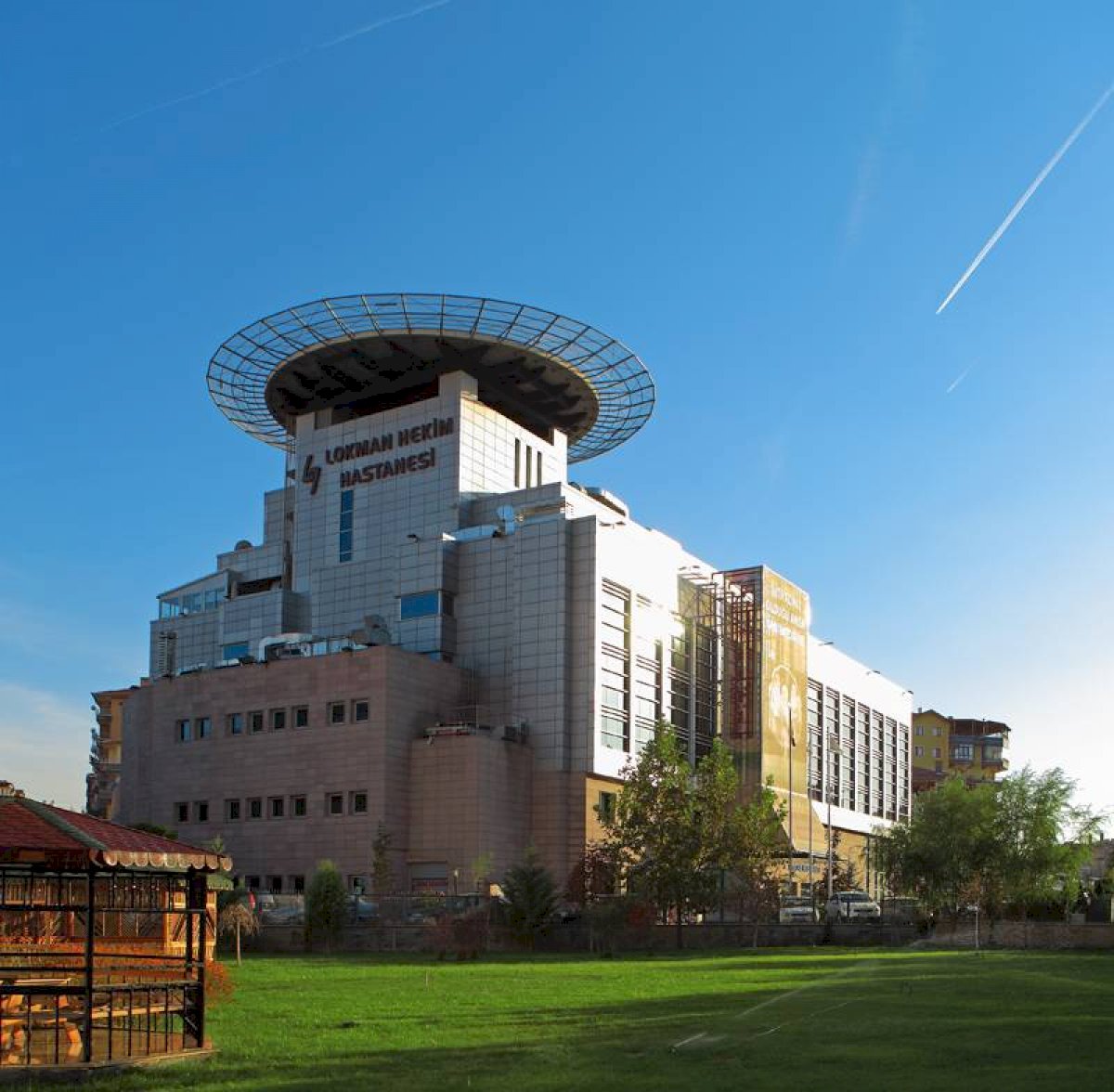
Memorial Ankara Hospital


Descripción general de Quimioterapia para el cáncer de mama en Turquía
- Quimioterapia - de $1,800Esta terapia trata el cáncer mediante el uso de medicamentos para destruir las células cancerosas y prevenir su crecimiento.
- Quimioterapia intraperitoneal hipertérmica (HIPEC) - de $18,000La operación calienta los medicamentos de quimioterapia y los aplica directamente dentro del abdomen para eliminar las células cancerosas ocultas.
- Quimioterapia intraarterial - de $5,000Esta terapia administra medicamentos para combatir el cáncer directamente en el tumor, lo que mejora la eficacia del tratamiento y reduce los efectos secundarios.
- Quimioterapia para el cáncer de hígado - de $2,400Esta terapia ataca y mata las células cancerosas en el hígado, usando medicamentos administrados por vía oral o inyectados.
- Quimioembolización del hígado - de $7,800Esta terapia combina medicamentos anticancerígenos y el bloqueo del suministro de sangre para reducir los tumores hepáticos de forma rápida y eficaz.
- Quimioterapia para el cáncer de laringe - de $2,800Esta terapia ayuda a eliminar las células cancerosas de laringe usando medicamentos potentes, lo que podría preservar la función de la voz.
- Quimioterapia para el cáncer de pulmón. - de $850Esta terapia utiliza medicamentos para matar las células de cáncer de pulmón, a menudo administrados mediante inyección o comprimidos orales, lo que mejora las tasas de supervivencia.
- Quimioterapia para el cáncer de próstata. - de $1,500Esta terapia utiliza medicamentos para eliminar las células cancerosas de la próstata, administrados a través de venas o pastillas, lo que mejora las tasas de supervivencia.
Día 1: Llegada
- Llegada al país y registro en el hotel.
- Descansar y aclimatarse al nuevo entorno.
Día 2: Preoperatorio
- Someterse a una consulta inicial con el oncólogo.
- Hágase un chequeo médico completo.
- Realice una prueba de audiometría para la línea base de audición.
- Pruebas adicionales si es necesario, según su estado de salud.
Día 3: Quimioterapia
- Ingresado en el hospital para tratamiento de quimioterapia.
- Someterse a quimioterapia, que suele durar unas pocas horas.
- No se requiere anestesia ya que el proceso es indoloro.
- Post-tratamiento, reposo en el hospital bajo supervisión médica.
Día 4: Postoperatorio
- Consulta con oncólogo para discutir los efectos del tratamiento.
- Quédese en el hospital para continuar con el control y la atención.
Día 5: Salida
- Alta del hospital y traslado al hotel.
- Descanso y recuperación en el hotel antes del viaje de regreso.
Semana 1-4: Rehabilitación
- Seguimientos regulares con su oncólogo local.
- Regreso gradual al trabajo y otras actividades según lo permitan las fuerzas.
- Participar en ejercicios físicos suaves bajo la dirección.
- Mejora notable en la salud y disminución de los efectos secundarios del tratamiento.
Semana 8: Resultado Final
- Recuperación completa y regreso al estilo de vida normal.
Tenga en cuenta que el proceso puede variar según el estado de salud individual y la respuesta al tratamiento.
- Depósito de Bookimed: 200 $ o 200 €.
- Depósito de la clínica: Pague un porcentaje fijo por adelantado.
Obtenga una evaluación médica de Quimioterapia para el cáncer de mama en Turquía: haga una consulta con 34 médicos experimentados ahora
Ver todos los médicos
Bulent Karagoz
El médico es un oncólogo médico turco altamente experimentado, especializado en sarcoma, linfoma, cáncer de páncreas, pulmón y mama. Con más de 20 años de experiencia, el médico se centra en la biología tumoral, la inmunología tumoral, la inmunoterapia del cáncer y las terapias dirigidas. Desde 2019, el médico ha estado sirviendo como oncólogo médico en el Centro Médico Anadolu y anteriormente ocupó roles de liderazgo en la Facultad de Medicina de la Universidad Okan de Estambul y en el Hospi

Serdar Turhal
La Dra. Eda Tanrikulu se especializa en oncología médica y quimioterapia, brindando atención experta en el Anadolu Medical Center.
- Obtuvo el 3er lugar en Turquía en el examen de especialidad en 2013
- Con experiencia en estudios clínicos internacionales en oncología médica
- Jefa de la unidad de oncología médica en el Hospital de Formación e Investigación Haydarpaşa Numune
- Graduada de universidades de primer nivel, incluidas Ankara y Marmara

Prof. Sezer Sağlam
El Prof. Sezer Sağlam se especializa en oncología gastrointestinal con amplia experiencia en oncología médica. Trabaja en el Hospital Gayrettepe Florence Nightingale.
- Profesor de Oncología Médica desde 2016
- Formación de fellowship en la Universidad de Estambul
- Miembro de ESMO y ASCO
- Anteriormente atendió casos de oncología gastrointestinal
Historias en video de pacientes de Bookimed
Reseñas
Todas las reseñasCompartir contenido
 Olena Sikoza
Datos сlave sobre Quimioterapia para el cáncer de mama

Quimioterapia para el cáncer de mama
La quimioterapia para el cáncer de mama es un tratamiento sistémico que utiliza fármacos para destruir las células cancerosas del organismo.
Preguntas frecuentes sobre Quimioterapia para el cáncer de mama en Turquía
¿Es segura la quimioterapia para el cáncer de mama en Turquía y qué normas de seguridad se siguen?
La quimioterapia para el cáncer de mama en Turquía es excepcionalmente segura en hospitales acreditados que siguen protocolos clínicos internacionales. Más de 35 centros cuentan con la acreditación de la Joint Commission International, lo que garantiza un estándar de oro en la gestión de medicamentos e higiene. Centros de primer nivel como el Anadolu Medical Center colaboran con Johns Hopkins Medicine para mantener estrictos estándares de seguridad estadounidenses.
- Protocolos internacionales: Las clínicas siguen estrictamente las directrices de la American Society of Clinical Oncology y la European Society for Medical Oncology.
- Certificaciones de expertos: Profesores como Yesim Yildirim y Seref Komurcu poseen certificaciones de la European Society for Medical Oncology.
- Atención multidisciplinaria: Las reuniones semanales del Comité de Tumores involucran a oncólogos, cirujanos y radiólogos para minimizar los errores médicos.
- Preparación estéril de medicamentos: Farmacéuticos especializados preparan la quimioterapia en entornos controlados para evitar cualquier riesgo de contaminación.
Perspectiva del experto de Bookimed: Si bien la seguridad es alta en todas las clínicas acreditadas por la JCI, el nivel más profundo de seguridad se encuentra en el Anadolu Medical Center. Su afiliación formal con Johns Hopkins Medicine significa que cada
¿Qué tan calificados están los oncólogos y el personal médico que administran quimioterapia para el cáncer de mama en Turquía?
Los oncólogos en Turquía son especialistas altamente calificados que siguen los protocolos internacionales de la American Society of Clinical Oncology (ASCO). Los profesionales líderes a menudo completan 7 años de residencia y formación de especialización. Muchos poseen certificaciones de la European Society for Medical Oncology (ESMO) y mantienen afiliaciones con instituciones prestigiosas como Johns Hopkins Medicine.
- Credenciales de los cirujanos: Especialistas como el Dr. Necdet Uskent tienen más de 50 años de experiencia y formación en EE. UU.
- Certificaciones avanzadas: Los médicos a menudo poseen certificaciones de la European Society for Medical Oncology (ESMO) y credenciales ECFMG (EE. UU.).
- Estándares hospitalarios: Turquía alberga más de 50 instalaciones acreditadas por la JCI, lo que garantiza protocolos de seguridad y esterilización de alto nivel global.
- Experiencia en enfermería: Las enfermeras oncológicas completan una formación clínica especializada para gestionar los efectos secundarios de la quimioterapia y el cuidado del paciente.
Perspectiva del experto de Bookimed: Una señal importante de calidad es la colaboración directa entre los centros turcos y los mejores hospitales de EE. UU. Por ejemplo, el Anadolu Medical Center sigue los protocolos de Johns Hopkins Medicine. Esto significa que su régimen de quimioterapia en
¿Cuáles son los efectos secundarios comunes a corto y largo plazo de la quimioterapia y cómo se gestionan en las clínicas turcas?
Los efectos secundarios de la quimioterapia en Turquía van desde náuseas y pérdida de cabello a corto plazo hasta problemas a largo plazo como neuropatía o niebla cognitiva. Las clínicas acreditadas por la JCI los gestionan utilizando protocolos de la ESMO, tecnologías de enfriamiento del cuero cabelludo y atención de apoyo multidisciplinaria para minimizar las molestias y mantener la calidad de vida durante los ciclos de tratamiento.
- Gestión de náuseas: Los hospitales proporcionan combinaciones intravenosas contra las náuseas y kits para llevar a casa para los síntomas posteriores a la infusión.
- Preservación del cabello: En los principales centros hay disponibles sistemas avanzados de enfriamiento del cuero cabelludo para reducir la alopecia.
- Apoyo inmunológico: Las inyecciones de G-CSF son estándar en los centros privados para prevenir la neutropenia y las infecciones.
- Cuidado de la neuropatía: Las clínicas integran fisioterapia oncológica y acupuntura para controlar el hormigueo nervioso a largo plazo.
Perspectiva del experto de Bookimed: El Centro Médico Anadolu mantiene una colaboración estratégica con Johns Hopkins Medicine para garantizar que todos los protocolos de quimioterapia sigan los estándares de EE. UU. Esta asociación brinda a los pacientes acceso a la experiencia especializada de oncólogos certificados por la ESMO como
¿Qué resultados médicos o tasas de éxito puedo esperar de la quimioterapia contra el cáncer de mama en Turquía?
La quimioterapia para el cáncer de mama en Turquía arroja una tasa de supervivencia a 5 años de aproximadamente el 85,8 %, alineándose con los estándares médicos occidentales. Las pacientes con cáncer en etapa temprana (Etapa I y II) suelen ver tasas de eficacia entre el 70 % y el 80 %, mientras que la supervivencia a 10 años se mantiene alta en un 76 % en los principales centros oncológicos.
- Tasas de supervivencia: Los centros líderes en Estambul reportan una supervivencia general a 5 años del 85 % al 86 %.
- Protocolos estándar: Las clínicas siguen estrictamente las pautas internacionales de tratamiento de ASCO y ESMO.
- Pruebas avanzadas: El éxito depende de las pruebas HER2/FISH y genéticas para regímenes farmacológicos personalizados.
- Acceso a tecnología: Los centros utilizan Varian TrueBeam y perfiles genómicos para mejorar los resultados.
Perspectiva del experto de Bookimed: Los datos de clínicas de primer nivel como el Anadolu Medical Center muestran que su afiliación con Johns Hopkins Medicine garantiza protocolos de quimioterapia idénticos a los de los hospitales de EE. UU. Si bien el enfoque médico es el mismo, las pacientes a menudo comienzan el tratamiento en días en lugar de semanas. Este acceso rápido a la quimioterapia neoadyuvante puede ser un factor decisivo en la reducción del tumor antes de la cirugía.
Con
¿Qué medicamentos y protocolos se utilizan habitualmente para la quimioterapia del cáncer de mama en Turquía?
La quimioterapia para el cáncer de mama en Turquía sigue los estándares oncológicos internacionales, utilizando protocolos como AC-T, FEC y CMF. Los especialistas en centros acreditados por la JCI administran medicamentos como Doxorrubicina, Paclitaxel y Trastuzumab. El tratamiento suele incluir de 4 a 6 ciclos programados cada 2 a 3 semanas para garantizar el control sistémico y la recuperación.
- Protocolos estándar: Los centros utilizan regímenes basados en AC/FAC y taxanos siguiendo las directrices de la ESMO y la ASCO.
- Terapias dirigidas: Los casos HER2 positivos reciben Trastuzumab o Pertuzumab con monitorización cardíaca obligatoria.
- Agentes avanzados: Las inmunoterapias como el Pembrolizumab están disponibles para el cáncer de mama triple negativo de alto riesgo.
- Disponibilidad de medicamentos: Los centros a menudo prefieren el Docetaxel sobre el Paclitaxel debido al suministro hospitalario local constante.
Perspectiva del experto de Bookimed: Si bien muchos pacientes se centran en los nombres de los medicamentos, el verdadero diferenciador en Turquía es la afiliación con instituciones estadounidenses. Centros como el Anadolu Medical Center colaboran directamente con Johns Hopkins Medicine para replicar los protocolos de tratamiento estadounidenses. Esta asociación garantiza que los pacientes reciban secuencias de medicamentos y e
¿Cuál es el cronograma típico y el proceso de recuperación durante y después de la quimioterapia?
La quimioterapia para el cáncer de mama en Turquía sigue generalmente un cronograma de 4 a 8 ciclos durante un período de 3 a 6 meses. La recuperación comienza con un período de descanso de 24 a 48 horas después de cada infusión, mientras que los niveles de energía completos y el crecimiento del cabello generalmente regresan dentro de 1 a 3 meses después de la última sesión.
- Ciclos de tratamiento: Se administran cada 21 días para permitir la reposición de células sanas.
- Duración de la infusión: Las sesiones duran de 1 a 4 horas en hospitales de día ambulatorios.
- Ritmo de los síntomas: La fatiga generalmente alcanza su punto máximo entre los días 3 y 7 de cada ciclo.
- Crecimiento del cabello: El nuevo crecimiento suele aparecer de 1 a 3 meses después de suspender el tratamiento.
Perspectiva del experto de Bookimed: Los datos de centros turcos líderes como el Anadolu Medical Center revelan un cambio hacia el modelo ambulatorio. Los pacientes pasan solo 2 días en el hospital para pruebas preliminares y luego se trasladan a hoteles cercanos. Esta menor exposición clínica a menudo acelera el proceso de recuperación emocional mientras se mantiene el acceso a protocolos de nivel Johns Hopkins utilizados por profesores como Bulent Karagoz.
Consenso de los pacientes: Muchos pacientes descubren que las llagas en la boca se
¿Qué servicios generales de apoyo en el país están disponibles para pacientes internacionales que reciben quimioterapia?
Los pacientes internacionales en Turquía acceden a un apoyo integral que incluye coordinadores personales dedicados, traducción médica en varios idiomas y asistencia logística. Los principales centros oncológicos como el Anadolu Medical Center y Memorial Sisli brindan atención acreditada por la JCI integrada con ayuda para la extensión de visas, traslados al aeropuerto y coordinación de alojamiento local, específicamente para ciclos de quimioterapia a largo plazo.
- Coordinación logística: El personal dedicado ayuda con las extensiones de visa y los traslados aeropuerto-hotel-clínica para ciclos de 6 meses.
- Apoyo lingüístico: Los intérpretes en el lugar facilitan la comunicación durante las sesiones de quimioterapia y traducen la documentación médica.
- Asistencia con el alojamiento: Las clínicas ayudan a asegurar apartamentos amueblados para estancias largas u hoteles ubicados a 10-15 minutos de distancia.
- Comodidades culturales: Las instalaciones ofrecen personalización de comidas halal y salas de oración adaptadas para pacientes internacionales.
Perspectiva del experto de Bookimed: Los centros oncológicos turcos de primer nivel a menudo funcionan como afiliados de Johns Hopkins Medicine International, lo que significa que los protocolos de apoyo reflejan los estándares de EE. UU. Por ejemplo, el Anadolu Medical Center emplea coordinadore