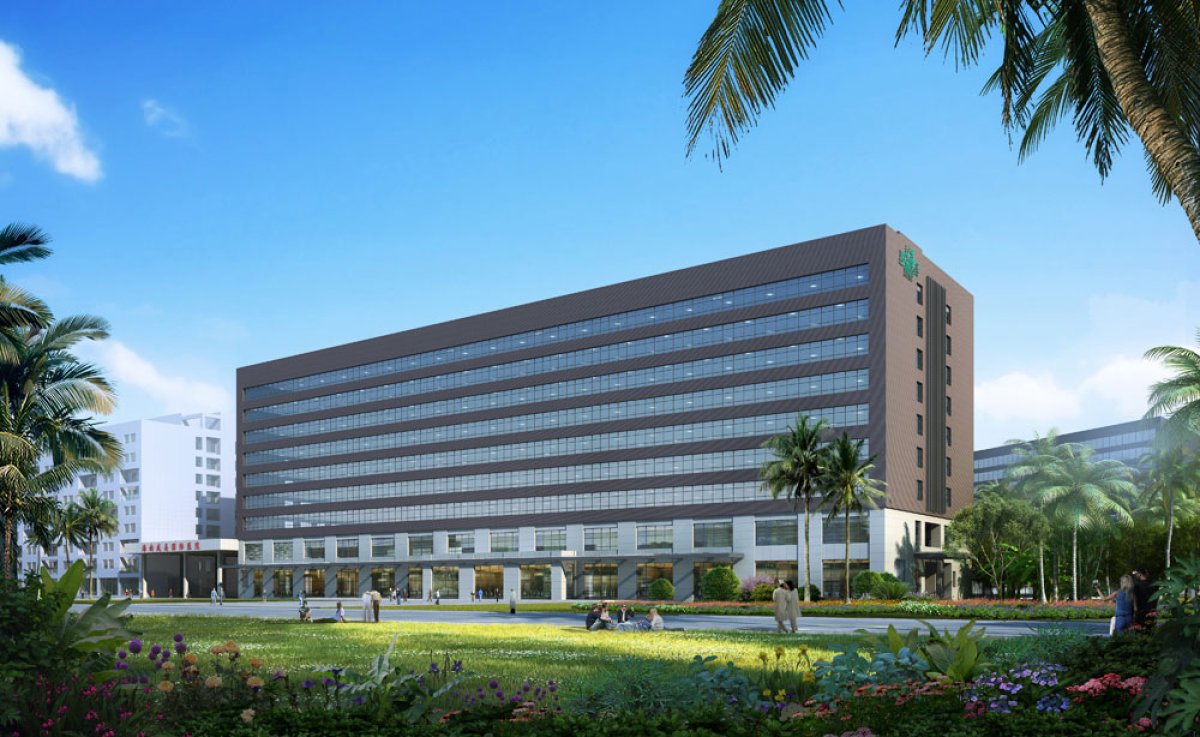
Fuda Cancer Hospital
China, Cantón


Revisado médicamente por
Fahad Mawlood
El costo del tratamiento del melanoma en China está influenciado por la etapa de la enfermedad y el enfoque clínico, con tratamientos esenciales como la escisión amplia del melanoma que oscilan entre $2,600 y $4,800. La terapia con células asesinas naturales cuesta entre Precio a consultar y Precio a consultar para casos avanzados. Los pacientes pueden ahorrar aproximadamente entre un 60 y un 80% en comparación con los precios de EE. UU. Los principales centros médicos incluyen Guangzhou, Pekín y Xiamen.
Costos típicos del tratamiento del melanoma en China
Perspectiva de los expertos de Bookimed: Los pacientes con melanoma avanzado encuentran un gran valor en los centros multidisciplinarios de Guangzhou. El Hospital Oncológico Fuda es el mejor para casos en etapa avanzada, ofreciendo NanoKnife y criocirugía para tumores complejos. Para lesiones localizadas, el Hospital Jinshazhou ofrece técnicas de ablación expertas bajo la dirección de la Dra. Liuying. Los hospitales de Clase 3A de alto nivel garantizan estándares de seguridad acreditados por la JCI a las tarifas más competitivas. Las terapias celulares especializadas siguen siendo significativamente más asequibles aquí que en las clínicas occidentales.
| China | España | Turquía | |
|---|---|---|---|
| Terapia tópica del melanoma | ≈ $3,500 | de $5,000 | ≈ $1,800 |
| Terapia con Actinio-225 | ≈ $28,000 | ≈ $28,000 | de $20,500 |
| Microcirugía de Mohs | ≈ $2,200 | de $7,300 | ≈ $1,500 |
| Inmunoterapia con Keytruda (Pembolizumab) | ≈ $4,500 | de $10,300 | de $3,900 |
| Halcyon | ≈ $9,000 | ≈ $6,500 | ≈ $9,500 |

Médico jefe y profesor. Experto de nivel 1 en el Centro Oncológico del West China Hospital, Sichuan University (clasificado n.º 2 en China). Completó un posdoctorado en radiología intervencionista en el Chinese PLA General Hospital. Dirige equipos multidisciplinarios (MDT) para tumores complejos. Experto en oncología intervencionista mínimamente invasiva para cánceres de hígado, pulmón y páncreas.
Acreditaciones: Miembro del consejo, WATA. Miembro de los comités de CACA y CMDA sobre in

El profesor Luo Xiaoping es un radiólogo intervencionista reconocido a nivel nacional y una autoridad destacada en el oeste de China. Comenzó a realizar intervenciones vasculares pioneras a principios de la década de 1990. Ayudó a fundar el Grupo de Intervencionismo del Segundo Hospital Afiliado de la Universidad Médica de Chongqing.
Ha realizado más de 100 000 procedimientos intervencionistas, incluidos unos 4 000 casos complejos. Sus competencias clave incluyen TACE para el carcinoma

El Dr. He Weibing es pionero de la crioablación con argón‑helio en China, con más de 20 años de práctica en primera línea. Fue miembro fundador del Hospital Oncológico Fuda (Guangzhou). Cofundó su Centro de Tratamiento Tumoral Mínimamente Invasivo y fue subdirector ejecutivo. También ayudó a crear el Grupo de Ablación de la Asociación China contra el Cáncer. Ha sido operador principal en más de 10.000 procedimientos.
Se especializa en crioablación tumoral y domina la braquiterapia con

El profesor Xiao Yueyong es médico jefe del Departamento de Radiodiagnóstico del Hospital General del EPL de China. Es un experto líder en oncología intervencionista mínimamente invasiva. Es el primer presidente de WATA (2025–). Preside la Sociedad Internacional (2020–) y la Sociedad Asiática (2012–) de Crioterapia. También es subjefe del Grupo de Expertos de la NHC sobre regulaciones de ablación tumoral (2009–).
Ha realizado más de 100 000 procedimientos mínimamente invasivos guiados

Escrito por Вероника Казина
Escrito por undefined undefined

Escrito por Veronika Kazina

Escrito por Veronika Kazina

Escrito por Veronika Kazina
 Olena Sikoza
En China, el melanoma se trata con cirugía, inmunoterapia y terapia dirigida. Los centros especializados se centran en el melanoma agresivo de tipo acro y mucinoso. Instituciones médicas acreditadas por la JCI, como el Hospital Oncológico Fuda, ofrecen más de 10 tratamientos mínimamente invasivos. Entre ellos se incluyen la criocirugía y la tecnología NanoKnife para casos avanzados.
Opinión de expertos de Bookimed: Un análisis de la disponibilidad de servicios clínicos muestra que Guangzhou es un centro de oncología intervencionista especializada en melanoma. La Dra. Liuying, del Hospital Jinshazhou, integra la ablación por microondas con los métodos tradicionales de tratamiento del cáncer. Este enfoque de ablación térmica ofrece una alt
La inmunoterapia moderna con inhibidores de PD-1 y PD-L1 está ampliamente disponible y es clínicamente eficaz en China. Los pacientes pueden acceder a más de 20 fármacos aprobados, entre los que se incluyen marcas internacionales como Keytruda y análogos de producción nacional como Toripalimab. Los estudios muestran tasas de éxito comparables a las de las guías internacionales.
Opinión de expertos de Bookimed: En China, existen protocolos de tratamiento especializados para el melanoma acromial y mucinoso, más frecuentes en poblaciones asiáticas. Las instituciones médicas acreditadas por la JCI suelen combinar la dosificación de inhibidores de PD-1 según el peso con tratamientos mínimamente invasivos como la criocirugía. Este enfoque multidisciplinario puede mejorar el control local del tumor en casos donde la cir
En China, el melanoma afecta principalmente a las palmas de las manos, las plantas de los pies y las mucosas. Esto contrasta con las poblaciones occidentales, donde la exposición al sol es frecuente. Los pacientes chinos suelen acudir a consulta en etapas avanzadas de la enfermedad. Las mutaciones genéticas como KIT y NRAS son más comunes que las mutaciones BRAF, que se observan en personas de raza caucásica.
Opinión de expertos de Bookimed: Los datos del Hospital Oncológico Fuda demuestran un compromiso con métodos de tratamiento especializados y mínimamente invasivos. Se ofrecen NanoKnife e hipertermia por microondas para el tratamiento de casos avanzados. La Dra. Liuying, del Hospital Jinshazhou, trata metástasis hepáticas complejas de melanoma mediante ablación intervencionista. Esta especialización en el tratamiento de casos avanzados refleja la realidad clínica del d
Los pacientes internacionales pueden participar en ensayos clínicos de melanoma en China si cumplen con ciertos criterios médicos. Los centros chinos se especializan en terapias celulares, como la terapia con linfocitos infiltrantes de tumores (TIL). Pueden participar pacientes de más de 100 países. La participación requiere resultados detallados de biopsia e imágenes que demuestren la presencia de lesiones medibles.
Reseña de expertos de Bookimed: El enfoque se centra en centros académicos de Guangzhou, donde especialistas como la Dra. Liuying se especializan en el tratamiento de metástasis de melanoma en el hígado. Estos hospitales atienden a más de 30 000 pacientes internacionales anualmente, combinando a menudo la
El tratamiento especializado del melanoma en China se concentra en instituciones médicas acreditadas por la JCI en Guangzhou y Pekín. Hospitales como el Hospital Oncológico Fuda y el Hospital Jinshazhou ofrecen tratamientos mínimamente invasivos avanzados, incluyendo la nanocirugía y la criocirugía. Los centros oncológicos chinos combinan la extirpación quirúrgica del tumor con inmunoterapia y terapia celular multidisciplinarias.
Opinión de los expertos de Bookimed: Si necesita alternativas no quirúrgicas a la quimioterapia, concéntrese en las clínicas de Guangzhou. El Hospital Oncológico Fuda utiliza más de 10 tipos de tratamientos mínimamente invasivos. Esto es ideal para casos avanzados en los que la cirugía tradicional no es una opción. La Dra. Liuying, del Hospital Jinshazhou, utiliza la ablación por microondas específicamente para tratar el melanoma metastásico.
Los protocolos de tratamiento para el melanoma acrol y mucinoso difieren significativamente de los de las formas cutáneas de la enfermedad en cuanto a los márgenes quirúrgicos y la respuesta sistémica. Si bien las formas cutáneas suelen responder bien a la inmunoterapia, las variantes de melanoma acrol y mucinoso a menudo requieren terapia dirigida contra KIT e intervenciones quirúrgicas especializadas para preservar la función palmar, plantar o de las mucosas.
Opinión de expertos de Bookimed: Si bien los protocolos occidentales se centran principalmente en los inhibidores de PD-1, los centros chinos acr
En China, la inmunoterapia, los fármacos dirigidos a mutaciones genéticas específicas y las técnicas avanzadas de ablación se utilizan para tratar el melanoma moderno. Además de la cirugía, los pacientes tienen acceso a inhibidores de puntos de control inmunitario como Toripalimab y Pembrolizumab. Centros especializados integran la criocirugía y la tecnología NanoKnife. Estos métodos están dirigidos al tratamiento eficaz de casos metastásicos y subtipos de melanoma mucoso.
Opinión de expertos de Bookimed: China es un centro único que combina la inmunoterapia tradicional con métodos avanzados de ablación. En el Hospital Oncológico Fuda, más de 30 000 pacientes han sido tratados con la terapia "3C" (criocirugía, intervención microvascular para el cáncer e inmunoterapia comb