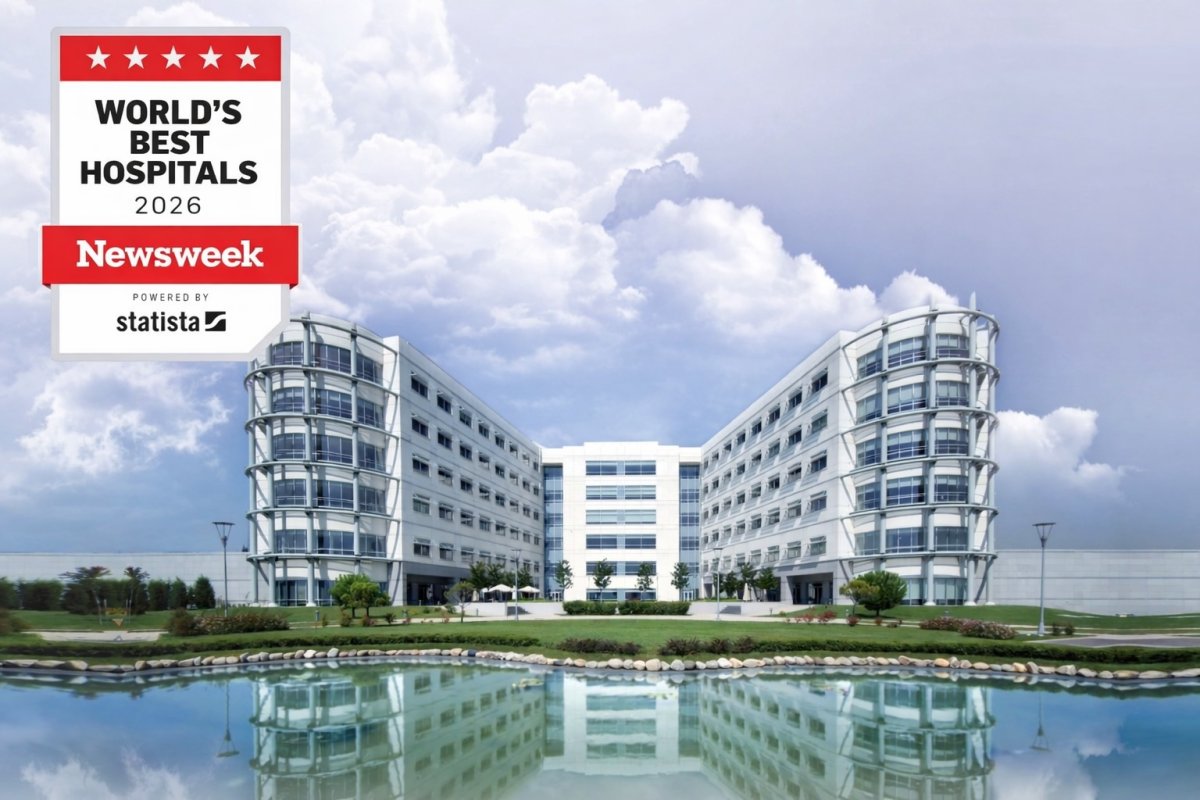
Centro médico Anadolu
Turquía, Estambul
Bulent Karagoz
33 años de experiencia

Clínica certificada por : 



Revisado médicamente por
Fahad Mawlood
El costo del tratamiento del melanoma en Turquía puede variar dependiendo del plan de tratamiento seleccionado. Una consulta con un oncólogo radioterápico cuesta 190 €, y 5 fracciones de radiocirugía estereotáctica (SRS) tienen un precio de 6.160 €. Una resonancia magnética del cerebro con contraste cuesta 710 €. Un escaneo PET-CT cuesta 665 €, y una prueba de mutación BRAF es aproximadamente 1.710 €. El tratamiento de inmunoterapia, que consiste en tres cursos, comienza en 5.320 € para el primer curso y 5.220 € para cada uno de los siguientes. El plan de tratamiento se personaliza según las necesidades del paciente y la evaluación del médico.
| España | Turquía | México | |
|---|---|---|---|
| Terapia tópica del melanoma | de $5,000 | ≈ $1,800 | ≈ $1,800 |
| Terapia con Actinio-225 | ≈ $28,000 | de $20,500 | ≈ $14,000 |
| Microcirugía de Mohs | de $7,300 | ≈ $1,500 | ≈ $2,500 |
| Inmunoterapia con Keytruda (Pembolizumab) | de $10,300 | de $3,900 | ≈ $3,800 |
| Halcyon | ≈ $6,500 | ≈ $9,500 | ≈ $14,000 |
Más de 900 procedimientos de melanoma realizados: el Dr. Bülent Karagöz se especializa en inmunoterapia y terapias dirigidas en el Anadolu Medical Center.
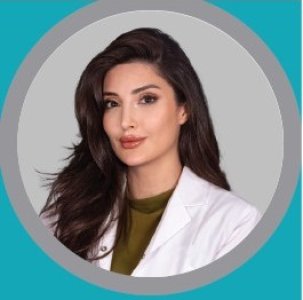
La Dra. Nur Afsar es médica con más de siete años de experiencia en estética médica. Está especializada en aplicaciones de toxina botulínica, rellenos dérmicos, mesoterapia y rejuvenecimiento cutáneo. Es reconocida por su atención personalizada y basada en la evidencia. Posee habilidades avanzadas en Ultherapy, Radiesse, hilos tensores y contorno facial no quirúrgico.
Obtuvo su título de médica en la Universidad Eskişehir Osmangazi y tiene una maestría en Estética Médica. Ha trabajado
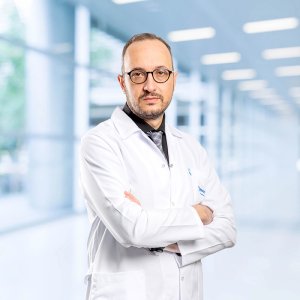
El Dr. Emre Gunbey es especialista en ORL en el Hospital Lokman Hekim de Estambul. Ha realizado más de 3.000 procedimientos de rinoplastia. El Dr. Gunbey cuenta con la certificación del European Board of Otorhinolaryngology. Adquirió experiencia internacional como observador en la Clínica Mayo de EE. UU.

La Prof. Dra. Eda Tanrikulu se especializa en melanoma maligno metastásico y desempeña un papel de liderazgo en la evaluación de casos de cáncer en el Anadolu Medical Center.

Escrito por Вероника Казина
Escrito por undefined undefined

Escrito por Veronika Kazina

Escrito por Veronika Kazina

Escrito por Veronika Kazina
 Olena Sikoza
Los centros oncológicos turcos ofrecen tratamientos integrados para el melanoma, que incluyen escisión local amplia, microcirugía de Mohs e inmunoterapia con medicamentos como Keytruda. Las instalaciones acreditadas por la JCI siguen los protocolos internacionales NCCN. También están disponibles opciones especializadas como la terapia con Actinio-225 y la terapia con células asesinas naturales (Natural Killer) para casos avanzados en Estambul.
Perspectiva del experto de Bookimed: El Centro Médico Anadolu destaca por ser la única instalación turca afiliada a Johns Hopkins Medicine. Integra atención oncológica acreditada por la OECI con un alto volumen de pacientes de 65,000 al año. Esta combinación de estándares médicos estadounidenses y experiencia quirúrgica de alta frecuencia generalmente resulta en revisiones histopatológicas diagnó
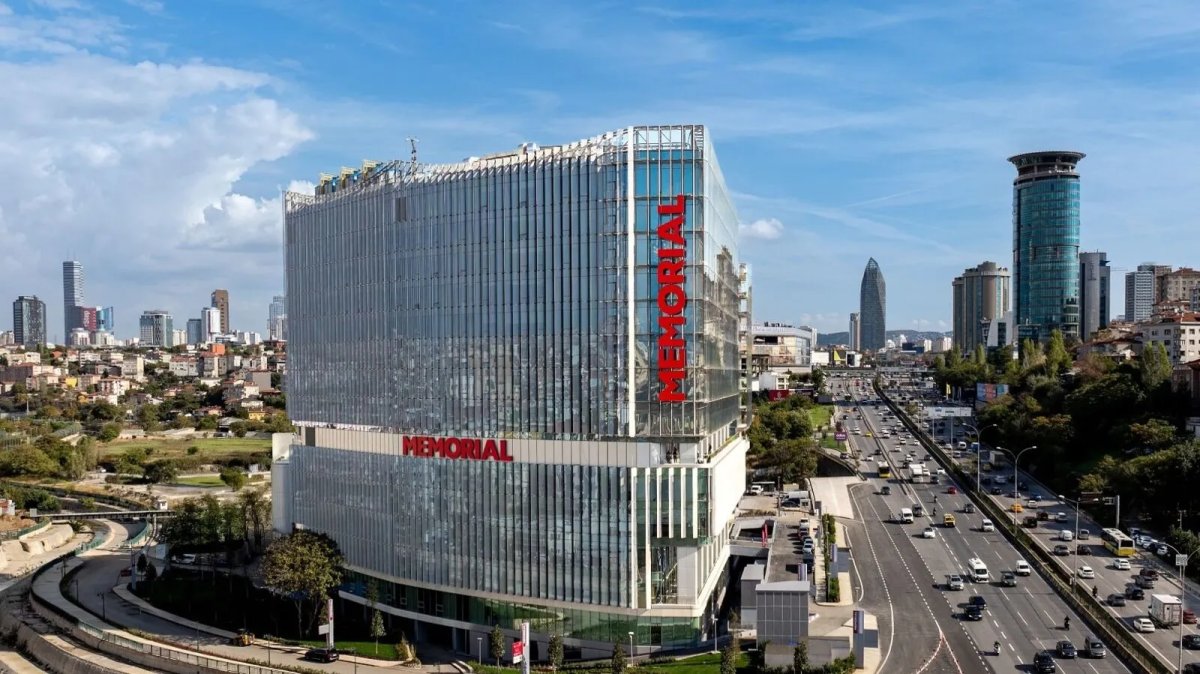
La atención de primer nivel para el melanoma en Turquía se concentra en centros acreditados por la JCI, como el Anadolu Medical Center y el Memorial Şişli Hospital. Estas instalaciones ofrecen tratamientos multidisciplinarios. Los pacientes acceden a inmunoterapia avanzada como Keytruda y diagnósticos de precisión. Los especialistas líderes a menudo poseen certificaciones de juntas estadounidenses o europeas.
Perspectiva del experto de Bookimed: Los datos muestran una tendencia clara en la que las clínicas mejor valoradas de Estambul aprovechan las afiliaciones internacionales para casos complejos de melanoma. El Anadolu Medical Center atiende a 65,000 pacientes al año a través de su asociación con Johns Hopkins. Para estadios avanzados, busque centros con tecnología PET/CT digital, como el Hospital Istanbul Florence Nightingale. Este equipo es vital para detectar pequeñas metástasis que los escaneos e
Los principales especialistas en melanoma en Turquía incluyen oncólogos médicos y cirujanos en centros acreditados por la JCI en Estambul. Expertos como el Dr. Bulent Karagoz y la Dra. Yesim Yildirim se especializan en inmunoterapia avanzada y terapias dirigidas. Estos médicos colaboran con especialistas de Johns Hopkins Medicine para ofrecer estándares de tratamiento internacionales.
Perspectiva del experto de Bookimed: El Anadolu Medical Center destaca en el cuidado del melanoma debido a sus acreditaciones duales OECI y ESMO. Mientras que muchas clínicas ofrecen cirugía estándar, este centro integra diagnósticos de nivel Johns Hopkins como PET/CT digital y análisis de mutación genética BRAF. Esta infraestructura de alta tecnología atiende a 65,000 pacientes anuales y facilita terapias sistémicas complejas que a menudo no están disponibles en
El melanoma en etapa temprana tratado en centros oncológicos turcos muestra tasas de supervivencia de entre el 98% y el 100%. Estas instalaciones logran una tasa de supervivencia a cinco años del 90% para casos localizados. La supervivencia del melanoma metastásico avanzado ha alcanzado el 50% mediante inmunoterapia. Los resultados se alinean con los estándares internacionales establecidos por instituciones acreditadas por la JCI.
Perspectiva del experto de Bookimed: Los centros oncológicos turcos como el Anadolu Medical Center mantienen un alto estándar de atención a través de su afiliación directa con el Johns Hopkins Hospital. Esta asociación garantiza que los pacientes reciban los mismos protocolos de tratamiento utilizados en los Estados Unidos. Con más de 65,000 pacientes tratados anualmente en esta instalación, el alto volumen de casos contrib
Viajar es generalmente seguro de 10 a 14 días después de una cirugía de melanoma una vez que comienza la cicatrización inicial. La mayoría de los expertos recomiendan esperar de 7 a 10 días para vuelos cortos. Los viajes de larga distancia deben retrasarse al menos de 2 a 3 semanas para minimizar los riesgos de coágulos sanguíneos.
Perspectiva del experto de Bookimed: Los centros de oncología turcos a menudo utilizan un enfoque multidisciplinario que involucra tanto a cirujanos plásticos como a oncólogos. Por ejemplo, el Dr. Haluk Duman del Centro Médico Anadolu se especializa en cirugías de tumores de piel con más de 35 años de experiencia. Esta colaboración garantiza que las necesidades reconstructivas se cumplan junto con los estándares oncológicos, lo que puede agilizar el cronograma de recuperación para los pacientes internacionales.
Consenso de los pacientes: Los pacientes señalan que volar dema