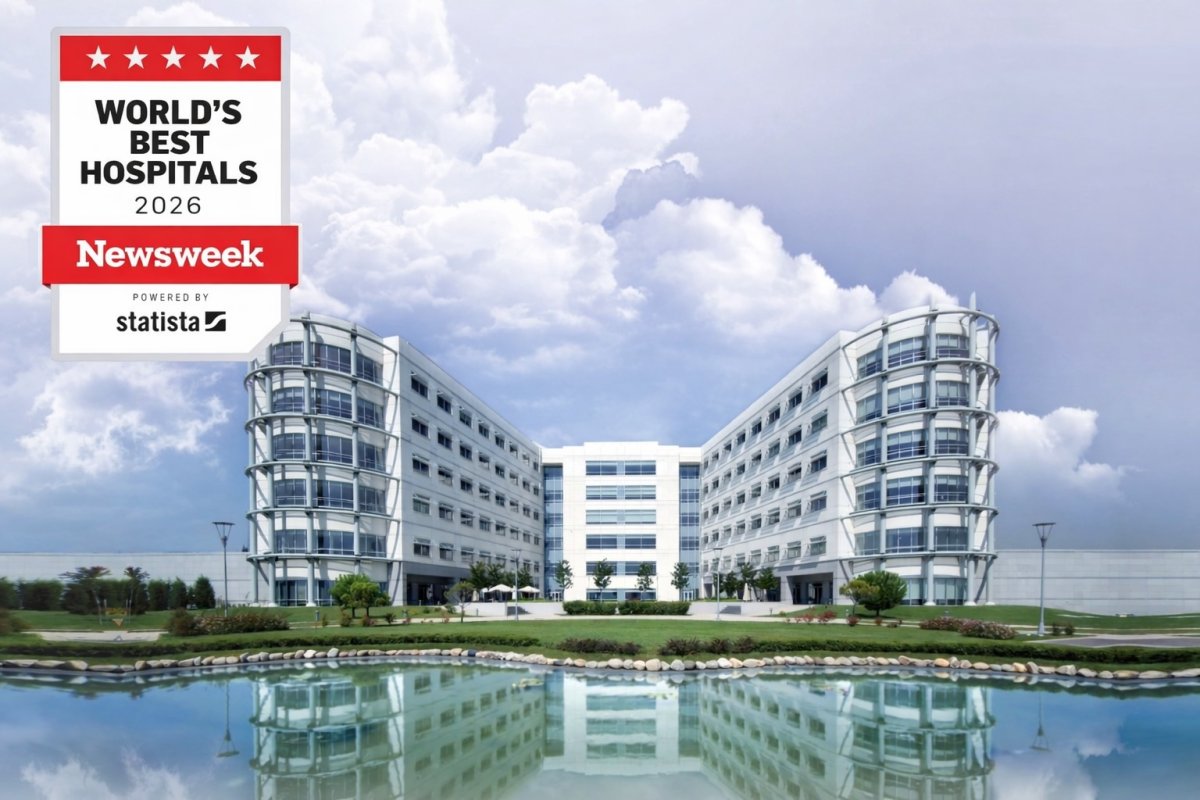
Centro médico Anadolu
Turquía, Estambul
Bulent Karagoz
33 años de experiencia

Clínica certificada por : 






Revisado médicamente por
Yesim Yildirim
El costo de la inmunoterapia con Keytruda (pembrolizumab) en Turquía suele oscilar entre $2,800 y $7,000. El precio varía según la cantidad de ciclos de tratamiento, el hospital y si se requieren servicios oncológicos adicionales. En Estados Unidos, el precio promedio es $17,800 (según NCCN). Esto significa que la inmunoterapia con Keytruda en Turquía cuesta aproximadamente un 72% menos que en EE. UU.
Los hospitales turcos suelen incluir en el paquete el costo del medicamento Keytruda, las consultas con el oncólogo, las sesiones de infusión y los análisis de sangre rutinarios. En EE. UU., los precios a menudo solo cubren el medicamento, con cargos separados por la infusión, las tarifas de las instalaciones y el monitoreo. Siempre confirmar exactamente qué está incluido en el plan de tratamiento con cada clínica.
| España | Turquía | México | |
|---|---|---|---|
| Inmunoterapia con Keytruda (Pembolizumab) | de $13,500 | de $2,800 | ≈ $3,800 |








El médico es un oncólogo médico turco altamente experimentado, especializado en sarcoma, linfoma, cáncer de páncreas, pulmón y mama. Con más de 20 años de experiencia, el médico se centra en la biología tumoral, la inmunología tumoral, la inmunoterapia del cáncer y las terapias dirigidas. Desde 2019, el médico ha estado sirviendo como oncólogo médico en el Centro Médico Anadolu y anteriormente ocupó roles de liderazgo en la Facultad de Medicina de la Universidad Okan de Estambul y en el Hospital de Entrenamiento GATA Haydarpaşa. El médico ha sido autor de más de 40 publicaciones en investigación del cáncer y es miembro de la Asociación Turca de Oncología Médica y de la Sociedad Europea de Cabeza y Cuello.<\/p>

El Dr. Serdar Turhal es un oncólogo con mucha experiencia que se especializa en oncología médica y quimioterapia para el cáncer de mama en el Centro Médico Anadolu. Es miembro de muchas asociaciones internacionales de oncología y es autor de numerosos artículos en publicaciones internacionales. Se especializa en factores pronósticos y la terapia de neoplasias gastrointestinales malignas. Para recibir una consulta del Dr. Turhal, envíe una solicitud en Bookimed.
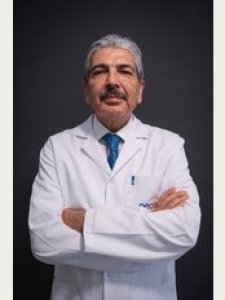
El Dr. Mehmet Salih Iyikesici es oncólogo médico. Su labor se centra en la quimioterapia con soporte metabólico (MSCT), la atención oncológica con dieta cetogénica, la hipertermia, la oxigenoterapia hiperbárica y la terapia de potenciación con insulina. Se enfoca en los cánceres de mama, páncreas y estómago.
Es especialista en Oncología Médica en Neolife Medical Center (2026–presente). Antes trabajó en Private Bahçelievler Medical Park (2013–2026), Medicana Beylikdüzü (2010–2013), Silivri Anadolu (2009–2010), Diyarbakır Training and Research (2008–2009) y Bursa Çekirge State (2006–2008). Anteriormente fue especialista en Medicina Interna (1997–2003). Fue profesor asistente en la Universidad Altınbaş (2014–2026).
Formación: subespecialidad en Oncología Médica, Universidad de Mármara (2003–2006); Medicina Interna, Istanbul Haydarpaşa Numune (1992–1996); Medicina, Universidad de Uludağ (1985–1990). Miembro de la Asociación de Oncología Médica (desde 2004). Su investigación reciente (2019–2020) abarca los cánceres gástrico, mamario, pancreático y pulmonar. Los temas incluyen la supervivencia a largo plazo en el cáncer de páncreas metastásico y la viabilidad en el cáncer de pulmón no microcítico metastásico (CPNM).

El doctor se especializa en el manejo del cáncer de mama, colorrectal y del sistema urogenital. Con amplia experiencia desde 2014 en el Centro Médico Anadolu, el doctor ha servido previamente en el Hospital Medical Park, el Hospital de Educación e Investigación Kocaeli Derince y el Hospital Regional de Educación e Investigación de Erzurum. El servicio militar del doctor incluyó un papel como especialista en Oncología Médica en la Academia Médica Militar de Gülhane.<\/p>
Los logros educativos incluyen un título en medicina general de la Universidad de Estambul y especializaciones en medicina interna y oncología médica. El doctor es miembro de la Asociación Médica Turca, la Sociedad Turca de Oncología Médica y la Sociedad Turca de Cáncer de Pulmón.<\/p>
 Olena Sikoza

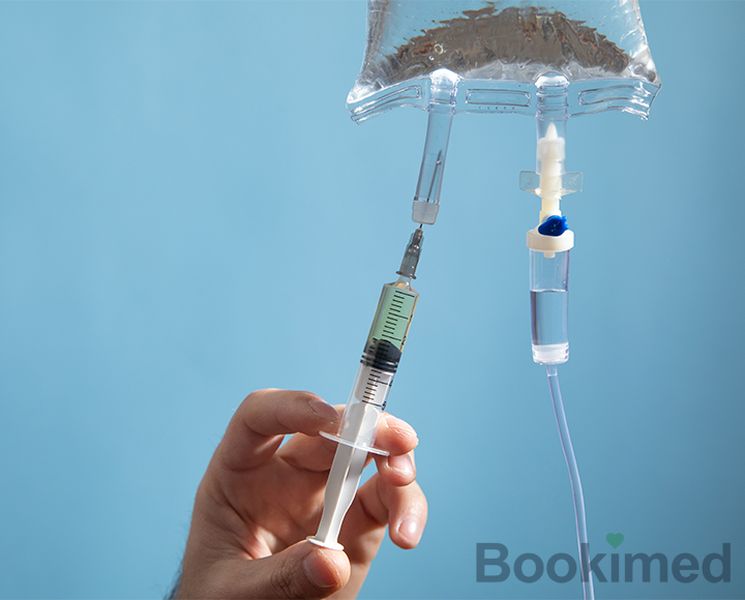
Keytruda, una forma de terapia basada en la inmunidad, aprovecha el sistema inmunitario del organismo para atacar y destruir las células cancerosas mediante anticuerpos monoclonales.
Keytruda works differently from chemotherapy. Rather than attacking every fast-dividing cell, it releases your own immune T-cells to find and destroy cancer. That targeted approach is often gentler day-to-day. In Turkey, the first trip usually lasts 1–2 weeks, from pathology review to your first infusion. JCI-accredited oncology centers, led by ESMO-certified specialists, confirm eligibility, set the schedule, and stay in touch after you go home.
Whether Keytruda will help you is decided by a lab test. Some cancer cells protect themselves by using a protein called PD-1/PD-L1, which acts as a signal that turns off your immune cells before they can attack the tumor. A biomarker test on your tumor tissue checks if your cancer relies on this 'off signal' – showing whether Keytruda can block it and allow your immune system to fight the cancer.
PD-L1 is measured with the FDA-approved 22C3 test and reported as two scores. The Tumor Proportion Score (TPS) is the share of tumor cells that test positive. The Combined Positive Score (CPS) also counts nearby immune cells. For first-line single-agent Keytruda in advanced lung cancer, a TPS of at least 1% qualifies patients for treatment. A score of 50% or higher offers the strongest therapeutic benefit.
PD-L1 is not the only route. Two others look at the DNA inside your tumor instead.
The first route is faulty DNA repair. Healthy cells fix copying errors every time they divide. Some tumors lose that repair system. Doctors call such a tumor mismatch repair deficient (dMMR), or microsatellite instability-high (MSI-H). Errors pile up, and the tumor cells end up looking clearly abnormal. Your immune system spots abnormal cells more easily, so these tumors respond to Keytruda more often. The FDA approved Keytruda for any advanced solid tumor with this profile. It applies once earlier treatment has stopped working.
The second route is a very high mutation count. Tumor mutational burden counts the mutations inside the tumor. Labs report it per megabase, meaning per million letters of DNA. Ten or more per megabase counts as high. The FDA approved Keytruda for these tumors too, again after earlier treatment has failed.
Both profiles are read from tumor tissue your doctors already have. A staining test shows whether the repair proteins are missing. Gene sequencing counts the mutations. Neither usually needs a new biopsy.
The main qualifying routes and their tests:
| Your situation | What the lab must show | Which test |
|---|---|---|
| Lung cancer, as your first treatment | PD-L1 TPS ≥1% (best ≥50%) | PD-L1 stain |
| Triple-negative breast, esophageal squamous cell | PD-L1 CPS ≥10 | PD-L1 stain |
| Stomach, cervical, head and neck squamous cell | PD-L1 CPS ≥1 | PD-L1 stain |
| Any advanced cancer, after earlier treatment | Faulty DNA repair (MSI-H or dMMR) | Staining test or gene sequencing |
| Any advanced cancer, after earlier treatment | 10 or more mutations per megabase (TMB-High) | Gene sequencing |
Bring your pathology and biopsy blocks, plus any PD-L1, MSI, or gene-sequencing reports. A Turkish oncologist can confirm eligibility from these remotely, before you arrange any travel.
Bookimed Expert Insight: use that first remote review to ask questions, not only to send files. In Bookimed reviews, patients praise one thing most often. The oncologist explains the immunotherapy plan and its side effects without rushing. ESMO-certified oncologists such as Yesim Yildirim and Seref Komurcu review your case before you commit.
Keytruda is a short infusion. Its schedule is more flexible than many patients expect. That matters when each cycle means a trip. These options come straight from the drug's FDA labeling and apply at any clinic, so ask which schedule yours offers.
Two single-agent IV schedules are interchangeable: 200 mg every 3 weeks, or 400 mg every 6 weeks. The every-6-weeks option roughly halves the number of clinic visits. Each infusion takes about 30 minutes. When Keytruda is combined with chemotherapy, teams use the 200 mg every-3-weeks schedule.
Keytruda also comes as a skin injection called Qlex, which pairs pembrolizumab with an enzyme that helps it absorb. The FDA approved it in September 2025 for every solid-tumor use already approved for the IV form. A nurse gives it in the thigh or abdomen in about 1–2 minutes. That cuts time in the treatment suite by up to half. In its trial, Qlex matched the IV drug's blood levels. Tumor shrinkage was comparable, too.
For a traveling patient, the three options weigh up differently:
| Option | Dose and interval | In clinic | Travel impact |
|---|---|---|---|
| Standard IV | 200 mg / 3 weeks | ~30 min | More frequent trips |
| Extended IV | 400 mg / 6 weeks | ~30 min | Half as many trips |
| Subcutaneous Qlex | Injection / 3 or 6 weeks | ~1–2 min | Shortest visit |
Course length depends on the goal. After surgery, it runs up to 12 months, about 18 doses. For advanced disease, it continues up to 24 months, around 35 cycles, or for as long as it keeps working. On single-agent maintenance, ask whether the every-6-weeks or subcutaneous option suits you. Either approach reduces the number of trips you need to plan to Turkey.
There is no single success number for Keytruda. The benefit depends on your cancer type, its stage, and your biomarker status. That's exactly why the eligibility tests above matter so much.
Doctors judge Keytruda in two ways: how often tumors shrink, and how long that benefit lasts. In MSI-High or dMMR tumors, responses tend to be especially durable.
Pembrolizumab has been established in large clinical trials across several cancers. A Turkish oncologist can point to trial evidence for your tumor type. Ten-year survival with Keytruda in advanced melanoma was 34%, against 23.6% on the older immunotherapy. Added to chemotherapy, it increased five-year survival in advanced nonsquamous lung cancer by about 70% compared to chemotherapy alone. First-line pembrolizumab is established in squamous lung cancer as well.
Responses also last longer in MSI-High or dMMR colorectal cancer. Three years on, 76% of those who responded to Keytruda were still responding, against 24% on chemotherapy.
How Keytruda is used shifts with the goal. After surgery, the aim is to lower the chance the cancer returns. In advanced disease, it's long-term control while protecting your quality of life. The clearest next step is to ask the Turkish tumor board which regimen matches your profile. Centers such as Memorial Antalya Hospital follow the same NCCN and ESMO guidelines these trials sit within.
Keytruda is generally easier to tolerate than chemotherapy, and most patients finish treatment without serious organ inflammation.
The effects patients ask about most involve inflammation of the lungs, bowel, liver, or hormone glands. The majority of patients on Keytruda avoid them. From your first cycle, your team has a plan for managing each of these effects.
These figures come from Keytruda's prescribing information, covering 2,799 patients treated with Keytruda alone.
| Possible effect | Patients who avoid it | If it occurs |
|---|---|---|
| Lung inflammation | about 96.6% | Keytruda paused, treated, resumed once settled |
| Bowel inflammation | about 98.3% | Keytruda paused and treated; clears in about 85% of cases |
| Liver inflammation | about 99.3% | Usually caught on routine blood tests before you feel it |
| Hormone-gland inflammation | about 99.4% | Simple hormone replacement if needed |
Your team runs the same checks for everyone. Baseline blood tests come first. Then pre-cycle liver enzymes, kidney function, and a thyroid panel run roughly every 6–8 weeks, per standard monitoring. This catches an early change before you'd notice it. Contraception is advised during treatment and for four to five months after the last dose. Anyone with active autoimmune disease or a past transplant gets extra review.
Management follows a simple grade-based plan. For mild symptoms, your doctor will monitor you closely while offering supportive care. For moderate symptoms, your care team will temporarily pause Keytruda and start a corticosteroid, such as prednisone (0.5–1.0 mg/kg daily), to calm the immune response. Treatment resumes once symptoms settle. Most inflammatory effects reverse fully when caught early. A few, such as an underactive thyroid, may need ongoing hormone replacement. JCI-accredited centers such as Hisar Hospital Intercontinental keep a coordinator reachable around the clock. Keep a symptom diary, and report any new rash, diarrhea, or fatigue early.
Turkey backs the Keytruda you receive with two national safeguards: an end-to-end track-and-trace registry, and enforced cold-chain storage. It's supplied directly from Merck (MSD), its manufacturer. The formulation and batch standards match the vials used in the US, UK, and Western Europe.
Turkey was the first country in the world to run a full end-to-end drug track-and-trace system. It launched in 2012 under the national medicines agency. Every carton carries a unique 2D barcode: a global product number plus its own serial, batch, and expiry.
Each hand-off from importer to hospital ward is scanned and logged. A pack flagged as counterfeit or tampered is blocked in real time, so it can't reach a patient.
Keytruda is a biologic that must stay between 2 and 8 degrees Celsius. Turkey enforces Good Distribution Practice. Hospital pharmacies use validated temperature monitoring that alerts staff if the range is ever broken.
Bookimed Expert Insight: ask the clinic to show you the factory-sealed, scanned vial and its batch number. Logged in the national system, that number ties your dose straight back to the manufacturer.
Immunotherapy doesn't end when you fly home, and Keytruda care in Turkey is built for that. Monitoring is shared, so it continues wherever you live.
JCI-accredited Turkish clinics coordinate with your GP or oncologist at home. You can complete your pre-cycle blood tests locally and share the results via telehealth. This allows your oncology team to review your safety markers and clear you for your next treatment session. Bookimed coordinators handle documents, communication with the clinic, and help with flight arrangements. Free interpreters are available at Bookimed partner centers for patients who need them.
A first trip usually lasts 7–14 days: pathology review, imaging, and your first infusion. Patients wait 24–48 hours after an infusion before flying, when any early reaction is most likely. On the flight, lower the risk of clots with compression stockings, steady hydration, and a short walk each hour. Doctors generally want hemoglobin around 8 g/dL for flying, and medical clearance for very low platelets or untreated breathlessness.
Keep these in your hand luggage:
Simple steps like a mask and hand hygiene help in transit, which the CDC advises for immunocompromised travelers. Agree your home monitoring and telehealth check-ins with both teams before your first trip.
Keytruda está disponible en Turquía en centros oncológicos acreditados por la JCI en Estambul y Ankara. Autorizado para melanomas, cáncer de pulmón y de mama, sigue los estándares internacionales de la Sociedad Europea de Oncología Médica (ESMO). Centros líderes como el Anadolu Medical Center mantienen colaboraciones estratégicas con Johns Hopkins Medicine para proporcionar inmunoterapia basada en protocolos estadounidenses.
Perspectiva del experto de Bookimed: El Anadolu Medical Center destaca porque trata a 65.000 pacientes al año utilizando protocolos estadounidenses directos de Johns Hopkins. Aunque el medicamento en sí es el mismo a nivel mundial, esta asociación garantiza que los cálculos de dosis y la gestión de efectos secundarios reflejen los estándares de los hospitales universitarios de EE. UU. Este alto volumen de casos internacionales a menudo conduce a una logística mejor establecida para obtener viales específicos durante las fluctuaciones del suministro mundial.
Consenso de los pacientes: Los pacientes informan que las clínicas privadas turcas ofrecen un acceso al tratamiento significativamente más rápido que los sistemas públicos europeos. Enfatizan la importancia de traer todos los escaneos de imágenes originales para evitar repetir costosas pruebas de diagnóstico al llegar.
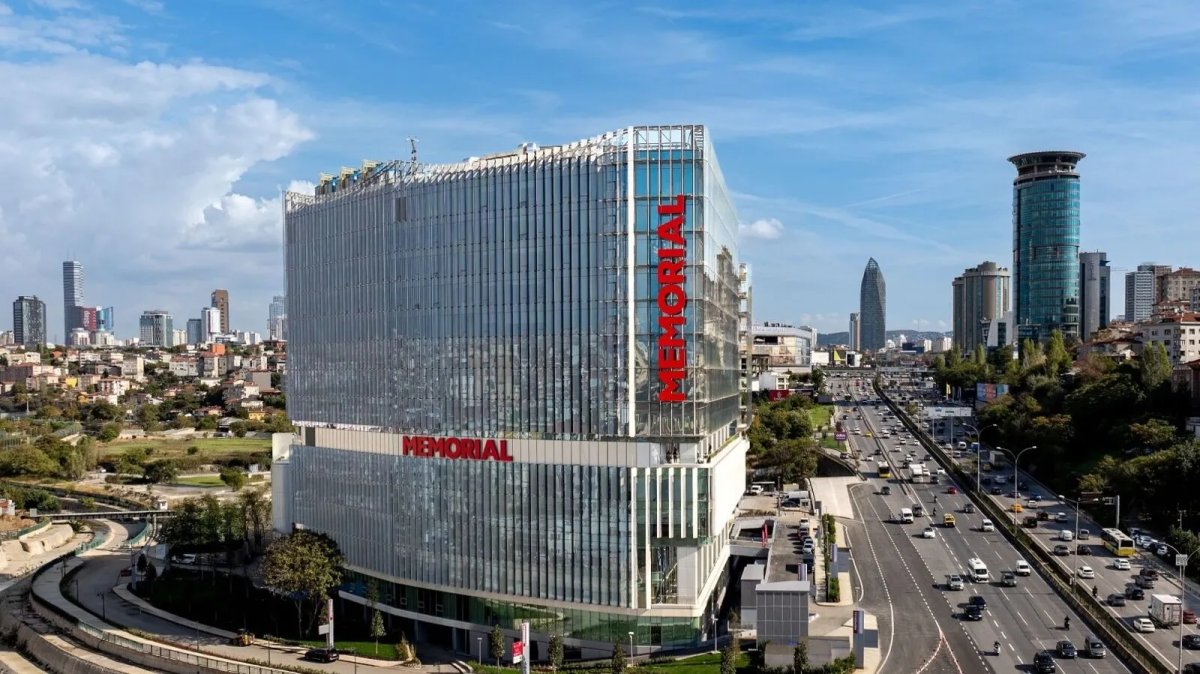
Los mejores hospitales de Turquía para Keytruda son el Anadolu Medical Center, Memorial Şişli e Istanbul Florence Nightingale, todos ellos acreditados por la Joint Commission International (JCI). Estos centros siguen los protocolos oncológicos de los Estados Unidos mediante colaboraciones estratégicas con instituciones como Johns Hopkins Medicine para garantizar una dosificación precisa de la inmunoterapia.
Opinión del experto de Bookimed: El Anadolu Medical Center destaca porque sus oncólogos siguen los mismos algoritmos de tratamiento que el Johns Hopkins Hospital de los Estados Unidos. Aunque muchas clínicas ofrecen Keytruda, Anadolu es una de las pocas que cuenta con la acreditación de la Organisation of European Cancer Institutes. Esto garantiza que el almacenamiento y la administración de los medicamentos cumplan con los más altos estándares internacionales de seguridad.
Consenso de los pacientes: Los pacientes valoran la rapidez de acceso en comparación con las opciones públicas y recomiendan traer los escáneres originales desde casa. Los comentarios destacan con frecuencia la profesionalidad de los coordinadores de habla inglesa que ayudan a navegar por los complejos requisitos de las pruebas de biomarcadores.
Los paquetes de inmunoterapia turcos suelen incluir la dosis específica del medicamento, consultas con oncólogos y seguimiento diagnóstico como análisis de sangre o exploraciones PET/CT. Estos paquetes con todo incluido también gestionan la logística proporcionando alojamiento en hoteles de 4 o 5 estrellas durante 7 a 14 noches, traslados VIP del aeropuerto a la clínica y coordinadores de pacientes multilingües dedicados para una comunicación fluida.
Perspectiva del experto de Bookimed: Un patrón único en la oncología turca es la integración de protocolos internacionales, como la estricta afiliación del Anadolu Medical Center con Johns Hopkins Medicine. Estos paquetes ofrecen vías de tratamiento con estándares estadounidenses desde $2,800, ahorrando a menudo a los pacientes hasta un 72% en comparación con los costes en EE. UU. Los pacientes deben verificar si el precio cotizado cubre un ciclo único o un protocolo de múltiples infusiones antes de reservar.
Consenso de los pacientes: Los pacientes valoran la transparencia de estas clínicas, señalando que se centran en la atención médica necesaria sin realizar ventas agresivas de exploraciones diagnósticas innecesarias. Muchos aprecian tener un guía dedicado para gestionar toda la logística, lo que reduce el estrés durante los complejos tratamientos contra el cáncer.
Los tiempos de espera para la inmunoterapia con Keytruda en Turquía generalmente oscilan entre 1 y 4 semanas. Las clínicas privadas de Estambul a menudo inician el tratamiento en un plazo de 7 a 14 días. Este cronograma es significativamente más rápido que el estándar de 2 meses que a menudo se observa en los sistemas de salud públicos para derivaciones urgentes de cáncer.
Perspectiva del experto de Bookimed: Los pacientes que se dirigen a Estambul a menudo evitan las largas colas eligiendo centros acreditados por la JCI como el Anadolu Medical Center. Su colaboración con Johns Hopkins Medicine permite una rápida verificación diagnóstica. Los datos muestran que los pacientes internacionales que `pagan en efectivo` frecuentemente reciben un procesamiento acelerado. Esto puede acortar el tiempo desde la primera consulta hasta la infusión inicial en varios días.
Consenso de los pacientes: Los pacientes informan que las clínicas privadas ofrecen un ambiente acogedor con personal profesional que aclara todas las consultas de inmediato. La comunicación proactiva con coordinadores de habla inglesa es esencial para confirmar la aprobación del medicamento y evitar posibles cambios de programación relacionados con las aduanas.
Los centros de oncología turcos acreditados por la JCI utilizan el medicamento idéntico Keytruda (pembrolizumab) fabricado por Merck, que cumple con los estándares de formulación y dosificación que se encuentran en los EE. UU. y Europa. Clínicas líderes como el Anadolu Medical Center mantienen afiliaciones directas con instituciones como Johns Hopkins Medicine para garantizar protocolos terapéuticos internacionales.
Perspectiva del experto de Bookimed: Si bien el medicamento es idéntico, los centros turcos a menudo ofrecen una programación más flexible para los ciclos de infusión. Las investigaciones muestran que centros como el Anadolu Medical Center atienden a 65,000 pacientes anualmente utilizando protocolos basados en EE. UU. Este alto volumen les permite mantener un stock fresco de medicamentos de inmunoterapia con números de lote verificados directamente del fabricante.
Consenso de los pacientes: Los pacientes verifican con frecuencia los números de lote en los registros globales para confirmar que reciben el mismo medicamento de marca que en casa. Destacan que el tratamiento se siente fluido porque los oncólogos turcos coinciden exactamente con los ciclos de inducción utilizados en los hospitales occidentales.
Todo el contenido médico de esta página está elaborado por autores con formación médica especializada y revisado por médicos certificados en el campo correspondiente. Revisión médica por Yesim Yildirim, Oncólogo clínico.
Última actualización: 21/11/2026.
Todos los datos se proporcionan sólo con fines informativos generales y pueden no reflejar resultados o experiencias individuales.