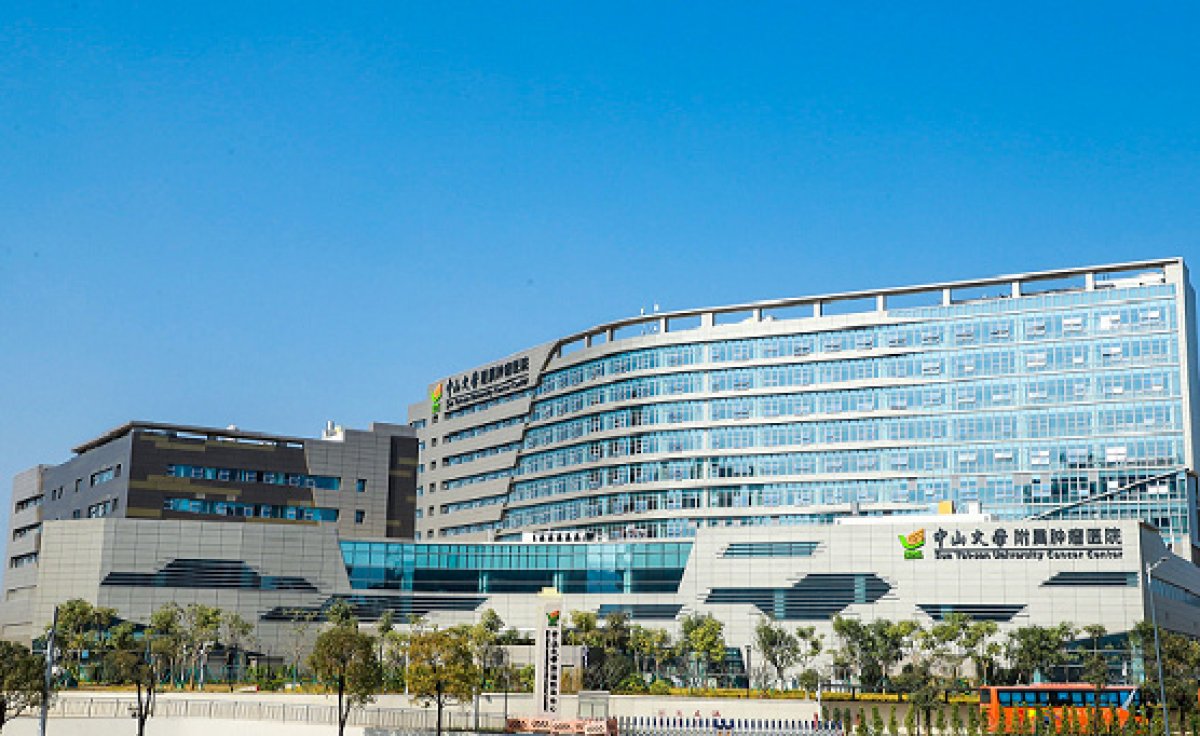
Fuda Cancer Hospital
China, Cantón


Revisado médicamente por
Fahad Mawlood
De $400. Los gastos totales dependen de la etapa clínica, el enfoque quirúrgico y el nivel del hospital. Los pacientes pueden ahorrar aproximadamente entre un 50% y un 85% en comparación con los EE. UU. Los principales centros de tratamiento se encuentran en Guangzhou, Pekín y Shanghái.
Costos típicos del tratamiento del cáncer de páncreas en China
Perspectiva de los expertos de Bookimed: Los pacientes en etapas avanzadas que buscan alternativas a la quimioterapia tradicional encuentran un gran valor en los centros especializados chinos. El Hospital de Cáncer Fuda en Guangzhou es una instalación de renombre mundial especializada en terapias mínimamente invasivas. El Dr. Niu Lizhi en Fuda ha realizado casi 500 procedimientos de NanoKnife para casos complejos. Este hospital acreditado por la JCI ofrece opciones avanzadas como criocirugía y terapia intervencionista vascular para pacientes de más de 100 países.
| China | España | Turquía | |
|---|---|---|---|
| Tomoterapia | ≈ $7,500 | ≈ $7,500 | de $6,700 |
| Terapia con haz de protones | ≈ $28,000 | de $43,300 | de $25,000 |
| Quimioterapia para el cáncer de páncreas | ≈ $4,500 | de $1,900 | de $1,700 |
| Quimioterapia para el cáncer de mama | ≈ $14,800 | de $1,700 | de $3,000 |
| Nanocuchillo | de $24,000 | ≈ $9,500 | ≈ $9,500 |

Médico jefe y profesor. Experto de nivel 1 en el Centro Oncológico del West China Hospital, Sichuan University (clasificado n.º 2 en China). Completó un posdoctorado en radiología intervencionista en el Chinese PLA General Hospital. Dirige equipos multidisciplinarios (MDT) para tumores complejos. Experto en oncología intervencionista mínimamente invasiva para cánceres de hígado, pulmón y páncreas.
Acreditaciones: Miembro del consejo, WATA. Miembro de los comités de CACA y CMDA sobre in

El Dr. He Weibing es pionero de la crioablación con argón‑helio en China, con más de 20 años de práctica en primera línea. Fue miembro fundador del Hospital Oncológico Fuda (Guangzhou). Cofundó su Centro de Tratamiento Tumoral Mínimamente Invasivo y fue subdirector ejecutivo. También ayudó a crear el Grupo de Ablación de la Asociación China contra el Cáncer. Ha sido operador principal en más de 10.000 procedimientos.
Se especializa en crioablación tumoral y domina la braquiterapia con

El profesor Luo Xiaoping es un radiólogo intervencionista reconocido a nivel nacional y una autoridad destacada en el oeste de China. Comenzó a realizar intervenciones vasculares pioneras a principios de la década de 1990. Ayudó a fundar el Grupo de Intervencionismo del Segundo Hospital Afiliado de la Universidad Médica de Chongqing.
Ha realizado más de 100 000 procedimientos intervencionistas, incluidos unos 4 000 casos complejos. Sus competencias clave incluyen TACE para el carcinoma

El profesor Xiao Yueyong es médico jefe del Departamento de Radiodiagnóstico del Hospital General del EPL de China. Es un experto líder en oncología intervencionista mínimamente invasiva. Es el primer presidente de WATA (2025–). Preside la Sociedad Internacional (2020–) y la Sociedad Asiática (2012–) de Crioterapia. También es subjefe del Grupo de Expertos de la NHC sobre regulaciones de ablación tumoral (2009–).
Ha realizado más de 100 000 procedimientos mínimamente invasivos guiados




Escrito por Veronika Kazina

Escrito por Veronika Kazina

Escrito por Veronika Kazina

Escrito por Veronika Kazina

Escrito por Veronika Kazina
 Olena Sikoza
China utiliza métodos de tratamiento de vanguardia, como la ablación mínimamente invasiva, la cirugía robótica y la radioterapia de alta precisión para tumores avanzados. Los centros acreditados por la JCI ofrecen electroporación irreversible con NanoKnife y criocirugía para tumores inoperables. Estos centros combinan tecnologías médicas occidentales con métodos de tratamiento integrales para mejorar los resultados y la calidad de vida de los pacientes.
Opinión de expertos de Bookimed: China se ha convertido en líder mundial en ablación no térmica, especialmente para el tratamiento de tumores cercanos a estructuras vitales. Mientras que muchos centros occidentales utilizan NanoKnife únicamente en ensayos clínicos, especialistas chinos como el Dr. Niu Lizhi han realizado más de 500 procedimiento
En China, la recuperación postoperatoria se lleva a cabo según los protocolos de Recuperación Mejorada Tras la Cirugía (ERAS, por sus siglas en inglés) y de Equipo Multidisciplinario (MDT, por sus siglas en inglés). Los pacientes internacionales suelen permanecer hospitalizados entre 10 y 14 días. El tratamiento combina la monitorización quirúrgica moderna con la medicina tradicional china para acelerar la recuperación física y aliviar los efectos secundarios comunes, como las náuseas.
Opinión de expertos de Bookimed: Si bien los centros oncológicos chinos, como el Hospital Oncológico Fuda, cuentan con la acreditación JCI, la experiencia de recuperación para pacientes internacionales varía. Especialistas altamente cualificados, como el Dr. Niu Lizhi,
Los cirujanos pancreáticos chinos que trabajan en los principales centros oncológicos cuentan con una amplia experiencia y suelen gozar de reconocimiento internacional. Los especialistas más destacados tratan a un gran número de pacientes. Algunos de los mejores cirujanos han realizado más de 10 000 intervenciones quirúrgicas. Muchos trabajan en instituciones acreditadas por la JCI. Con frecuencia, emplean técnicas de vanguardia para casos complejos en etapas avanzadas de la enfermedad.
Opinión de expertos de Bookimed: Los grandes centros en China ofrecen una clara ventaja para las resecciones complejas. Los cirujanos especializados suelen realizar cientos de cirugías pancreáticas al año. Por ejemplo, el Dr. Niu Lizhi ha realizado más de 500 cirugías con Nanoknife. Esta amplia experiencia en casos poco frecuentes suele garantizar una
En China, la estancia hospitalaria típica tras una cirugía de cáncer de páncreas oscila entre 13 y 20 días. Los protocolos de recuperación especializados de los centros más avanzados pueden reducirla a 10 días en casos sin complicaciones. Tras el alta, los pacientes deben permanecer en observación durante 1 o 2 semanas para prevenir posibles complicaciones quirúrgicas.
Opinión de expertos de Bookimed: Si bien los principales centros reportan estancias hospitalarias de hasta 20 días, los hospitales oncológicos especializados, como el Hospital Oncológico Fuda, se especializan en criocirugía mínimamente invasiva y el método NanoKnife. Estas técnicas avanzadas, realizadas por cirujanos como el Dr. Niu Lizhi, a menudo permiten una recuperación más rápida de la movilidad en comparación con las cirugías de Whipple ab
Los centros oncológicos chinos minimizan las barreras gracias a departamentos internacionales especializados y equipos multidisciplinarios. Instituciones como el Hospital Oncológico Fuda cuentan con la acreditación JCI y emplean coordinadores bilingües que atienden consultas médicas y ofrecen servicios de traducción in situ. Los departamentos especializados proporcionan historiales clínicos en inglés, lo que facilita el seguimiento de los pacientes internacionales.
Opinión de expertos de Bookimed: Grandes centros como el Hospital Oncológico Fuda, que ha tratado a más de 30 000 pacientes de 100 países, desarrollan una memoria institucional de las necesidades culturales específicas. Por ejemplo, el profesor Niu Lizhi ha realizado más de 10 000 procedimientos de criocirugía en una población diversa de todo el mundo. Tal volumen de
Los pacientes que se someten a cirugía pancreática en China generalmente requieren una visa médica S1 o S2. Las visas de turista estándar solo cubren servicios médicos menores. Se requiere una invitación oficial de un hospital terciario. Los solicitantes también deben presentar comprobante financiero que acredite el 120 % de los costos estimados.
Opinión de expertos de Bookimed: Si bien muchos hospitales exigen el pago inmediato en efectivo, elegir centros acreditados por la JCI, como el Hospital Oncológico Fuda, simplifica el proceso de admisión para pacientes internacionales. Su experiencia trabajando con más de 30 000 pacientes de todo el mundo les permite gestionar mejor la documentación necesaria para las visas tipo S. Además, paquetes como CyberKnife en el Hospital Jinshazhou suelen incluir el servicio de recogida en el hospital. Este es un detalle importante, ya que el transporte público en ciudades como Guangzhou rara vez ofrece opcio
Entre las ciudades líderes en atención integral del cáncer de páncreas se encuentran Guangzhou, Heidelberg y Tel Aviv. Estos centros cuentan con instalaciones médicas acreditadas por la Joint Commission International (JCI) y realizan un alto volumen de cirugías. Ofrecen tratamientos de vanguardia como NanoKnife, CyberKnife M6 y criocirugía. Los departamentos especializados garantizan la coordinación interdisciplinaria para pacientes internacionales.
Opinión de expertos de Bookimed: Guangzhou destaca en el tratamiento del cáncer de páncreas avanzado mediante criocirugía mínimamente invasiva. El profesor Niu Lizhi, del Hospital Oncológico Fuda, ha realizado cerca de 10 000 criocirugías. Una cifra tan elevada es poco común en el mundo. Mientras que muchos centros se centran en la cirugía tradicional, estas instituciones chinas priorizan las técnicas de preservación de ór